The Perspectives

520 posts

The Perspectives banner
The Perspectives

The Perspectives

@prog_perspect

Translating the perspectives from around the world.

Beigetreten Şubat 2026
25 Folgt16 Follower
Angehefteter Tweet
The Perspectives
The Perspectives@prog_perspect·
Why won’t Iran fall into ethnic fragmentation or religious civil war—and why will it never surrender, nor be defeated? Even today, many people are still asking: The United States has sanctioned Iran for over 40 years, carried out assassinations, airstrikes, and containment by every possible means—so why hasn’t it managed to bring this country down? Why, in the face of military strikes from the U.S. and Israel, have Iranians not fallen apart, but instead grown more united the harder they are hit? The answer has nothing to do with the Western media’s nonsense about “religious fanaticism,” nor with so-called “theocratic brainwashing.” The broad public support Iran shows in wartime today has long since ceased to be about theology. At its core, it comes from something else entirely: a nation that has been fundamentally shaped by a modern national movement, and that, when faced with external aggression, instinctively rallies around defending the homeland and preserving the national dignity. That is Iran’s real strategic advantage—and something a relatively young, patchwork country like the United States, with just over two centuries of history, can never fully understand. Let’s spell out the fundamental difference: Iran today is the only country in the Middle East that has completed a coherent national narrative, built a shared identity that transcends sectarian divides, and grounded itself in a continuous civilizational heritage. Every other country in the region still exists, in essence, as a “state drawn on a map”—held together either by tribal loyalties, sectarian alignments, or the authority of strongmen and oil wealth. None of them possesses a genuine sense of national consensus or cohesion. That is why the United States could easily overthrow Saddam, bring down Gaddafi, destabilize Afghanistan and Syria—yet remains unable to do the same to Iran. Saddam’s Iraq was a Sunni minority ruling over a Shia majority, maintained by repression without a fully formed national identity—once the pressure came, it collapsed. Gaddafi’s Libya rested on fragile tribal alliances—once those interests fractured, the regime disintegrated overnight. Afghanistan barely functions as a “nation” at all—only tribes and sects exist; foreign forces come and go, and the country simply resets. But Iran is different. It is not an artificial state carved out after World War I by the British and French with a ruler on a map. It rests on thousands of years of Persian civilization, with a continuous historical identity and clearly defined cultural boundaries. As early as the Pahlavi era, Iran had already constructed the foundations of a “Persian national narrative”—drawing on the legacy of Cyrus the Great and the Sasanian Empire as shared historical memory, using a “Persian identity” to transcend divisions of sect, tribe, and region, and to build the framework of a modern nation-state. After the Islamic Revolution, this narrative was temporarily overshadowed by the religious ideology, but it never disappeared. Four decades of sanctions, the Iran–Iraq War, and the harsh realities of Middle Eastern geopolitics forced Iran’s political elite to confront a key truth: religion alone cannot hold together a multi-ethnic, sectarian society, nor sustain the ambitions of a regional power. So from the later years of the elder Khamenei’s rule to the consolidation under his successor, Mojtaba Khamenei, Iran gradually completed a shift in its core narrative: from “Islamic revolution above all” to “Iranian national interests above all,” and from overt theocratic governance to a system where religion serves as the outer shell, and national identity as the inner core. In today’s Iran, religious rituals and institutions remain—they are like a garment worn on the outside. But underneath, the body is driven by a nationalism centered on Iranian identity. The Quds Force operates across the Middle East not to export religious revolution, but to create geopolitical buffer zones and expand the living space of the Iranian people. Iran’s refusal to yield in the face of U.S. and Israeli strikes is not about sectarian conflict, but about a unified response to external aggression. Even the nuclear issue, at its core, reflects a nation seeking control over its own destiny—not a theological imperative at all. This is the true source of Iran’s wartime cohesion today: not calls to holy war from the scriptures, but a simple patriotism—if you attack my country and threaten my people, I will fight you to the end. This kind of consensus transcends Shia–Sunni divides, bridges the gap between secular and religious populations, and overcomes differences between urban and rural society—binding tens of millions of Iranians into a single, unified force. And the United States will never understand this. From the very beginning, this country has never possessed a civilizational memory rooted in thousands of years of history. What holds it together is dollar hegemony, military deterrence, and the narrative of so-called “universal values.” When it looks at the Middle East, it sees only two labels: either compliant puppets, or fanatical, evil regimes driven by religion. It simply cannot see that Iran has long since completed a fundamental transformation—from a “theocratic state” to a “nationalist power.” Nor can it grasp the kind of cohesion forged by a “national movement,” or the sheer resilience that comes with it. It thinks that killing Qassem Soleimani would dismantle the Quds Force. It thinks that bombing Iran’s military facilities and civilian infrastructure would force the country to submit. It thinks that decades of sanctions would trigger internal collapse. But what it fails to understand is this: when faced with external aggression, a nation bound together by a shared national identity only grows more united the harder it is hit, and more resilient the more it is pressured. Kill one Soleimani, and thousands more Iranians will step forward to carry the banner of resistance. Bomb its infrastructure, and it will only strengthen its resolve to pursue independent industrialization. The more you sanction it, the stronger its national consensus becomes. In the end, the United States can deal with those countries in the Middle East that lack a true national foundation—but it will never be able to deal with Iran. Because what it faces is not merely a theocratic regime, nor just a revolutionary guard force, but a nation with thousands of years of civilizational continuity, thoroughly forged by a national movement. That depth of civilization, that cohesion born of national identity—these are things a country with just over two centuries of history, held together by interests, will never fully comprehend, and never be able to break. This is why Iran will not fragment along ethnic lines, will not descend into sectarian civil war, and will only grow more unified under pressure. The fundamental reason is exactly what I laid out earlier—it is no longer a theocratic state sustained by theology, but a modern nation-state welded together by a shared Iranian national identity. Let me put it to you in the most blunt, straightforward, and unambiguous way: 1. Iran won’t collapse — because it has a unifying “Persian” identity Every unstable country in the Middle East—Iraq, Syria, Yemen, Lebanon—suffers from the same problem: no unified national identity, only tribes, sects, and regions. But Iran is different. As early as the Pahlavi era, Persian nationalism was built into the very structure of the state: the history of Persia, the civilization of Persia, the glory of the Persian Empire, and the shared identity of being “Iranian.” This runs deeper than religion, stronger than sectarian divisions, and lasts longer than politics. So whether you are Persian, Azerbaijani, Kurdish, Lur, or Bakhtiari—the first identity is the same: I am Iranian / part of the Persian civilizational sphere. National identity > tribal affiliation > sectarian differences. As long as that holds, the foundation for fragmentation simply doesn’t exist. 2. Iran won’t have a religious civil war — because religion has become the background, not the driver When the Middle East descends into chaos, it’s usually sectarian: Sunni vs. Shia, secular vs. religious, tribe vs. tribe. Why not Iran? Because Iran has already completed a shift—from theocracy to nationhood. Khomeini era: religion was the core Ali Khamenei era: religion and nationalism coexisted Mojtaba Khamenei era: nationalism is the core; religion is the ritual outer shell So the real hierarchy now is: state interests > Iranian nation > religious belief Religion is no longer a banner to fight over, but a shared cultural backdrop. So you won’t see “religious factions fighting for power,” “Shia dominance suppressing Sunnis,” “clerical elites crushing secular groups,” or a full-blown religious civil war. Because the ruling elite no longer plays by theological rules. They operate in terms of state power, national security, geopolitics, and national interest. 3. What truly stabilizes Iran is national identity—not theocracy Let’s get straight to the point: Iran is the only country in the Middle East that has completed nation-building. Its stability rests on a powerful foundation: thousands of years of civilizational continuity, a modern national framework shaped since the Pahlavi era, a unified historical narrative, a shared external adversary (U.S.–Israeli hegemony), and a cohesive elite strategy centered on Iranian patriotism. The more it is attacked, sanctioned, or targeted with assassinations, the stronger its internal cohesion becomes. That’s why the United States could dismantle the Soviet Union, Yugoslavia, Iraq, Libya, Syria, Afghanistan… but not Iran. Because those countries were either lacking a national foundation, held together by ideology, or stitched together by force. Only Iran is welded together by civilization + nationhood. 4. The bottom line: Iran won’t collapse, and won’t be defeated Iran will not collapse. It will not descend into civil war. And it will not be defeated. Because it is no longer a theocratic state, but a modern nation-state built on Iranian national identity, with patriotism as its binding force. Religion is just the outer shell—the nation is the soul. This is something the United States, the West, and many people on the Internet simply don’t understand—but this is precisely why Iran cannot be broken, divided, or crushed. (This article is translated from Weibo) #Iran #USIranWar #IranWar
Arya Yadeghaar@AryJeay

Iranians from Kohgiluyeh (where the F-15 was shot down) came out wearing traditional clothes during the daily gatherings to condemn US/Israeli attacks. Iranians from Isfahan, Kohgiluyeh, and Boyer-Ahmad ever since the rescue operations, have showed immense support for the armed forces.

English

0
0
1
123
Patricia Marins
Patricia Marins@pati_marins64·
After its petrochemical hub was attacked by the US and Israel, Iran responded by striking the Saudi industrial hub. Jubail is Saudi Arabia’s main industrial hub and operates with nearly 300 active industries. It produces about 7% of all petrochemicals in the world. SATORP and SASREF together refine 770,000 barrels per day. In addition, there are large-scale dedicated power stations and desalination plants. We are talking about a giant complex of fertilizers, steel, aluminum, and chemical products that suffered a violent Iranian attack today in retaliation for the strike on its own petrochemical complex. All of this is connected to the King Fahd Industrial Port, the main industrial port of the complex, with 34 berths and a confirmed annual capacity of 70 million tons. The attacks today on Iran and the Iranian attacks on Saudi Arabia will directly impact global inflation.
English
85
1.1K
3K
150.3K
Drop Site
Drop Site@DropSiteNews·
⚡️ Mahdi Mohammadi, strategic adviser to Iranian Parliament Speaker Mohammad Bagher Ghalibaf, said Monday that “Iran has clearly and overtly won the war” and will only accept terms that “consolidate its gains and create a new security regime in the region.” On Trump’s 48-hour ultimatum to Iran to open the Strait of Hormuz, Mohammadi wrote: “It is Trump who has about 20 hours to either surrender to Iran or his allies will return to the Stone Age. We will not back down.“
Mahdi Mohammadi@mmohammadii61

ایران جنگ‌ را به وضوح و آشکارا برده و فقط پایان بندی را می پذیرد که دستاوردهای آن را تثبیت و رژیم امنیتی جدیدی در منطقه خلق کند. صورت درست مسئله این است: این ترامپ است که حدود ۲۰ ساعت فرصت دارد یا تسلیم ایران شود یا متحدانش به عصر پارینه سنگی بازخواهند گشت. ما کوتاه نمی آییم!

English
17
136
544
57.1K
The Perspectives
The Perspectives@prog_perspect·
@KobeissiLetter If conditions allow, those stranded in the Gulf monarchies should evacuate AS SOON AS POSSIBLE—at least to Oman. (Translated from Weibo)
English
0
0
0
4.6K
The Kobeissi Letter
The Kobeissi Letter@KobeissiLetter·
BREAKING: The strategic advisor adviser to Iranian Parliament Speaker Ghalibaf comments on President Trump’s “48 hour ultimatum:” “It is Trump who has about 20 hours to either surrender to Iran or his allies will return to the Stone Age. We will not back down,” he says.
English
262
622
4.8K
486.3K
The Perspectives
The Perspectives@prog_perspect·
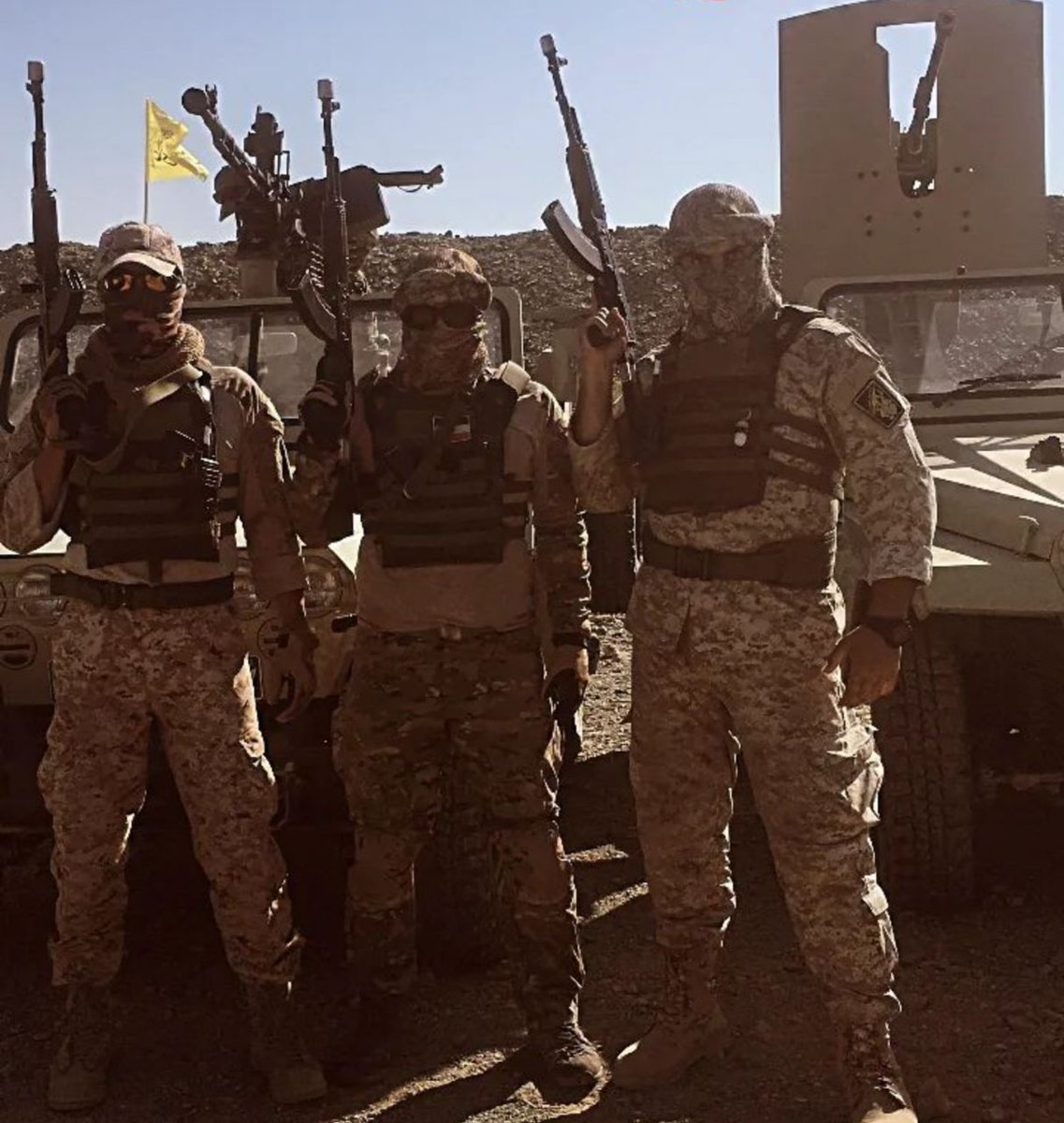
What is the background of Iran’s special forces—and how capable are they, really? The U.S. and Israeli militaries are highly trained, but they would face a particularly difficult opponent—and likely at roughly a two-to-one manpower disadvantage, as Iran’s special operations forces are estimated to number close to 40,000. Today, Iran’s special forces can be considered among the most tightly organized, rigorously trained, and combat-experienced elite forces in the world. They are especially adept at asymmetric warfare in urban areas, mountainous terrain, and extremely harsh environments. They combine well-developed operational doctrine with decades of real combat experience, while continuing to modernize their equipment—partly through strategic partnerships with China and Russia. These are not ad hoc militias: they have strict training standards, clear command structures, and extensive experience operating drones. After years of refinement, they rank among the top tier globally in these domains. Two main pillars: the regular army and the Islamic Revolutionary Guard Corps (IRGC) The IRGC handles overseas operations and unconventional warfare, while the regular military focuses on homeland defense, though it also maintains elite units. Both work closely with the Basij militia, forming a highly resilient system that is extremely difficult to dismantle. During the Iran–Iraq War, Basij volunteers underwent intensive infiltration training, including operations in marshlands like Hoveyzeh and Majnoon—missions requiring combat divers and strong swimmers. These experiences directly contributed to the formation of elite units such as the Fatehin. Quds Force (IRGC) The Quds Force serves as Iran’s arm for overseas operations and asymmetric warfare, with about 5,000 elite personnel. Its primary role is to train, arm, and coordinate allied groups such as Hezbollah, the Houthis, and Shia militias in Iraq and Syria. It has extensive combat experience in Libya, Yemen, and especially Syria. On April 6, 2026, Israel announced it had killed Quds Force special operations commander Asghar Bagheri in Tehran. However, he was immediately replaced by a pre-designated successor, once again demonstrating that targeted assassinations have little impact on the actual combat effectiveness of Iranian forces. Saberin Unit (IRGC) The Saberin unit is the IRGC’s most capable ground assault force, numbering between 3,000 and 5,000 troops. Formed in 2000, it specializes in guerrilla warfare in mountainous regions along Iran’s borders with Iraq and Turkey. Members undergo intensive training in rock climbing, high-altitude survival, and complex terrain operations. They have fought Kurdish militant groups (PJAK) in northwestern Iran and conducted missions in Syria. The unit has also participated in joint training with Russian and Chinese special forces, and is highly experienced. Fatehin — Elite Unit of the Basij These are carefully selected volunteers who receive full commando-level training. Estimated at 5,000 to 10,000 personnel, they specialize in urban warfare, siege operations, parachuting, rappelling, and expeditionary operations. Today, they function as one of Iran’s most effective instruments for projecting ground power—an “armed ideological arm.” 65th Airborne Brigade (Regular Army) This is the regular army’s premier unit, with approximately 3,000 to 4,000 paratroopers. They specialize in airborne operations, parachuting, hostage rescue, sabotage, and covert infiltration, earning the nickname “Ghosts” in areas where they operate. Their training includes mountain warfare, operations in snow-covered peaks, and navigating rugged terrain—making them highly adaptable. (Translated from Weibo) #Iran #USIranWar #IranWar#StopWarOnIran
The Perspectives tweet media
English
0
0
0
9
The Perspectives
The Perspectives@prog_perspect·
The more I think about it, the more I’m convinced this wasn’t a rescue mission. He’s lying—but I still can’t figure out what exactly he’s trying to gain from it. This amounts to admitting a U.S. military failure. It clearly doesn’t line up with the whole pilot search-and-rescue narrative. If anything, it suggests that such a large aircraft formation suffered a major defeat and had to withdraw. None of this makes any sense. (Translated from Weibo)
English
5
2
16
745
Megatron
Megatron@Megatron_ron·
🇺🇸🇮🇷 TRUMP: “The mission involved 155 aircraft including 4 bombers, 64 fighters, 48 refueling tankers, 13 rescue aircraft and more.”
English
48
46
275
31.7K
The Perspectives
The Perspectives@prog_perspect·
The more I think about it, the more I’m convinced this wasn’t a rescue mission. He’s lying—but I still can’t figure out what exactly he’s trying to gain from it. This amounts to admitting a U.S. military failure. It clearly doesn’t line up with the whole pilot search-and-rescue narrative. If anything, it suggests that such a large aircraft formation suffered a major defeat and had to withdraw. None of this makes any sense. (Translated from Weibo) #Iran #IranWar#StopWarOnIran
Megatron@Megatron_ron

🇺🇸🇮🇷 TRUMP: “The mission involved 155 aircraft including 4 bombers, 64 fighters, 48 refueling tankers, 13 rescue aircraft and more.”

English
0
0
0
19
The Perspectives retweetet
Shivan Mahendrarajah
Shivan Mahendrarajah@S_Mahendrarajah·
Events Last Weekend in Iran Scenarios abound. Common theory is: (1) op in SW Iran was rescue; (2) op near Isfahan to seize U-235. Let’s sort thru facts before tackling US misconceptions vis-à-vis U-235 storage & removal Legend Purple Box: US bases in Kuwait Yellow Circle: scene of Friday’s action (30.6594 50.1232; downed US helo) Red Circle: airstrip, Isfahan, scene of Sat/Sun activities (32.258394, 51.901927) Green Circle: Isfahan nuclear facility 1: Rescue Locale of Friday’s action is 210km from Kuwait. CSAR would not fly 240km NE to Yellow Circle; they would fly SW to Purple Box. s.o. speculated MH-6 “Little Bird” flew airman to Isfahan airstrip. Balderdash! There were two events last weekend. Connected? 🤷 2: Isfahan If Isfahan action was to seize U-235, then it reflects abysmal knowledge of, inter alia, Iranian practices. (a) Iran enriches U-235 at Natanz, Fordow, and Isfahan. Would enriched U-235 from Fordow be shipped 277km to Isfahan? Or retained at Fordow? Or perhaps at the secret facility at Kuh-i Kolang (≈ 33.9173, 51.3108)? Or elsewhere? (b) 440.9kg 60% HEU is a “strategic asset.” It is treated as such. The HEU has been dispersed. Are we to believe that Tehran, which de-centralizes military commands into 31 semi-autonomous commands (see “Iran’s Decentralized Mosaic Defense” x.com/S_Mahendraraja…) and de-centralizes numerous mil-civ assets, has centralized HEU storage? 🚨 Just saw old TV interview of IAEA Director Raphael Grossi: ca. 50% of 60% HEU was in Isfahan, but his info <1 yr old. CCTV at Fordow, Isfahan, and Natanz was switched off in June 2025. (c) 440.9kg 60% HEU does not weigh 440.9kg (970 lbs.). “Serious people” yap about SOF grabbing HEU and flying it out of Iran. ✨440.9kg of 60% HEU is dissolved inside 1000s of kg of uranium hexafluoride (UF₆). See “Iran’s Nuclear Ambiguity” (x.com/S_Mahendraraja…). ✨Weight ≤ 14,600kg UF₆ + weight of multiple storage cylinders—some weighing 2,300–2,500kg each (ibid.). Forklift/crane required. (d) What was the plan? Establish airbase for more SOF & aircraft? Or was this the plan? Did SOF think they could travel 34km (by land? helo?) from airstrip to the sprawling complex at Isfahan; overpower Iranian SOF protecting the site; find earth excavators (on site); remove earth piled to protect tunnel entrances; find their way through the multi-level underground maze—they may have had sketch by IAEA of known areas—and locate the “uber secret room”; find forklifts/cranes (on site), haul the booty to the surface, load it on board trucks (on site with keys in ignition and tank of gas), and drive 34km back to the airstrip? All this while getting shot at!
Shivan Mahendrarajah tweet media
Armchair Warlord@ArmchairW

In making sense of a complex event, it's often best to start with the facts and then work backwards from there. So what are we to make of this weekend in Iran? My theory is we just saw an attempt to seize Iran's stockpile of enriched uranium unravel. Down the rabbit hole.⬇️ Let's run through the timeline and the location of key events first: The evening of April 2nd, the Iranian military released a video of them shooting down a USAF aircraft. This was initially claimed as having occurred over the Persian Gulf, but apparently occurred near Isfahan. Wreckage corresponding to an F-15E of the 494th Tactical Fighter Squadron was recovered from a site south of Isfahan the morning of April 3rd, although geolocation of the very barren crash site took some time (fig. 1). The afternoon of April 3rd, a number of USAF HH-60s and an HC-130 fueler (!) were spotted operating further south and west in Iran, over Kogiluyeh and Boyer-Ahmad Province, as well as at least one A-10, an MQ-9 Reaper, and apparently an F-35. An antiaircraft battle developed and the Combat Search and Rescue (CSAR) HH-60s (fig.2) and an A-10 were damaged, with the A-10's pilot ejecting over the Persian Gulf. The HH-60s were reported as "damaged" and one was photographed trailing smoke. Reports emerged at that time that the pilot of the F-15E (which had crashed near Isfahan, although this was then-unclear!) had been rescued, while the WSO remained at large. Provincial authorities in Kohgiluyeh asked civilians to be on the lookout for an American aviator around this time and numerous photos of militia searching for him emerged. The next day passed relatively uneventfully. The evening of April 4th, however, there was a report of more helicopter activity slightly further north, in Chaharmahal and Bakhtiari Province, accompanied by a washed-out photograph of an unknown helicopter flying very low on a very dark night (fig. 3). Later that night news emerged that the F-15Es WSO had been rescued... and that C-130s had been abandoned and scuttled at a forward base in the Isfahan area during the withdrawal of a company-size SOF force that had landed in the area, over 100 operators ostensibly having been sent to rescue one aviator. Photographs that emerged as dawn broke showed two burned-out C-130s and several destroyed MH-6 Little Bird SOF assault helicopters, in a scene reminiscent of the aftermath of Operation Eagle Claw (fig. 4). A USAF C-295 tactical transport was caught on video around that time flying in Iran - presumably outbound - at extremely low altitude. So, what are we to make of this? First and foremost, the official story - that a huge direct-action SOF force landed near Isfahan with assault helicopters and heavy transport aircraft to rescue one fugitive airman - is nonsense. Not because the USAF won't go to extreme lengths to recover isolated personnel - it can, will, and did in this case - but because that's an absolutely nonsensical way to accomplish that mission. It's a totally inappropriate force package for a mission to go in, extract a single person from a remote area, and leave. Ergo this SOF task force was there on other business. So how were the pilots actually recovered? In all likelihood, exactly the way you would expect them to be recovered - by USAF PJs in long-range helicopters, under cover of darkness. The rescue force probably recovered the pilot from the Isfahan area late at night on April 2-3 and were caught in daylight as they exfiltrated, leading to the aforementioned antiaircraft battle the morning of April 3rd and a high-risk refueling over Iranian territory that was filmed by many Iranians on the ground, as well as a shot-down A-10 trying to clear a path for the helicopters to exfiltrate. The WSO was likely recovered from his hide site near Isfahan by HH-60 in a quiet and deliberate operation the night of April 4-5. One or two birds, in and out under cover of darkness - a far cry from the gung-ho stories currently being spun. So what about the SOF rodeo happening at the same time? Well, why was an F-15 flying downtown to Isfahan the evening of April 2nd to begin with? Probably because there was a huge direct-action raid planned in the Isfahan area for the night of April 4-5, likely going after enriched uranium at an underground facility in the region, and the Iranian air defenses around Isfahan weren't going to suppress themselves. The plan was likely to fly several MH-6 assault birds and a sizable force of operators via C-130 and C-295 to a forward staging area near Isfahan the evening of April 4th, hit a reported cache site or sites for enriched uranium, and try to make it out with the magic dust by daybreak on April 5th. In any event the USAF wasn't going to send transports somewhere it wouldn't send strike aircraft. So the Air Force cashed its check on claims of air superiority and in went the strike package the evening of April 2nd - and lo and behold one of the F-15Es went down because reports of the demise of the Iranian air defense network had been greatly exaggerated. Any rational planner would have scrubbed the SOF operation at this point because they'd lost control of the situation and the Iranian defenses had proven more effective than planned. We went ahead anyways and inserted the SOF task force the evening of April 4th. I strongly suspect that this force was immediately discovered by Iranian drones that would have been up and searching for this WSO, because five transport aircraft including at least two C-130s (about what would be required for a bunch of Little Birds and a company-sized element of operators with equipment) landing at a desert airstrip 50km from Isfahan (and in the same general area where the WSO was taking cover) would be pretty God-damn obvious to anything with thermals. Iranian troops immediately deployed and began converging, the task force probably took indirect fire, and the operational commander immediately aborted mission and retreated in the three remaining operational aircraft. Scuttling charges on delayed fuzes burned two C-130s and an unknown number of MH-6s that had been abandoned at the airstrip around dawn. The story that they were there to rescue the WSO was concocted at that time to cover the disastrously failed raid, as were logistically implausible claims that the task force had been rescued by three additional aircraft after the two C-130s got stuck on the LZ and were scuttled - perhaps to minimize the scale of the effort. Claims that a large battle took place appear to be similarly exaggerated - video has emerged of a single group of Iranian militia apparently killed in a drone strike, but nothing of the nonstop bombing and firefights that were rumored across Telegram all night. I remind the reader that the events of the last few days have proven quite conclusively that Iranians seem to have plenty of internet access to post photos and video when they actually have something worthwhile to film. I'd like to note that Hegseth fired General George - US Army Chief of Staff - on April 2nd, apparently because he just wasn't a good fit for the job and definitely not because he'd told him that this whole scheme was insane. It seems to me that the good General's advice should have perhaps been heeded.

English
1
5
20
2K
The Perspectives
The Perspectives@prog_perspect·
The Perspectives@prog_perspect

I’ve basically figured it out: Trump asked the military for a plan—he wanted to steal Iran’s enriched uranium. The military, reluctantly, drafted a proposal to placate him, emphasizing that it would require sending in several hundred personnel, building a temporary runway, and then airlifting the uranium out with large transport aircraft. The idea was that once he saw how complex and risky it was, he’d back off. Just something to brush him off. But instead, he decided to take it seriously. At that point, senior military leadership realized this could get troops killed for nothing, and pushed back against the plan. Then the proposal was leaked to the media—clearly by the generals opposed to the operation—hoping public pressure would shut it down. Soon after, those senior officers who opposed the plan were either forced into retirement or outright dismissed. A few days later, reports emerged: deep inside Iran, near nuclear facilities, a makeshift runway had been discovered, along with evidence that several hundred U.S. personnel had been present. Items left behind reportedly included IDs belonging to F-35 maintenance technicians and nuclear engineering specialists. So it may not have been just about stealing uranium. Trump may have been aiming to establish a forward operating base there—and even bring in F-35s. Given the way his brain works—like an octopus with thoughts scattered all over the place—you can’t say it’s not possible. Whether I am right or not—well, you can judge the logic for yourself. (Translated from Weibo) #Iran #IranWar#StopWarOnIran

QME
0
0
0
22
The Perspectives
The Perspectives@prog_perspect·
In short, the U.S. military’s utterly unhinged plan ran straight into reality—and failed spectacularly. The sheer absurdity of it goes beyond almost any reckless military scheme in history; honestly, you’d have to be high—or deep into a video game—to come up with something like this. (Translated from Weibo)
English
1
4
33
4K
Navroop Singh
Navroop Singh@TheNavroopSingh·
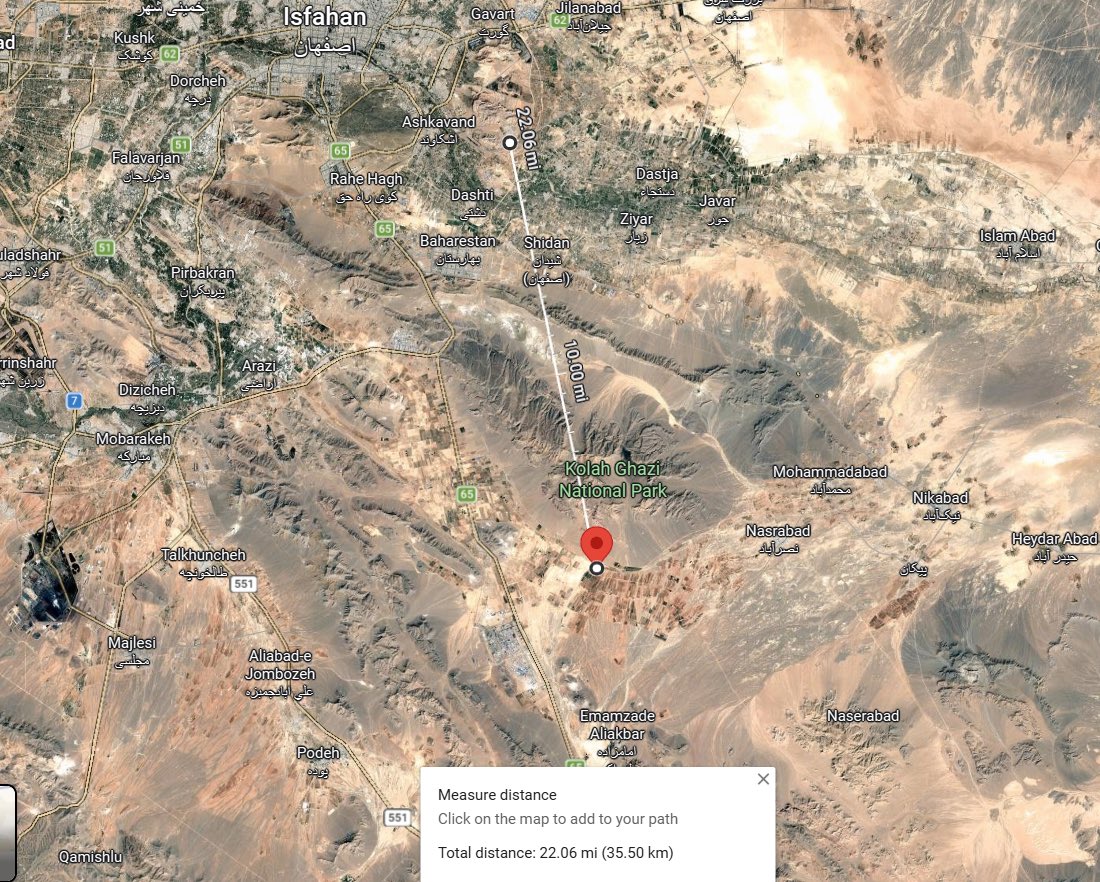
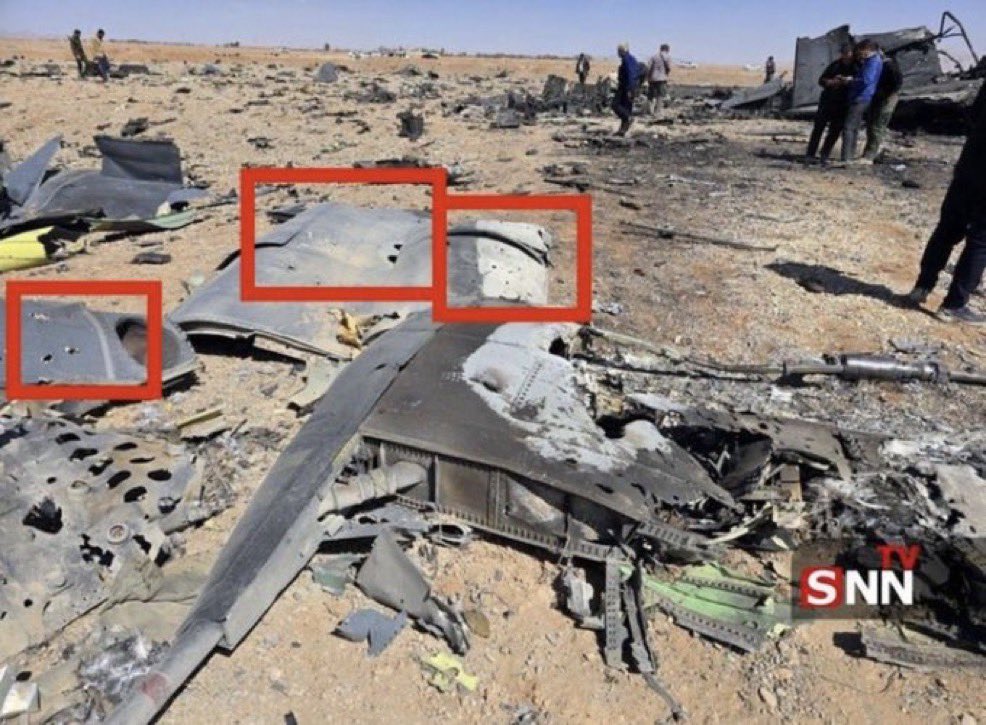
As i wrote yesterday, the Americans were trying to create FARP (Forward Arming & Refueling Point) near that mountain which happens to be 25 Kms south of Iran’s Isafahan Nuclear Facility Tunnels at 32.585522° N, 51.814933° E. In an article just last month, Rafael Grossi stated the following: “Almost half of ‌Iran's uranium enriched to up to 60% purity, a short step from weapons-grade, was stored in a tunnel complex at Isfahan and is probably still there, U.N. nuclear watchdog chief Rafael Grossi said on Monday.” In the latest interview of 18th March 2026, IAEA Chief Rafael Grossi on Iran's new underground facility in Isfahan: “Iran itself declared a new facility. We requested access… but never made it there. Whether it’s empty or operational… we don’t know.” So this likely was being developed as FARP or Forward Operational Base for extraction of Highly Enriched Uranium (HEU) from Isfahan Facility and tunnel’s nearby which is why you needed C-130s to carry 200 troops with Air Support. Trump had hoped he would do a highly risky extraction operation on 3rd-4th April 2026 & post which he could declare the victory by Easter i.e. 5th April 2026. However Iranians with manpads & Air Defence Systems foiled the plan. There are AD marks on debris of the C-130s. The Pilot rescue & CSAR mission was the cover story for a far bigger operation executed else why would you need 2 C-130s, MH6 Little Birds. We also saw images of Blackhawks being hit on Fire and TASNIM NEWS of Iran reporting loss of 12 aircraft including two C-130 transport planes, 4 Little Birds, 4 Black Hawks, & two MQ-9 drones in a single op. This big Ops is not CSAR mission but extraction of HEU mission from Isfahan Underground facility from FARP near the Mountain which is hardly 25 Kms away. The Generals who were fired in Pentagon were probably the ones who did not agree to this plan and termed it extremely risky operation. This explains Trump being out of media and probably in the situation room over the weekend.
Navroop Singh tweet mediaNavroop Singh tweet media
Navroop Singh tweet media
Navroop Singh@TheNavroopSingh

Was this US operation about extracting enriched Uranium, coz you dont send two C-130s to extract one guy from hill top and then take him to landing strip. Thats a cock & bull story ! The Americans with Israeli’s tried to get in and take enriched Uranium, Iranians busted the raid and destroyed their equipment making them scamper back ! Remember this is isfahan where the enriched Uranium was moved from Fordow in June 2025 And that is why Trump is angry with expletives ! Coz otherwise he would be declaring success of the pilot extraction. But he is instead abusing coz his so called raid inside Iran failed ! And how he is threatening Iran again ! It is more than likely that Trump thought he do commando raid in Iran and get out & declare victory. But plan went awry ! Very interestingly Polymarket betting circuit on US TROOPS in Iran shows 11:30 PM EST is 8:00 AM Tehran time 5th April 2026 that is today morning. But polymarket had shot up since 65% from 3rd April 2026 to 5th April to about 100% !

English
53
628
1.9K
321.4K
The Perspectives
The Perspectives@prog_perspect·
I’ve basically figured it out: Trump asked the military for a plan—he wanted to steal Iran’s enriched uranium. The military, reluctantly, drafted a proposal to placate him, emphasizing that it would require sending in several hundred personnel, building a temporary runway, and then airlifting the uranium out with large transport aircraft. The idea was that once he saw how complex and risky it was, he’d back off. Just something to brush him off. But instead, he decided to take it seriously. At that point, senior military leadership realized this could get troops killed for nothing, and pushed back against the plan. Then the proposal was leaked to the media—clearly by the generals opposed to the operation—hoping public pressure would shut it down. Soon after, those senior officers who opposed the plan were either forced into retirement or outright dismissed. A few days later, reports emerged: deep inside Iran, near nuclear facilities, a makeshift runway had been discovered, along with evidence that several hundred U.S. personnel had been present. Items left behind reportedly included IDs belonging to F-35 maintenance technicians and nuclear engineering specialists. So it may not have been just about stealing uranium. Trump may have been aiming to establish a forward operating base there—and even bring in F-35s. Given the way his brain works—like an octopus with thoughts scattered all over the place—you can’t say it’s not possible. Whether I am right or not—well, you can judge the logic for yourself. (Translated from Weibo) #Iran #IranWar#StopWarOnIran
English
0
0
0
20
The Perspectives
The Perspectives@prog_perspect·
In short, the U.S. military’s utterly unhinged plan ran straight into reality—and failed spectacularly. The sheer absurdity of it goes beyond almost any reckless military scheme in history; honestly, you’d have to be high—or deep into a video game—to come up with something like this. (Translated from Weibo) #Iran #USIranWar #IranWar
Navroop Singh@TheNavroopSingh

As i wrote yesterday, the Americans were trying to create FARP (Forward Arming & Refueling Point) near that mountain which happens to be 25 Kms south of Iran’s Isafahan Nuclear Facility Tunnels at 32.585522° N, 51.814933° E. In an article just last month, Rafael Grossi stated the following: “Almost half of ‌Iran's uranium enriched to up to 60% purity, a short step from weapons-grade, was stored in a tunnel complex at Isfahan and is probably still there, U.N. nuclear watchdog chief Rafael Grossi said on Monday.” In the latest interview of 18th March 2026, IAEA Chief Rafael Grossi on Iran's new underground facility in Isfahan: “Iran itself declared a new facility. We requested access… but never made it there. Whether it’s empty or operational… we don’t know.” So this likely was being developed as FARP or Forward Operational Base for extraction of Highly Enriched Uranium (HEU) from Isfahan Facility and tunnel’s nearby which is why you needed C-130s to carry 200 troops with Air Support. Trump had hoped he would do a highly risky extraction operation on 3rd-4th April 2026 & post which he could declare the victory by Easter i.e. 5th April 2026. However Iranians with manpads & Air Defence Systems foiled the plan. There are AD marks on debris of the C-130s. The Pilot rescue & CSAR mission was the cover story for a far bigger operation executed else why would you need 2 C-130s, MH6 Little Birds. We also saw images of Blackhawks being hit on Fire and TASNIM NEWS of Iran reporting loss of 12 aircraft including two C-130 transport planes, 4 Little Birds, 4 Black Hawks, & two MQ-9 drones in a single op. This big Ops is not CSAR mission but extraction of HEU mission from Isfahan Underground facility from FARP near the Mountain which is hardly 25 Kms away. The Generals who were fired in Pentagon were probably the ones who did not agree to this plan and termed it extremely risky operation. This explains Trump being out of media and probably in the situation room over the weekend.

English
1
2
6
862
The Perspectives
The Perspectives@prog_perspect·
I’ve basically figured it out: Trump asked the military for a plan—he wanted to steal Iran’s enriched uranium. The military, reluctantly, drafted a proposal to placate him, emphasizing that it would require sending in several hundred personnel, building a temporary runway, and then airlifting the uranium out with large transport aircraft. The idea was that once he saw how complex and risky it was, he’d back off. Just something to brush him off. But instead, he decided to take it seriously. At that point, senior military leadership realized this could get troops killed for nothing, and pushed back against the plan. Then the proposal was leaked to the media—clearly by the generals opposed to the operation—hoping public pressure would shut it down. Soon after, those senior officers who opposed the plan were either forced into retirement or outright dismissed. A few days later, reports emerged: deep inside Iran, near nuclear facilities, a makeshift runway had been discovered, along with evidence that several hundred U.S. personnel had been present. Items left behind reportedly included IDs belonging to F-35 maintenance technicians and nuclear engineering specialists. So it may not have been just about stealing uranium. Trump may have been aiming to establish a forward operating base there—and even bring in F-35s. Given the way his brain works—like an octopus with thoughts scattered all over the place—you can’t say it’s not possible. Whether I am right or not—well, you can judge the logic for yourself. (Translated from Weibo) #Iran #IranWar#StopWarOnIran
The Perspectives@prog_perspect

In short, the U.S. military’s utterly unhinged plan ran straight into reality—and failed spectacularly. The sheer absurdity of it goes beyond almost any reckless military scheme in history; honestly, you’d have to be high—or deep into a video game—to come up with something like this. (Translated from Weibo) #Iran #USIranWar #IranWar

English
0
0
0
45
Clash Report
Clash Report@clashreport·
"Insane" - Politicians Slam Trump for Using Religious Rhetoric in War Critics across U.S. political spectrum are accusing President Trump for mixing faith & warfare rhetoric after he framed a military rescue in Iran as an “Easter miracle”, pairing religious language with threats against Tehran. clashreport.com/world/articles…
English
26
73
295
35.6K
The Perspectives
The Perspectives@prog_perspect·
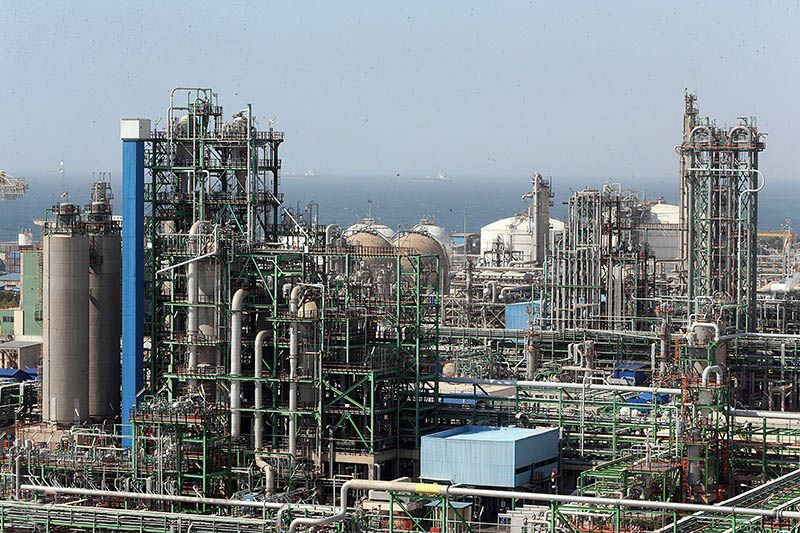
Don’t be fooled by Trump’s double act. In reality, the strikes on Iran’s petrochemical facilities were carried out by the U.S. Air Force. Israel was merely a cover for the attacks on civilian infrastructure. (Translated from Weibo) #Iran #IranWar#StopWarOnIran
The Perspectives tweet media
English
0
0
0
107
The Perspectives
The Perspectives@prog_perspect·
@ME_Observer_ Artists are so naive. You can't treat those Americans like moral human beings. Even if you built a kindergarten inside the power plant and filled it with children, the US military wouldn't hesitate to bomb it. (Translated from Weibo) x.com/IRANinSWEDEN/s…
Iran Embassy in Sweden@IRANinSWEDEN

This is Ali Ghamsari, an Iranian musician. He will be at Tehran’s main power plant, playing his instrument and hoping that art may stop brutality. If the US and Israel choose to bomb it, there is a possibility that he could be killed. Iranians are the bravest people in the world.

English
0
0
39
2.6K
Middle East Observer
Middle East Observer@ME_Observer_·
⚡️ ⭕️ Iranian Composer and musician Ali Qamsari's action to protect the power plant: a movement for energy shield : 🔹 To prevent attacks on Iran's infrastructure, I will stay at the Damavand power plant. 🔹 Qamsari starts this movement with this message: "Maybe the fact that music is the light of people's lives can become more tangible in this movement."
Middle East Observer tweet media
English
51
137
849
150.3K
The Perspectives
The Perspectives@prog_perspect·
Artists are so naive. You can't treat those Americans like moral human beings. Even if you built a kindergarten inside the power plant and filled it with children, the US military wouldn't hesitate to bomb it. (Translated from Weibo) #Iran #USIranWar #IranWar
Iran Embassy in Sweden@IRANinSWEDEN

This is Ali Ghamsari, an Iranian musician. He will be at Tehran’s main power plant, playing his instrument and hoping that art may stop brutality. If the US and Israel choose to bomb it, there is a possibility that he could be killed. Iranians are the bravest people in the world.

English
0
0
0
70
The Perspectives
The Perspectives@prog_perspect·
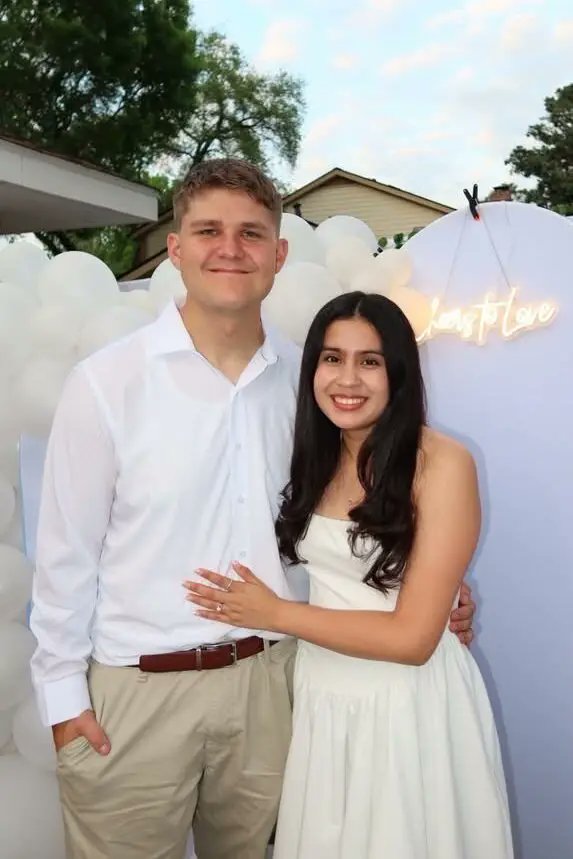
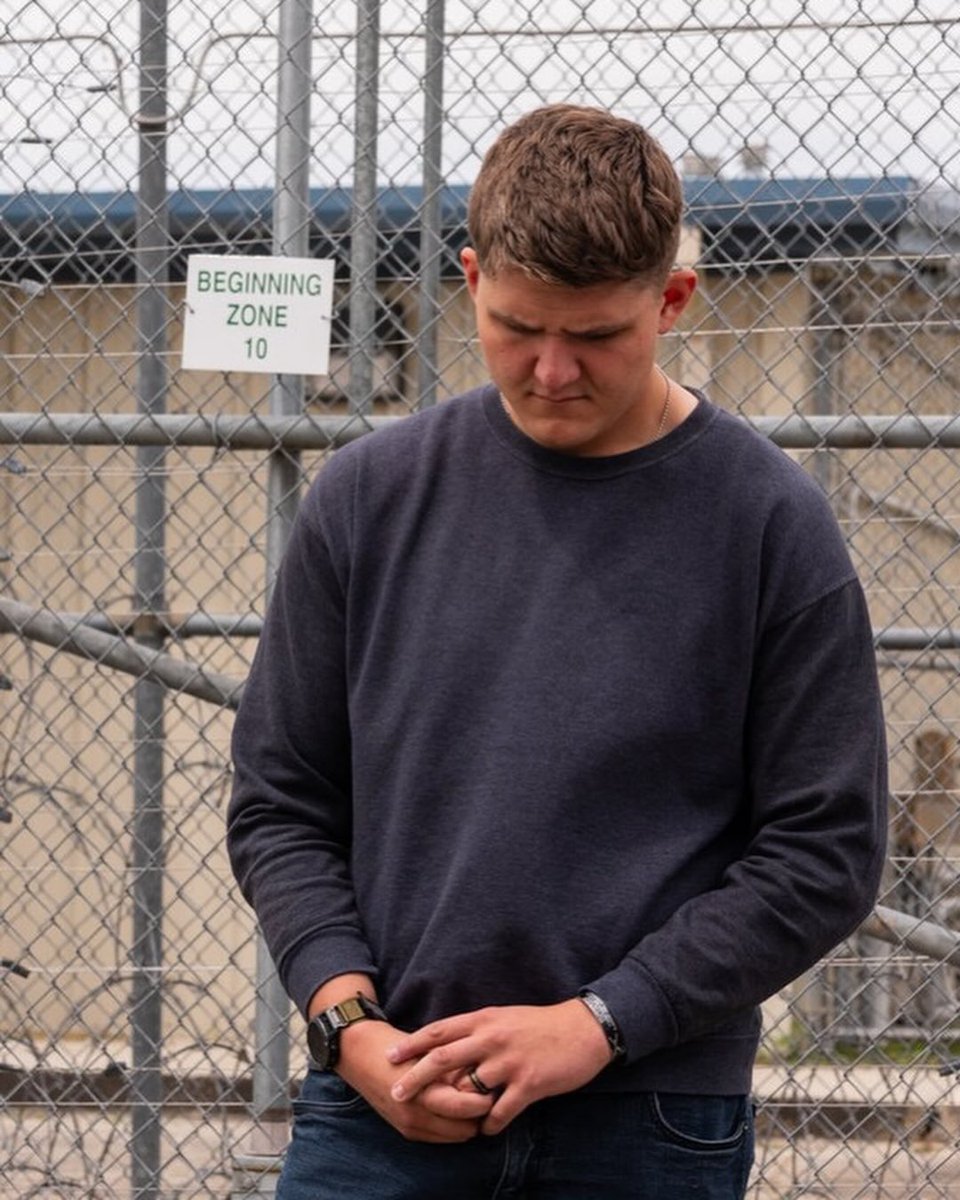
So how exactly does Trump expect U.S. troops to risk their lives for him? There’s a soldier in the U.S. Army who, just last week, arrived at a base in Louisiana with his wife, expecting to start a new life together. However, ICE showed up and detained her—locked her in a cage. She had been brought to the United States when she was a child. ICE arrested Annie Ramos, the newlywed wife of an Army sergeant who is currently training for deployment to the Middle East. She was taken into custody at the very military base where the couple had planned to settle down. (Translated from Weibo) #Iran #USIranWar #IranWar
The Perspectives tweet mediaThe Perspectives tweet mediaThe Perspectives tweet media
English
0
0
0
18