Shreyas Kuchibhotla

371 posts

Shreyas Kuchibhotla banner
Shreyas Kuchibhotla

Shreyas Kuchibhotla

@shreyasknv

Year 4 MEng Biomedical Engineering at Imperial College - Interested in snakes, spiders and centipedes (and their toxins) | Writer | TEDx speaker | Photographer

London, England Beigetreten Ekim 2021
234 Folgt84 Follower
Shreyas Kuchibhotla
Shreyas Kuchibhotla@shreyasknv·
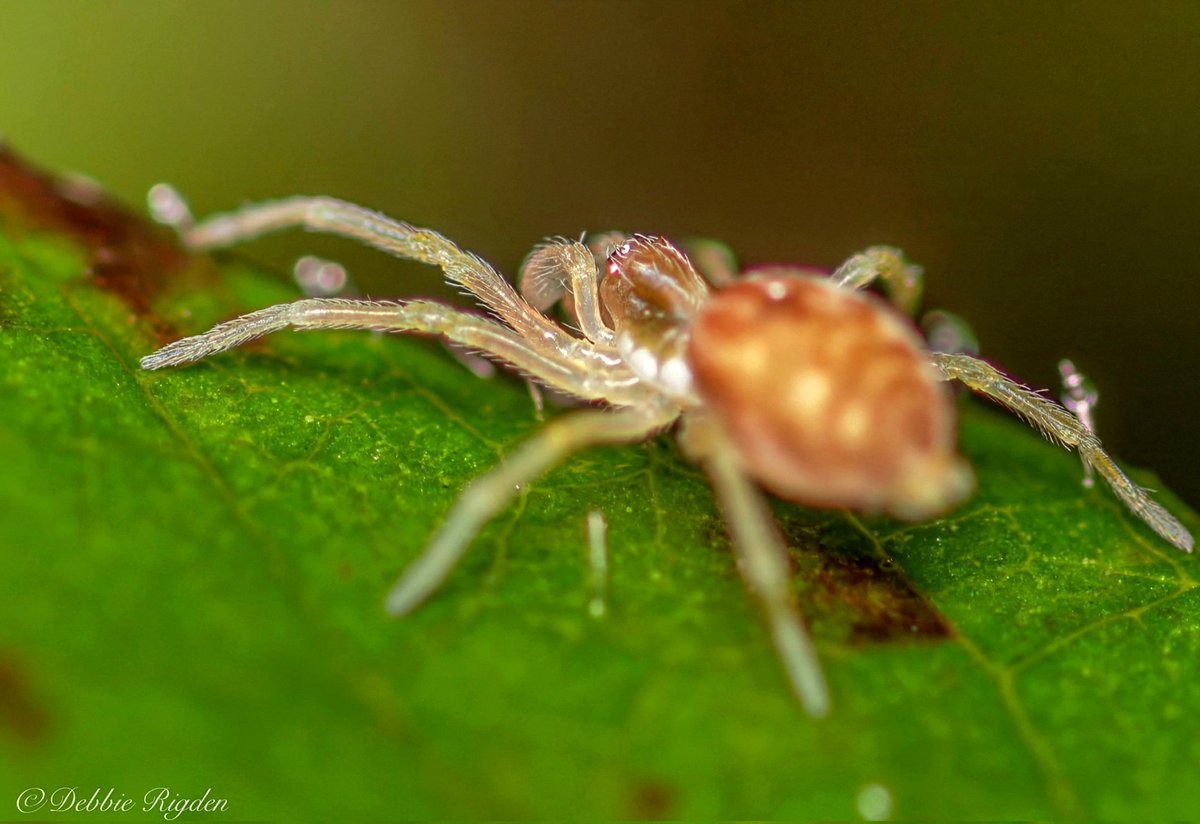
@RigdenDebbie @BritishSpiders @georgecmcgavin I’ve never seen a female/juvenile puella that looked like this. The ‘bleeding heart’ is usually very prominent even in small specimens. This one does look interesting, but having no experience with N. flavescens myself I don’t want to make any assertions here:
English

0
0
1
27
Shreyas Kuchibhotla retweetet
incidental naturalist
incidental naturalist@IncNaturalist·
Sometimes you get a surprise when you look up 🤩 female Wagler’s Pit Viper
incidental naturalist tweet media
English
1
32
301
5.3K
Shreyas Kuchibhotla retweetet
Richard Jones
Richard Jones@bugmanjones·
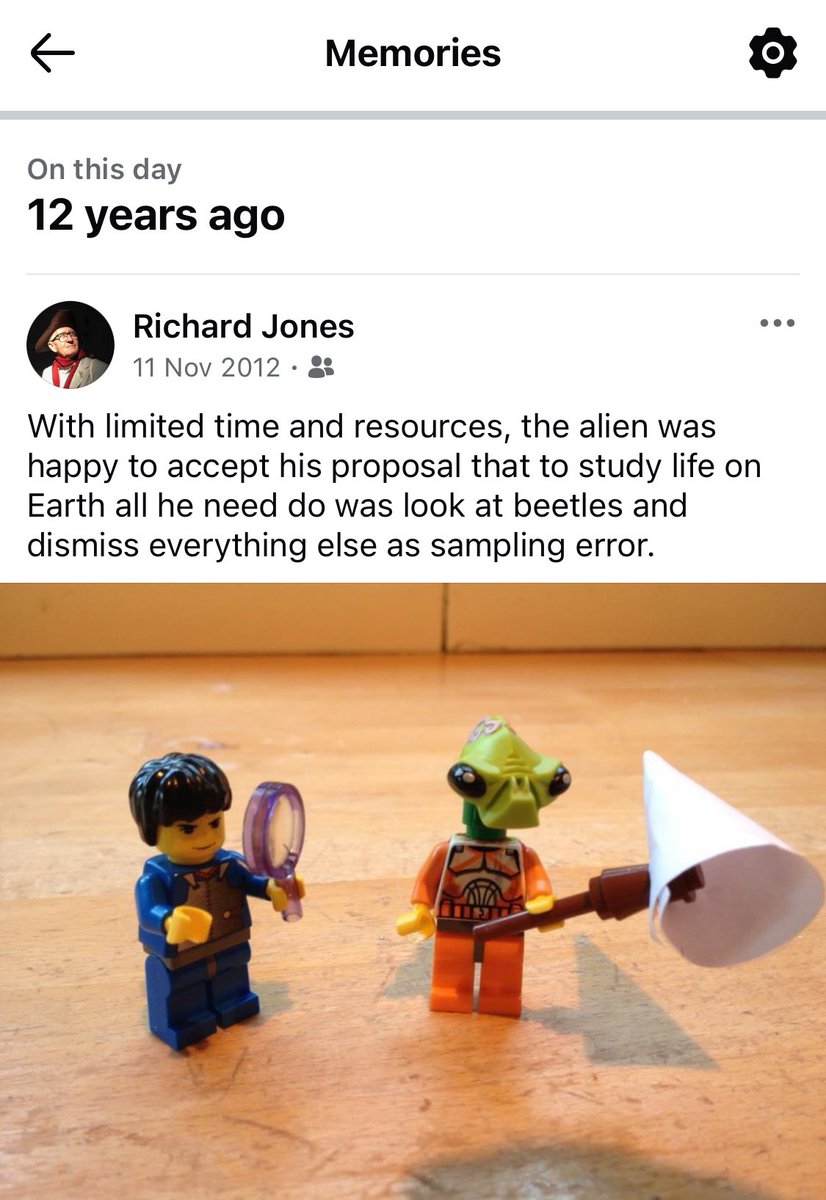
Still valid.
Richard Jones tweet media
English
1
2
11
374
Shreyas Kuchibhotla retweetet
incidental naturalist
incidental naturalist@IncNaturalist·
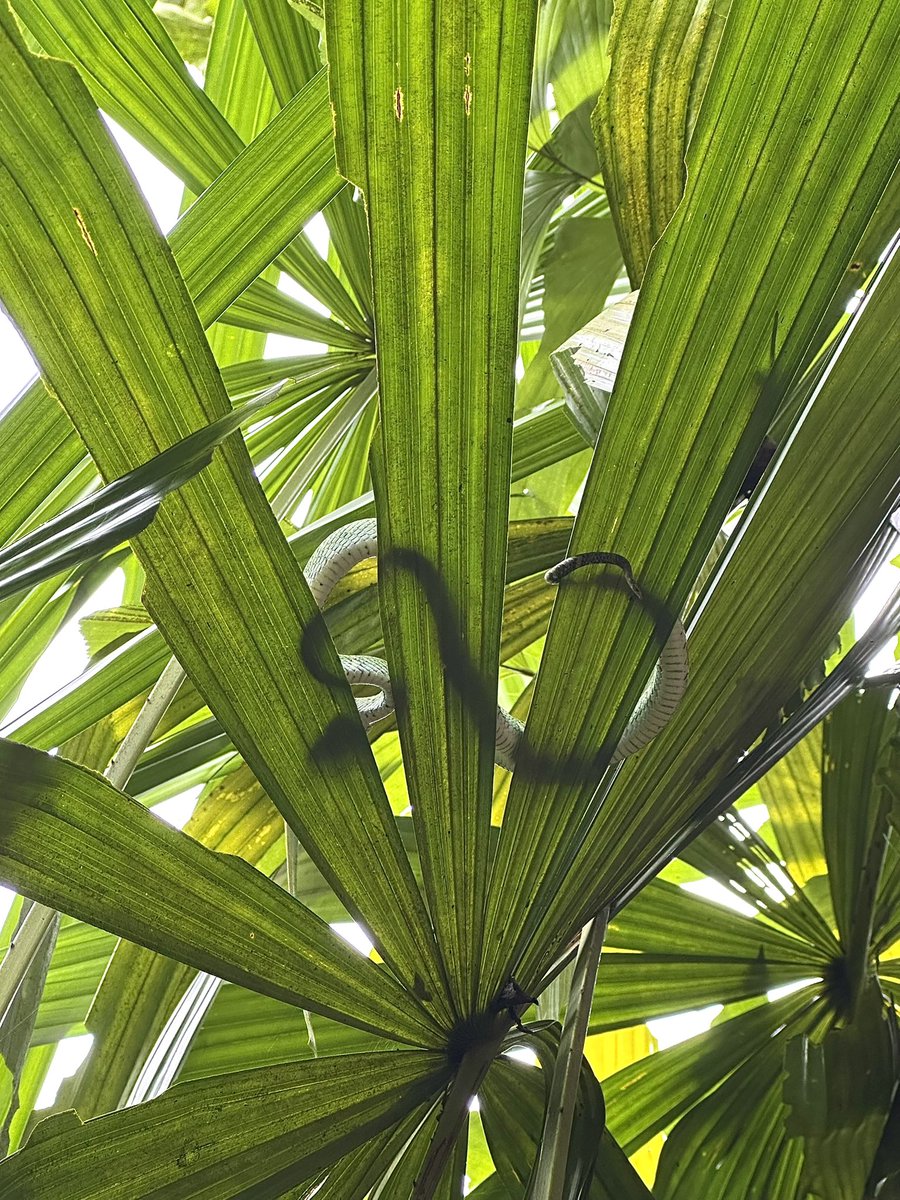
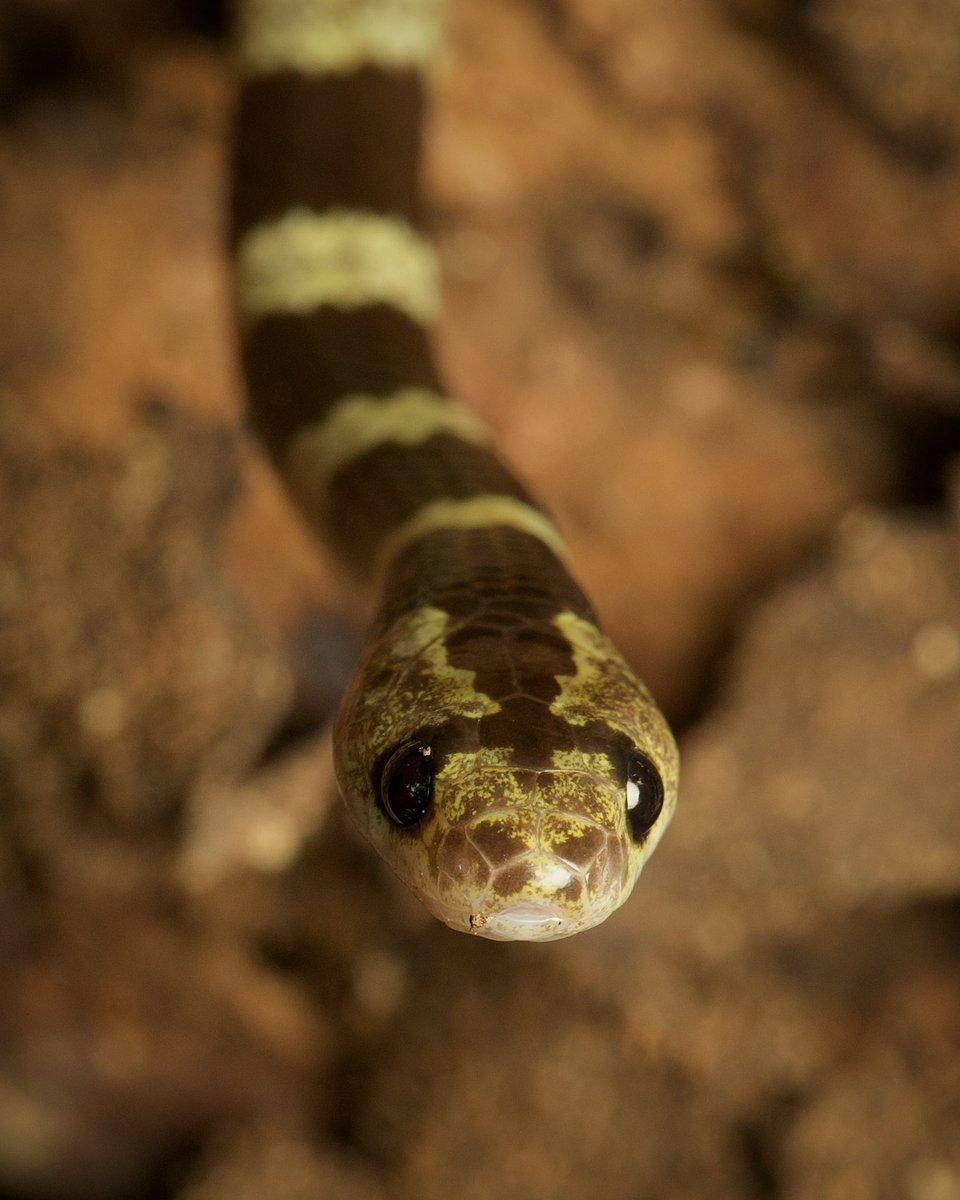
Malayan Bridle Snake (Lycodon subannulatus). This rarely seen harmless little snake was making its way up a tree while checking under each piece of bark for a tasty morsel.
incidental naturalist tweet media
English
3
21
155
2.2K
Tim Jonas
Tim Jonas@TimothyJonas·
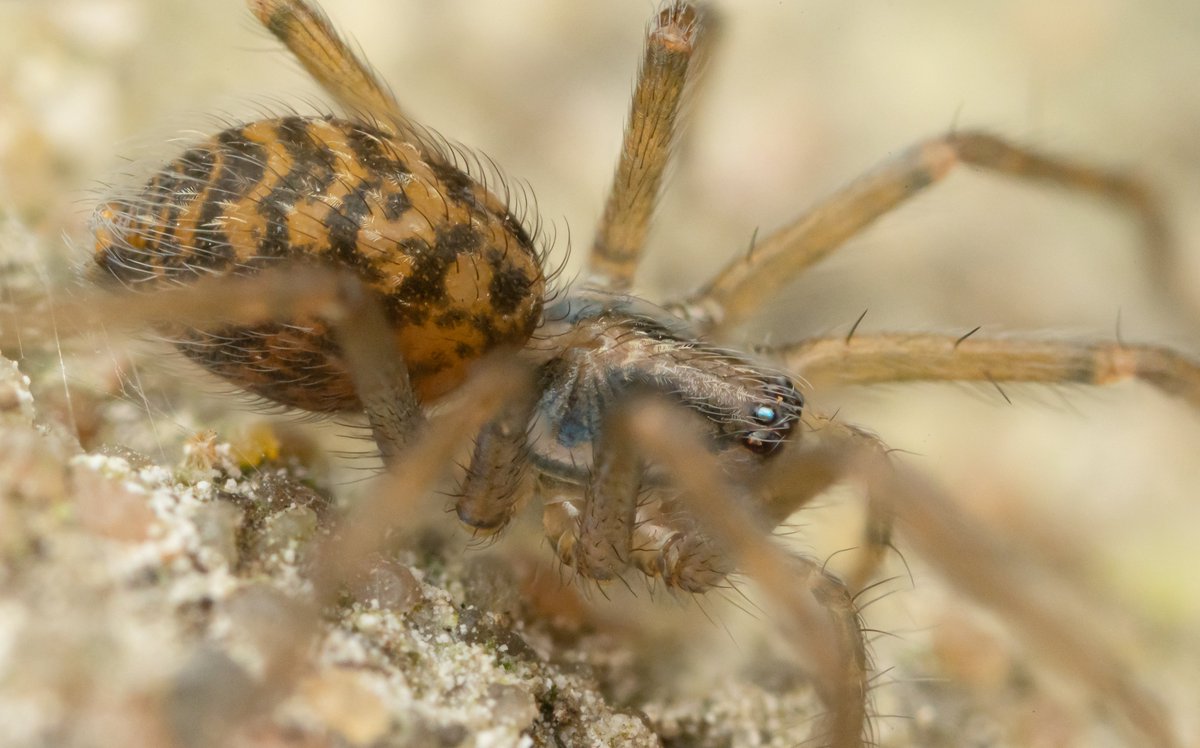
Another little spider, this one I think is Tegenaria sp.
Tim Jonas tweet media
English
1
2
33
1K
monday_spider
monday_spider@MondaySpider·
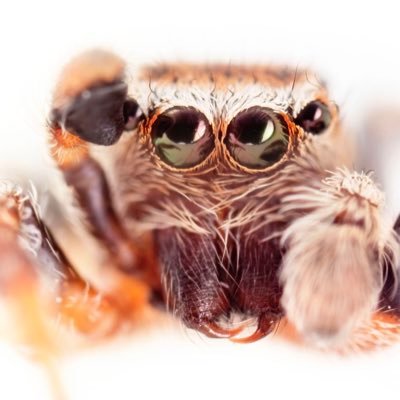
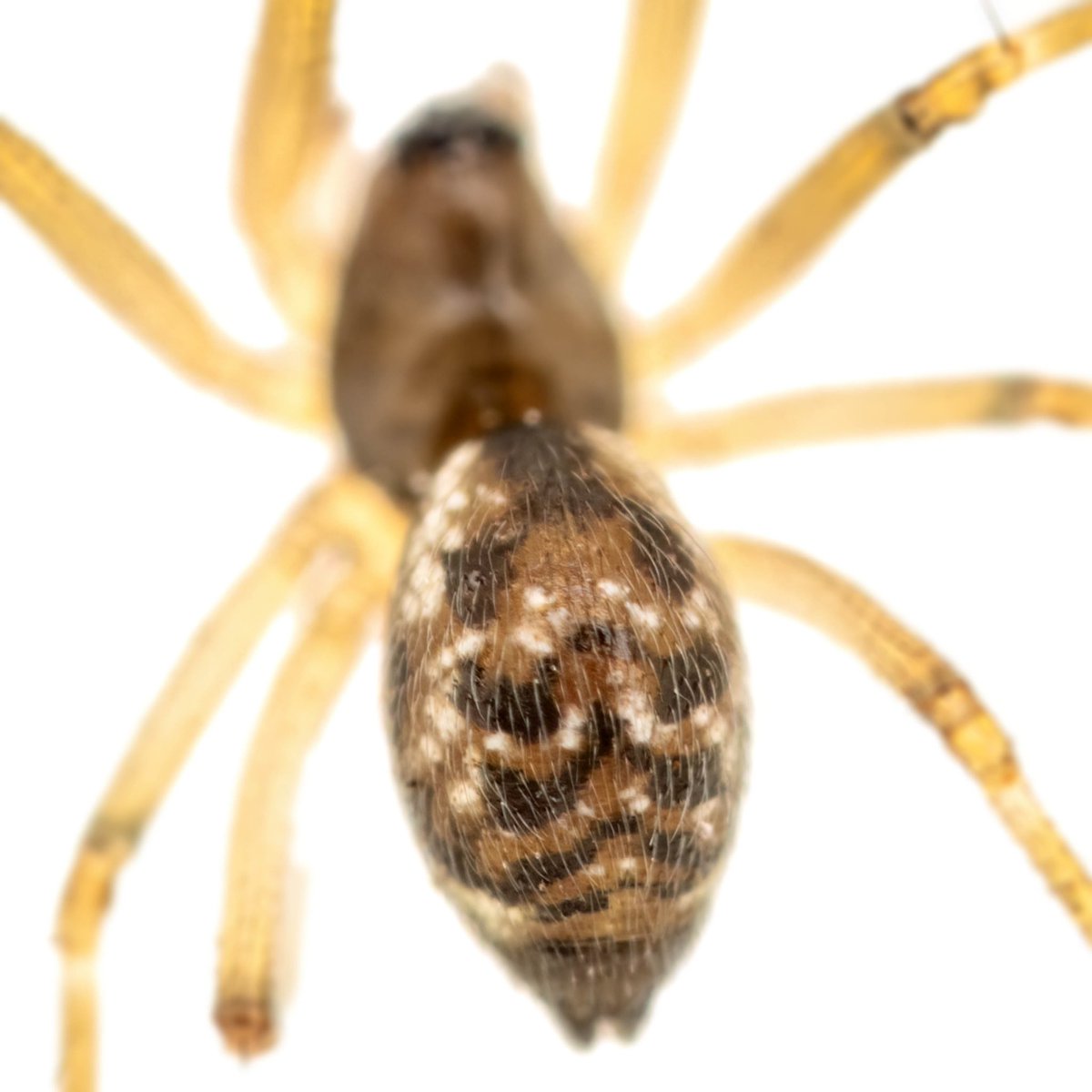
Found a pretty Linyphiid lady in Fort Collins, Colorado, by sifting leaf litter. This is a Tenuiphantes sp. The pattern is similar to Tenuiphantes tenebricola I often see in Finland. But I think it’s another species. Thanks to @ForTheSpiders for ID help and collecting advice!
monday_spider tweet mediamonday_spider tweet mediamonday_spider tweet mediamonday_spider tweet media
English
4
1
18
363
Shreyas Kuchibhotla
Shreyas Kuchibhotla@shreyasknv·
@andydouglas1967 Even movement patterns - Monocephalus often have a start-stop pattern which is markedly different from quite a few similarly sized spiders, for example. Little things you pick up after disappointedly staring at the same epigyne for the 50th time.
English
1
0
2
16
Andrew Douglas
Andrew Douglas@andydouglas1967·
@shreyasknv I'll know in future when I see it. I've always tended to look at the table and then jump to the pictures in Roberts, ignoring other features like eyes ,habitus etc. Lots to learn about id'ing linys. Fun though.
English
2
0
1
41
Andrew Douglas
Andrew Douglas@andydouglas1967·
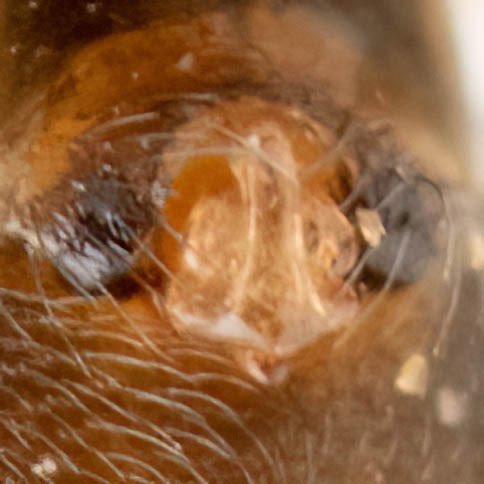
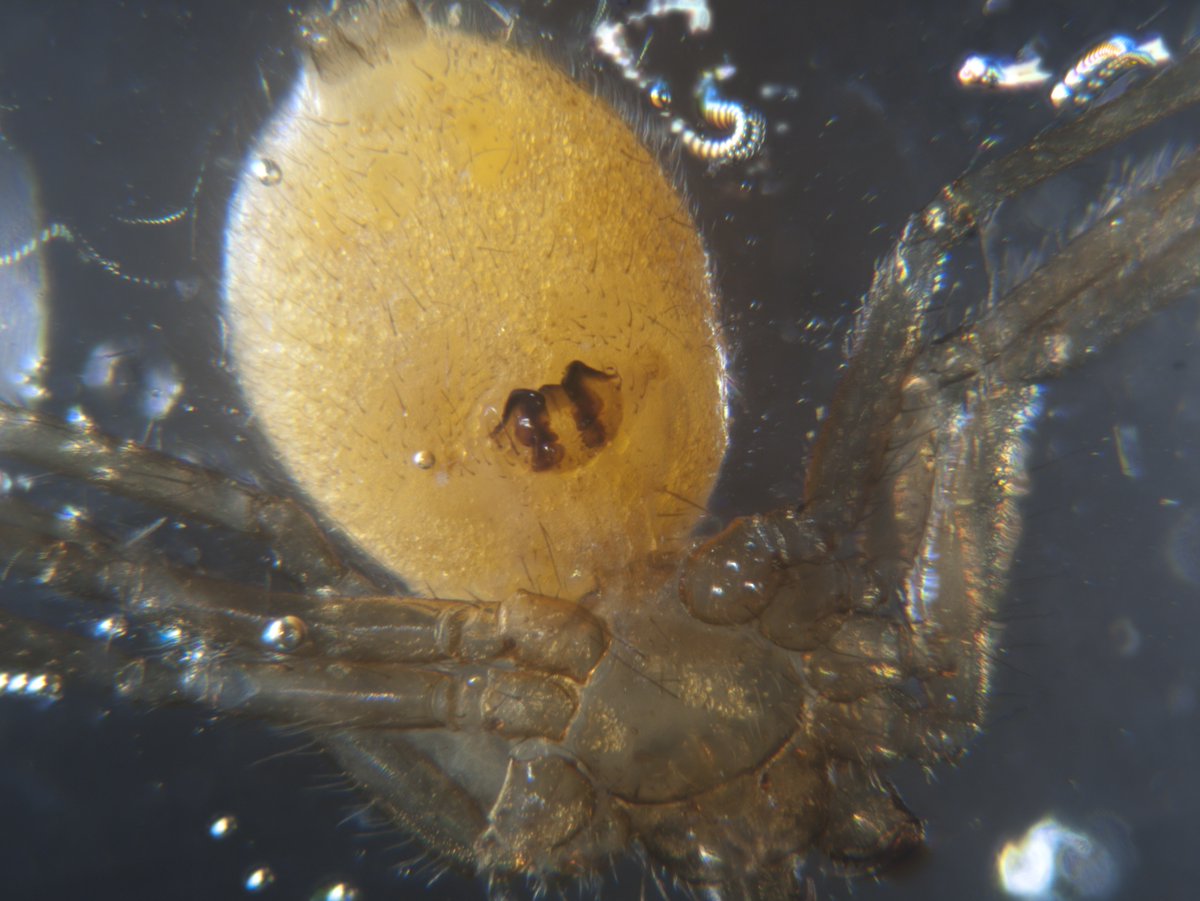
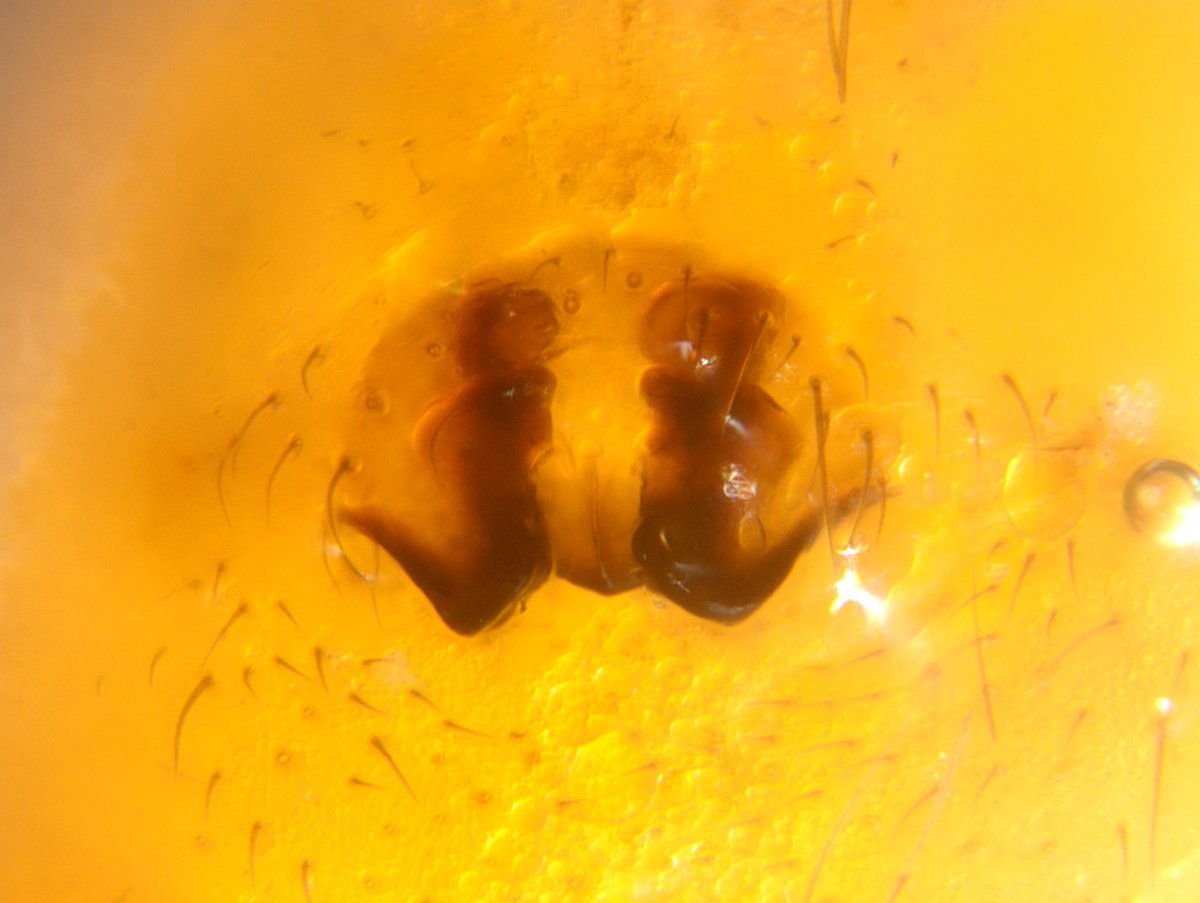
I found this non-TmIV spider at Ringstead, which had a hard cap over the epigyne. I know this can happen with Prinerigone, so it was going to go in the spreadsheet at that. But after a nights soak in KOH, I managed to prise the cap off, and it's Mermessus trilobatus again.
Andrew Douglas tweet mediaAndrew Douglas tweet mediaAndrew Douglas tweet mediaAndrew Douglas tweet media
English
2
1
5
123
Shreyas Kuchibhotla
Shreyas Kuchibhotla@shreyasknv·
@andydouglas1967 Locket and Millidge go a bit more into detail with habitus than Roberts, if you want to get started - but most of what I can tell in the field is from personal experience (admittedly, quite limited in sample size).
English
0
0
1
17
Shreyas Kuchibhotla
Shreyas Kuchibhotla@shreyasknv·
@andydouglas1967 It’s gotten to the point where if I find one of those mating plugs on a specimen, I’m almost certain it’s going to be this. Those huge and closely-set PMEs are also a giveaway.
English
1
0
2
41
Shreyas Kuchibhotla retweetet
CIDER
CIDER@M_religiosa·
CIDER tweet media
ZXX
5
161
1.2K
19.9K
Shreyas Kuchibhotla
Shreyas Kuchibhotla@shreyasknv·
The appreciation I have for this genus is rather unrequited!
Marc A. Milne@ForTheSpiders

#Arachtober 30th is Walckenaeria day, so get ready! Walckenaeria is a the second largest linyphiid genus in North America, with 68 species. There are 199 species in the world! As you can imagine, there are many diverse forms in Walckenaeria. I'll explain a few.

English
0
0
5
101
Andrew Douglas
Andrew Douglas@andydouglas1967·
@shreyasknv @BritishSpiders @BerryTylan I think that's probably right - I haven't really looked at the various Tenuiphantes habituses (habitae?). I don't think this is tenuis though, is it? In my second palp photo, the right hand tooth is just a shadow I think. I need to spend more time looking at the spiders I think.
Andrew Douglas tweet media
English
1
0
1
39
Andrew Douglas
Andrew Douglas@andydouglas1967·
Tenuiphantes zimmermani. Probably. Well, maybe. Who knows? Oh god, I hate Tenuiphantes. I'm sure it's zimmermani. Isn't it?
Andrew Douglas tweet media
English
1
0
1
84
Shreyas Kuchibhotla
Shreyas Kuchibhotla@shreyasknv·
@alicebw4 I don’t think T. pedestris can be considered coastal - I’ve found it in all sorts of habitats including woodland.
English
1
0
1
24
Alice Prentice
Alice Prentice@alicebw4·
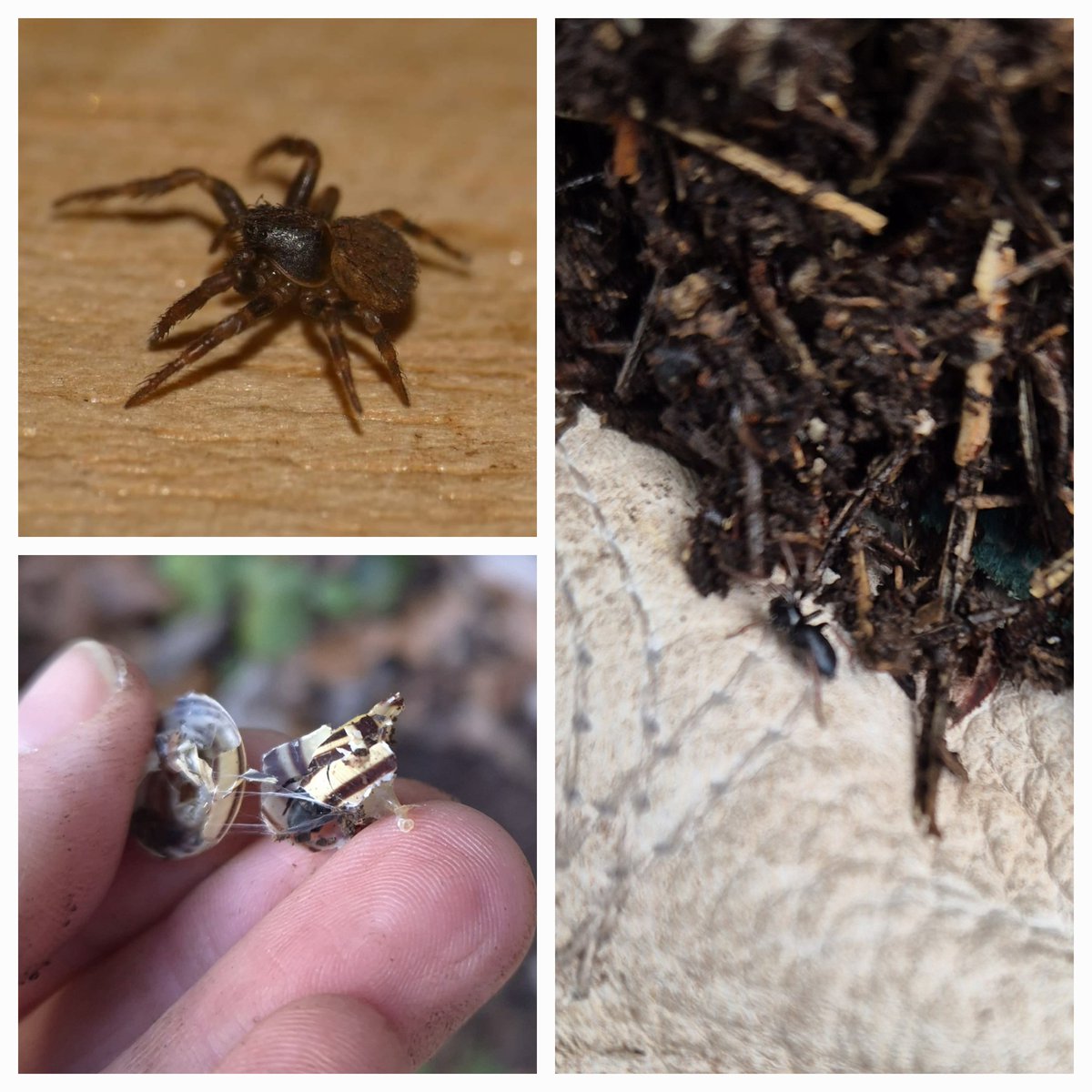
Again you might ask why this is interesting. Well T. pedestris is also a coastal species. What's it doing in the deep dark woods? I have found it both in the ant hill, but also hiding away in old snail shells, which Zelotes also do!
English
3
0
1
26
Alice Prentice
Alice Prentice@alicebw4·
Z is for Zelotes I have to admit to not being quite as interested in Zelotes (Gnaphosidae family). Whilst it's good to find new species, I really love watching spider behaviour and it's a lot easier for me to do that with species that live in and around my home. #Arachtober
Alice Prentice tweet media
English
3
5
19
693
Shreyas Kuchibhotla retweetet
@jtchi.bsky.social
@jtchi.bsky.social@TchilinguirianJ·
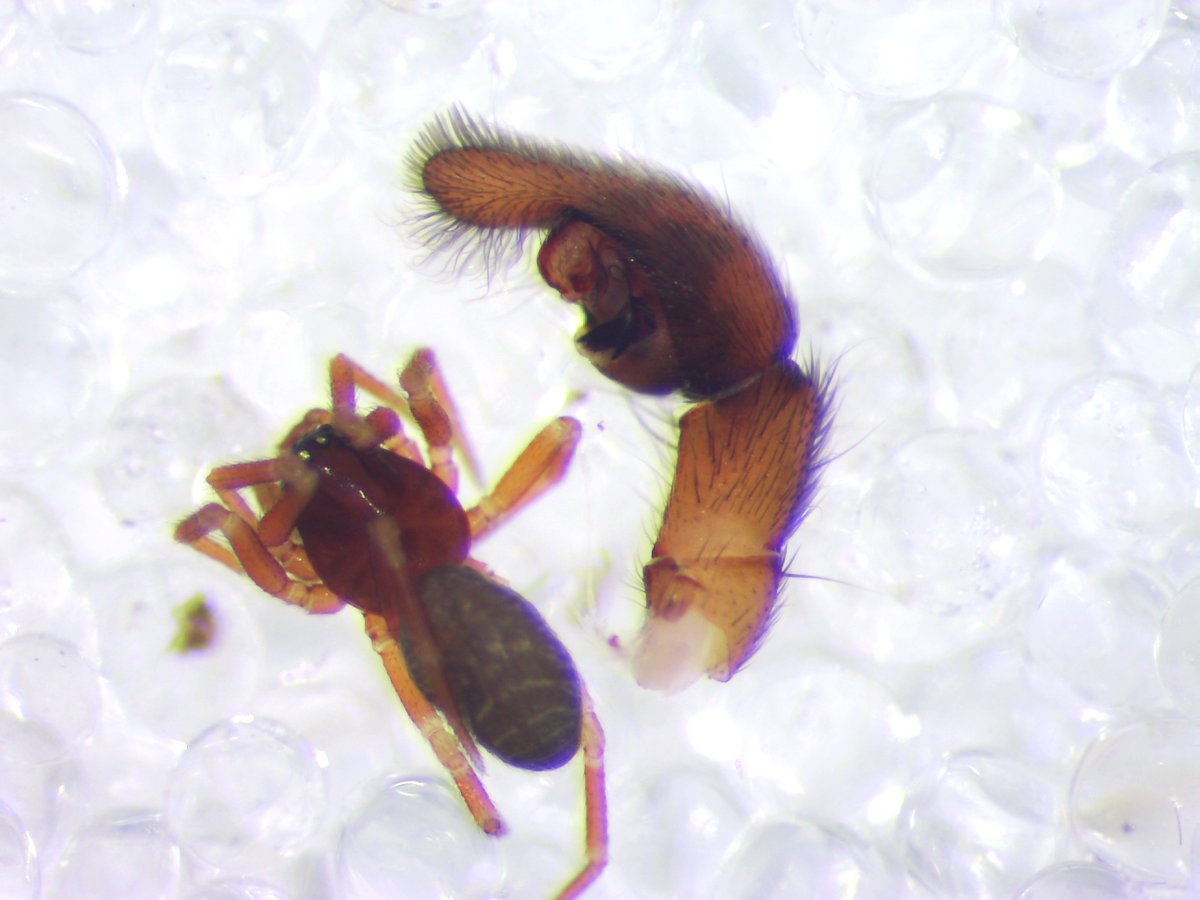
Microctenonyx subitaneus (Linyphiidae) next to a Trochosa terricola (Lycosidae) pedipalp :)
@jtchi.bsky.social tweet media
Română
2
3
13
1.5K
Shreyas Kuchibhotla retweetet
incidental naturalist
incidental naturalist@IncNaturalist·
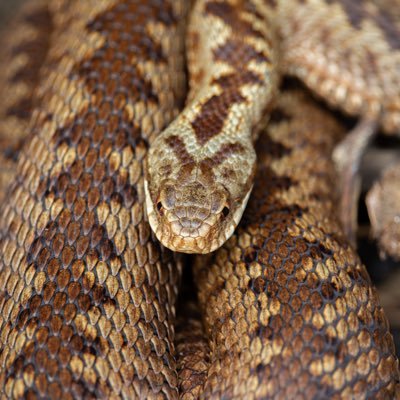
A gorgeous Paradise Tree Snake watching the world go by.
incidental naturalist tweet media
English
1
36
252
3.7K
Shreyas Kuchibhotla
Shreyas Kuchibhotla@shreyasknv·
@KalaKemangga The faint white radial markings on the carapace also match. Nice find! What was the habitat?
English
1
0
0
15