@impression_ists It’s «The Day After» or «dagen derpå» in Norwegian: nasjonalmuseet.no/en/collection/…
Dansk
Markus W
88 posts



For over a century and a half, The New York Times have defined what quality journalism looks like. Built on a print model that endured wars, crises, and generations of ownership, it became one of the world's most influential newspapers. Then came the internet and the question of whether a newspaper could survive without print. Edge #77: The New York Times Company $NYT
















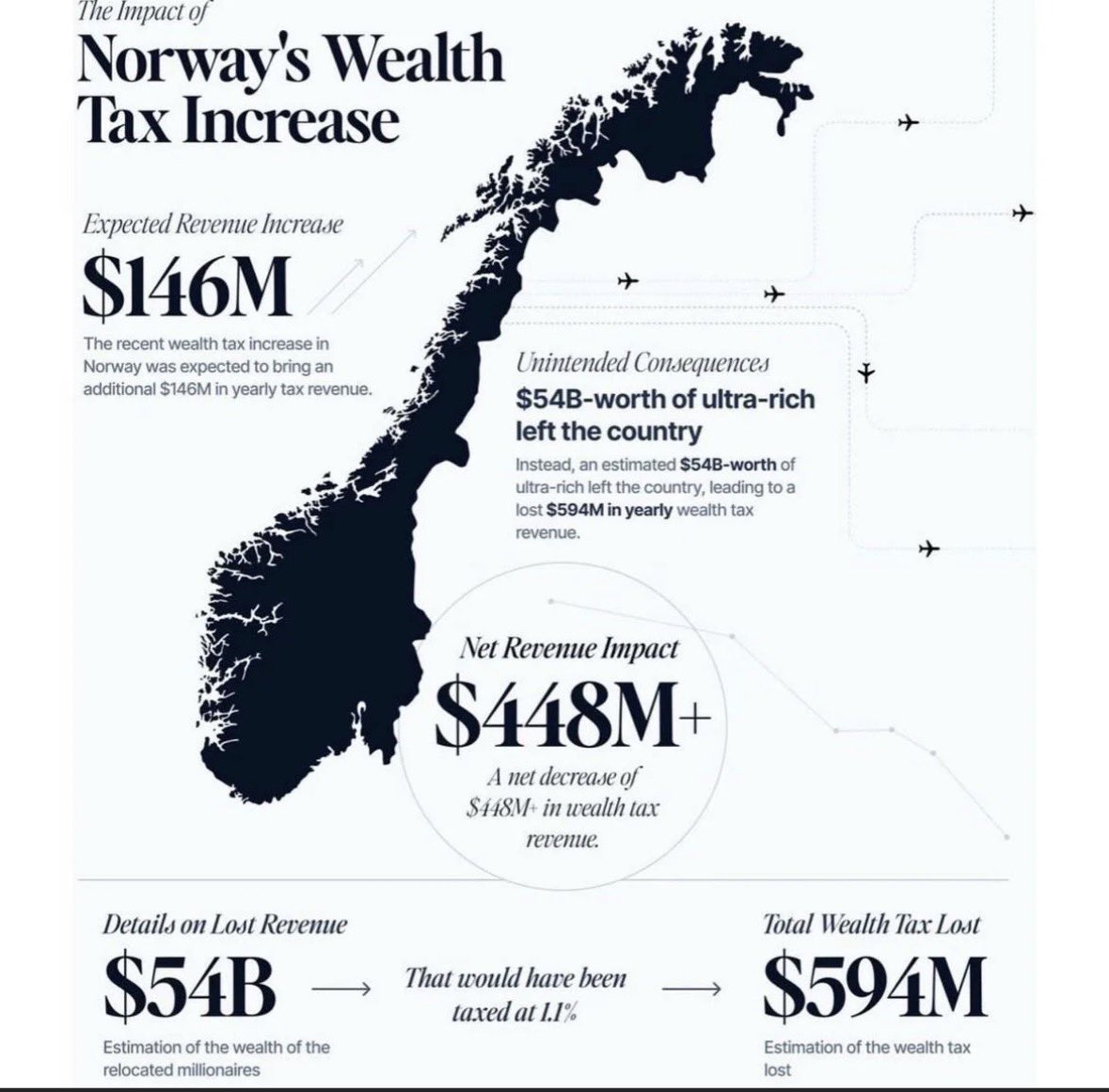
@FredrikHjelm4 Numbers don't lie. When the 'exit' costs less than the 'stay,' people leave. Norway’s experiment is a textbook case of how well-intentioned policies can backfire when they ignore global mobility…
Sweden: we are a high-tax socialist country, everyone contributes, we take care of each other The income tax story is real. Starts at 30%, hits 55% at the top, add employer social fees at 31.4% and you're north of 65% fully loaded on senior salaries Also Sweden: >inheritance tax abolished 2004 >gift tax abolished 2004 >wealth tax abolished 2007 >property tax capped at $900/year regardless of what your home is worth >no tax on unrealized gains >borrow against your holdco personally and live on the loan tax free >capital gains at 20-30%, only when you actually take money out >ISK accounts (think Roth IRA but works for unlisted assets too, no capital gains tax on the inside) I spent years believing the story. Running a company and making some money changed it The big families didn't build dynasties despite the tax system. They built it, across Social Democrat and centre-right governments alike, because the rules never changed when the party did I ran the California comparison. Top income is similar pain, roughly 50% combined. But California taxes capital gains as ordinary income, around 37% combined. Federal estate tax hits 40% above $14M. Sweden is more capital-friendly than California in almost every category that matters for building generational wealth The story Sweden tells about itself is not the real story. It punishes labor and protects capital, same as everywhere else. Just with better parental leave so nobody complains Look, the low capital taxes are actually good policy. Abolishing inheritance tax brought capital back and the data supports it. But the gap between how labor and capital get taxed is hard to justify on fairness grounds. A flatter, more harmonized rate between the two would be simpler and more honest It would also save the country billions of hours in admin overhead, for individuals navigating the rules and for the civil services enforcing them Why not just do a flat level across? Seems easier