Pinned Tweet

ʙʟᴀᴄᴋ ʀᴏᴏᴛ ꜱᴄɪᴇɴᴄᴇ
3.3K posts

@BlackRotScience
ɪ ᴘᴏsᴛ ɪɴᴛᴇʀᴇsᴛɪɴɢ ʜɪsᴛᴏʀʏ,ᴀʀᴛs,ᴀʀᴛᴇғᴀᴄᴛs,sᴄɪᴇɴᴄᴇ, ᴅɪsᴄᴏᴠᴇʀɪᴇs,ᴘʟᴀᴄᴇs,ɴᴀᴛᴜʀᴇ, SPORTS ғᴀᴄᴛs,ɢᴀᴅɢᴇᴛs,ᴛʀᴇɴᴅs, ɴᴇᴡs,sᴛᴏʀɪᴇs ᴀɴᴅ ᴍᴀɴʏ ᴍᴏʀᴇ. @Blackrotscience









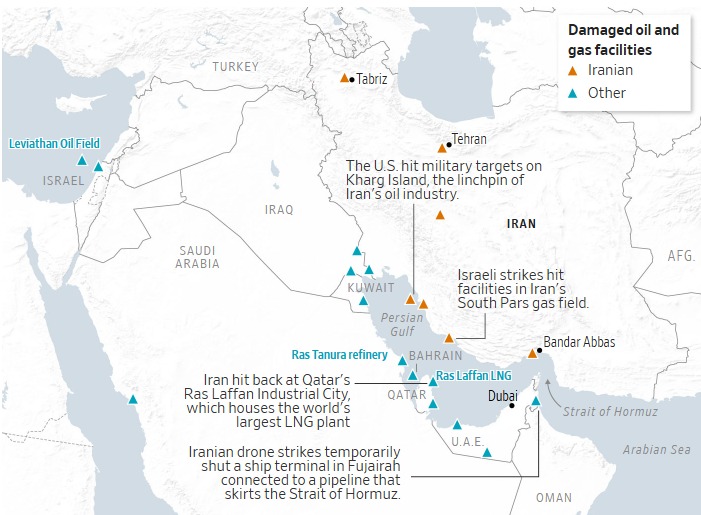
🚨🇮🇷🇺🇸 As the war drags into week three, Iran's choke point isn’t just oil, it’s the internet running under it. The Strait of Hormuz and Red Sea carry cables powering banking, AI, and basically your entire online life… and they’re now sitting in a live fire zone. Why this matters: you don’t need to blow up cities to cause chaos, just slow the data, and everything else follows. Because if those cables go down, it’s not just a regional problem. Source: Reuters



🚨🇺🇸🇮🇷 The U.S can't replace its own destroyed radars because Iran just choked off the minerals needed to build them. West Point just published an analysis showing sulphur trade through the Strait of Hormuz is nearly dead, and sulphur is what you need to extract copper and cobalt from ore. Those metals go into everything from microprocessors to jet engines to the explosives in missiles. It'll take over 30,000 kg of copper just to replace the two major radars Iran destroyed in Bahrain and Qatar. At least 9 radars have been targeted across the region. The damage status of each is still unknown. The cost could be in the hundreds of millions of dollars. In the meantime, sulphur prices have spiked 165% year over year. This is huge because only 6% of US defense contractors have transparent supply chains, so military planners are just now realizing they can't actually manufacture their way out of this war. A West Point analyst warns it could cost double or more than before the war to replace destroyed weapons, assuming markets can even provide enough minerals at all. Source: Guardian, ABC News



🇮🇷 Iran’s women’s national team returned from Australia and were welcomed with an official ceremony in Tehran. A rare non-conflict moment making headlines. Nice change of pace for once.