Pinned Tweet

「日常」と「医療・介護」のあいだをつなぐ ~スタートウェルが果たした静かな役割~
Bridging “Everyday Life” and “Medical and Long-Term Care”
— The Quiet Role STARTWELL Has Played —
※English version follows below
先日、島嶼部にお住まいの二人の利用者さまが、スタートウェルの利用を終え、地域包括支援センターにつながりました。男性は76歳、約3年半のご利用。女性は82歳、約4年のご利用でした。いずれも認知症の発症により日常生活に支障が生じ、医療・介護保険サービスへの移行が必要になったことがきっかけでした。
お二人に共通していたのは、身寄りのない独居であること、運転免許の返納を境に認知機能の低下が目立ち始めたこと、そして人との関わりをあまり好まれない性格であったことです。島嶼部という地理的条件も重なり、「困りごとがあっても相談先が見つからない」「受診や手続きのハードルが高い」といった状況に陥りやすい環境でした。
もし、スタートウェルの利用がなかったとしたら。体調や生活の変化が見過ごされ、受診の遅れや事故・孤立のリスクが高まっていた可能性は否定できません。特に、免許返納後の移動制約は、通院や買い物、行政手続きへのアクセスを一気にむずかしくします。結果として、支援につながる前に状態が悪化してしまう。これは日本各地で、これから確実に増えていく高齢者像でもあります。
スタートウェルは、医療や介護が「必要になる前後」のグレーゾーン、すなわち日常生活と医療の隙間を埋める役割を担ってきました。定期的な見守りと対話、生活データの把握、ちょっとした変化への気づき。そうした積み重ねがあったからこそ、状態の変化を早期に捉え、無理のない形で地域包括支援センターへとつなぐことができました。サービスの解約は「終わり」ではなく、「次の適切な支援への橋渡し」であると考えています。
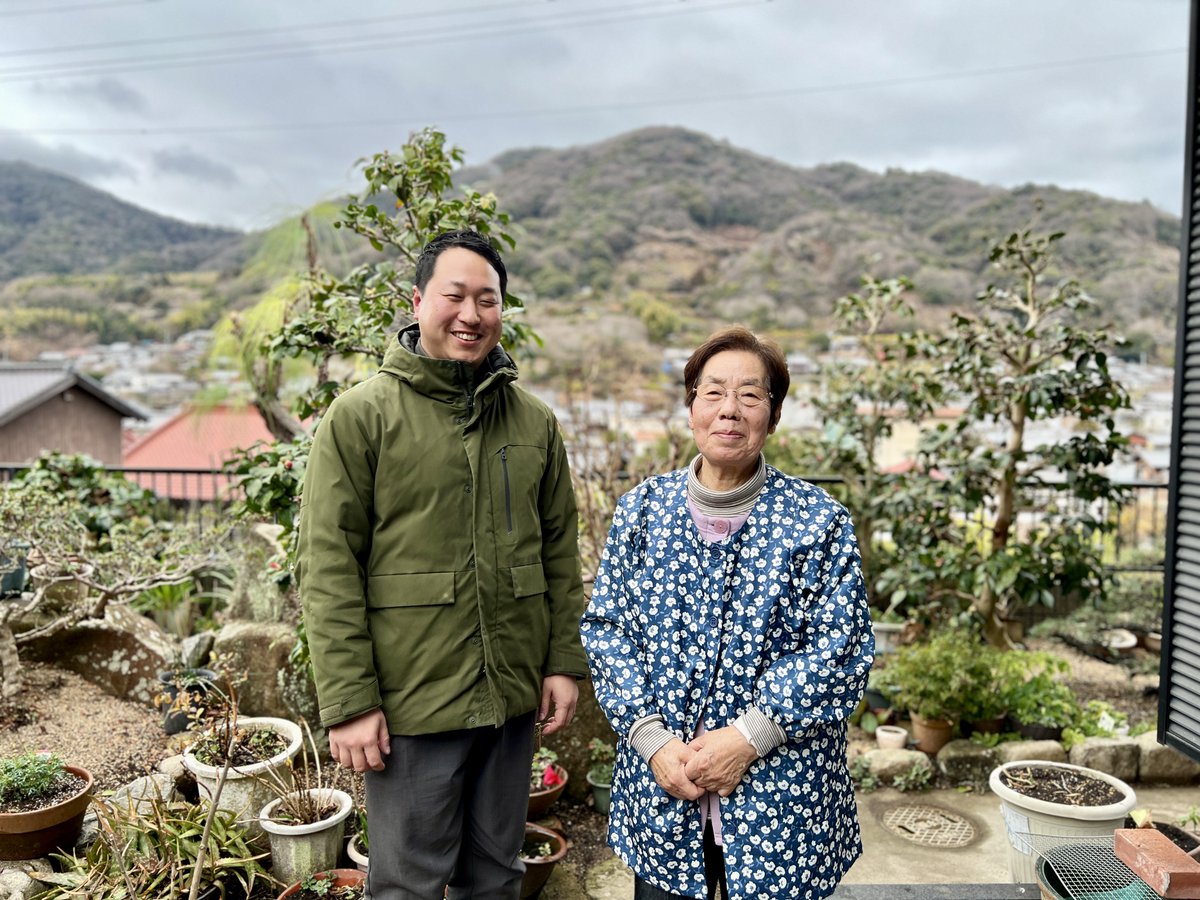
最近実施したユーザーインタビュー(画像右のお客様)でも、私たちは確かな手応えを得ました。「何かあったときに相談したい」「人と会いたい」「頼れる人が近くにいて安心」。これらの言葉は、お世辞ではなく、日常の実感として語られたものです。人と距離を置きがちだった方々にとっても、“ちょうどよい関係性”が、安心の土台になっていたことが伝わってきました。
日本は今後、独居高齢者がさらに増え、医療・介護の入口にたどり着く前の支援の重要性が一層高まります。スタートウェルは、派手な医療行為を行うサービスではありません。しかし、日常のそばで静かに伴走し、必要なときに確実に次の支援へつなぐ。その積み重ねこそが、本人の尊厳と地域の持続性を守る力になると、今回の二つの事例は教えてくれました。
「日常」と「医療・介護」のあいだを、誰も取り残さずにつなぐこと。これからも私たちは、その役割を丁寧に果たし続けていきます。
※The English version starts below
Two users living in island communities have now completed their use of STARTWELL and have been connected to their local Community Comprehensive Support Centers. The man is 76 years old and used the service for about three and a half years. The woman is 82 years old and used it for approximately four years. In both cases, the onset of dementia began to interfere with their daily lives, which made it necessary for them to transition to medical and long-term care insurance services.
What they had in common was that both lived alone without close family, that a decline in cognitive function became more noticeable after they returned their driver’s licenses, and that neither was particularly inclined to engage with other people. Combined with the geographical conditions of living on remote islands, they were in an environment where it was easy to fall into situations such as “not knowing whom to consult even when problems arise” and “facing high hurdles to medical visits and administrative procedures.”
If they had not been using STARTWELL, it is hard to deny the possibility that changes in their health and daily lives might have gone unnoticed, increasing the risks of delayed medical visits, accidents, and social isolation. In particular, restrictions on mobility after giving up a driver’s license make access to hospitals, shopping, and administrative services suddenly much more difficult. As a result, their conditions could have worsened before they were connected to appropriate support. This is also a picture of aging that will certainly become more common across Japan in the years to come.
STARTWELL has played a role in filling the gray zone “before and after” medical and long-term care become necessary—in other words, the gap between everyday life and medical care. Regular check-ins and conversations, an understanding of daily-life data, and noticing small changes. It was precisely because of these steady efforts that we were able to detect changes in their conditions early and connect them, in a natural and timely way, to their local Community Comprehensive Support Centers. We see the termination of the service not as an “end,” but as a “bridge to the next appropriate form of support.”
Through recent user interviews, we have also gained a strong sense of confidence. “I want someone to consult when something happens,” “I want to meet people,” “It’s reassuring to have someone reliable nearby.” These words were not mere politeness; they were spoken as genuine reflections of everyday experience. Even for those who tended to keep their distance from others, we could clearly see that a “just-right relationship” had become a foundation of reassurance.
In Japan, the number of older adults living alone will continue to increase, and the importance of support before people reach the formal entry points of medical and long-term care will grow even further. STARTWELL is not a service that provides dramatic medical interventions. However, by quietly walking alongside people in their daily lives and reliably connecting them to the next stage of support when needed, these steady efforts can protect both personal dignity and the sustainability of local communities. The two cases described here have taught us exactly that.
Connecting “everyday life” and “medical and long-term care” without leaving anyone behind. We will continue to fulfill this role with care and commitment.
日本語