
Pinned Tweet
𝙿𝚁𝙰𝙳𝙰
4K posts




@lab123456788 @Maxy_aura Elles était 2 ta mère et ta sœur et je me suis bien amusé
Français

@DekiPrada @Maxy_aura Tu t es fais niquer par combien d albanais pour que tu aies autant de haine en toi grosse merde raciste.
Français


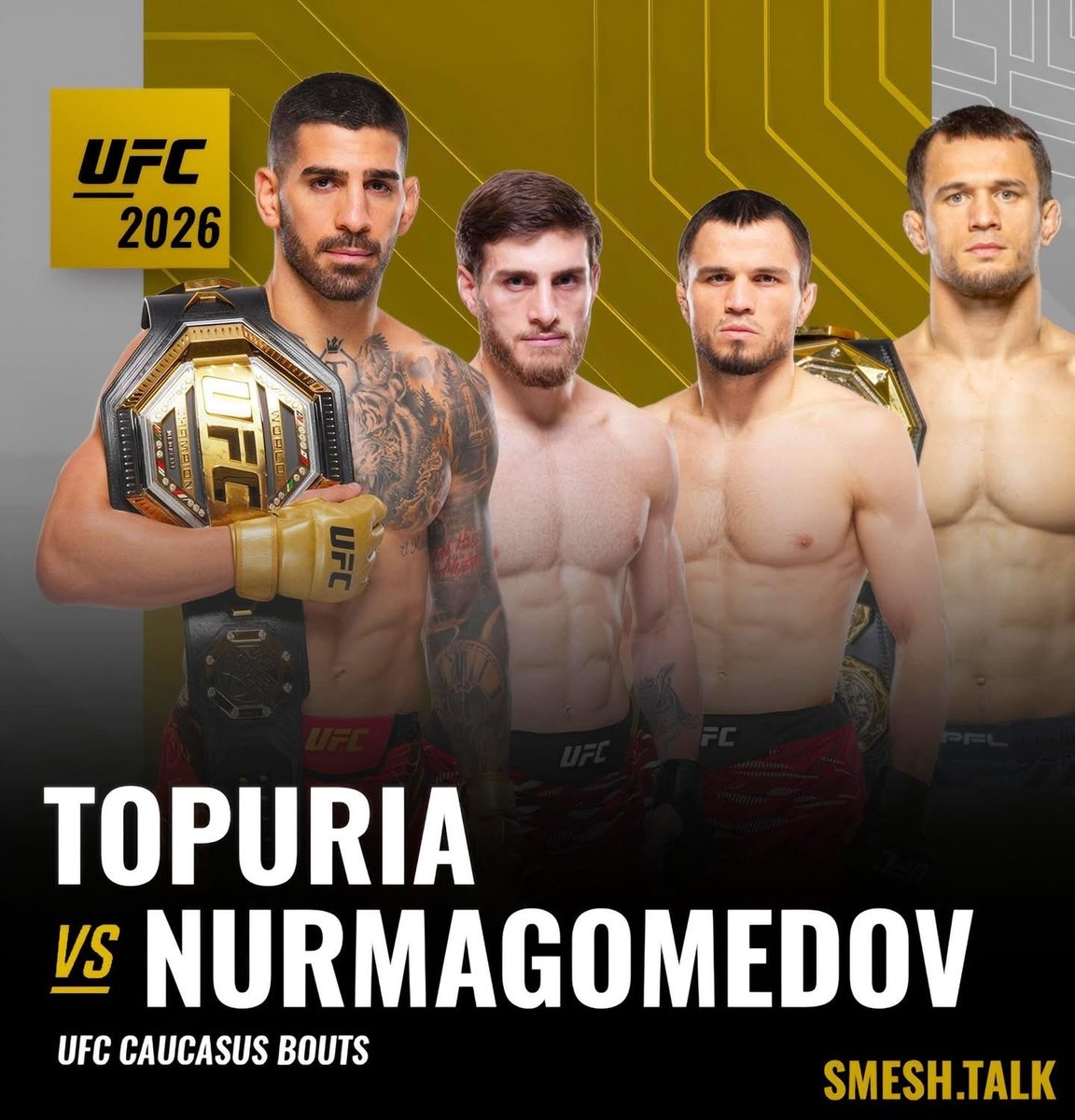
Imagine the UFC signs Usman Nurmagomedov. They have to put these two fights on same card. Ilia vs Usman for the Lightweight belt and Aleksandre vs Umar at Bantamweight. 🔥👊🏻
English

i know Ilia is much better than Morales but at some point, the size and strength difference is too much and i think it would be here.
MY COM@MYCOM100
"Topuria will do great at WW" 🤣 Morales would mop the floor with Ilia if this fight ever happens.
English
@ZenuniB @uoffence_tr @DailyTurkic Listen if Slavic people weren’t there your people would stay at prehistoric era and will be walksoged by Nordic people / Arabs people and Ottoman people . So be grateful that we occupied your territory for your good
English

@DekiPrada @uoffence_tr @DailyTurkic Albanians we're there before any of you. You people are so delusional its funny 😀
English

Kosovo will approve the Financial and Military Cooperation Agreement with Türkiye tomorrow.

English
@ahmetyilmazz08 @endritdhomii This guy is albania who act like a Kurd . Albanian fake account
GIF
English


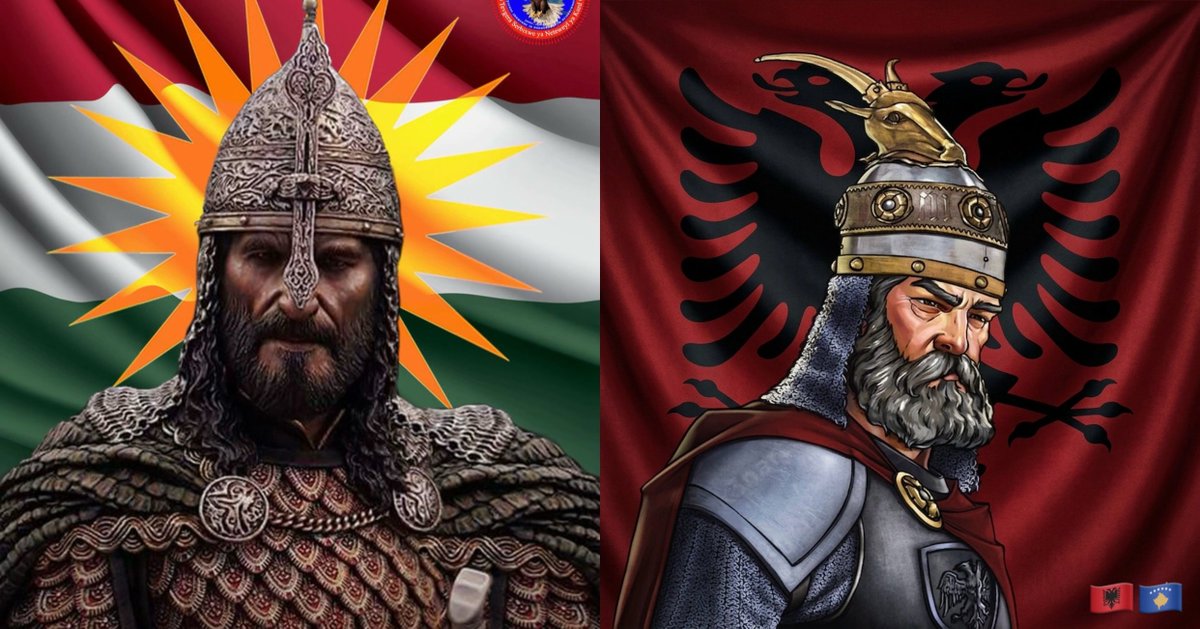

Something tells me the Kurdish will erect a statue of me when they get their state.
Preminger Endrit Dhomi 🇦🇱@endritdhomii
Free Kurdistan and Fuck Turkey back to Siberia
English
@endritdhomii You Albanians are such a shitty bastard nation you know that . 2 weeks ago you were talking bad about Kurds and supporting Turkey .
GIF
English


@SlaughSiro @Maxy_aura Ah ok donc c’est des chihuahua alors, je comprends mieux pourquoi vous aimez tant vous mettre à 4 pattes

Français

@hamilton_yao C’est 100% un troll car j’ai jamais. Vue des être vivants aussi cons que ca
Français

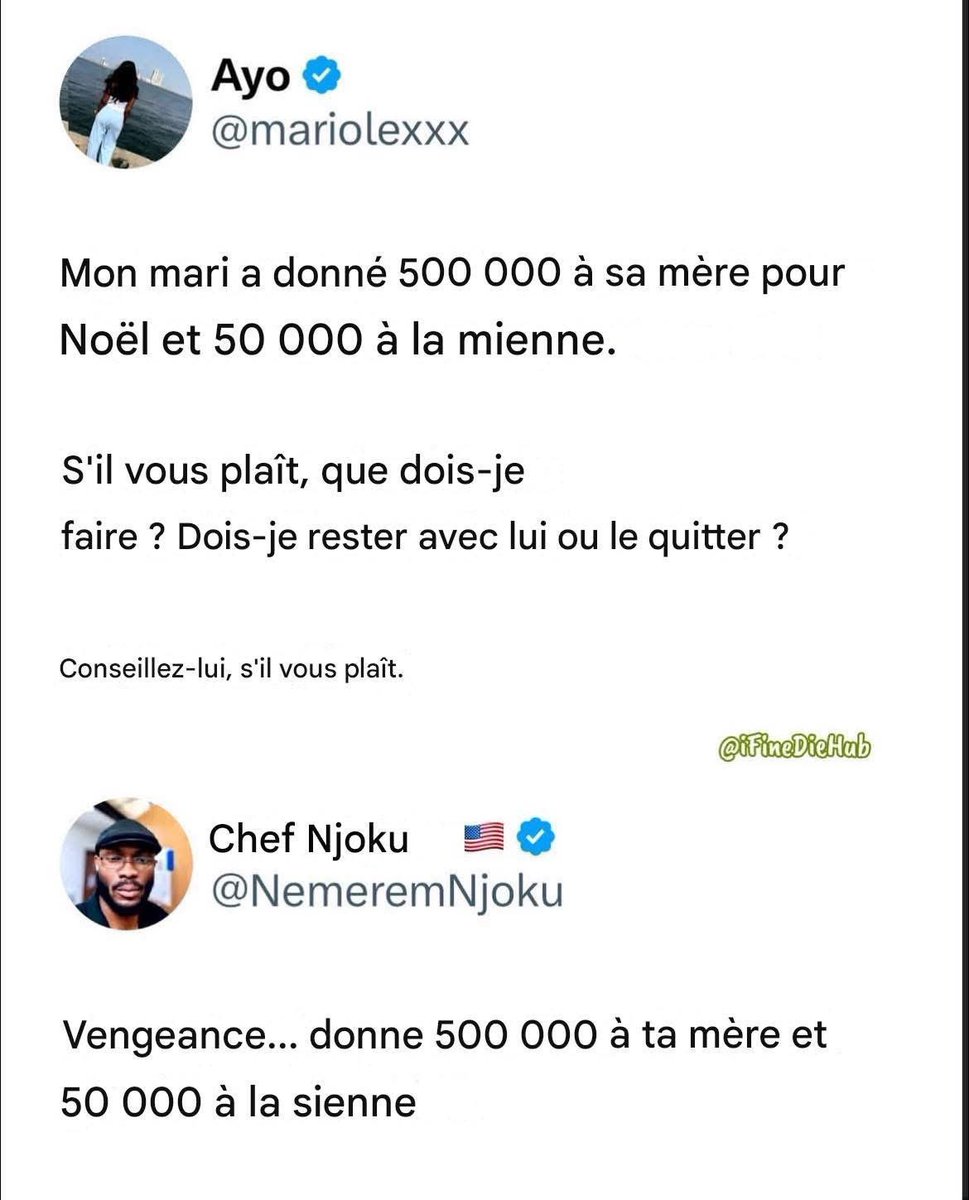
Donne 500k à ta maman et 50k à sa maman aussi et quitte le pour plus de respect
Mdrrrr
Français

@pblescobar5 @dejantheserbian @DailyTurkic @KittenShovel Little racist you are we all know what kind of person you are
English

@DekiPrada @dejantheserbian @DailyTurkic @KittenShovel You must be some weird croat-serb-turk-arab mutt. No other explanation for the unwarranted hate. The sole purpose of the existence of your account is to shit on albanians. Thats your biggest ambition in life. So much for such an irrelevant nation called "albania" 🤣
English
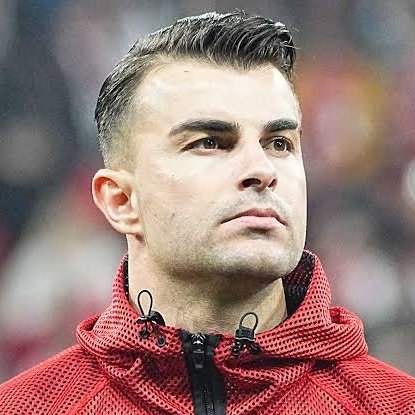
Turkish football player Abdülkerim Bardakcı:
Today, I realized that Turks have no friends but Turks. We’ve seen that clearly.
The whistling during the Turkish national anthem, fireworks at the hotel… none of it was right. Kosovo is supposed to be a brotherly country.
English
@pious_pius007 @ana_lena29 Im getting it from Bosnians I am half Bosnian I know what
English

@DekiPrada @ana_lena29 Where are you getting this from? 2 million?
English

what they think of christians in general
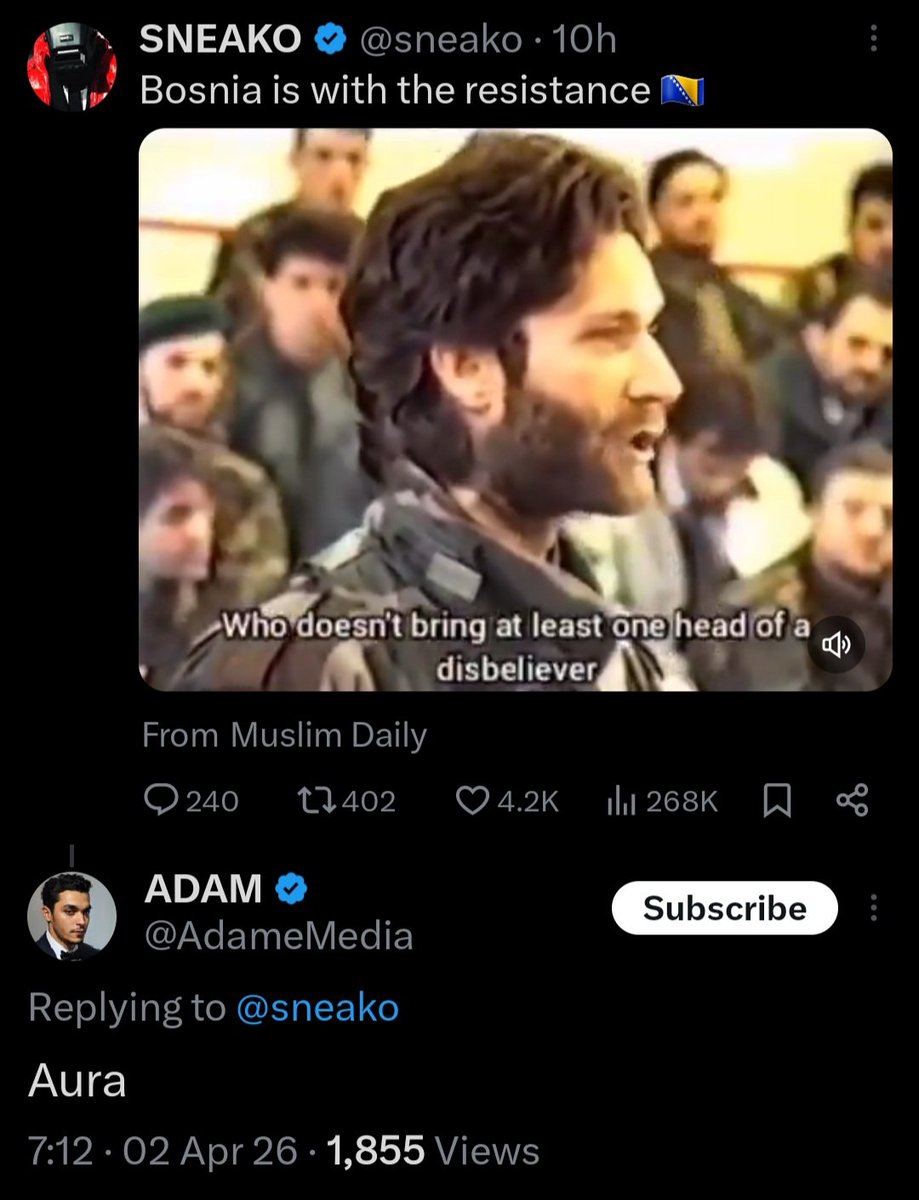
ADAM@AdameMedia
Sneako exposes how illiterate and brainwashed the average Christian Zionist is. This guy is ready to DIE for Israel.
English
@pious_pius007 @ana_lena29 Im getting it from Bosnians I am half Bosnian I know what im talking
English
@uoffence_tr @ZenuniB @DailyTurkic Even Serbians helped them against hitler and Italians who occupated the whole country, serbians let Albanians entered Kosova and gives them free houses and free foods for Albanians and 60 years later they stole the territory 😂
English

@ZenuniB @DekiPrada @DailyTurkic Special? 😂 You were an oppressed people who had lived under Turkish rule for years. It was we who protected you from the Serbs, and now you’ve shown what ungrateful bastards you are. You are a weak society that serves only Western countries. There’s nothing special about you.
English
@mightykosovo Ils aiment bien faire des photos mais ils font jamais de guerre ils pleurent daddy nato
Français
🇽🇰👮🏻♂️ Kosovo Police - Special Operations Unit & Close Protection Unit during the Annual Warrior Competition in Jordan - 2025

English
𝙿𝚁𝙰𝙳𝙰 retweeted

The Muslim Turks loved flaying (skinning) alive Christians. They applied it mainly against Greek rebels to deter and discipline others. As usual, the Christian victim was beaten, publicly humiliated, and tied to a special scaffold for immobilization. Then, skilled executioners removed his skin with sharp knives before the crowd. Here are 3 characteristic cases.
The first concerns Dionysios, Greek Bishop of Larisa and Trikki, who lived in the 16th–17th centuries. An enlightened hierarch with brilliant studies in philosophy, medicine, theology, and more at major Western universities, he earned the title "Philosopher." In the early 17th century (1601 and 1611), he initiated two revolutionary movements in Thessaly and Epirus. Both failed, and in 1611 he was captured alive. In Ioannina's central square, before a crowd, he was skinned alive in a martyrdom lasting five hours, aged around 70. The vandalism continued: his flayed body was thrown to dogs, while his skin was stuffed with straw and bran, dressed in archiepiscopal vestments, and paraded through the city with music for days. Finally, it was sent to the Sultan and ended up discarded in the royal stables.
Another well-known case is that of Daskalogiannis. On June 17, 1771, he was led to a central square in Chandax (Heraklion). A wooden scaffold with a special seat had been erected. Tied tightly to it, he was flayed starting from the head by a monstrous executioner who threw pieces of skin to the crowd, saying: "Take leather for your boots!" A second executioner periodically showed him his flayed face in a mirror, mocking: "Look, captain, how well the red suits you!" Relatives (brother and daughter) in the crowd went mad at the sight. He endured steadfastly and died when the flaying reached his shoulder blades. His flayed body remained exposed in the June heat for days in that square (now named in his honor) until the stench forced the Turks to bury it.
The third case is that of the Venetian Marco Antonio Bragadin. He was executed by flaying in August 1571 in Famagusta, Cyprus, after defending the island alongside the Greeks. They first cut off both of Bragadin’s ears and his nose. While he was in captivity, a massacre of all the remaining Christians in the city took place. After being left in prison for two weeks with his wounds festering, he was dragged around the city walls carrying sacks of earth and stone on his back. Next, he was tied to a chair and hoisted to the yardarm of the Turkish flagship, where he was exposed to the taunts of the sailors. Finally, he was taken to the main square, tied naked to a column, and flayed alive. Bragadin’s quartered body was then distributed as war trophies among the army, while his skin was stuffed with straw, sewn back together, reinvested with his military insignia, and exhibited riding an ox in a mocking procession through the streets of Famagusta. In 1580, his skin was stolen by Girolamo Polidori and brought back to Venice, where it remains today in the Basilica di San Giovanni e Paolo.
The martyrdom of flaying (skinning alive) is ancient. Herodotus mentions that it was originally practiced by the Scythians. He describes how Scythian warriors treated conquered foes, using their enemies' skin to manufacture leather trophy items. Archaeology has recently confirmed Herodotus' account. Scalp flaying was called "periskythismos" due to this Scythian custom. It was always a sign of barbarity and fortunately an exception rather than the rule. The punishment was also used by the Romans during persecutions of Christian martyrs, the best-known case being the apostle Bartholomew.
- Homer Pavlos

Homer Pavlos@HomerPavlos
When Muslims killed Greek Bishop Gerasimos of Rethymno in 1821, they opened his chest, removed his heart, and sprinkled their banners with its blood in order to achieve victories against the infidels. The entire description of the incident directly evokes cannibalism from a primitive era. (Theochares Detorakis, "History of Crete") Apart from the official executions, there were also the mass slaughters of Christian populations in cases where the Islamic-Ottoman state wanted to demonstrate its power. The main pretext for the massacres was reprisals against revolutionary movements. Alongside the official figures who were publicly executed (bishops, notables, etc.), unruly hordes of Janissaries would rush into Christian homes, break down doors, kill anyone they found in front of them, and then plunder the house, seizing whatever they liked. When leaving, in many cases they also set the house on fire. Now, the hooks or "tsigkelia", as the Muslim Turks called them. On the walls of cities or on specially erected scaffolds, large hooks with sharp, sharpened points were fixed. The naked victim was thrown onto the hooks from high up on the walls or was hoisted up with special pulleys and dropped onto the hooks of the scaffolds. There he remained impaled for days, tormented by terrible pains until he finally expired. If, moreover, the hooks had not pierced a vital organ, the torture could last several days. Historical accounts mention the presence of such a scaffold with hooks in the central square of Heraklion (Candia), where many Cretans, mainly rebels, met their tragic end. One torture that the Muslim Turks carried out when they had no time for anything else was the breaking of limbs. They usually did this to prisoners they had captured in the countryside and did not want to transport to the city for something "more entertaining," either because they were in a hurry or because they did not want to take on the risks of a possible transfer. With an axe they smashed the main joints of the victim's limbs (shoulder, elbow, hip, knee) and several bones (humerus, femur, tibia). The victim was then unable to move at all, while terrible pains shook his body from the shattered joints. The executioners left him helpless and departed, so that he would die a few hours or at most two days later, or become prey to wild animals in the wilderness. An equally torture is that of beheading. The Ottoman lords even had a well-known proverb on their lips: "A head that does not bow falls." The execution of the sentence was carried out in public view by a specialized executioner called "makelaris" (a Greek-Byzantine word meaning "butcher" that derives from ancient Greek), with the well-known curved Ottoman sword, the "yataghan". The victim arrived at the place of slaughter ridiculed and publicly shamed. Before the execution he had, as a rule, been beaten and often mutilated. The punishment itself was painless and instantaneous, but the entire preceding process made it agonizing. The body and head remained exposed for days, just as in the other tortures we mentioned earlier. Often the victim's head was impaled on a pole and paraded through the city, especially if the victim happened to be an officially wanted person (e.g., Ali Pasha). Other times it was preserved and sent to the Sultan himself, as happened with the head of Ali Pasha. Still other times the head remained hung or impaled in a prominent position for days, until the natural decomposition of its features began. The torture of beheading is naturally connected with the fate of the Four Martyrs. The Synaxarion of the Saints confirms everything I have said so far. After harsh tortures and public humiliation through the streets of Rethymno, the Saints (Manuel, Angelos, George and Nicholas) ended up in the square of the Great Gate, which today bears their name in their honor, to be beheaded. This is recent history. Tortures ended almost 200 years before when we destroyed the Ottoman Empire. And if you think they changed, you should start reading their comments on my posts or the reposts. This is who they are. This is Islam - Homer Pavlos
English
𝙿𝚁𝙰𝙳𝙰 retweeted


@DekiPrada @DailyTurkic I completely agree with you. They’re nothing but a bunch of monkeys who think they’re something special. Honestly, even if they hate the Serbs, they are no different from them. As a Turk who has visited Croatia, I can say that the Croatians are definitely the best of the Slavs.
English