DosenbachLab

2K posts

DosenbachLab banner
DosenbachLab

DosenbachLab

@DosenbachLab

Studying functional network plasticity, brain injury, development @ WashU School of Medicine. Motto: Get more data. #fMRI #RSFC #accelerometry #precisionmapping

St Louis, MO Joined Şubat 2017
1.8K Following3.1K Followers
Pinned Tweet
DosenbachLab retweeted
Doris Tsao
Doris Tsao@doristsao·
This is the strongest ephys evidence so far for a generative model in the brain that I know of. Congratulations @WadiaVarun! Wonderful collaboration with @UeliRutishauser on science that could only be done in humans. And please check out Fig. 5FG. This is new since biorxiv and really surprised me: the mean response to imagery and viewing is actually the same & there are many cells that respond only during imagery--challenging the idea that signal strength is what distinguishes reality from imagination.
VarunWadia@WadiaVarun

1/8 Our preprint is now a peer-reviewed paper :) Big thanks to our reviewers who pushed us to examine our results more carefully and Olivier Wyart (headquarter.paris) for the exquisite visual. science.org/doi/10.1126/sc…

English
6
42
204
30.4K
DosenbachLab retweeted
nature
nature@Nature·
Hundreds of scans hint at how substances such as psilocybin, LSD and ayahuasca alter connections between key areas of the brain go.nature.com/4tzwLVX
English
13
102
360
27.2K
DosenbachLab retweeted
WashU
WashU@WashU·
Can ADHD meds help kids pay attention? Research says not exactly. They boost alertness and make tasks feel more rewarding, but for healthy brain function, nothing beats getting enough sleep. bit.ly/4qZPf1b
English
0
4
8
868
DosenbachLab retweeted
CLaE
CLaE@leafs_s·
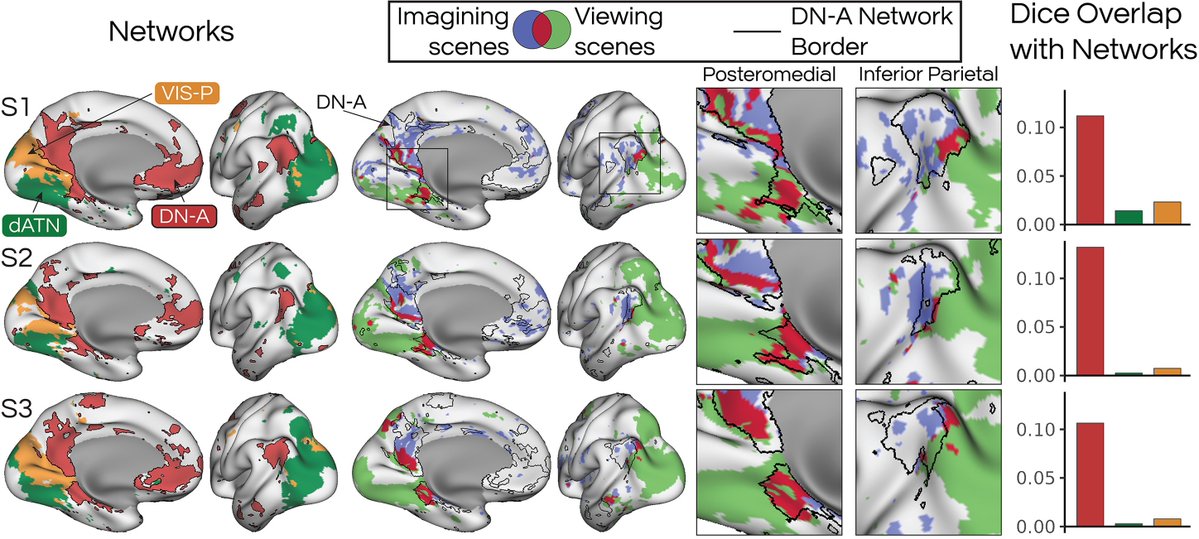
Neuron Mental imagery and perception overlap within transmodal association networks cell.com/neuron/abstrac…
English
1
19
79
4.3K
DosenbachLab retweeted
CLaE
CLaE@leafs_s·
Nature Reviews Neurology Bidirectional brain–heart interactions in health and disease nature.com/articles/s4158…
English
1
36
128
7.1K
DosenbachLab retweeted
Nathan Anderson
Nathan Anderson@rementurus·
Our paper is out! This has been years in the making. We found that mental imagery and perception do share a neural substrate, but we see it in in higher-order transmodal networks rather than earlier sensory systems. Check it out! doi.org/10.1016/j.neur…
Nathan Anderson tweet media
English
5
43
112
5.6K
DosenbachLab retweeted
Michael Fox
Michael Fox@foxmdphd·
Thoughtful response by @AndrewZalesky @cashmachine15 arguing that LNM is valid if specificity testing is included. Note that specificity testing has been included in almost every prior LNM paper including the first paper by Boes et al. 2015.
Andrew Zalesky@AndrewZalesky

Our view on the LNM critique is out in @NatureNeuro rdcu.be/faKgy In our view the critique exposes limitations in statistical inference for LNM maps rather than LNM methodology Null models could address some of the important concerns, strengthening LNM’s value 1/9

English
1
8
24
4.6K
DosenbachLab retweeted
Gagan Wig
Gagan Wig@GaganWig·
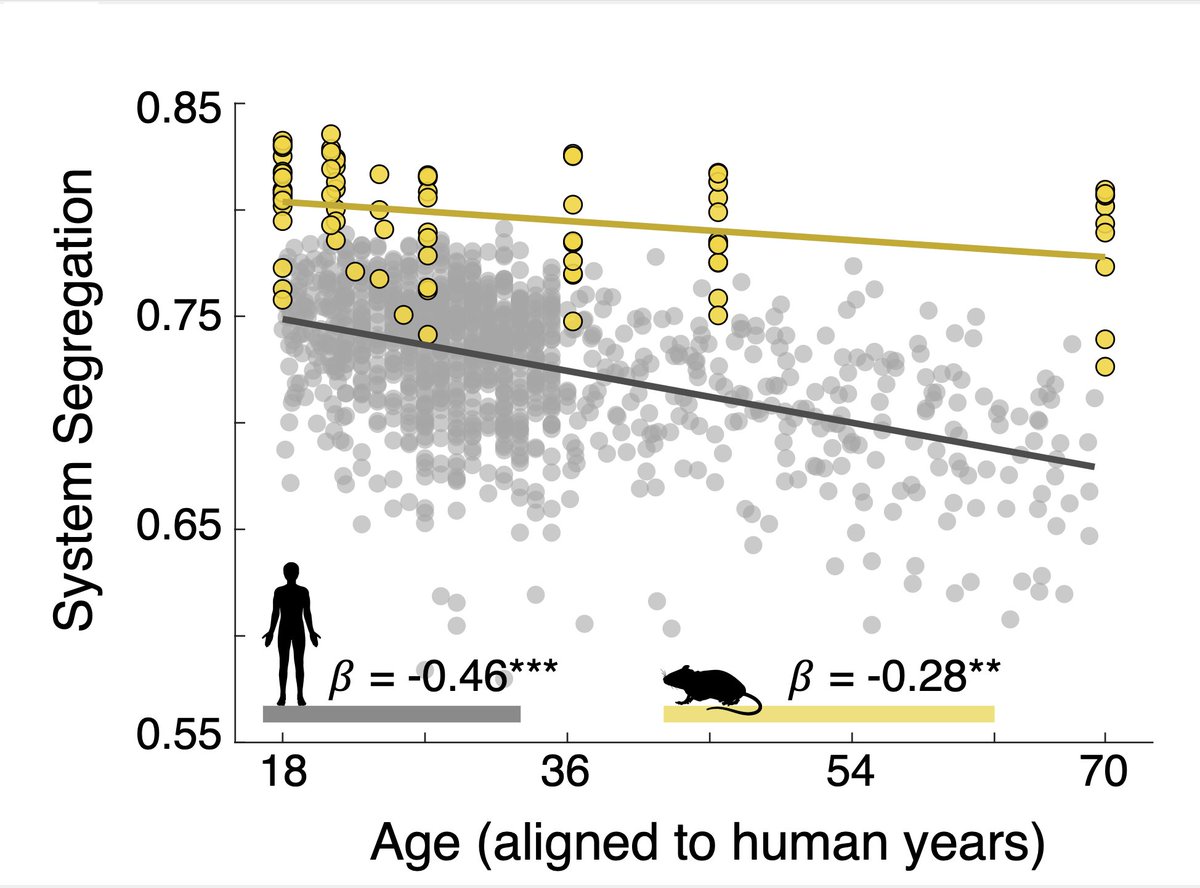
We know aging reorganizes large-scale brain networks in humans, with real consequences for cognition and dementia risk. What we haven't had is an animal model of this phenomenon — one that could help us figure out why it happens and how to intervene. We’ve now mapped brain network changes over a wide range of the mouse adult lifespan. The changes mirror key features of human brain aging, but not entirely, and the differences are just as interesting as the similarities. New paper in @PNASNews 🧵 pnas.org/doi/10.1073/pn…
Gagan Wig tweet media
English
2
9
26
5.5K
DosenbachLab retweeted
Michael Okun
Michael Okun@MichaelOkun·
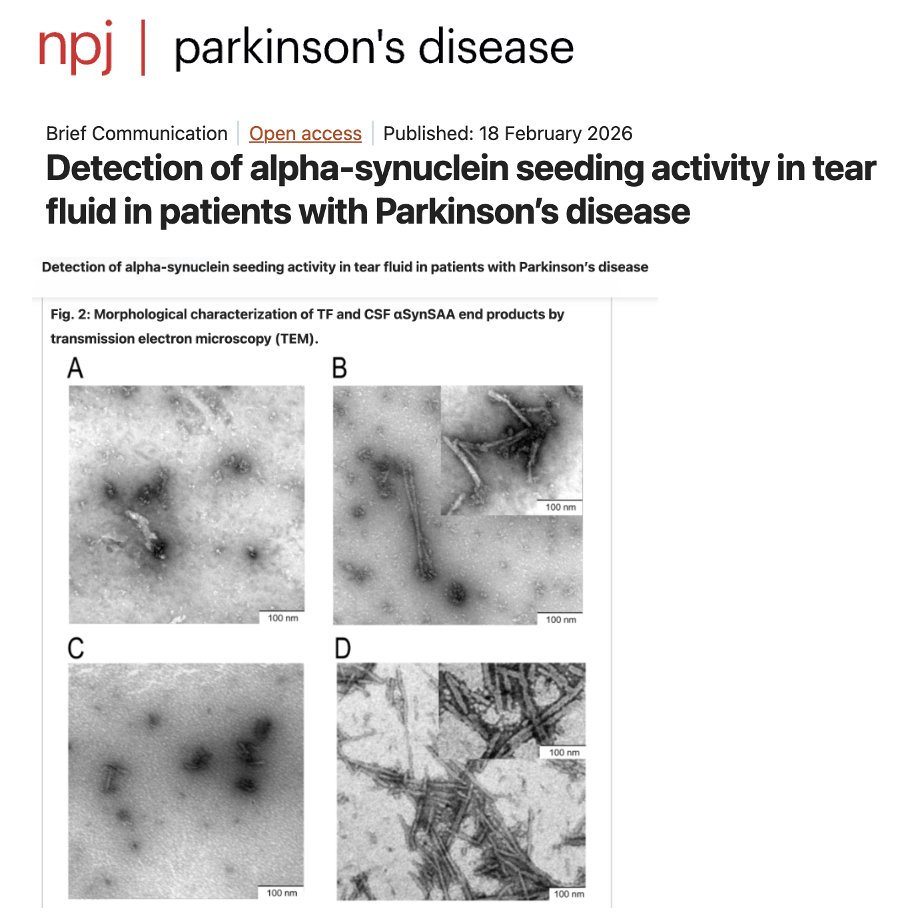
Tears of alpha synuclein? Parkinson’s disease detected in your tears: a new window into brain biology? What does alpha synuclein seeding mean? It refers to a process where tiny misfolded proteins act like templates that trigger other proteins to misfold, allowing scientists to detect disease signals even at very low levels. Sezgi Canaslan and colleagues describe in a new paper that just dropped in NPJ Parkinson’s Disease how tear fluid may reveal Parkinson’s biology using a sensitive protein amplification assay. Key Points: - Tear fluid showed detectable alpha synuclein seeding activity in about two thirds of folks w/ Parkinson’s disease, while controls remained negative. - The assay was able to distinguish Parkinson’s disease from controls and even from prion diseases by using a noninvasive sample. - Tear based testing had lower sensitivity than CSF, but offered important advantages including ease of collection and repeatability. My take: This is fascinating however not surprising. The technology is definitely not ready for routine use, however it points to a future where diagnosis and tracking may become simpler, safer, and more accessible. There may be clues in many body fluids and we may be able to harness them for science and for medicine. Here are 5 points that resonated w/ me: 1- Parkinson’s disease biology can be detected outside the brain; in this case in your tears. 2- Misfolded protein amplification assays are extremely sensitive and can detect disease signals at very low levels. 3- Tear testing is noninvasive, and could be performed repeatedly over time, though making people cry may limit the technique! 4- Current accuracy is promising but not yet sufficient to replace established approaches. 5- The future may include screening and early detection strategies using accessible fluids like tears, saliva or blood. nature.com/articles/s4153… @ParkinsonDotOrg #parkinson
Michael Okun tweet media
English
2
20
58
3.4K
DosenbachLab retweeted
Rodrigo Braga
Rodrigo Braga@RodBraga·
Our new paper on brain networks engaged during imagining is out now in Neuron! Here is a download link (free for 50 days): authors.elsevier.com/c/1msNE3BtfHGo… Congratulations to Nate Anderson for leading this work @rementurus.bsky.social 🧵
Rodrigo Braga tweet media
English
3
37
148
10.1K
DosenbachLab retweeted
WashU Medicine
WashU Medicine@washumedicine·
They carry a mutation that makes Alzheimer’s a near certainty — it drives them to participate in research that could someday prevent the disease for millions. NPR spotlights families powering DIAN at WashU Medicine. Hear their stories. n.pr/47l4hXn
English
0
2
5
1.4K
DosenbachLab retweeted
Michael Okun
Michael Okun@MichaelOkun·
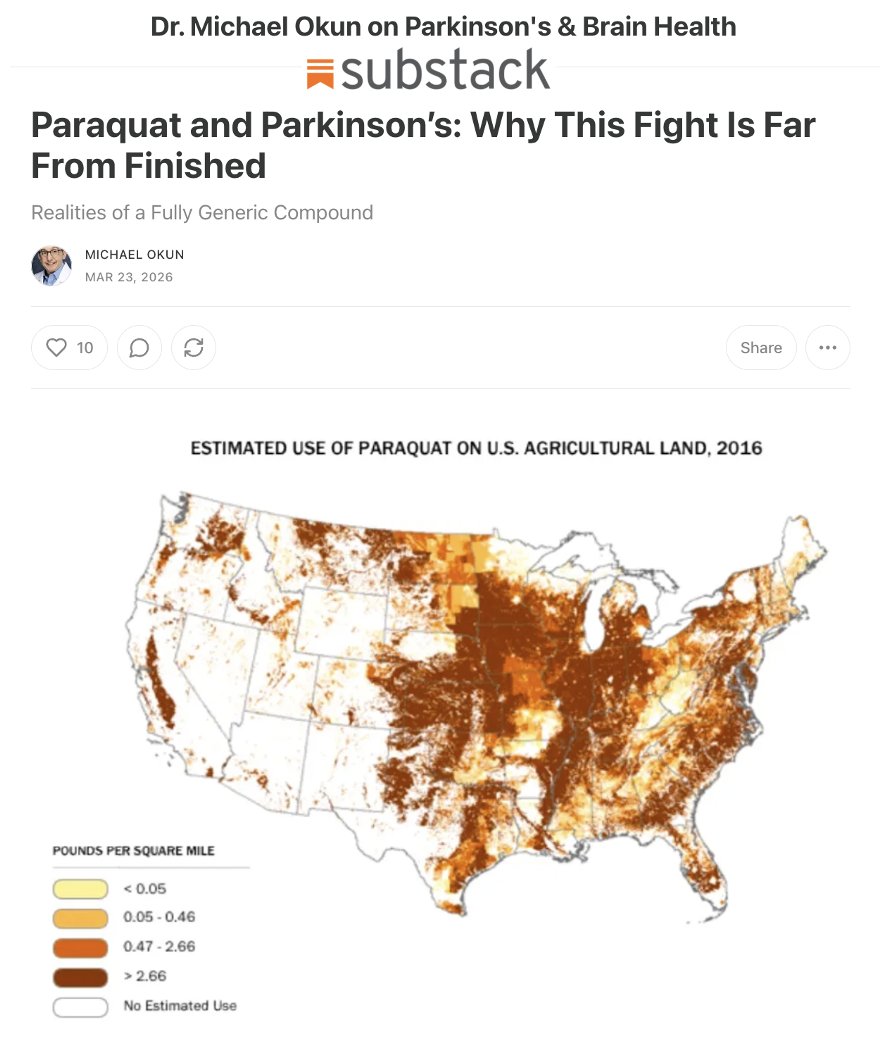
A recent announcement that a major manufacturer will no longer produce paraquat has been framed by some as a possible turning point. It is progress, and it should be recognized as such. However, paraquat remains one of the most toxic herbicides in widespread use, and decades of epidemiologic and experimental data have linked exposure to an increased risk of later Parkinson’s disease. One manufacturer leaving the market is a positive signal, but it does not signal victory. The battle is far from over. Check out my take on @Substack. open.substack.com/pub/michaeloku… @ParkinsonDotOrg #parkinson
Michael Okun tweet media
English
0
7
34
1.8K
DosenbachLab retweeted
Alzheimer's Drug Discovery Foundation
Advances in blood-based biomarkers are making it possible to identify Alzheimer’s through a routine blood draw, potentially years before symptoms appear. Through ADDF’s DxA, we’re advancing next-generation diagnostics to expand access & accelerate trials. nytimes.com/2026/03/19/wel…
English
0
6
13
824
DosenbachLab retweeted
News from Science
News from Science@NewsfromScience·
A new approach, called temporal interference stimulation, offers access to deep-brain areas previously only targetable with surgery. scim.ag/3NLecij
English
0
16
50
5.6K
DosenbachLab retweeted
Michael Okun
Michael Okun@MichaelOkun·
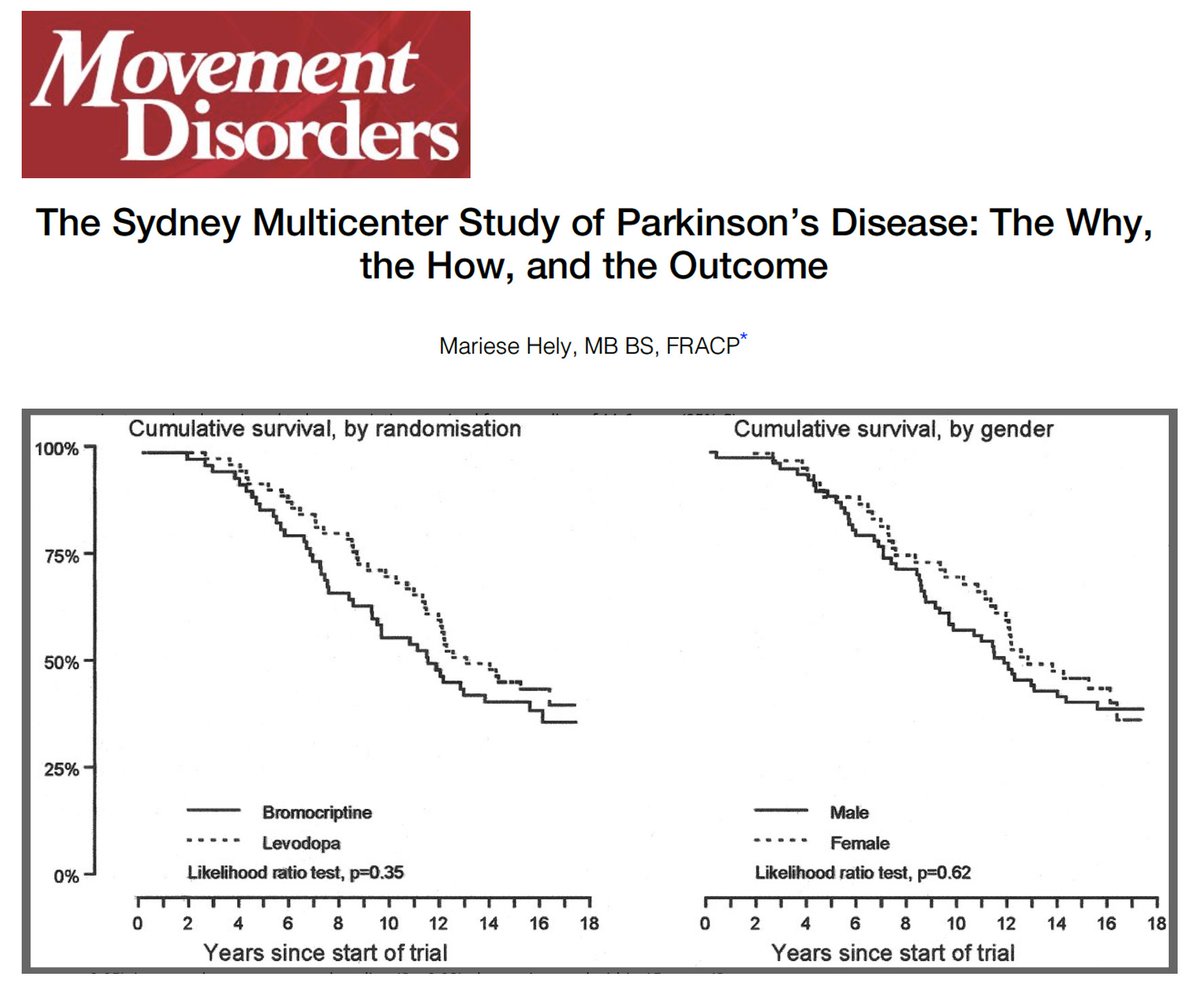
The Sydney multi-center study of Parkinson’s disease: Why it mattered, how it was done, and what we learned. What does longitudinal mean? Longitudinal means following the same group of folks over many years to understand how a disease truly unfolds over time. Hely describes in a new paper in Movement Disorders the story behind the Sydney multi-center study of Parkinson’s disease and what decades of careful observation have taught us. Key Points: - The study followed newly diagnosed folks over decades and revealed the natural history of Parkinson’s disease in the levodopa era. - Non-motor symptoms such as dementia, imbalance, and autonomic dysfunction frequently became the dominant drivers of disability over time. - Dementia increased steadily as the disease progressed and was strongly linked to age, highlighting the long-term cognitive burden of Parkinson’s disease. My take: This paper is a reminder that Parkinson’s disease is not just about tremor and stiffness. It is a complex, evolving condition where the long game matters. The Sydney study forced the field to look beyond motor symptoms and to pay attention to what truly impacts daily life over time. It also highlighted the importance of following folks carefully across years and decades, because the biggest lessons in Parkinson’s disease frequently emerge slowly. Here are 5 points that resonated w/ me: 1- Parkinson’s disease is a long journey and understanding it requires long-term follow up, not short snapshots. 2- Non-motor symptoms frequently become the most important challenges, even when motor symptoms are well treated. 3- Dementia risk increases over time and must be actively monitored and addressed in care planning. 4- Levodopa remains a highly effective treatment and fears about its long-term toxicity were not supported by real world data. 5- The future of Parkinson’s care will require a more holistic approach that targets both motor and non-motor symptoms across the disease course. …mentdisorders.onlinelibrary.wiley.com/doi/10.1002/md… #parkinson @movedisorder
Michael Okun tweet media
English
0
8
38
2.2K