volt retweeted
volt
138 posts

volt
@FishySent
i make models and i like medlaser and i like wings of fire. alot if u like both wof and phighting u should be my friend. Ok?
Joined Eylül 2023
496 Following63 Followers
volt retweeted

So hyped for the new update heres a wof sebastian desgin #pressureroblox #sebastiansolace #wingsoffire

English
volt retweeted

get ready for the next episode to be like this
$pada ♤@spadaSV
Vivziepop has confirmed she will be working on the final episode of The Amazing Digital Circus

English
volt retweeted
volt retweeted
volt retweeted
volt retweeted
volt retweeted

Im not sure if many people know this but the Persian gulf is home to one of the largest populations of endangered whale shark on earth and if this war continues it's very likely that their population could just completely flatline

BNO News Live@BNODesk
BREAKING: Oil tanker on fire after being attacked in the Persian Gulf - Reuters
English
volt retweeted
volt retweeted
volt retweeted

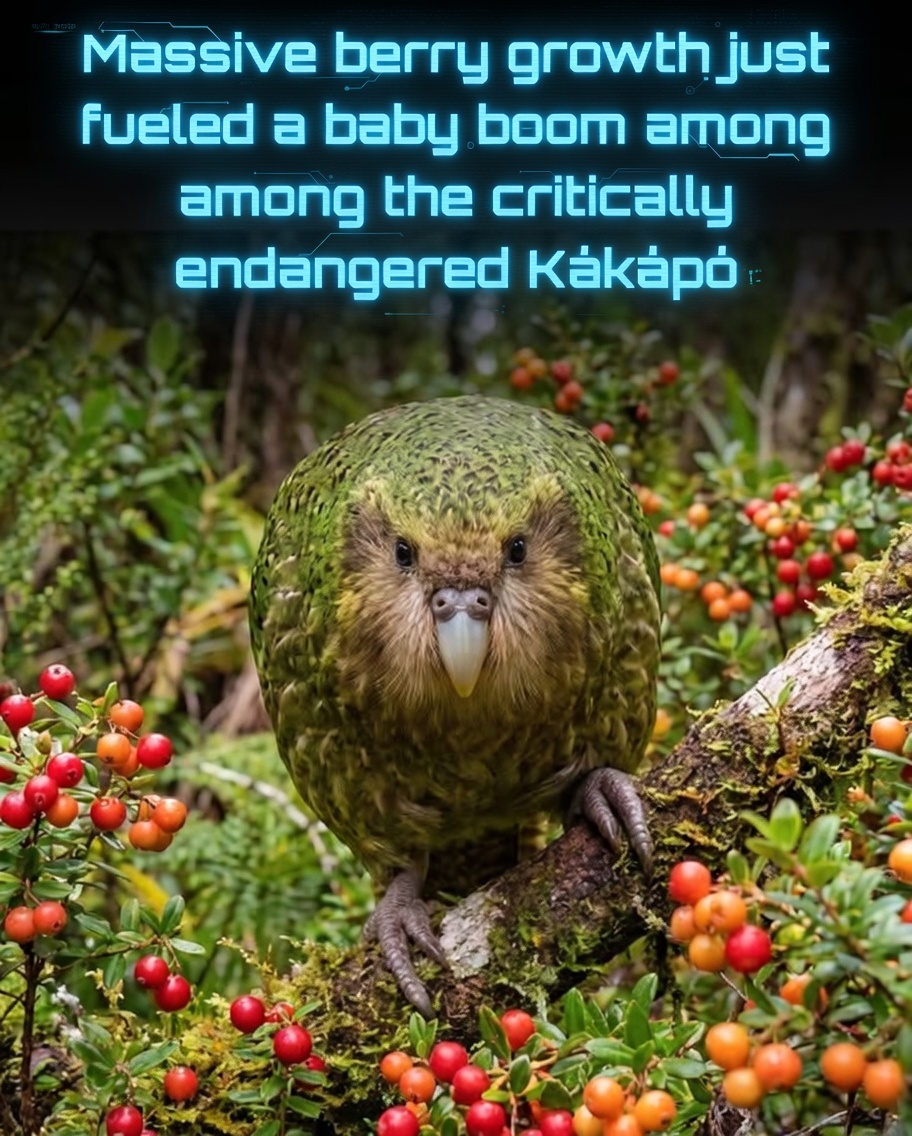
A rare mega-bloom of rimu berries has ignited an exceptional breeding surge for New Zealand's critically endangered kākāpō, propelling the species toward a significant conservation breakthrough.
In the isolated, predator-free islands where these unique birds now reside, an extraordinary abundance of rimu fruit has sparked widespread mating activity among the world's heaviest and most peculiar parrots.
The flightless, nocturnal kākāpō—famous for their moss-green feathers, owl-like faces, and potential lifespans exceeding 90 years—breed only during infrequent "mast" events when rimu trees produce heavy crops of nutrient-rich red berries. This year's massive harvest, one of the largest in decades, has fueled unprecedented energy levels, prompting nearly every breeding-age female to lay eggs in what experts describe as a record-setting season.
Conservationists from the Kākāpō Recovery Programme, a collaborative effort involving the Department of Conservation, iwi partners, and dedicated teams, report that mating began in late December 2025, with hundreds of eggs laid and dozens of chicks already hatched by early March 2026. At the start of the year, the global population stood at around 236 individuals; if sufficient chicks survive to fledging, the total could approach or surpass 300—a landmark achievement for a species that plummeted to just 51 birds in 1995.
This boom highlights the intricate link between natural cycles and recovery efforts: intensive predator control, island translocations, artificial insemination in lean years, and vigilant nest monitoring have built a more resilient population, ready to capitalize on nature's rare bounty. As rangers continue hand-rearing vulnerable chicks and tracking progress, the 2026 season offers renewed optimism that human dedication and ecological timing can together steer the kākāpō away from the edge of extinction toward a more secure future.
[New Zealand Department of Conservation. Kākāpō Recovery Program: Population and Breeding Update. Government of New Zealand]

English
volt retweeted

“Ai version is better”
We’re so done, it’s over for us as a species. We’ve failed as a society and the rest will follow suit.
Khyle Stuff (COMMS OPEN)@Khyle_stufff
ok i made it, maybe a follow?
English
volt retweeted
volt retweeted
volt retweeted
volt retweeted

Happy International Women’s Day
Zoya🕊️@Zoya_ki_batein
A female shark in a seoul aquarium didn't like a male shark bumping into her, so she ate him.

English
volt retweeted