Gene Botkin

626 posts

Gene Botkin banner
Gene Botkin

Gene Botkin

@GeneBotkin

Cybersecurity investigator and geopolitical analyst in the space domain. The Space Nation Discord is at this link:

Joined Kasım 2024
1K Following960 Followers
Pinned Tweet
Gene Botkin
Gene Botkin@GeneBotkin·
The space economy is not science fiction. It’s the next stage of civilization. A thread on what it is, why it matters, and how we build it 🧵 Most people think space is about exploration. But it’s about survival, power, and destiny. The space economy includes satellite networks, orbital cybersecurity, off-Earth mining, space manufacturing, and zero-g biology. GPS alone adds $1.4 trillion in value to the U.S. economy. That’s space. Starlink has more nodes than any ground-based ISP in history. That’s space. But we’re not just talking about LEO internet or cubesats. We’re talking about building a world where space is normal. Cities with launchpads. Spaceports as common as airports. Lunar shipping lanes. Orbital scrapyards. The space economy won’t be built by bureaucrats. It’ll be built by engineers, coders, welders, hackers, and dreamers. And it’s happening now. Not 100 years from now. Right now. If you’re building toward that world—space, AI, alt-economics, cyber—follow this account. The future is already here. It’s just not evenly distributed... yet. Let's fix that. 🚀
English

2
1
21
1.5K
Gene Botkin
Gene Botkin@GeneBotkin·
GPS has become so ordinary that many Americans forget it is a military capability. Aircraft navigate by it. Ships depend on it. Precision weapons use it to strike targets while limiting needless destruction. An enemy that disrupts GPS can create confusion across an entire force. The Department of Defense must be ready to fight through jamming and deception rather than assuming the signal will always be there.
English
1
0
8
145
Gene Botkin
Gene Botkin@GeneBotkin·
The first hours of a major conflict may be decided far above the battlefield. Satellites detect launches, track movement, and keep commanders connected when terrestrial networks fail. That means the defense of orbit is inseparable from the defense of soldiers on the ground. Space may appear silent, but it carries the nervous system of modern war.
English
0
0
1
77
Gene Botkin
Gene Botkin@GeneBotkin·
Space is no longer a distant theater reserved for astronauts and science missions. The Department of Defense depends on orbital systems every hour for navigation, missile warning, communications, and command. A military that loses access to space does not merely lose satellites. It loses the ability to see clearly, move precisely, and coordinate forces across the globe. Space power now sits beneath almost every serious military operation.
English
0
0
0
290
Gene Botkin
Gene Botkin@GeneBotkin·
A satellite can now serve farmers, ships, soldiers, and cities at once. Space has become part of daily life before most people noticed.
English
0
0
0
17
Gene Botkin
Gene Botkin@GeneBotkin·
The companies that matter most may be the ones building the quiet machinery behind the rockets: communications, logistics, navigation, and defense.
English
1
0
1
72
Gene Botkin
Gene Botkin@GeneBotkin·
Space is becoming an economy because access is becoming regular. The frontier changes when arrival stops being rare.
English
0
0
0
234
Gene Botkin
Gene Botkin@GeneBotkin·
Every launch lowers the wall between Earth and the heavens. What once belonged to governments alone is becoming a field for builders.
English
0
0
0
19
Gene Botkin
Gene Botkin@GeneBotkin·
The new space economy will be built by people willing to treat orbit as a place of work, trade, and national purpose.
English
0
0
0
12
Gene Botkin retweeted
KiwiThinker
KiwiThinker@KiwiThinker·
Are you Gen-Mars? It could change how you think about your future more than you expect. Find out if this is you same time tomorrow. 👀 #MarsIndependence
KiwiThinker tweet media
English
1
1
6
158
Gene Botkin retweeted
KiwiThinker
KiwiThinker@KiwiThinker·
Still planning that trip to Pluto and back? What's ~27 years between friends? 😄 The table below was based on the old Block 3 specs (which line up closely with the upcoming V4/Block 4 Starship), so the timeline still holds. Launching Dec 2028 - who's in?
KiwiThinker tweet media
KiwiThinker@KiwiThinker

A Block 3 Starship using gravity assist as much as possible can probably make it to Pluto and back in around 30 year if it left in 2028. It can also carry enough food and water for up to 6 people for more than that time. Here's the route it could use, making a fly by of as many planets as possible.

English
3
4
9
382
Curiosity
Curiosity@CuriosityonX·
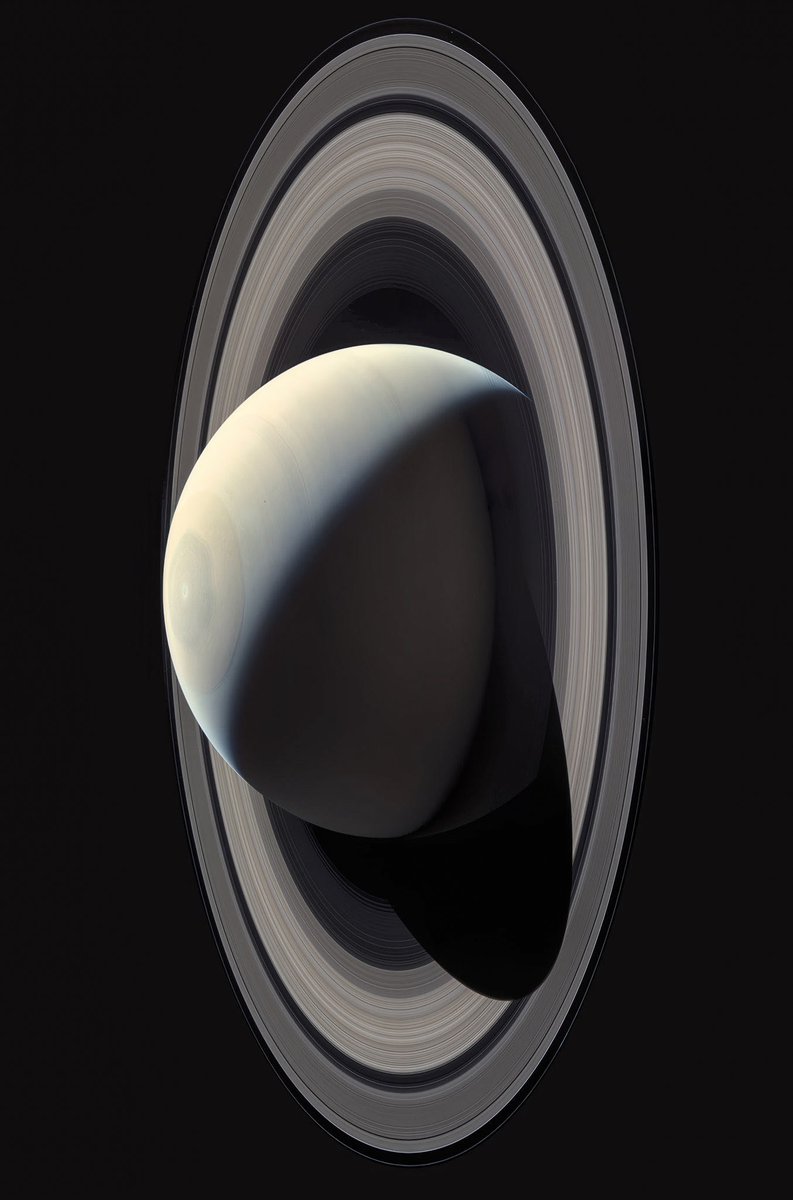
Saturn captured by the Cassini spacecraft
Curiosity tweet media
English
40
184
1.6K
49.3K
Curiosity
Curiosity@CuriosityonX·
Tigers are solitary animals and love to have a lot of personal space. Lions are attached and social animals.
English
256
3.1K
41.4K
1.1M
Gene Botkin
Gene Botkin@GeneBotkin·
Regional leaders quietly prepared for the shift as U.S. Space Command looks to relocate to a new base in Alabama. That shift may ripple into local diners and streets full of folks noting unfamiliar faces with badges in line at lunch counters. When bureaucrats drift toward rocket lanes, the small-town rhythm absorbs a subtle charge that has coffee cups humming longer. Even after the paperwork settles, the town’s morning light will still feel slightly aware. wbur.org/npr/nx-s1-5525…
English
0
0
0
144
Gene Botkin
Gene Botkin@GeneBotkin·
A wandering asteroid, barely bigger than a bus, skimmed past Earth recently and won’t be back for about a century. That brush with a cosmic neighbor could leave anyone folding laundry or waiting for coffee thinking about scale without intending to. Hearing that such a small thing can pass so close while daily routines carry on reveals how normal our routines are under a vast sky. That thought drifts into Sunday afternoon silence long after the sky has cleared. livescience.com/space/asteroid…
English
0
0
2
234
Gene Botkin
Gene Botkin@GeneBotkin·
China rolled out a questionably flashy display of missiles and space defence gear in a grand parade. Some of that hardware might loom over Saturday chores as much as over bargaining chips in diplomatic backrooms. The tension between dazzling show and something that feels unsettling mirrors the unease when your reflection seems edited. Still, school-run conversations will feel that pull even when the flags come down. euronews.com/2025/09/03/chi…
English
0
0
0
82
Gene Botkin
Gene Botkin@GeneBotkin·
I once saw a photograph of Yuri Gagarin grinning like he had stolen the keys to the universe. It was taken just after his flight, the first man to look down on Earth from the heavens and return to tell the tale. His smile carried the innocence of a boy who had climbed too high in a tree and discovered the view was worth the risk. It was a very human face on an inhuman adventure. Of course, the picture took on other meanings. To the Soviets it was triumph, to the Americans it was a warning, and to the newspapers it was headline fodder. The smile that had seemed so natural became pressed into service, printed on banners, paraded before crowds, and set against the backdrop of missiles. The image of a man’s joy was captured and conscripted. Still, there is something about that grin that refuses to be buried beneath the weight of politics. For all the talk of rockets and rivalries, the first human in space looked like someone who had simply gotten away with something extraordinary. In that sense the photograph holds more truth than the speeches and medals that followed it. The world tried to make it symbolic, but it stayed personal. When I look at Gagarin’s face today, I am struck by how ordinary he seems. The suit is cumbersome, the helmet oversized, yet the smile is the same one you might see after a child pedals a bicycle without training wheels. The difference is only in scale, and perhaps in the quiet knowledge that not every nation could produce such a smile without first hardening it into a mask.
Gene Botkin tweet media
English
2
3
11
96
Gene Botkin
Gene Botkin@GeneBotkin·
I remember watching footage of Apollo 8 as a boy, when the astronauts read from Genesis while orbiting the Moon. The picture was grainy, the voices flattened by static, but the sense of distance was unmistakable. Here were men circling a dead world, looking back on the living one, and quoting words that had been carried through centuries of war and decline. It felt less like technology and more like a pilgrimage. Later, of course, that moment was picked apart. Some said it was inappropriate, others said it was propaganda, and soon enough it was reduced to a footnote in the long catalog of Cold War competition. The wonder drained away, filed neatly alongside budgets and launch schedules. A passage from scripture, once spoken across the void, became another political quibble. Yet it remains one of the few times modern man carried his oldest story into the newest frontier. The Soviets orbited silently, but the Americans answered with Genesis, and in that contrast you can see the whole century laid bare. It was not technology that set them apart but the willingness to connect a distant rock to something greater than machinery. When I revisit that broadcast now, it still feels like a household memory. The grainy images resemble the way family tapes age in the attic, colors fading but meaning growing sharper. The astronauts’ voices sound less like distant heroes and more like neighbors reading aloud on a cold night. What lingers is not the Moon itself but the fact that man once remembered to bring his oldest book along.
English
0
0
0
35
Gene Botkin
Gene Botkin@GeneBotkin·
Why do we treat growing older like a slow decline instead of a chance to finally see the patterns? It turns out the “midlife crisis” is usually just realizing you’re the one steering the ship.
English
1
0
1
28