Pinned Tweet
RehashedDAO
949 posts

RehashedDAO
@RehashedWeb3
Community-owned podcast led by @0xDianaChen. High-signal conversations, crypto alpha and insights from leading web3 builders & artists. 📧 [email protected]
Washington, WA Joined Eylül 2011
15 Following53.3K Followers

@RehashedWeb3 @jillgun Amazing convo !!!
btw, i remember jill since your super old episodes, are you planning on filming more w/her?
English

Episode 2 of Between Two Chains:
In our journey to find out whether interop is really solved, we talked with infra girly @jillgun about ecosystem incentives, user experience, and recent innovations in crypto infrastructure.
Links below.
English

🎙Between Two Chains Ep 2: How is Interoperability Solved? w/Jill Gunter
🎧Apple: podcasts.apple.com/us/podcast/bet…
🎧Spotify: open.spotify.com/episode/5bcoXj…
🎧Amazon: music.amazon.com/podcasts/8c1ec…

English

Thank you to our sponsor @LayerZero_Core for making this series happen!
Looking to go omnichain without the complexity?
Start building with LayerZero at layerzero.network.

English

Hot take: nothing real has ever come out of the blockchain🌶
Tune into our minihash episode with @pet3rpan_ from @1kxnetwork
Make sure you check out his article on autonomous worlds if you found this episode to be interesting
Links below
English


@RehashedWeb3 @pet3rpan_ @1kxnetwork This is the type of commentary we all need more of — clear & grounded
English

@RehashedWeb3 Big thanks to @tarunchitra for sharing insights on the future of DeSci
English

For our last episode of the season 3, we welcome @tarunchitra to the pod!
This time, we discuss DeSci, AI in crypto, over-financialization, and longevity research... and the complexities that come with each.
Links below:
English

Big moment for both housing and crypto, post by @0xAlexCashman:
Fannie Mae is effectively opening the door for crypto-backed home financing in the U.S.
That may sound niche at first, but it’s actually a major signal. For years, crypto wealth has existed outside the traditional financial system. Millions of people held significant value in Bitcoin or stablecoins, yet when it came to buying a home, that capital often had to be liquidated, taxed, and converted back into the old system before it could be recognized.
Now that wall is starting to crack.
If crypto can be used as collateral in a mortgage-related structure, it changes the conversation completely. Digital assets are no longer just “speculative internet money” sitting on the sidelines. They are starting to function as recognizable financial collateral tied to one of the biggest real-world markets in America: housing.
That matters for three reasons.
First, it’s a legitimacy milestone. Real adoption is not just people trading tokens with each other. Real adoption is when crypto begins to plug into core financial infrastructure.
Second, it creates capital efficiency. Instead of selling long-term holdings, triggering taxes, and giving up upside, borrowers may be able to keep exposure to their assets while still accessing home financing.
Third, it sends a broader message to banks, lenders, and regulators: crypto holders are no longer a fringe audience. They are becoming a real borrower class with real balance sheets.
Of course, the risks do not disappear. Crypto is volatile. Housing is already expensive. And mixing leverage with volatile collateral can be dangerous if underwriting is weak or incentives are misaligned.
But that’s exactly why this is important: the market is moving from theory to structure.
The bigger story here is not just “you can buy a house with crypto.”
The bigger story is that crypto is slowly being accepted as part of the financial grammar of the real economy.
This is how adoption happens:
not in one dramatic revolution,
but in small institutional decisions that make digital assets harder and harder to ignore.
Crypto is not replacing the system overnight.
It’s being absorbed into it.

English

@RehashedWeb3 Interesting times ahead—time to watch closely and stay nimble
English

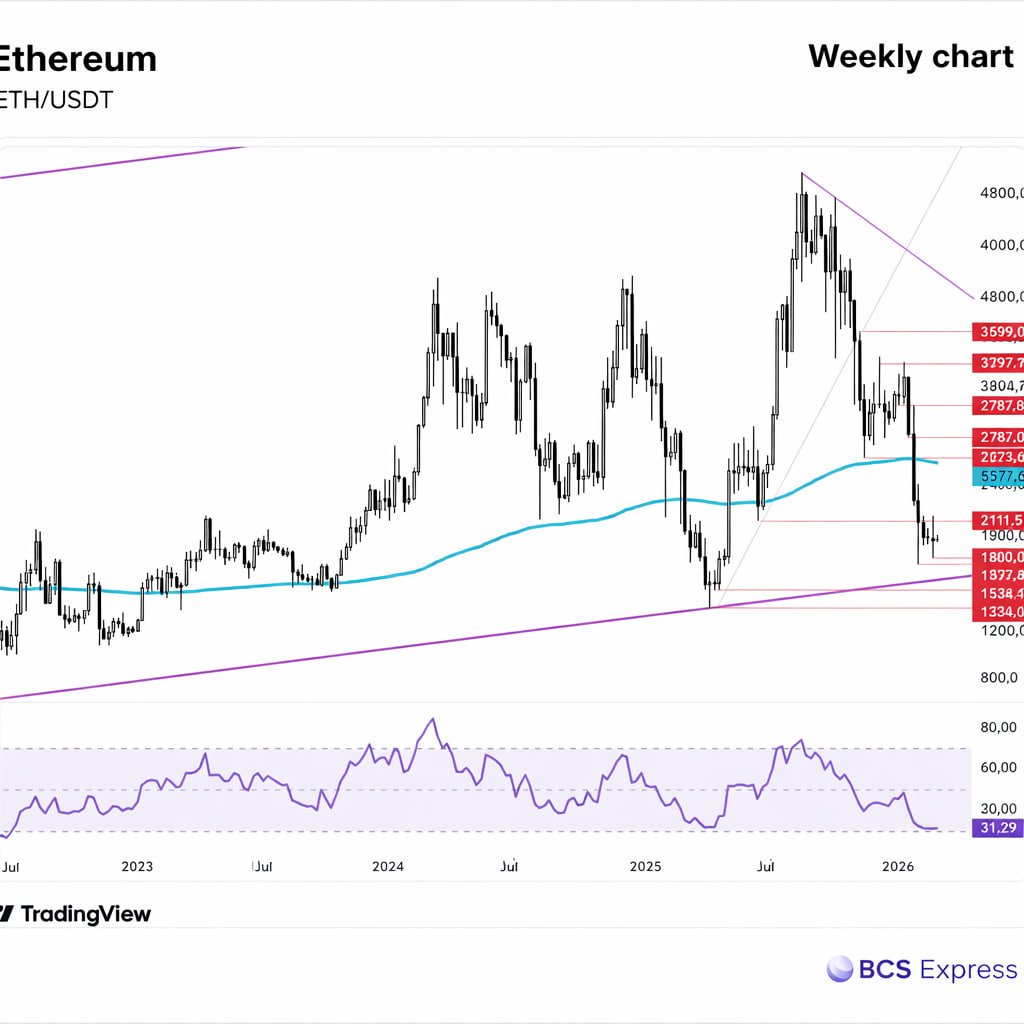
Geopolitics is back at the center of crypto sentiment.
Developments in the Middle East, especially around Iran and the US, continue to shape market psychology, creating a constant push and pull between risk-on optimism and flight-to-safety behavior.
Crypto is no longer trading in isolation.
When tensions rise, traders do not look only at charts, on-chain flows, or ETF data. They also watch oil, the dollar, Treasury yields, gold, and headlines around military or diplomatic escalation.
That is why the market reaction has been mixed.
On one side, crypto is still seen as a high-beta risk asset. In periods of uncertainty, investors often reduce exposure, rotate into cash, and cut leverage.
On the other side, Bitcoin in particular is increasingly viewed by some as a hedge against instability, monetary stress, and geopolitical fragmentation.
This creates a two-speed market:
- Altcoins often react like pure risk assets and suffer when macro fear rises,
- Bitcoin sometimes sells off first with broader risk markets, then stabilizes faster as investors reassess its role
That divergence matters.
The Iran-US angle adds another layer because it affects not only headlines, but also energy markets, inflation expectations, and global liquidity conditions.
If oil spikes:
- inflation fears can return,
- rate-cut expectations may weaken,
- macro pressure on risk assets can increase.
That is not just a regional story, it becomes a global pricing story.
For crypto, liquidity is everything.
And geopolitical stress can tighten financial conditions very quickly:
- higher volatility,
- stronger dollar demand,
- lower speculative appetite,
- more defensive positioning across portfolios.
In that environment, crypto sentiment becomes fragile even when long-term conviction remains intact.
But there is a paradox here.
Every geopolitical shock reminds the market why borderless, censorship-resistant, globally transferable assets matter.
So while short-term flows may move toward safety, the broader narrative for decentralized assets can actually strengthen over time.
This is why current sentiment feels conflicted.
Traders are balancing two ideas at once:
- “Geopolitical stress is bad for risk assets,”
- “Geopolitical stress reinforces the long-term case for neutral digital assets.”
Both can be true simultaneously.
In the near term, markets will likely remain headline-sensitive.
Any signal of escalation or de-escalation involving Iran and the US can quickly change:
- risk appetite,
- volatility levels,
- safe-haven demand,
- positioning across crypto.
Expect fast reactions, sharp reversals, and narrative-driven moves.
Bottom line:
Middle East tensions are not just background noise for crypto anymore. They are a core macro driver of sentiment.
For now, the market is stuck between fear and conviction, between deleveraging and accumulation, between risk-off pressure and the search for alternative stores of value.
That tension is defining crypto right now.

English

@0xElvisTheHuman Yes, this cycle was absolutely unpredictable.. 🙃
English

@RehashedWeb3 So, what’s the deal? Bitcoin’s a risk asset or the answer to global instability?
English

🎙Insights on the Future of DeSci w/Tarun Chitra (Gauntlet)
🎧Apple: podcasts.apple.com/us/podcast/s3-…
🎧Spotify: open.spotify.com/episode/4CeVQm…
🎧Amazon: music.amazon.com/podcasts/8c1ec…

English
RehashedDAO retweeted

Tether Gold, the World’s Leading Tokenized Gold Product, to be Listed on BNB Chain
Read more:
tether.io/news/tether-go…
English