
The Training Space

5.8K posts

The Training Space banner
The Training Space

The Training Space

@TrainingSpace

We provide research informed training & structures for success, helping you shape the future for pupils ⭐ https://t.co/GasjsvlEbY

Joined Nisan 2015
1.3K Following4.2K Followers
Pinned Tweet
The Training Space
The Training Space@TrainingSpace·
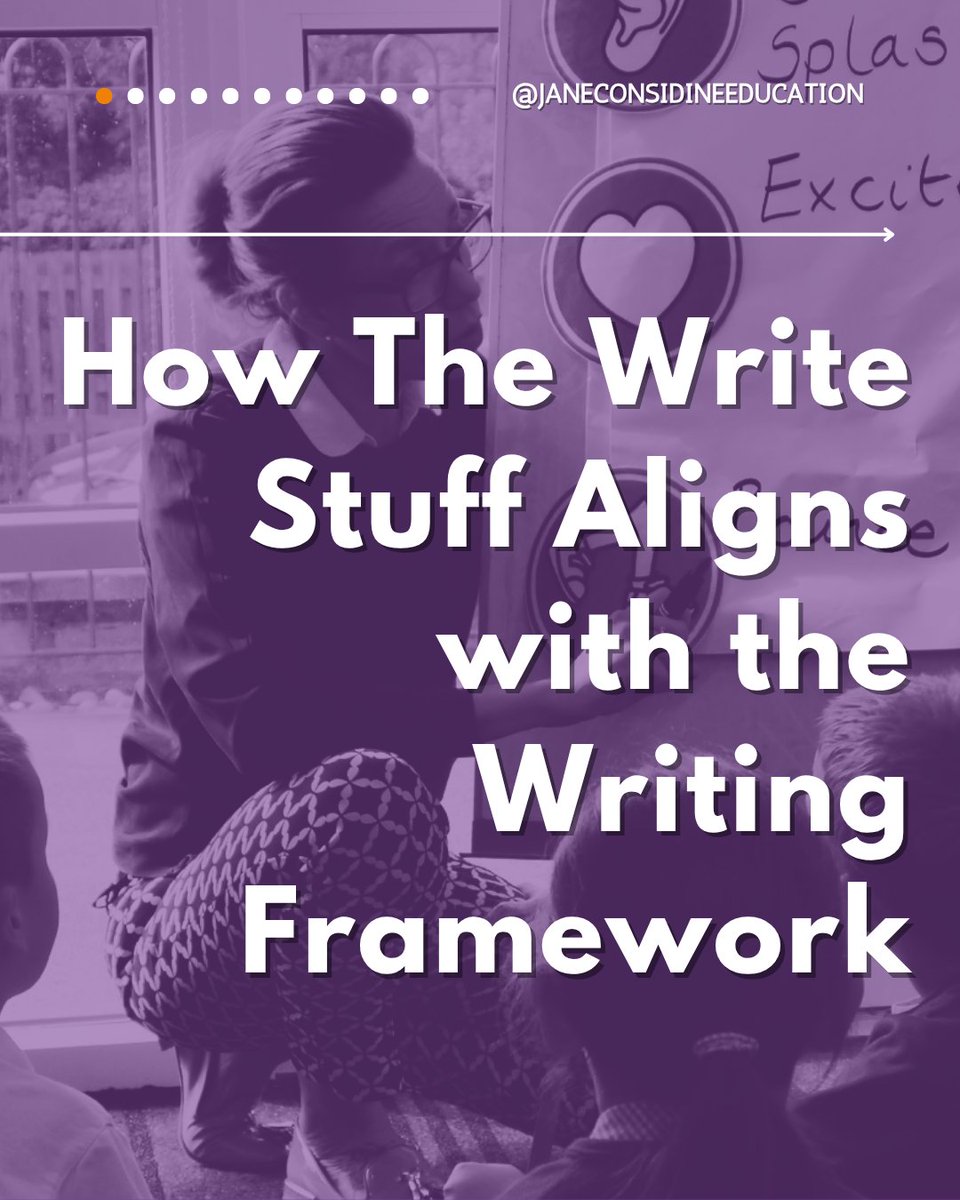
How the Write Stuff aligns with The Writing Framework. If your school is a Write Stuff school, or have adopted Jane Considine's systems, you will already be using almost all of the guidance contained in the Writing Framework. Here's how. A thread.
The Training Space tweet media
English
0
1
2
548
The Training Space retweeted
The Training Space
The Training Space@TrainingSpace·
How the Write Stuff aligns with The Writing Framework. If your school is a Write Stuff school, or have adopted Jane Considine's systems, you will already be using almost all of the guidance contained in the Writing Framework. Here's how. A thread.
The Training Space tweet media
English
0
1
2
548
The Training Space
The Training Space@TrainingSpace·
One of the big messages in The Writing Framework is about the effective use of modelling when teaching writing, but what does this actually look like? In this video, @janeconsidine gives a deep insight into the process and how to get the most out of it. youtube.com/live/fM3Jqgpt0…
YouTube video
YouTube
English
0
1
1
346
The Training Space
The Training Space@TrainingSpace·
This is an important reflection from Dr Julian Grenier. His Sharing the Pen blog on the EEF site continues to be one of the most thoughtful pieces I recommend to Reception and Year 1 teachers. educationendowmentfoundation.org.uk/news/sharing-t… The nuance of the new Writing Framework is clear: we are not rushing children to the page but building the physical and cognitive foundations they need to write with fluency and confidence. On entry to Reception, many children need time to build shoulder, wrist and thumb strength. Handwriting must begin with movement. Big, purposeful movements to develop gross motor skills, that lay the path to fine motor skills and controlled, legible writing later. They also need rich, precise language: directional words like up, round and back, and the oral composition skills that let them say what they want to write. Two positions can, and must, co-exist in early writing. First, valuing the uniqueness of children and their right to play. Alongside this, lived experiential real reasons to write should be curated for children, while also offering clear, timely instruction that welcomes them into the “language community” Alves et al. (2020) Play, talk and experience all elevate their oracy. Writing development involves participation in meaningful writing experiences, where pupils are supported in constructing and communicating meaning within a social context. Treasuring their emergent writing (knowing the continuum of the nine stages) means that when the conditions are right for the child, we can ‘share’ the pen, pencil and ‘skinny felt’. When we understand exactly what they need next we can build their positive writer’s identity. #TheWritingFramework
English
0
0
1
136
The Training Space
The Training Space@TrainingSpace·
10. PUTTING THEIR WRITING INTO THE WORLD Pupils need to feel that their writing matters. The Write Stuff gives real audiences and real purpose. Sharing, responding and celebrating writing builds motivation. #writestuff #writingmatters
The Training Space tweet media
English
1
0
1
40
The Training Space retweeted
Jane Considine
Jane Considine@janeconsidine·
Thinking Deeply about Primary Education podcast @Kieran_M_Ed In light of The Writing Framework exploring… 1. Reception writing is playful 2. The cognitive challenges of writing and best ways to support pupils 3. Quality over quantity 4. Not all modelling is ‘bang on’ and more! #tdape Listen here to full podcast 👉open.spotify.com/episode/3M0b5g…
English
0
2
11
1.6K