Raju Ghorai

557 posts

Raju Ghorai banner
Raju Ghorai

Raju Ghorai

@coderj001

I'm just lifetime learner...🙏🏻

localhost Joined Ocak 2022
248 Following28 Followers
Raju Ghorai retweeted
Cheng Lou
Cheng Lou@_chenglou·
My dear front-end developers (and anyone who’s interested in the future of interfaces): I have crawled through depths of hell to bring you, for the foreseeable years, one of the more important foundational pieces of UI engineering (if not in implementation then certainly at least in concept): Fast, accurate and comprehensive userland text measurement algorithm in pure TypeScript, usable for laying out entire web pages without CSS, bypassing DOM measurements and reflow
English
1.3K
8.3K
65.2K
23.7M
Raju Ghorai retweeted
Atharva
Atharva@AtharvaXDevs·
Golang API design concepts every Go backend developer must master for interviews: 1. Idempotency: In Go, implement via middleware using go-redis to store and check Idempotency-Key with TTL before running business logic. 2. Timeouts and Cancellation: Leverage Go's context.Context everywhere. Use context.WithTimeout at entrypoint and propagate to sql, http.Client, and Redis. 3. Pagination: Implement cursor-based pagination in Go using stable composite keys. Build queries with sqlc or GORM for consistent results. 4. Error Model: Create custom error types in Go. Map domain errors to HTTP codes in a central handler and return structured JSON responses. 5. Versioning: Use oapi-codegen to generate versioned Go handlers. Add fields with omitempty, avoid renaming, and prefer header-based versioning. 6. Authentication and Authorization: Use github.com/golang-jwt/jwt for AuthN middleware. Handle AuthZ separately with Casbin or context-based policy checks. 7. Rate Limiting: Implement in Go with Redis + go-redis for distributed rate limiting or golang.org/x/time/rate for single instance. Return proper 429 headers. 8. Observability: Propagate request_id using context in Go. Use slog/zap for logs, prometheus/client_golang for metrics, and opentelemetry-go for tracing. 9. Input Validation: Apply github.com/go-playground/… on structs with custom tags and validators at the handler level. 10. Caching Strategy: Use go-redis for cache-aside pattern in Go. Support HTTP ETags and implement proper cache invalidation logic. 11. Long-Running Operations: In Go, return 202 Accepted and offload to background workers using asynq or errgroup-based pools with status tracking. 12. OpenAPI-First Design: Write OpenAPI spec first then generate Go server stubs and clients using oapi-codegen. Run contract tests in CI.
English
8
43
436
18.6K
Raju Ghorai retweeted
levi
levi@levidiamode·
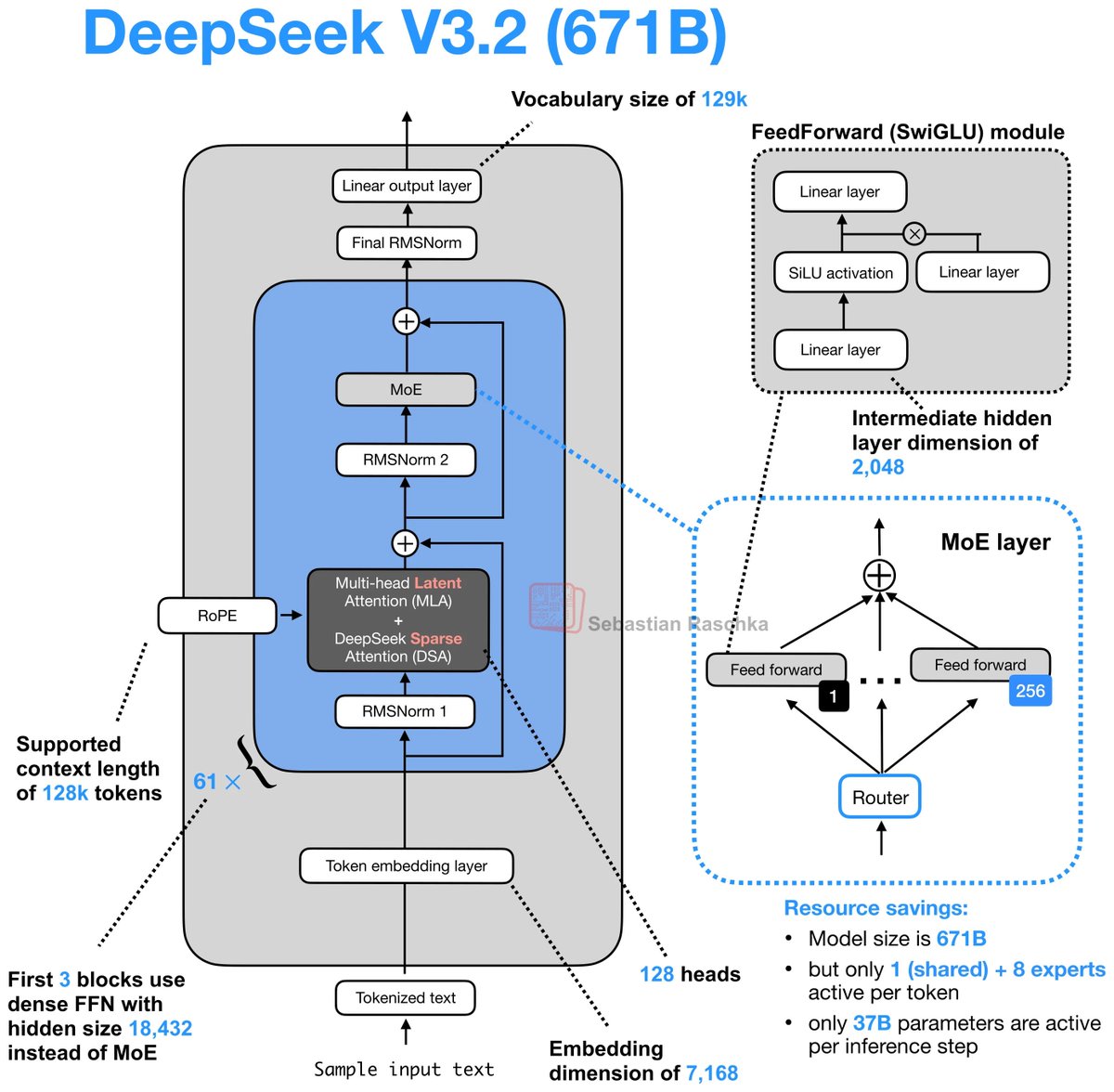
Day 83/365 of GPU Programming Looking at DeepSeek's Multi-Head Latent Attention today. The last part of the AMD challenge series is to optimize an MLA decode kernel for MI355X where the absorbed Q and compressed KV cache are given and your task is to do the attention computation. A resource that really helped internalize what MLA does was @rasbt's incredible visual guide to attention variants in LLMs (luckily he posted that last week!), which covers everything from MHA to GQA to MLA to SWA, et cetera. If there's one place to get a visual intuition for recent attention mechanisms, it's this blog post. @jbhuang0604's video on MQA, GQA,MLA and DSA was the best conceptual intro I found on the topic and progressively builds up the ideas from first principles. The Welch Labs analysis of MLA is a great watch as well. Beautiful visualization of the changes DeepSeek made for MLA. Tried out a few kernels once I had a basic understanding of MLA and I think I'm slowly getting more comfortable with at least analyzing kernels.
levi tweet medialevi tweet medialevi tweet medialevi tweet media
levi@levidiamode

Day 82/365 of GPU Programming Taking a closer look at Mixture of Experts today, so I can write better MoE kernels. Specifically, to optimize an MXFP4 MoE fused kernel for the GPU Mode challenge. I haven't had much prior exposure to MoEs, so lots of new concepts I learned today. Luckily I found the best intro to MoEs thanks to @MaartenGr visual overview of the topic. I then watched @tatsu_hashimoto's amazing Stanford CS336 lecture on MoEs, which added deeper context around why MoEs are gaining popularity, FLOPs, OLMoE, infra complexity, routing functions (mindblown this works so well...), expert sizes, training objectives, top k routing and DeepSeek variations. Once I had a basic understanding I started playing around with the some AITER kernels but progress there is tbd. Also had a nice chat with @juscallmevyom (who was kind enough to reach out!) about the AMD kernels and the challenge of materialization overhead.


English
12
144
1.4K
108.5K
Raju Ghorai retweeted
Aditya
Aditya@AdityaMandal_·
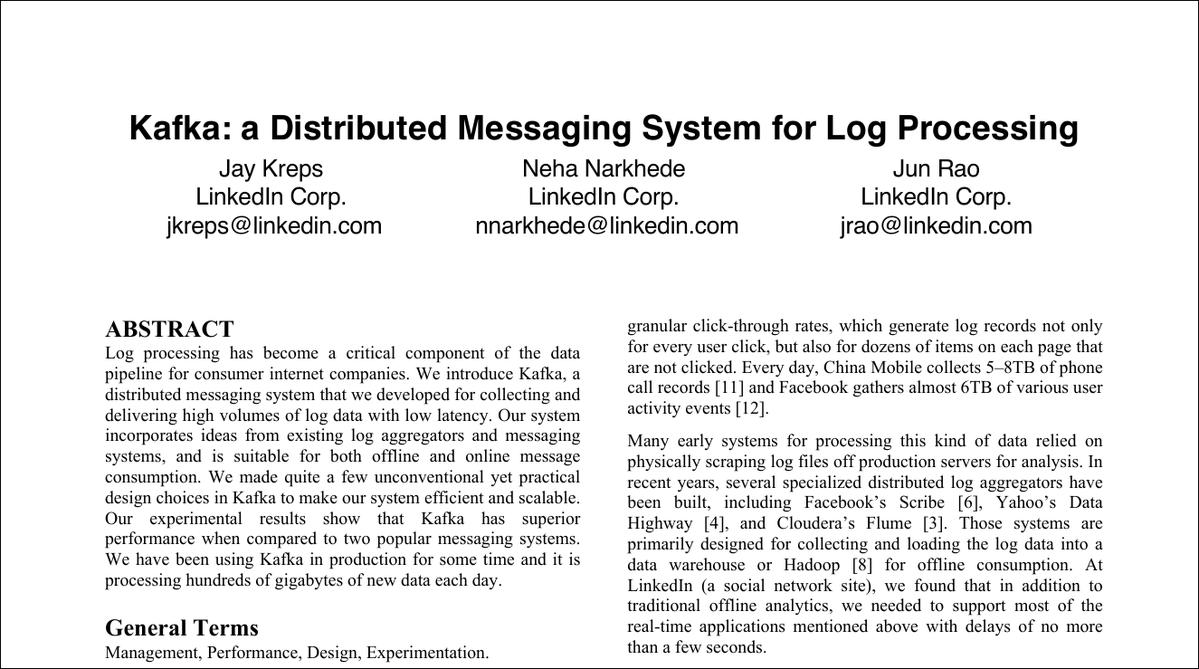
Finished reading the Kafka paper Time to implement this in Rust throughout the Weekend
Aditya tweet media
English
14
33
615
25.5K
Raju Ghorai
Raju Ghorai@coderj001·
@ollama I would prefer ollama for privacy but how it will compare to $20 subscription of codex or claude code
English
0
0
0
263
ollama
ollama@ollama·
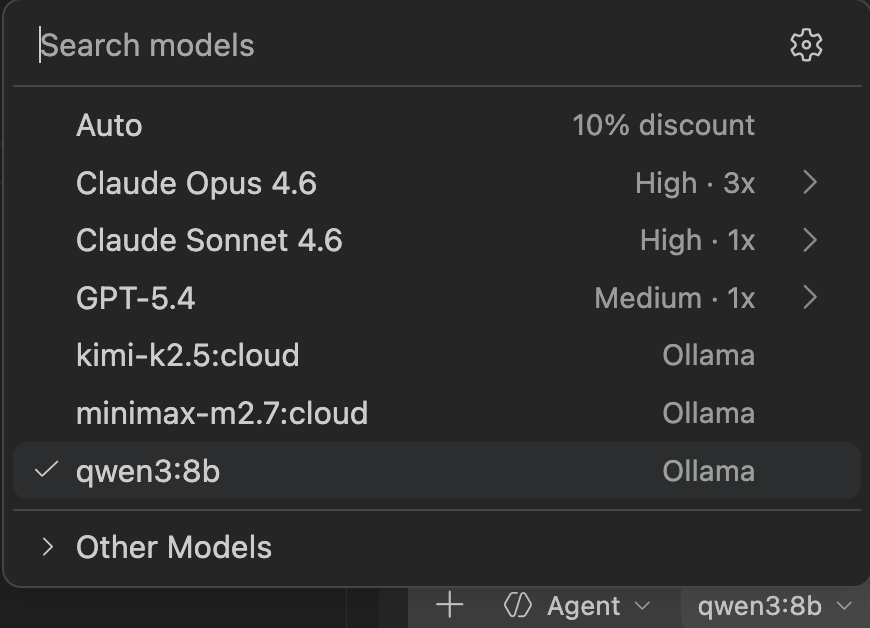
Visual Studio Code now integrates with Ollama via GitHub Copilot. If you have Ollama installed, any local or cloud model from Ollama can be selected for use within Visual Studio Code.

ollama tweet mediaollama tweet media
English
120
508
4.7K
344.8K
Raju Ghorai retweeted
Unsloth AI
Unsloth AI@UnslothAI·
We're releasing our final update to Qwen3.5 GGUFs for improved performance. - Qwen3.5 GGUFs now use our new iMatrix data for better chat, coding & tool use. - New improved quant algorithm - Re-download 35B, 27B, 122B GGUFs: huggingface.co/collections/un… Guide: unsloth.ai/docs/models/qw…
Unsloth AI tweet media
English
56
191
1.6K
147.2K
Raju Ghorai retweeted
Tech with Mak
Tech with Mak@techNmak·
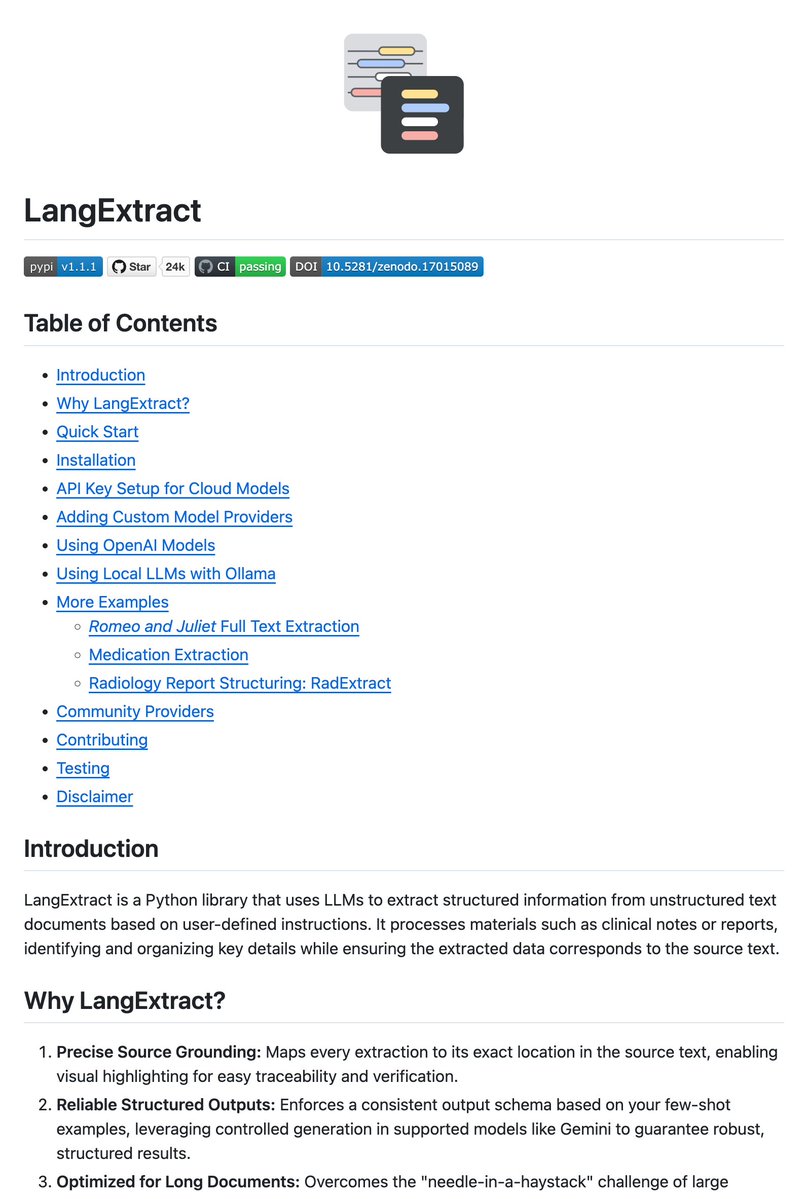
Google just killed the document extraction industry. LangExtract: Open-source. Free. Better than $50K enterprise tools. What it does: → Extracts structured data from unstructured text → Maps EVERY entity to its exact source location → Handles 100+ page documents with high recall → Generates interactive HTML for verification → Works with Gemini, Ollama, local models What it replaces: → Regex pattern matching → Custom NER pipelines → Expensive extraction APIs → Manual data entry Define your task with a few examples. Point it at any document. Get structured, verifiable results. No fine-tuning. No complex setup. Clinical notes, legal docs, financial reports, same library. This is what open-source from Google looks like.
Tech with Mak tweet media
English
164
784
8.2K
728.3K
Raju Ghorai retweeted
0ca
0ca@francisco_oca·
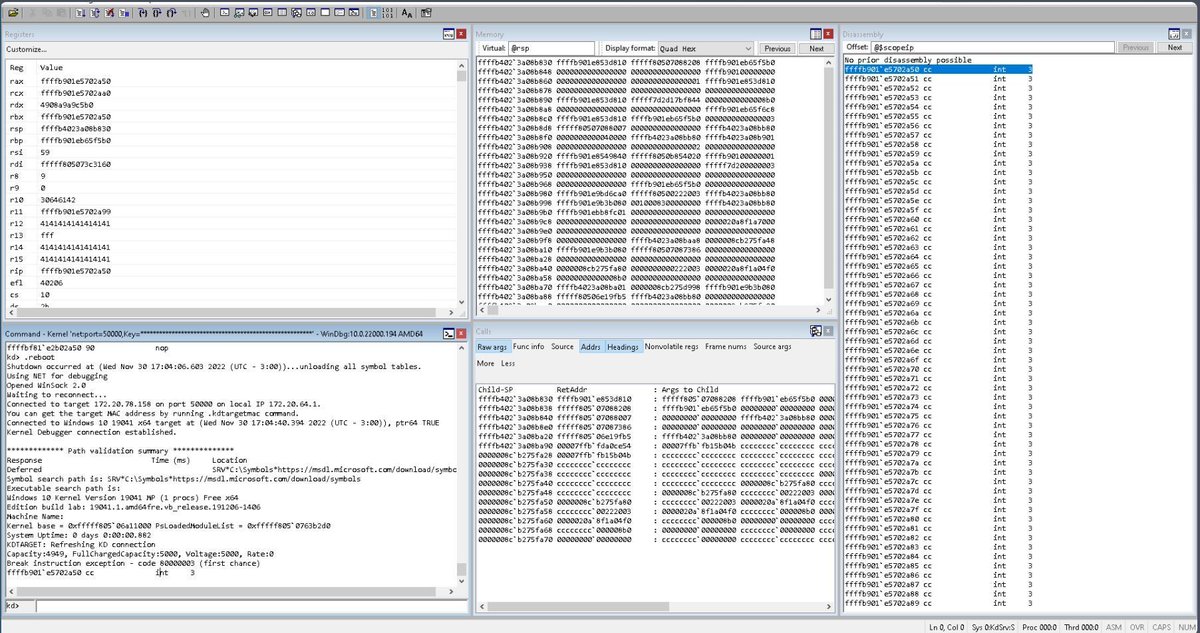
Kimi k2.5 is quite good at hacking (and it's cheap). It solved 24 out of the 25 HackTheBox machines in Starting Labs (Easy). 9 months ago Sonnet 4.0 solved only 15 of them. Capabilities are increasing fast and costs are going down. Explore traces, replay them (play button) or read the reports with an attack path diagram to see how Kimi did it github.com/0ca/BoxPwnr-Tr…
0ca tweet media
English
19
50
635
36.5K
Raju Ghorai retweeted
Daily Dose of Data Science
Daily Dose of Data Science@DailyDoseOfDS_·
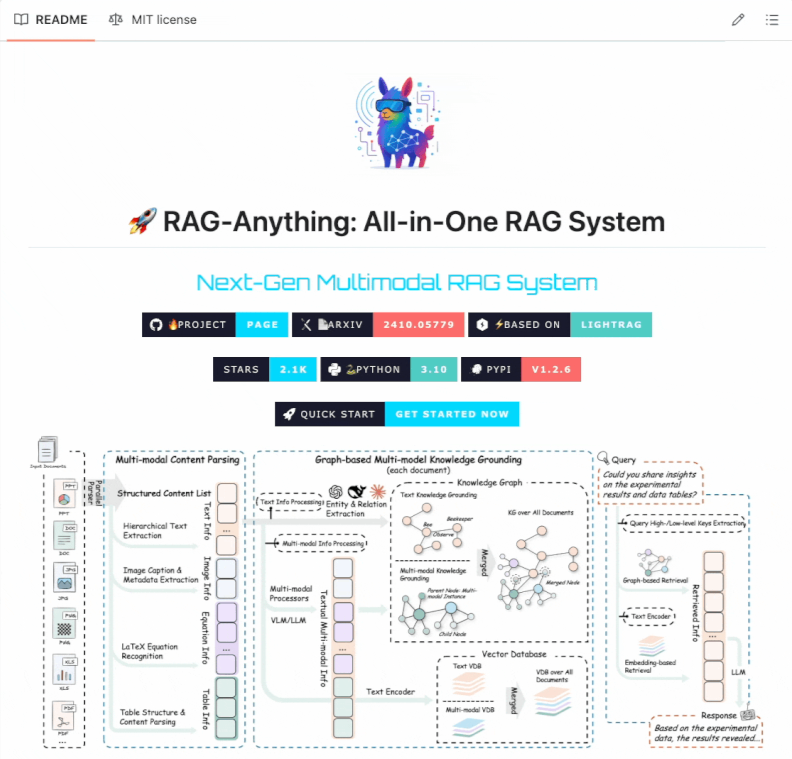
A graph-powered all-in-one RAG system! RAG-Anything is a graph-driven, all-in-one multimodal document processing RAG system built on LightRAG. It supports all content modalities within a single integrated framework. 100% open-source.
Daily Dose of Data Science tweet media
English
5
100
703
34.5K