
Pinned Tweet
👻
17.5K posts



👻 retweeted

I am a Black Palestinian ✊
We are not terrorists.
We are forgotten, starving, and displaced 💔
All we ask for is dignity, freedom, and life.🍉🇵🇸🕊️
chuffed.org/project/019df2…

SALEH IDRES@SALEHIDRES2004
I am a Black Palestinian ✊ We are not terrorists. We are forgotten, starving, and displaced 💔 All we ask for is dignity, freedom, and life.🍉🇵🇸🕊️ chuffed.org/project/019df2…
English
👻 retweeted

이런의견도 사실 맞음..그나라의 역사의 당사자들이 해도 소화하기 쉽지않은 시대설정인데 다른나라 다른인종이 다룰땐 더 고심해야함. 여기 예시로 한국하고 일본 식민지 시대 이야기를 다른나라에서 다른인종이 다뤘을때 우리는 어떻게 반응할까? 그럼 지금 반응도 납득이 가지.
mimi ♡@virtualangel39
노골적인 인종차별 선전이다. 이게 괜찮다고 진심으로 생각한다면, 이왕 하는 김에 1940년을 배경으로, 서울의 한 평민이 스스로를 일본 제국군 병사의 성노예라고 칭하는 BL 만화를 그려보는 건 어때? 넌 정말 제정신이 아니야
한국어
@Lilly_Pond3063 @marznotforu just a light correction: its on manta, not webtoon! 🙂↕️🙂↕️ although webtoon is also racist so its not wrong 2 shade them
English

@marznotforu ...webtoon seriously needs to background check the mother fuckers they let post on their platform because this is just disgusting.
English

so this doesn’t change anything. making a civil war au and actively making the black characters FACELESS and to the background...?
ElPnesoteDeJaekyung🥊🥵@SakaLaWeed
Sera por que nosotros si leeimos con los ojos abiertos y lit
English
@dreamtidings manta has just been going on a streak lately. has just been non stop (well deserved) lashings
English

@ddeifyruby Oh lolll yea I dropped that manhwa bc I was so disappointed. Sucks that Manta seems to be spiraling lately
English
👻 retweeted

👻 retweeted

btw the civil war setting is just to add a spicy edge to the indigenous man voluntarily calling himself a slave of the ever so kind and benevolent white slaveowner who frees a few slaves, while leaving all black characters as faceless and in the background. lmao.
English
👻 retweeted
like what's next? fujos swooning over IDF soldier x palestinian who had his home blown up yaoi set in 1949 jersulaem? korean commoner x japanese imperial soldier yaoi in 1940 seoul? imagine the outrage that would cause and yet this being the same thing means nothing apparently
English
@dreamtidings its abt that new manhwa that uses real historical events & slavery for honest 2 god the sex appeal of the slave ml. 😭 just lots of racism & colourism. a lot of jinx fans were defending it & in my head it all clicks... ofc it's jinx fans 💀
English
@ddeifyruby Idk what this is abt but that manhwa did irreparable damage to yaoi reputation so I support its lashings
English
👻 retweeted
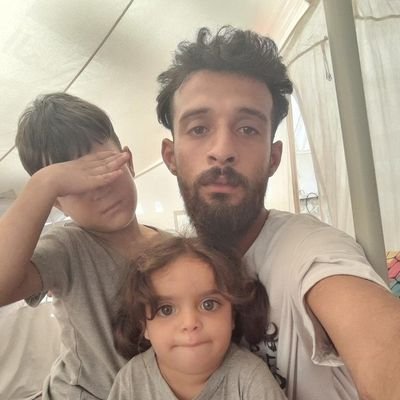
I send you my greetings from the heart of the tents in Gaza
If you care about us, please leave a comment and donate via the link below.
We desperately need $100.
chuffed.org/project/184861…
English

👻 retweeted

The pipeline of "oh i already know i want to be an artist of some sort when i grow up" ➡️ "oh god this field isn't sustainable i need a less creative job" ➡️ "oh my god im not passionate about literally anything how am i supposed to choose something fulfilling" is so real
English
hey so why did she set a real historical event as the backdrop 2 explore their relationship? 🙂 elaborate that for me
Lopez YD 𐔌՞ ܸ.ˬ.ܸ՞𐦯@XiaoMao157
#황야의노래 #SongoftheWasteland I’ve been reading a lot of opinions about the first chapter, and I think it’s important to separate the historical setting from the characters’ actions. The story takes place around the end of the American Civil War, a period deeply shaped by slavery and its aftermath. It’s a harsh historical reality, so it’s only natural that a story set during that time would acknowledge it. However, based on what we’ve actually seen in the first chapter, I don’t think the author is romanticizing slavery. In fact, the story shows the opposite. When Gerald is given the opportunity to make more money by selling the ranch along with the people living and working there, he refuses. Instead, he gathers everyone together, tells them they are free, that no one can buy or sell them anymore, and that they are free to leave whenever they wish. He even gives them part of the money from selling his Illinois estate so they can start over, keeping only what he needs to pay off his late father’s massive debts. That’s a decision that costs him financially, and it clearly establishes where he stands from the very beginning. Then Ezra appears. And this is an important detail: Gerald never calls Ezra a slave. In fact, he doesn’t even know who he is. His first reaction is simply to ask what’s going on and who this stranger is. It is Ezra who introduces himself by saying, “I’m your humble slave, Master.” That alone doesn’t automatically mean the story is glorifying slavery. It simply means we still don’t know the context behind Ezra’s words or what the author intends to explore through their relationship. I also think it’s important to remember that this is a fictional story set in a specific historical period. A work of fiction can include uncomfortable or painful subjects without necessarily endorsing or celebrating them. What ultimately matters is how those themes are handled throughout the story. Personally, I’d rather wait before jumping to definitive conclusions. We’re only one chapter in, and there’s still a tremendous amount of context we don’t have yet. If the story eventually romanticizes slavery, then that would absolutely deserve criticism. But based on what we’ve actually been shown so far, Gerald’s actions point in the opposite direction: he frees the people on his ranch rather than treating them as property. I think part of analyzing a story is allowing it the opportunity to tell the story it intends to tell before assigning it an intention that hasn’t yet been demonstrated.
English