Eric Wayte

4.6K posts

Eric Wayte banner
Eric Wayte

Eric Wayte

@ewayte

Retired IT professional. Member of LIFE at UCF. Army brat.

Orlando, FL Joined Ekim 2008
5.2K Following565 Followers
UCF Football
UCF Football@UCF_Football·
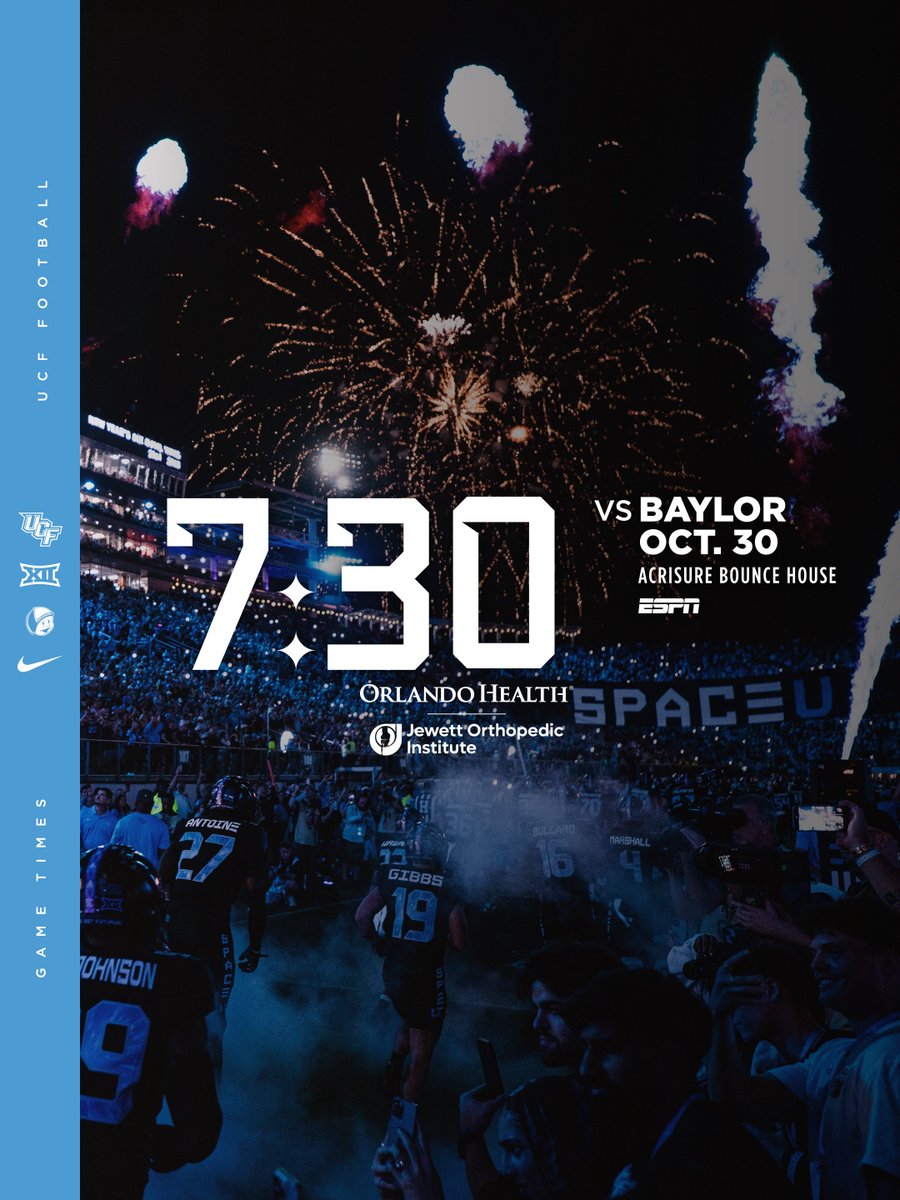
Mission X in prime time on ESPN 🚀
UCF Football tweet media
English
6
66
425
40.2K
UCF Football
UCF Football@UCF_Football·
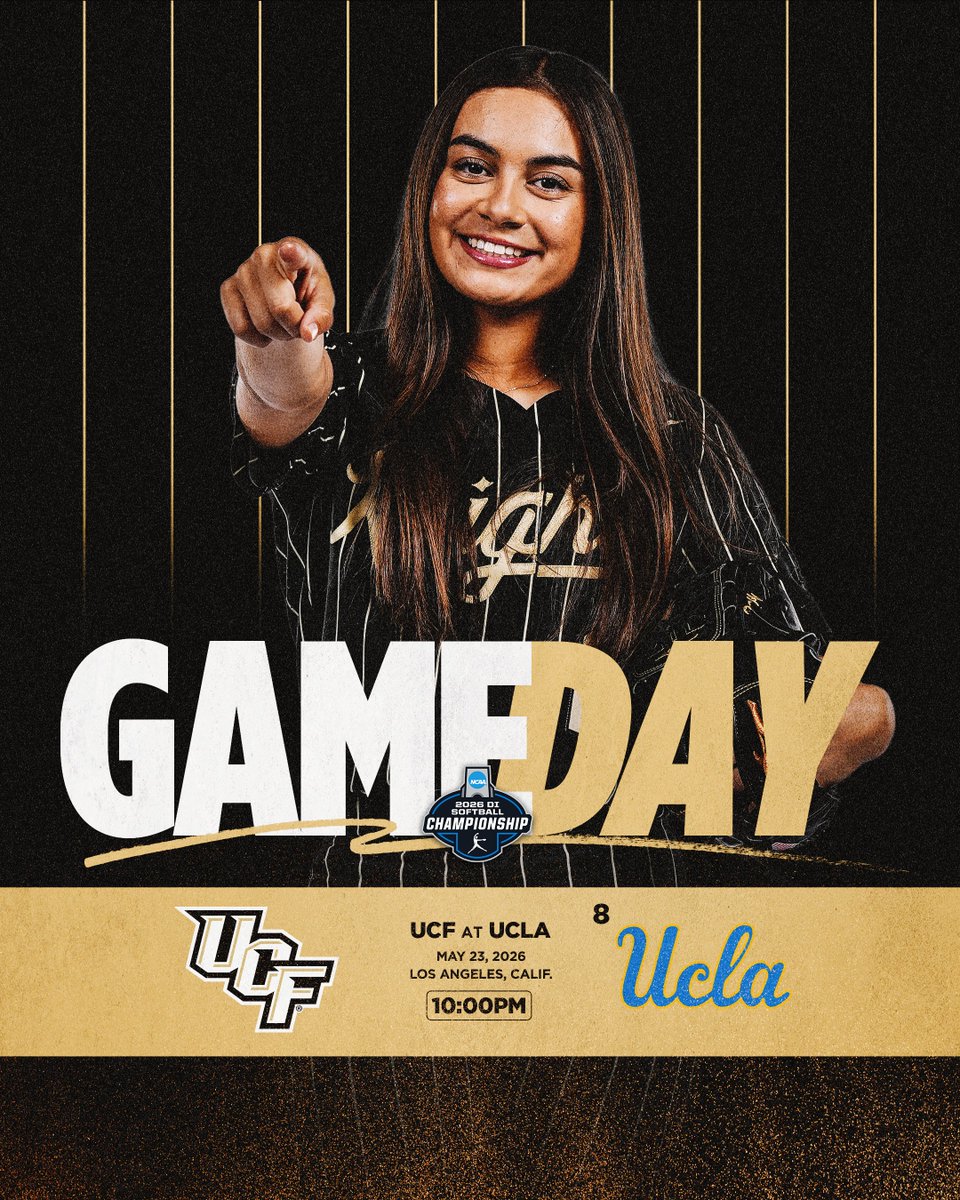
Up and working ☀️
UCF Football tweet media
English
2
17
146
4.7K
Noirchick In Old Hollywood
Martha Vickers #BOTD. After a memorable bit in "The Big Sleep ( 1946) her career stalled, but she remained a beautiful presence in numerous modeling photos...
Noirchick In Old Hollywood tweet media
English
13
36
749
8.1K
Back To The 80s
Back To The 80s@back21980s·
#onthisday American film and television actor Paul Xavier Gleason died on May 27, 2006, at a Burbank, California, hospital from pleural mesothelioma, a cancer of the lining of the lung connected with asbestos, which he is thought to have contracted from asbestos exposure on ...
Back To The 80s tweet media
English
160
75
2.2K
1M
Digital Daisy🌸
Digital Daisy🌸@DigitalDaisyX·
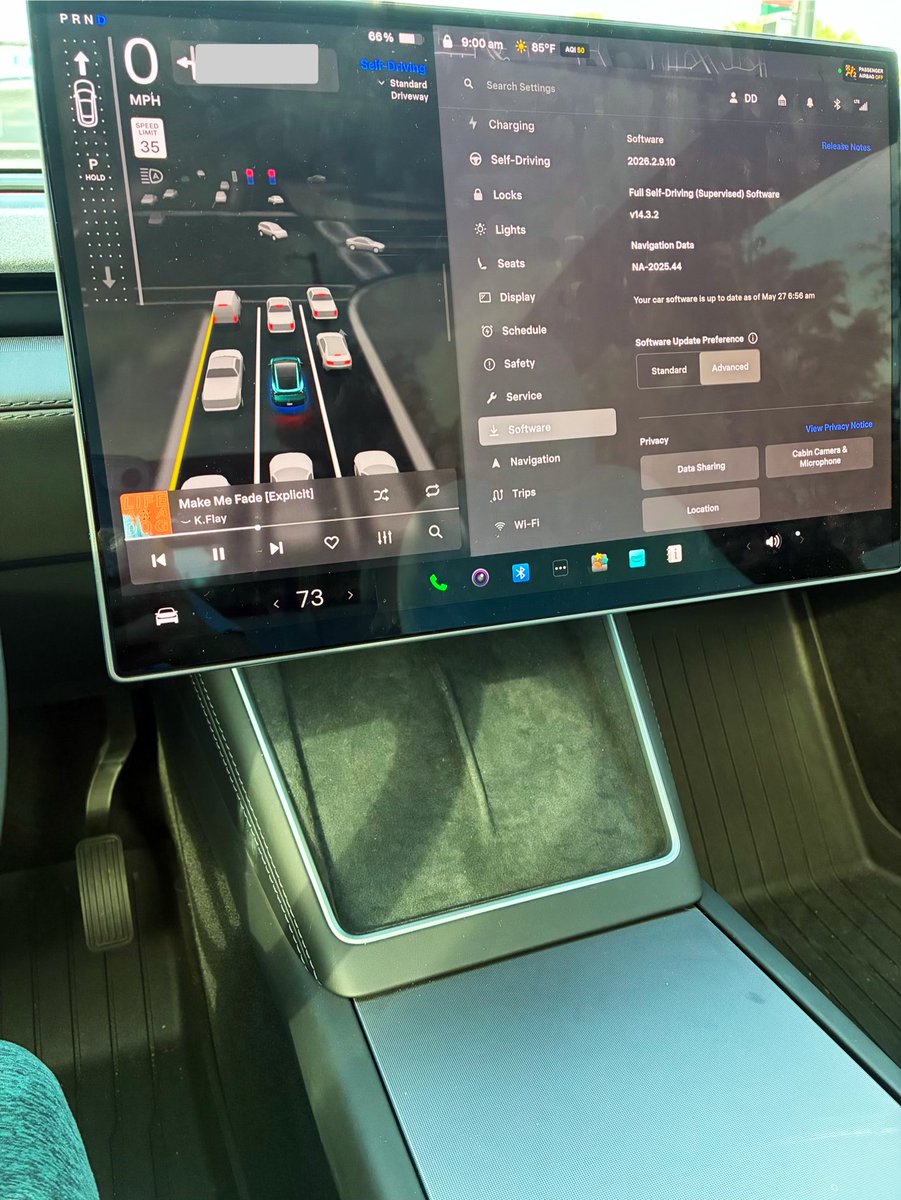
Still on 14.3.2… anyone else? Spring 14.3.3 said ‘coming soon’ and disappeared into the void
Digital Daisy🌸 tweet media
English
147
5
274
20.9K
Matt Wallace Tech
Matt Wallace Tech@MattWallaceTech·
Anybody else still on V14.3.2? I wish Tesla would be a bit quicker when it came to software updates.
English
112
2
176
14.1K
Eric Wayte
Eric Wayte@ewayte·
@PhillipsColinG @wholemars @grok I would rather that my Tesla “watch and learn” when I’m not using FSD. If I enable it for a route I’ve driven before, then use that route, or at least offer it as a choice.
English
0
0
0
17
Colin Gilchrist
Colin Gilchrist@PhillipsColinG·
@ewayte @wholemars Have you tried plotting your route with @grok? Long-press on the right-most lower button. Tell Grok where you are going and your preferred route. It will plot perfectly. Also - don't like where you are going and want to go somewhere else? Just ask Grok to reroute you.
English
3
0
1
45
Whole Mars Catalog
Whole Mars Catalog@wholemars·
What’s your most wanted Tesla feature request for the next software update?
English
1.7K
30
760
281.4K
Adam
Adam@_Adam_Holland·
@ewayte @wholemars I don’t have a Tesla so this may be a dumb question, but why would you prefer your routes? By definition isn’t the car going to take the fastest route?
English
4
0
1
78
Jon The Liquidator
Jon The Liquidator@JonLiquidator·
🚨Tiffany Hayes IN HOT WATER For PROMOTING SERIOUS VIOLENCE NEEDS TO BE DONE TO CAITLIN CLARK ASAP‼️ youtu.be/Evby6aEW8FM
YouTube video
YouTube
English
6
21
93
3.1K
UCFacts ✌🏽A Gritty Inclusive UnderDog Culture
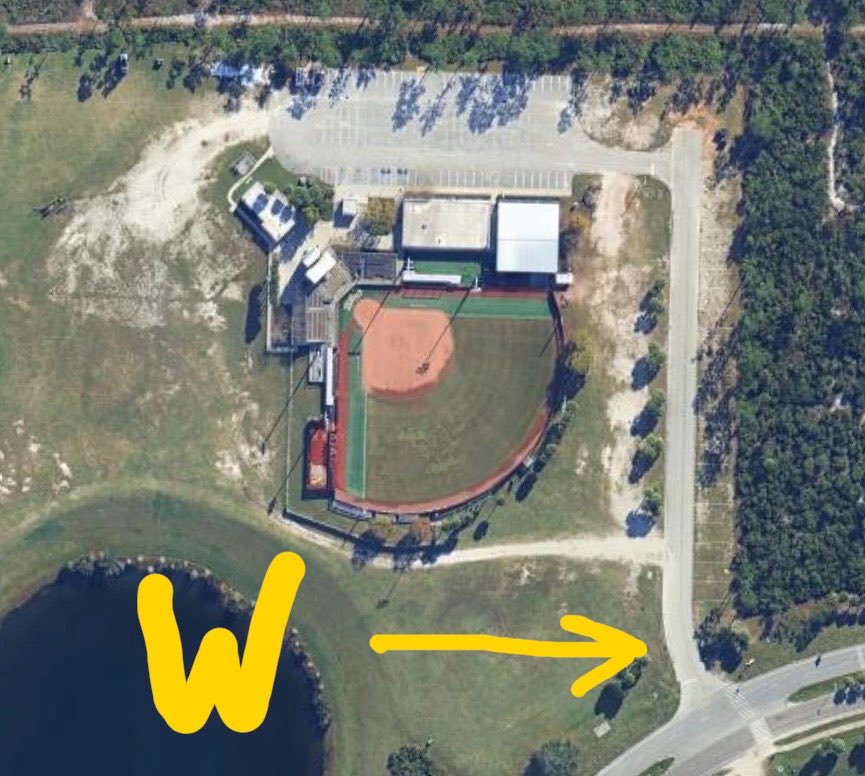
The @UCF_Softball complex is unique due to its orientation facing NWest. Over 95% of Softball & Baseball stadiums orient to the NEast so that Press Boxes and stands can create shade for the fans. If the 🥎Stadium is rebuilt should it continue to face the west ☀️?
UCFacts ✌🏽A Gritty Inclusive UnderDog Culture tweet media
English
4
2
27
3.4K
Noirchick In Old Hollywood
Hammer Horror Hotties....who could happily haunt you? Caroline Munro or Ingrid Pitt?
Noirchick In Old Hollywood tweet media
English
78
26
601
14.2K
Eric Wayte retweeted
Mike Netter
Mike Netter@nettermike·
A Norwegian neuroscientist spent 20 years proving that the act of writing by hand changes the human brain in ways typing physically cannot, and almost nobody outside her field has read the paper. Her name is Audrey van der Meer. She runs a brain research lab in Trondheim, and the paper that closed the argument was published in 2024 in a journal called Frontiers in Psychology. The finding is brutal enough that it should have changed every classroom on Earth. Sometimes the students wrote the word by hand on a touchscreen using a digital pen, and sometimes they typed the same word on a keyboard. Every neural response was recorded for the full five seconds the word stayed on screen. When the students wrote by hand, the brain lit up everywhere at once. The regions responsible for memory, sensory integration, and the encoding of new information were all firing together in a coordinated pattern that spread across the entire cortex. The whole network was awake and connected. When the same students typed the same word, that pattern collapsed almost completely. The reason turned out to be something nobody had really paid attention to before her work. Writing by hand is not one motion but a sequence of thousands of tiny micro-movements coordinated with your eyes in real time, where each letter is a different shape that requires the brain to solve a slightly different spatial problem. Your fingers, wrist, vision, and the parts of your brain that track position in space are all working together to produce one letter, then the next, then the next. Typing throws all of that away. Every key on a keyboard requires the exact same finger motion regardless of which letter you are pressing, which means the brain has almost nothing to integrate and almost no problem to solve. Van der Meer said it plainly in her interviews. Pressing the same key with the same finger over and over does not stimulate the brain in any meaningful way, and she pointed out something that should scare every parent who handed their kid an iPad. Children who learn to read and write on tablets often cannot tell letters like b and d apart, because they have never physically felt with their bodies what it takes to actually produce those letters on a page. A decade before her, two researchers at Princeton ran the same fight using a completely different method and ended up at the same answer. Pam Mueller and Daniel Oppenheimer tested 327 students across three experiments, where half took notes on laptops with the internet disabled and half took notes by hand, before testing everyone on what they actually understood from the lectures they had watched. The handwriting group won by a wide margin on every question that required real understanding rather than surface recall. The reason was hiding in the transcripts of what the two groups had actually written down. The laptop students typed almost word for word, capturing more total content but processing almost none of it as they went, while the handwriting students physically could not write fast enough to transcribe a lecture in real time, which forced them to listen carefully, decide what actually mattered, and put it in their own words on the page. That single act of choosing what to keep was the learning itself, and the keyboard had quietly skipped the choosing and skipped the learning along with it. Two studies. Two countries. Same answer. Handwriting makes the brain work. Typing lets it coast. Every note you have ever typed instead of written went into your brain through a thinner pipe. Every meeting, every book highlight, every idea you captured on your phone instead of on paper was processed at half depth. You did not forget those things because your memory is bad. You forgot them because typing never woke the part of the brain that would have made them stick. The fix is the thing your grandmother already knew. Pick up a pen. Write the thing down. The slower road is the faster one.
Mike Netter tweet media
English
28
340
789
28.7K
Emily Zanotti 🦝
Emily Zanotti 🦝@emzanotti·
Oh man to be a 6-year-old boy completely crashed out and getting the best sleep of his life after celebrating the last day of school with pizza and cupcakes at the trampoline park. I don’t know if they were still awake when their heads hit the pillows lol
English
8
3
538
7.2K
Chris S. Cornell
Chris S. Cornell@BiggestComeback·
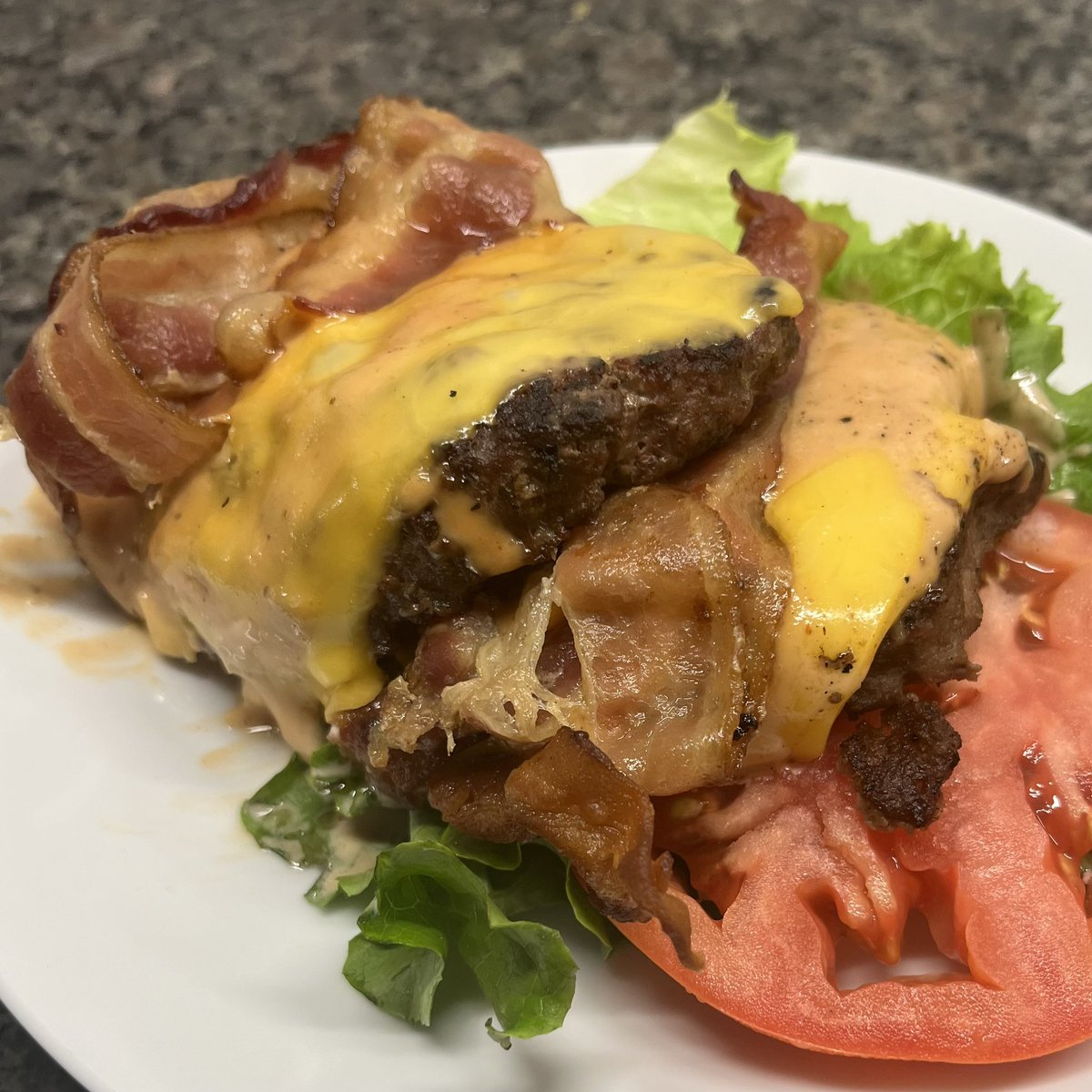
“How do you handle the monotony of a low-carb diet?”
Chris S. Cornell tweet media
English
27
6
166
4.6K