
عدالة 🇵🇸🇮🇱
11.9K posts
عدالة 🇵🇸🇮🇱
@hyperionzan
I stand with Israel that means I am pro palestine against propaganda
Joined Mayıs 2022
447 Following152 Followers

Deutsch

@johannesboie @BiologischEcht Es vergeht kein Tag an dem unsere christliche Bevölkerung nicht ausgeraubt,abgestochen oder vergewaltigt wird.
Unsere Kirchen brennen,unser öffentlicher Raum wird uns genommen,unsere Sozialsysteme geplündert.
Nichts geschieht.
Erst wenn Juden betroffen sind ist es ein Problem...
Deutsch
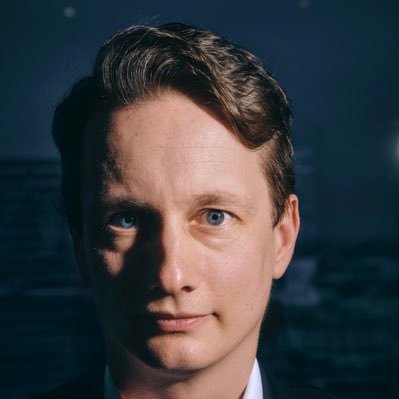
Es vergeht kaum ein Tag im Westen, an dem Juden nicht tätlich angegriffen werden. Ein Massaker in Bondi Beach, knapp gerettete Schüler in den USA, Schüsse auf ein Restaurant in Kanada – in Europa weitgehend dasselbe Bild. Wann wird radikal durchgegriffen? #deutscheVerantwortung
Aviva Klompas@AvivaKlompas
🔴 BREAKING: A gunman opened fire outside a Jewish-owned restaurant in Toronto, firing 14 shots and shattering the front windows. ctvnews.ca/toronto/articl…
Deutsch

Deutsch

Zug-Attentäter mit Koran ein "Rechtsextremer"?
Bei dem 20-jährigen, der am Donnerstag Abend in Frankfurt am Main den ICE bestieg, anschließend eine Softair-Granate explodieren ließ, 12 Menschen verletzte und in seinem Rucksack Messer und weitere Granaten hatte, also offensichtlich Menschen töten wollte, fand man neben Hitlers "Mein Kampf" auch noch den Koran.
Was ist das nun - ein Rechtsextremist, der den Islam mag oder ein Islamist, der Hitler gut findet?
Von der letzteren Spezies gibt es weitaus mehr. Wer sich fragt, warum in der Türkei und der arabischen Welt "Mein Kampf" ein Bestseller ist und viele Islamisten Hitler verehren, bekommt in nicht wenigen ideologischen Gemeinsamkeiten zwischen Politischem Islam und National-Sozialismus die Antwort.
Der BILD-Artikel ist leider hinter Bezahlschranke. Es wäre interessant, zu erfahren, ob der Attentäter den Koran im Rucksack mit sich führte oder ob dieses Anleitungs-Buch bei ihm zuhause gefunden wurde.
Für einige Mainstream-Medien scheint es regelrecht ein Aufatmen zu geben, dass dieser Attentäter ausnahmsweise mal kein Islamist, sondern ein vermeintlich "Rechtsextremer" sein soll. Aber dieses Framing dürfte wohl nicht allzulange zu halten sein..

Deutsch
@RobertBrecyg @MichaelStuerzi aha Hitler und Himmler als Leumund zu nehmen. Die waren ja auch, wie wir wissen Experten des Judentums.
Deutsch

@MichaelStuerzi Hitler und Himmler waren im übrigen sehr angetan vom Islam. Von daher sind Koran und „Mein Krampf“ keinesfalls widersprüchlich. Auch Höcke geht auf Kuschelkurs mit der HamaSS und eine Distanzierung von den Mullahs hat Chrupalla bislang nicht übers Herz gebracht.
Deutsch
@HResinger @MichaelStuerzi Unsinnn. Die Linken also SPDler lies Hilter als erstes einsperren. Hitler war ja gegen den Bolschewismus, eine linke Bewegung.
Deutsch

@MichaelStuerzi Nebenbei was Hitler ein waschechter Linker der die Zusammenarbeit mit dem Islam suchte. Wie heute. Linke und Islam werden vom selben Geist getrieben. Hat überhaupt nichts mit rechts zu tun.
Deutsch
@PolitRealist und in der IDF dienen das geht dann. Das ist übrigens verboten in einem auländischen Militär zu dienen. Israel ist die Ausnahme
Deutsch



@queru_lant Weil die Ideologie dafür sorgt dass diese perversen einen Haufen Kohle verdienen, in Saus und Braus leben(und das auf Kosten der verblödeten Bevölkerung, die sie genau dafür ungebildet halten ) Die selbst leben alle ein ganz anderes Leben. Hamas genauso !!!
Deutsch
Deutsch

Bei aller Kritik an der @Tagesschau sollte nicht vergessen werden, dass die Nahost-Berichterstattung des @DLF auch eine Katastrophe ist.

Deutsch

@Faktencheck2030 Der Typ war als 30jähriger Mann mit einer minderjährigen (16) zusammen und hat sie geheiratet, als sie 18 wurde. Die Vorbilder linker Menschen werden auch immer ekelhafter. Pädos, Terroristen, Islamisten…ihr seid echt nicht mehr zu retten 🙄
Deutsch
Sadio Mané, ein senegalesischer Fußballstar, verdient jährlich rund 10,2 Millionen Dollar. Er sorgte für einen Schock, als einige Fans fassungslos reagierten, weil er ein kaputtes iPhone 11 bei sich trug. Seine Antwort war beeindruckend:
„Warum sollte ich zehn Ferraris, 20 Diamantuhren und zwei Privatjets wollen? Ich habe gehungert, auf den Feldern gearbeitet, Fußball gespielt und bin nicht zur Schule gegangen. Jetzt kann ich anderen helfen. Ich baue lieber Schulen und gebe armen Menschen Essen und Kleidung. Ich habe Schulen und ein Stadion gebaut und versorge Menschen in extremer Armut mit Kleidung, Schuhen und Essen. Außerdem spende ich monatlich 70 Euro an alle Menschen aus einer sehr armen Region Senegals, um ihre Familien zu unterstützen. Ich brauche keine Luxusautos, Luxushäuser, Reisen oder gar Flugzeuge. Ich möchte, dass meine Landsleute etwas von dem abbekommen, was mir das Leben geschenkt hat.“
Alvin Foo@alvinfoo
Sadio Mane, a Senegalese soccer star, earns approximately $10.2 million annually. He gave the world a rude awakenng after some fans were flabbergasted when they saw him carrying a cracked iPhone 11. His response was awesome: "Why would I want ten Ferraris, 20 diamond watches, and two jet planes? I starved, I worked in the fields, played brefoot, and I didn't go to school. Now I can help people. I prefer to build schools and give poor people food or clothing. I have built schools and a stadium, provide clothes, shoes, and food for people in extreme poverty. In addition, I give 70 euros per month to all people from a very poor Senegalese region in order to contribute to their family economy. I do not need to display luxury cars, luxury homes, trips, and even planes. I prefer that my people receive some of what life has given me.
Deutsch
@LeifSabic Imperialismus ist eine europäische Erfindung genau wie der Antisemitismus. Wie kann man nur so blank sein
Deutsch

Wenn der Islam tatsächlich ein normaler Teil Deutschlands sein soll, warum wird der nicht genauso scharf und oft im Mainstream verspottet wie das Christentum?
Warum wird seine Geschichte (Sklaven, Imperialismus, Antisemitismus, Frauen…) nicht kritisch aufgearbeitet?
Alexander Steffen@Alex__Steffen
„Hihi die Christen sind so dumm und widersprüchlich, wenn sie Ostern feiern.“ Gab es beim ÖRR eigentlich die letzten Wochen nur einen satirischen Beitrag über den Islam und seine Bräuche? Nein? Wir wissen alle warum, nur ist der Hintergrund nicht lustig…
Deutsch
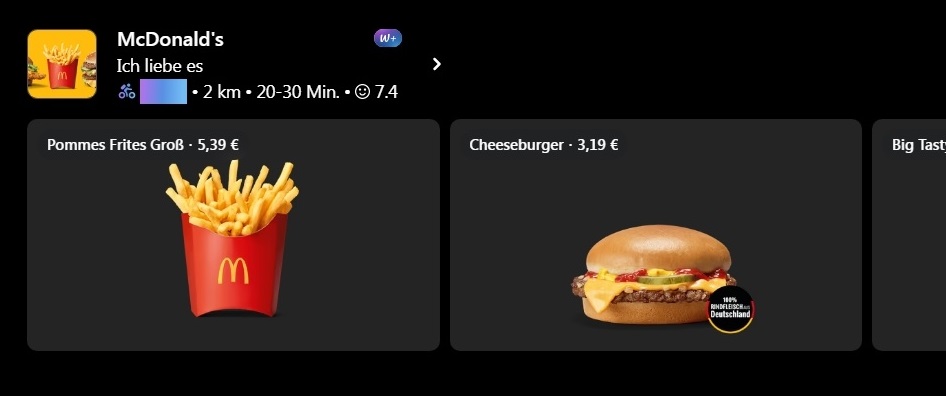
@_meinereiner_ @McDonalds ich weiß noch den Cheeseburer für 1 Euro
Deutsch

HAHAHAHAHAHAHAHAHAHAAHAHAHAHAHAHAHAHAHAHAHAHAHAAHAAHAHAHAHAHAHAHAHAHAHAHAHAHA
geht kacken, @McDonalds 🤡
Filipino
@MalaPatch @mupfelia denk mal kurz nach. "Bei dir" wäre sehr gruselig
Deutsch

Krebs ist und bleibt ein Arschloch. Können wir das mal so zu Protokoll nehmen?
Von Diagnose bis zum Tod knappe drei Monate… #FuckCancer
GIF
Deutsch

und es giebt noch genug Arschlöcher in Deutschland, die keine Waffen in die Ukraine liefern wollen, damit sich die Menschen gegen sowas verteidigen können. Die Friedensaktivisten auf den Strassen sind die eigendlichen Terroristen
Deutsch
@Nightmare_Snake ist doch klar , sterben sollen immer die anderen. Wie bei den Klitschkos.
Deutsch

Vor einem Jahr saß Katharina Dröge die Grünen-Fraktionschefin bei #Lanz und verweigerte die Aussage, auf die Frage, ob sie ihre Kinder in den Krieg ziehen lässt.
Auch so ein Paradebeispiel, die deutsche Politik ist Kriegsgeil, aber will ihre Familie nicht in den Krieg schicken.
Deutsch
@JurgenSprenger @A_PoppOffiziell das sehen Juden und Christen anders. Ich mein unter Assad gab es nur Zerstörung. Jetzt kommen erste Investitoren nach Syrien
Deutsch
@A_PoppOffiziell In Syrien wird nichts aufgebaut, nur die Herrschaft der gemäßigten Kopfabschneider zementiert.
Deutsch

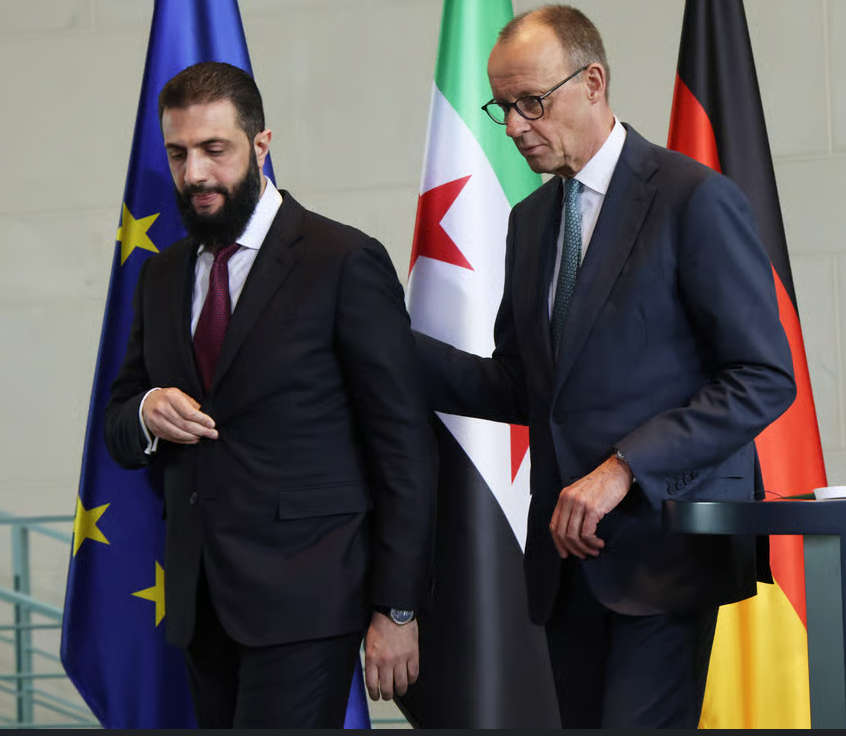
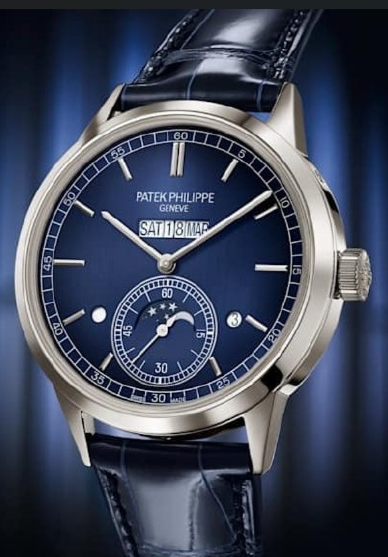
Der syrische Präsident Ahmed al Sharaa trug offenbar beim Besuch in Berlin eine
Patek Philippe Ref. 5236P-001
Eine solche Armbanduhr kostet rund 150.000.- Euro
Wir sind der deutschen Regierung dankbar, dass sie sich bereit erklärt hat, auf Kosten des deutschen Steuerzahlers den Wiederaufbau Syriens mitzufinanzieren.
Da schnallt man doch gern den Gürtel enger und stellt schon mal die Heizung ein paar Grad kälter.
Deutsch
Deutsch

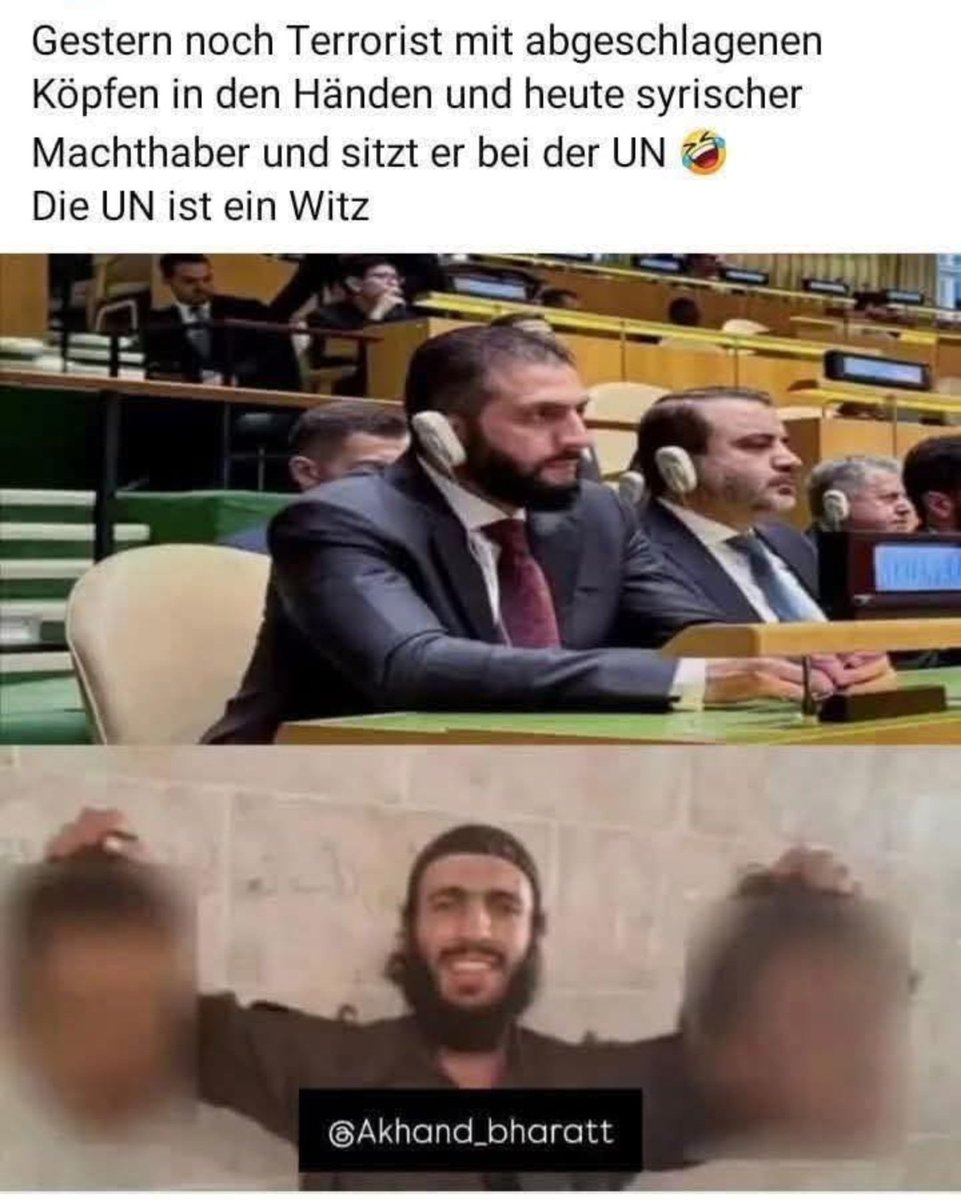
@A_PoppOffiziell das war ein Geschenk vom König von Saudi Arabien
Deutsch
@YahudiBrudi nein, weil Zionismus Landnahme heißt. Sollen die Zionisten doch mal ihre Grenzen festlegen wo sie Israel sehen, machen sie mit Absicht nicht.
Deutsch

Will sich unter keinen Umständen mit dem Zionismus arrangieren.
MEME
Beschreibt, wie man sich mit dem Zionismus arrangieren könnte.
عدالة 🇵🇸🇮🇱@hyperionzan
@YahudiBrudi mit diesem Zionismus kann man sich nicht "arrangieren". Der Besatzer muss sich bewegen, heißt Rückzug auf die Grenzen von 1967. Die Pro-Israel Bewegung ist hauptsächlich damit beschäftigt die paläst. Nationalbewegung zu kriminalisieren anstatt sich damit zu arrangieren.
Deutsch