Every time I see another headline announcing mass layoffs I picture a guy driving an open-top tour bus under a bridge.
"14 ft clearance," the sign reads.
"No worries," the driver thinks. "The bus is 14 ft."
The bus will make it.
Not so much for the riders sitting on the top deck.
The driver realizes this and then affirms to himself that such things are not his responsibility. His task is to drive the bus.
Perhaps the top-deck tourists will duck. If they are “agile,” they may see what's ahead and scramble into the lower deck.
Everyone on the bus has some responsibility. But the final responsibility rests with the driver.
Dive in 🌊
Getting onchain is like submersing yourself in the ocean.
At first, it's uncharted territory, then you master the basics and dive deeper, discovering a world of endless possibilities.
You could get rekt, or you can thrive. Trust the process and just keep swimming.
In 2022, I left my corporate job for my own business.
It took me over 12 years to leave.
And it wasn’t easy.
I made a lot of mistakes along the way that slowed me down.
Here's how you can learn from my mistakes as you plan your exit from corporate:
1/ Clear Vision
I knew I wanted to leave.
I was motivated.
But I didn't have a clear idea of what I wanted to do.
So I tried a lot of different things that could make me money:
• Blogging
• Affiliate marketing
• Amazon product sales
In the end, I dropped all of these things.
Sure they could make me a lot of money.
But they didn't interest me.
It was only when I got a coach who helped me work through this question:
"What do you REALLY want to do in your business, Heather?"
That things started moving for me.
2/ Concrete Roadmap
During my career, I was the Startup Manager for a few multi-billion dollar offshore facilities.
In order to have a successful startup, we started planning years ahead of the event.
Our plans were not static by a long shot.
There were a lot of moving parts.
If one part got out of sync, we had to adjust our schedule and see what we could do to maintain our planned date.
I knew I could apply the same skills to my business:
• Planning
• Flexibility
• Removing roadblocks
This allowed me to seamlessly leave corporate.
3/ Confident Identity
I started coaching part-time in 2014.
Even though I had a roadmap, it took me forever to leave.
What was missing?
Identity.
I knew I was good at my craft based on client results.
But I hadn’t shifted my identity from employee to business owner.
Once I did that, things took off for me.
And a few years later, I walked out of corporate and into my own business the next day.
In summary, I:
• Became crystal clear on what I wanted
• Developed a plan that would make my dream biz a reality
• Worked on shifting my identity to be a business owner
Want more?
Follow @txcareercoach if you liked this post.
DM me "vision" if you want some help on planning your exit
Tapping back into my creative talents & worked on a photo shoot last night for DC artist, Priscilla Medina. We styled this together, I shot the photos. Feeling REALLY good about this! We have entered into a partnership where I will be her exclusive photographer moving forward!
Most business aren’t taking advantage of emailing often.
It’s a massive crux to their connection and conversions.
So they end up losing free revenue and high-quality customers.
How can we avoid this?
1. Email to one reader.
If you’re talking to your whole customer base, you miss out on ACC.
(Attention, Connection and Conversions)
Write as if you’re talking to your dream customer.
And while you’re at it…
2. Make it fun
No one reads boring emails.
So don’t send boring emails.
Tell stories, give funny customer reviews, talk about your team.
Anything to hold real estate in the reader’s mind.
And how do you do that?
3. Tell more stories.
I can’t emphasize this enough:
You need to storymaxx.
Tie stories and lessons to your offer.
Make it something people have never seen before.
Because at the end of the day…
People remember stories over poor ad copy.
Stories Sell.
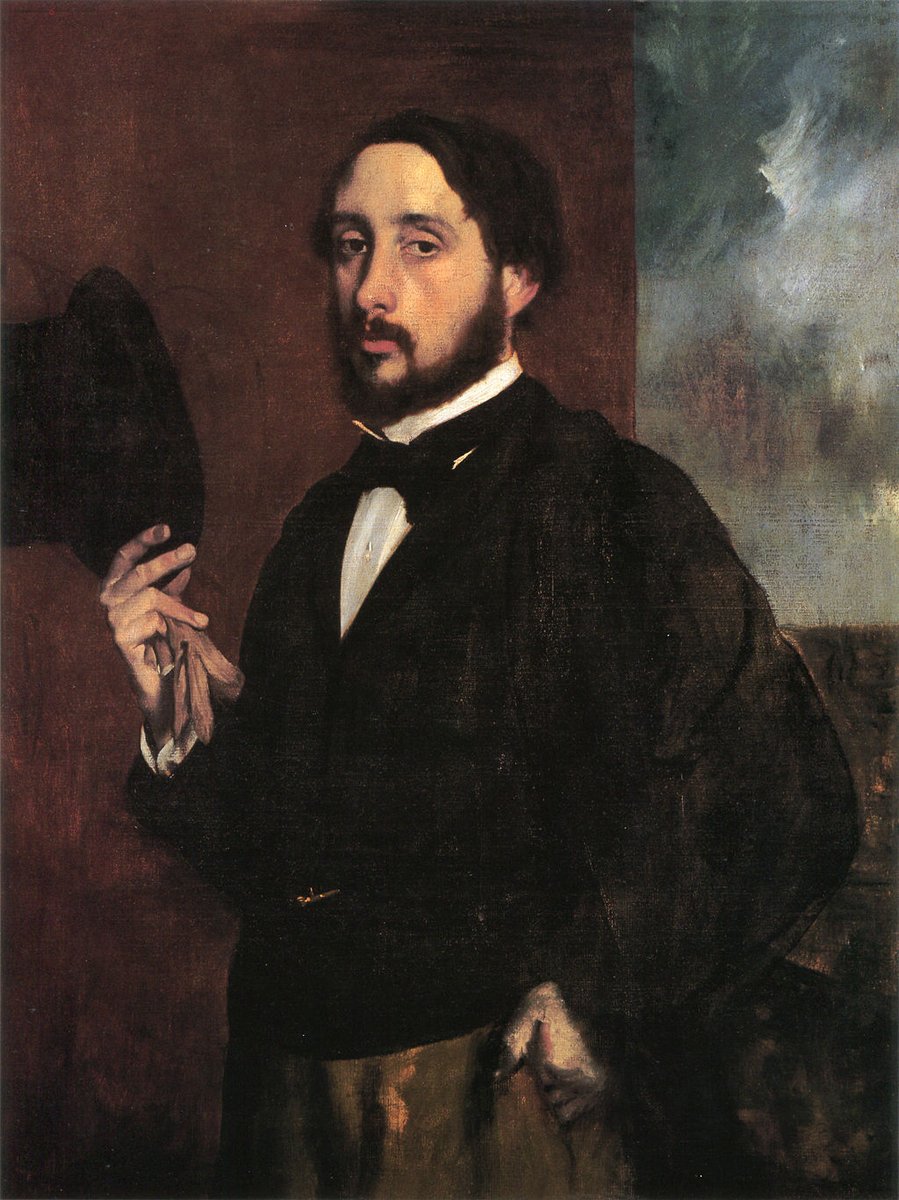
He battled with eyesight problems throughout his life but persisted to become a master in depicting movement, as seen in his ballet dancers and racehorse paintings.