سالار شریفزاده
22.5K posts


@KambizGhafouri @allenekba امثالِ این انگلِ روده سفلهای بیش نیستند،پاچهخوارانِ بیخودیالملک.
فارسی

به عنوان یک شکستخورده از «ابله» تحسین میکنم آنان که با تردیدهای ناستاسیا و تغییر تصمیمهای شاهزاده کنار آمدند و کتاب را تمام کردند.
از «کوه جادو» چهار بار شکست خوردم. از «ابله» سه بار. «داستان دو شهر» دوبار.
Ali@St_A92
اینجا، شب قبل از کشته شدن ناستاسیا فیلیپوونا، پرنس متوجه میشه که ناستاسیا داشته «مادام بوواری» میخونده (خط دهم به بعد). ببین داستایفسکی چقدر ریزبینانه به کوچکترین جزییات توجه میکرده و چه پلی ساخته بین اِمای فلوبر و ناستاسیای خودش.
فارسی
سالار شریفزاده retweeted

دوستان من به شدت نیاز به کار دارم. هرچی. از شش ماه گذشته که بیکار شدم، هرچی تلاش کردم نشد و نتونستم جایی کار بگیرم و پسندازم آخراشه. شرکت ثبت شده دارم، چالیشما دارم، متاسفانه ترکی بلد نیستم اما کاملا به انگلیسی مسلط هستم. سابقهی بیش از چهار سال کار توی یه شرکت ترک رو دارم که سر جریان مزخرف مکانیزم ماشه تعدیل شدم و برای حفظ چالیشما مجبور به ثبت شرکت شدم. سابقه کار تخصصی برنامه نویسی فول استک، devops، مدیریت سرورهای لینوکسی، طراحی وب، وردپرس و ووکامرس و… رو دارم و در وضعیت فعلی حتی با کار جنرال هم مشکلی ندارم، همینکه هزینههای جاریم رو پوشش بده فعلا کفایت میکنه برام.
ممنون میشم اگر موردی سراغ داشتید بهم بگید.
فارسی
سالار شریفزاده retweeted

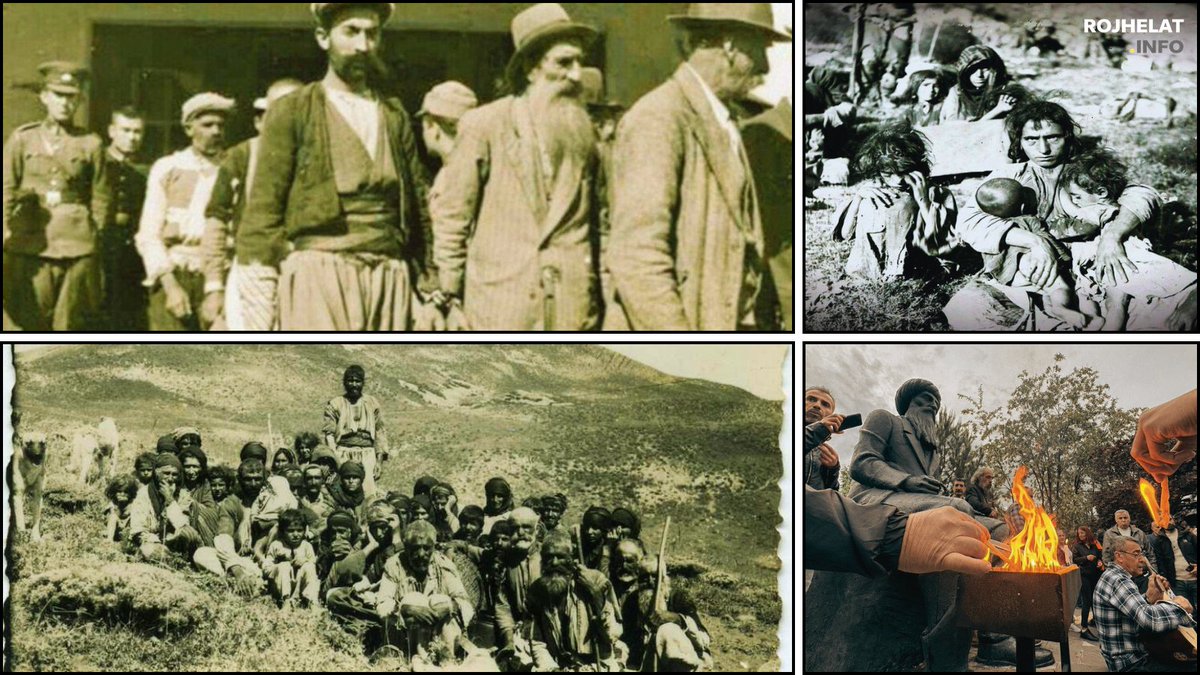
The Dersim Massacre (1937–1938): A Tragedy Still Denied
The Dersim massacre is considered one of the darkest and most shocking acts of state violence in modern history. It took place between May 4, 1937, and September 1, 1938, during the rule of Mustafa Kemal in the region of Dersim.
Often described by many as a “genocide,” this event was not just a military operation against a rebellion, but a systematic attack on a civilian population—mainly Alevi Kurdish communities who became targets of state policies aimed at control and forced assimilation.
According to various reports, tens of thousands of people—around 50,000 to 70,000—lost their lives. However, official accounts from the Turkish state continue to present much lower numbers. Many others were forcibly displaced and sent to different parts of the country, in what appears to have been an effort to change the region’s demographic structure.
There are also reports suggesting the use of chemical agents such as chloracetophenone and mustard gas, pointing to the extreme level of violence used during the operations.
These actions are often understood within the broader context of policies like the 1934 Resettlement Law, which aimed to control and assimilate minority populations.
Today, even after many decades, the wounds of this tragedy remain unhealed. Every year on May 4, people gather in places like the Qamar Cave to remember the victims and call for truth and justice.
What makes this tragedy even more painful is the continued silence, denial, and lack of full accountability.
Dersim is not just a historical event—it remains a living wound that still awaits recognition and justice.

English
سالار شریفزاده retweeted

کل نظم کنونی دنیا بر این اصل استواره که شهروند غربی بتونه صبح بیدار شه، قهوهی ارزانش رو بنوشه، بره سر کار و به دولتهای غربی مالیات بده و جنس ارزان چینیش رو مصرف کنه و از مواهب ریز و درشت زیستن در دموکراسیِ سرمایهداری بهره ببره. واسه اینکه این سیستم حفظ بشه لازمه که کشورهای ما بگالند باشه و بگالند باقی بمونه.
اون قسمت عذاب وجدان قضیه رو هم با پرچم فلسطین و امثال اون آرام میکنن. درد ما از اساس به تخم اینهاست.
فارسی

بخشی از مقاله(۲۸ صفحهای) #عباس_ولی در پاسخ به #محمدرضا_نیکفر/منتشر شده در سال ۱۴۰۳
لینک مقاله : pecritique.com/wp-content/upl…
فارسی