Cristina Cifuentes
1.3K posts

Cristina Cifuentes
@zagrez
Periodista sección internacional del diario La Tercera

A drone — likely a Russian Shahed — reported to have hit a high-rise in the Romanian city of Galați, injuring two residents. Nearby areas of Ukraine have been under Russian drone attack overnight.


Friends, ‼️Please sign this petition: change.org/p/kick-russia-… Please share this as far and wide as possible. Let's kick Russia out of the UN! Thank you, @MelnykAndrij, for once more raising the issue that Russia is in the UN Security Council illegally.

FREDERIKSEN: Problem for us Europeans is we still think and behave as if we're in peacetime. We're no longer in peacetime, so we have to change our mindset. If we don't do that, Russia is going to win. Because their mindset has never been in peacetime. They're always in wartime.


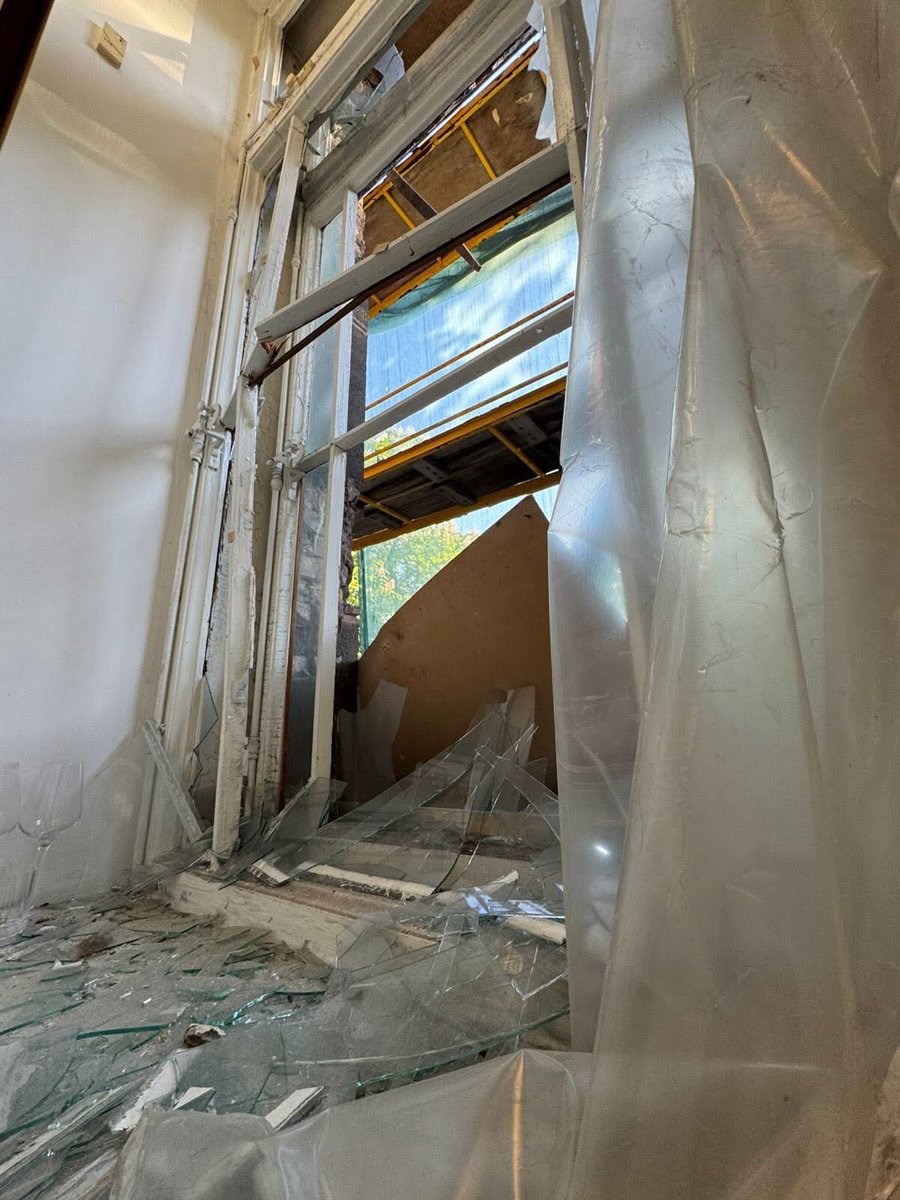
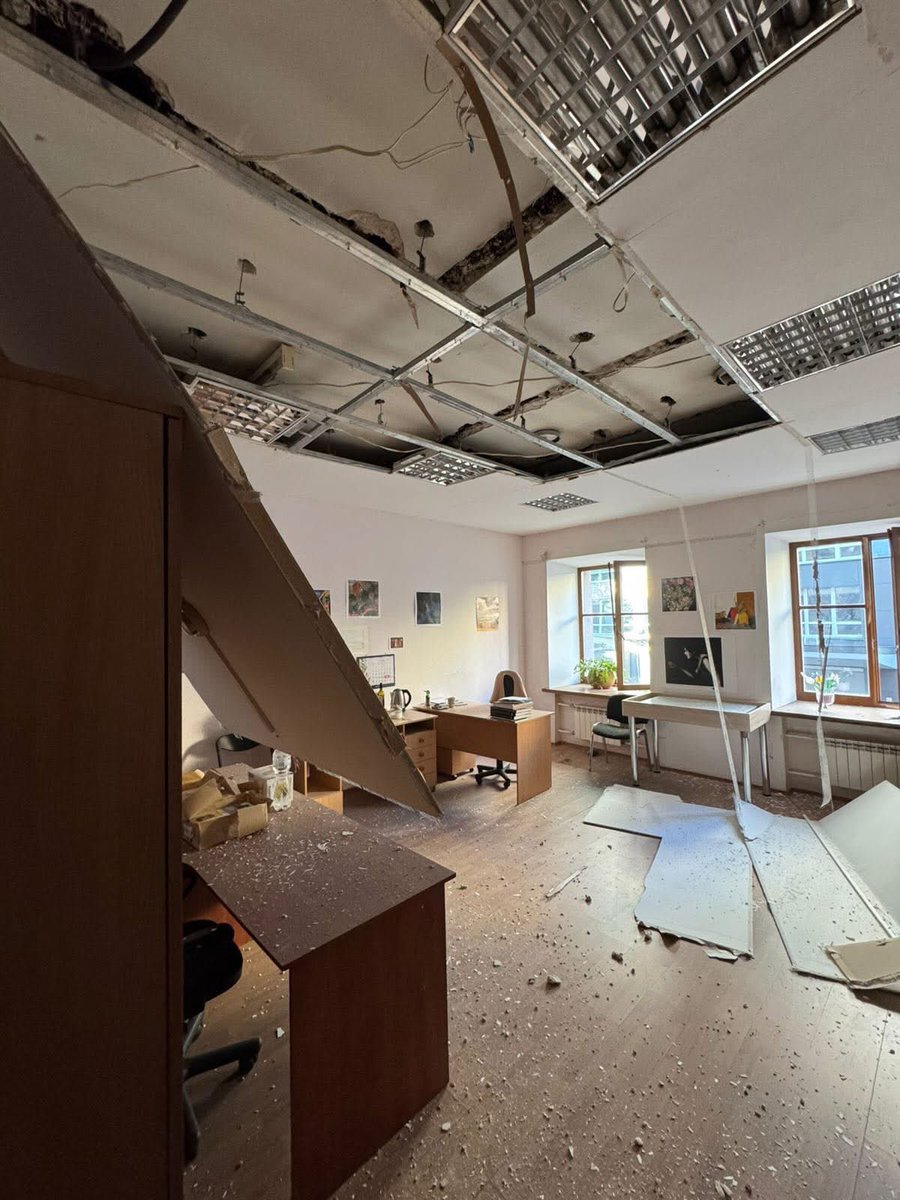
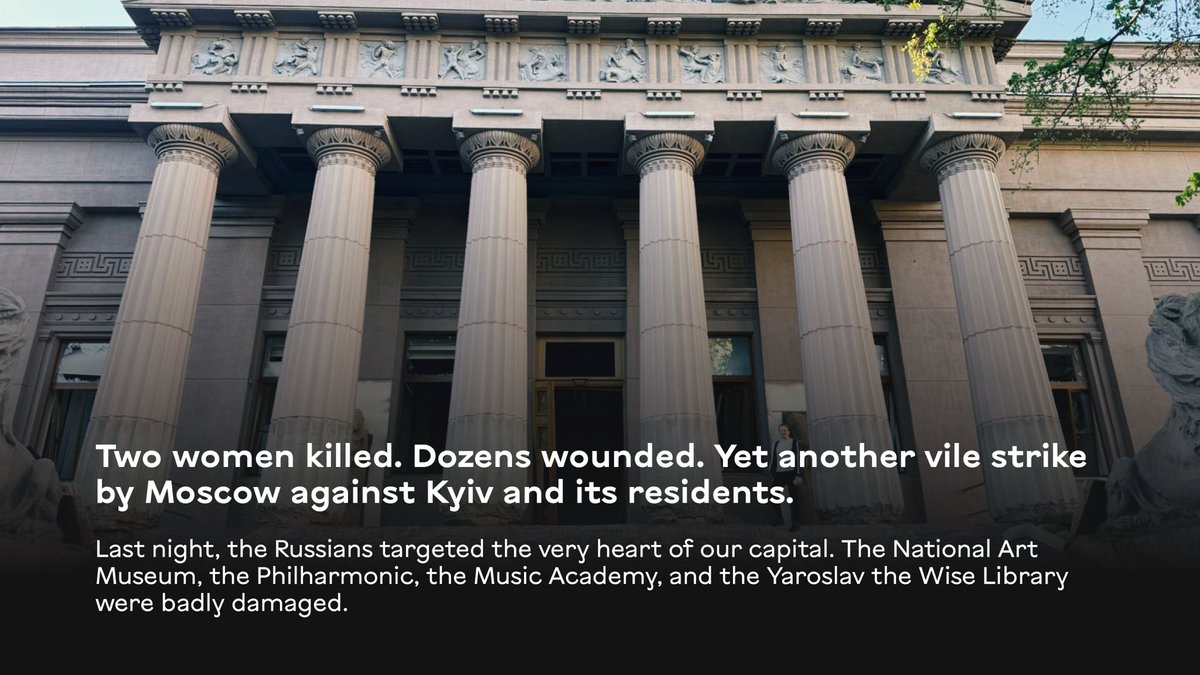
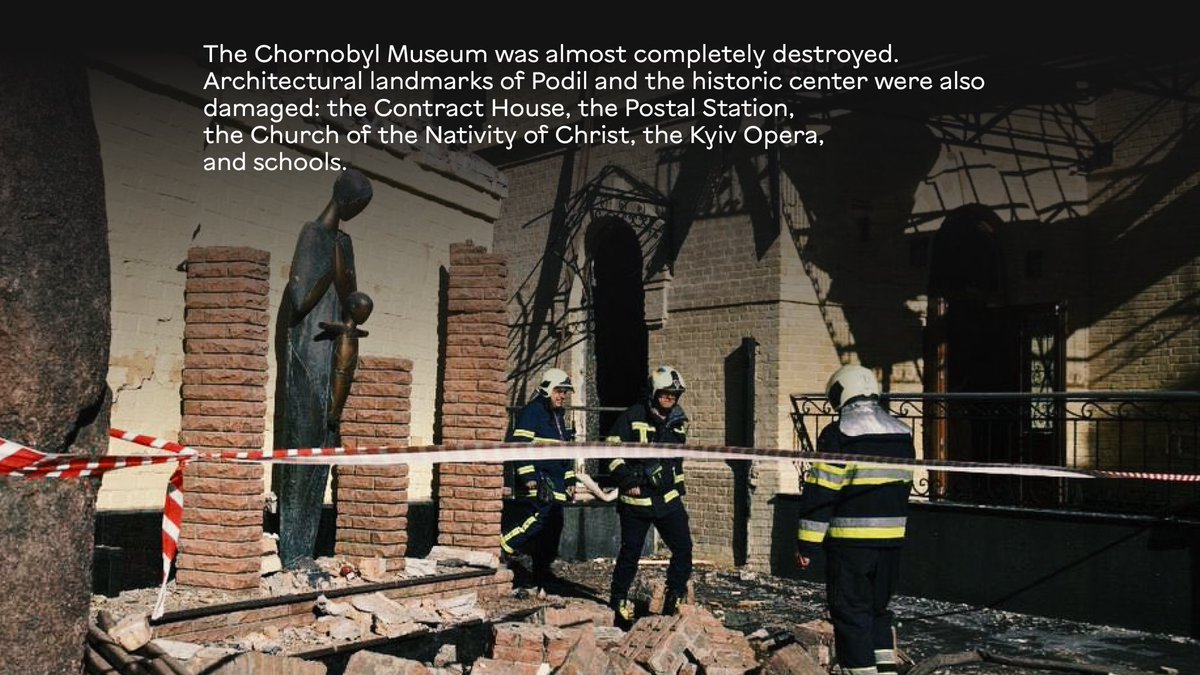
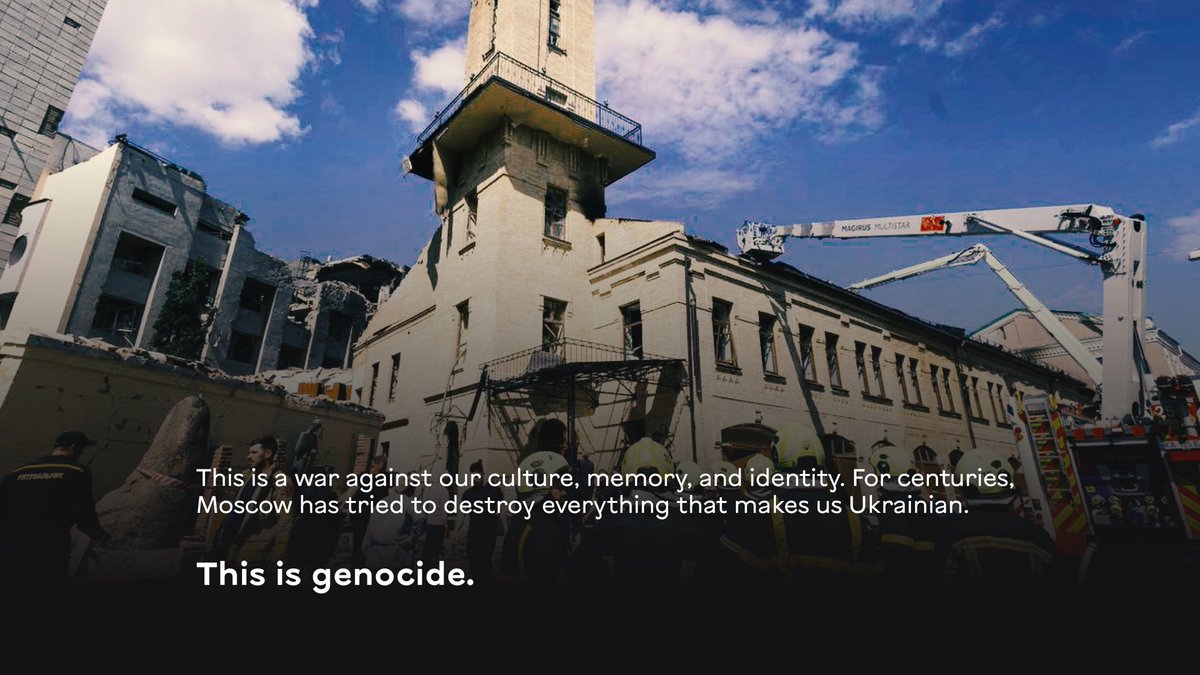
Russia is waging its war not only against our people. It is waging it against Ukrainian culture, history, memory, industry, and the normal way of life. Kyiv, the epicenter of Russia’s attack tonight, will recover. Russia’s reputation as a terrorist state will not. We must collectively ensure that enough pressure is put on Russia for the sake of peace. Photos: State Emergency Service of Ukraine, Serhii Nuzhnenko / Radio Free Europe / Radio Liberty, Marian Kushnir, Suspilne, Yan Dobronosov / Telegraf, EVGEN KOTENKO / AFP, Roman Pilipey/ AFP via Getty Images

President Trump’s administration does not appear to be planning a formal U.S. withdrawal from NATO, as such a move would face strong resistance from Congress, the Pentagon, allies, and a number of Republicans. Instead, it is gradually reducing America’s security presence in Europe. Recent decisions point to a consistent trend. The Pentagon has canceled the rotation of around 4,000 U.S. troops to Poland. Earlier, the United States announced reductions to its presence in Germany. Washington has also revised plans for deploying certain long-range systems in Europe, including Tomahawk missiles and hypersonic weapons. Specific elements of America’s security presence are being reduced: the speed of force deployment, logistics, forward positioning of weapons, strike capabilities, and the predictability of the U.S. response in a crisis. NATO formally remains, but confidence in the automatic nature of American support is weakening. The Trump administration explains this as a "redistribution of burdens." The United States no longer wants to carry the main conventional burden simultaneously in Europe, Asia, and the Middle East. China has become President Trump’s primary strategic priority, while Israel’s security remains an unconditional strategic interest. So, current policy increasingly resembles not isolationism, but selective retrenchment - a selective reduction of American commitments where Washington sees fit. ‼️ The effects of this policy benefit Russia even without any formal "rapprochement." The Kremlin does not necessarily need NATO to collapse. It is enough for doubts to emerge among allies about the effectiveness and reliability of the Alliance. Europe is already responding: Poland is sharply increasing military spending, Germany is accelerating rearmament, and France is pushing for strategic autonomy. But there is a timing problem. The United States can reduce its involvement quickly. Europe builds capabilities slowly. It is precisely this gap in timing that now creates the main strategic risk for European security.