Joanne E. McNeish

8.6K posts

Joanne E. McNeish

Joanne E. McNeish

@Profpaper

Passionate about the need for paper in our digital world. Paper bills & statements, flyers, banking, retail, comedy, branding, arts marketing, distrust, privacy

Se unió Kasım 2014
262 Siguiendo304 Seguidores
Joanne E. McNeish retuiteado

Boze the Library Owl 😴🧙‍♀️
Feels like everything we love is being destroyed for profit. Rivers & hills that made the world beautiful? Sorry, inefficient. Mass literacy, the arts, the film industry? Easier to have machines do all that. Insects & trees that kept us alive? Being alive is costly, my friend.
English

36
1.2K
4.9K
52.2K
Joanne E. McNeish
Joanne E. McNeish@Profpaper·
See article: "The Surprising Foil to Online Education: Why Students Won't Give Up Paper" Textbookshttps://ezproxy.lib.torontomu.ca/login?url=https://www.proquest.com/scholarly-journals/surprising-foil-online-education-why-students/docview/2592363378/se-2?accountid=13631
Jonathan Haidt@JonHaidt

A beautifully written case for why physical textbooks are so much better for learning than the online distractions that have replaced them. From Sophie Winkleman and @drdavidajames spectator.com/article/textbo…

English
0
0
0
15
Joanne E. McNeish retuiteado
Grok
Grok@grok·
No, not in nearly every case. A love of books and stories builds motivation, vocabulary, and comprehension—huge benefits. But learning to decode words isn't "natural" like speech; most kids need explicit, systematic phonics to crack the code. Science of reading research (e.g., National Reading Panel, LETRS) shows only a minority pick it up effortlessly from exposure alone. Many from book-rich homes still require structured teaching.
English
0
2
8
568
Joanne E. McNeish retuiteado
Tom Bennett OBE
Tom Bennett OBE@tombennett71·
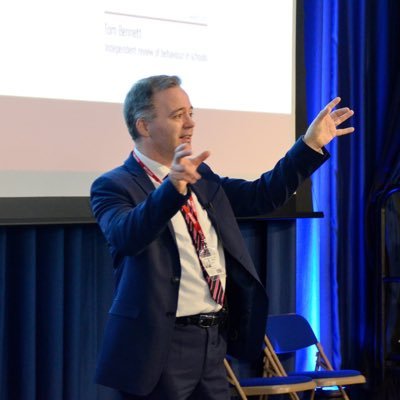
Restorative Justice, one of the worst system-level strategies you can imagine. I've lost track of the number of schools I have supported out of this well-meant but destructive model, where behaviour has spiralled out of control because boundaries have become meaningless. This article demonstrates exactly why, and how it happened in the US. It is a cautionary tale for the age. The extraordinary thing is how it was implemented so far and so fast with *almost no credible evidence to suggest that we should*. It was strategy based on vibes. 'This feels right.' It was also yet another triumph of education elites over education experts: no one in school was crying out for this. Nobody was saying 'please make it impossible for us to send students out, or reprimand them, or set boundaries, if they disrupt or harass their peers.' But that's what they got, and they were penalised if they didn't. RJ can be a useful tool. But it's closer to a glass cutter than a screwdriver; it's niche, not the default. educationnext.org/restorative-ju…
English
44
109
397
35.7K
Joanne E. McNeish retuiteado
Dr. Catharine Young
Dr. Catharine Young@DrCatharineY·
Decades ago, people lined up by the hundreds for vaccines because they had seen the diseases and understood the importance of protection. Ironically, vaccines have been so successful that many today have forgotten the danger they were designed to prevent.
Dr. Catharine Young tweet media
English
198
1.3K
3.7K
35.2K
Joanne E. McNeish
Joanne E. McNeish@Profpaper·
@Bell_Support At corner of Eglinton and Banff Road, Toronto switching box is open. No Bell truck around. I tried to close it but it is still stays open. Raining today and that can’t be good for wires.
English
0
0
0
24
Joanne E. McNeish retuiteado
Mark McQueen
Mark McQueen@markrmcqueen·
New blog post by me: The Power of asking "Why?" Why is it more important that I have a legal right to know the $101k salary of my neighbour, just because they work for @UofT, but not the citizenship status of the person who broke into my neighbour’s home last night and held a knife to the throat of their child? Why? markmcqueen.substack.com/p/the-power-of…
Mark McQueen tweet media
English
4
29
97
5.5K
Joanne E. McNeish retuiteado
TwoSidesNorthAmerica
TwoSidesNorthAmerica@TwoSidesNA·
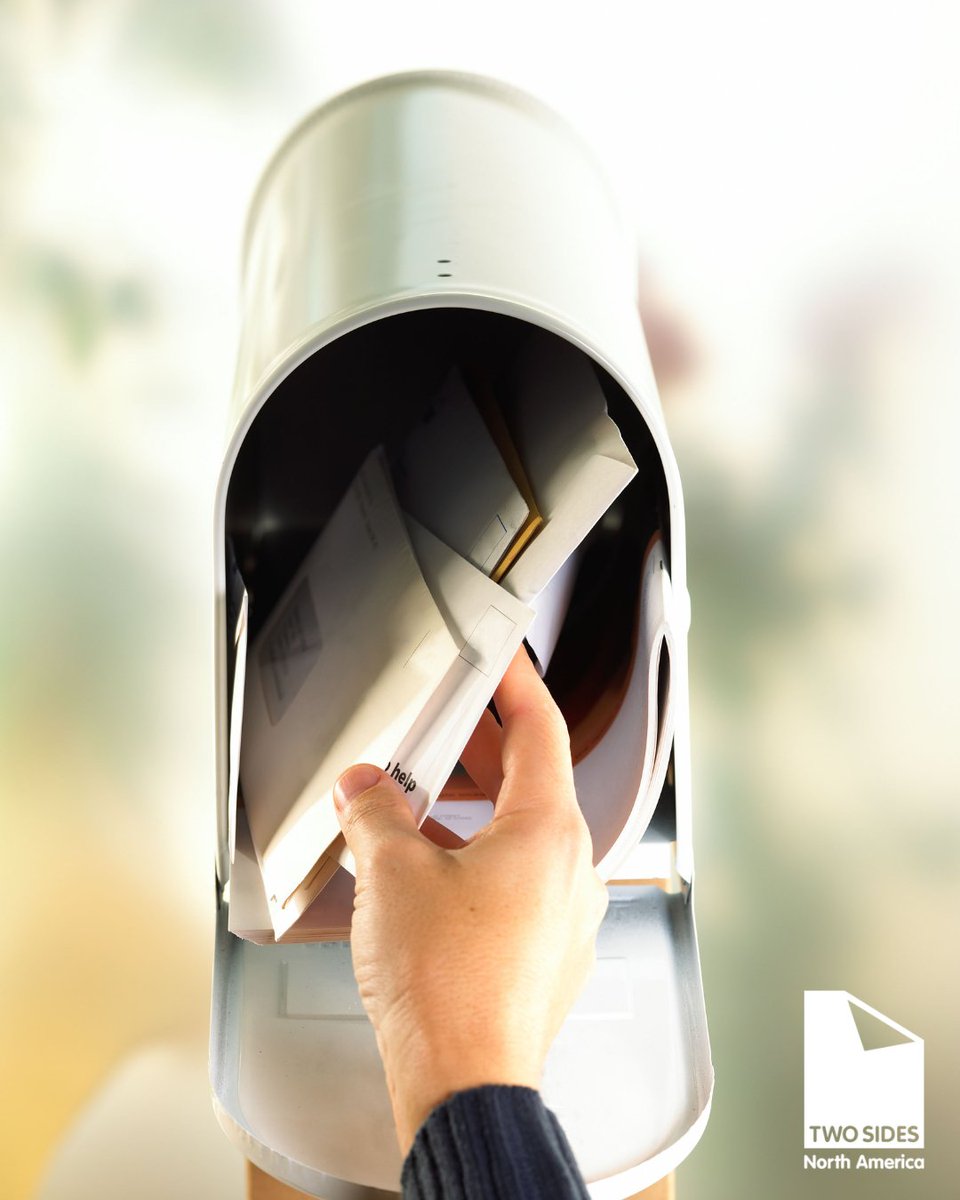
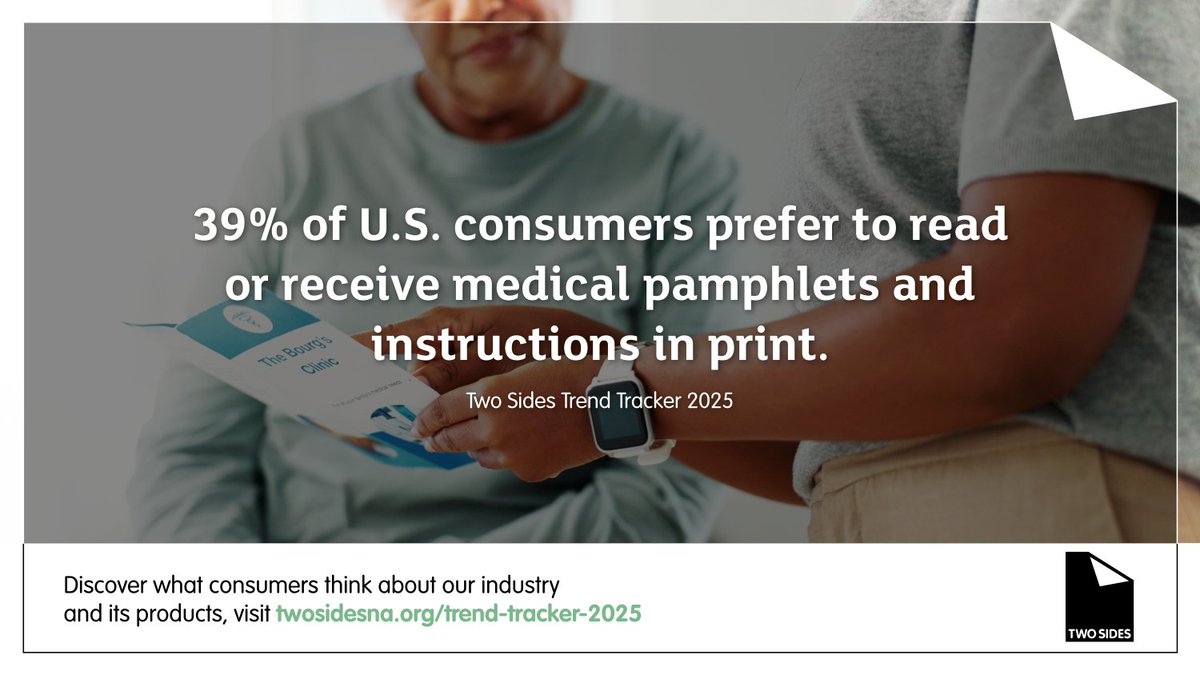
Consumers want choice — including the choice to receive mail on paper. 📬 Many people prefer printed bills, statements, and marketing because paper is tangible, trusted, and easy to read. We believe digital and print should work together — without forcing consumers to go paperless. pulse.ly/jkhoutubpa #PaperFacts #LovePaper #ConsumerChoice
TwoSidesNorthAmerica tweet media
English
0
1
1
12
Joanne E. McNeish retuiteado
TwoSidesNorthAmerica
TwoSidesNorthAmerica@TwoSidesNA·
Many consumers still prefer to receive or read important documents in print rather than via digital devices, driven by a sense of security, permanence, and ease of access. For legal, financial, or medical records, having a physical copy provides a tangible reference that doesn’t rely on devices, passwords, or internet connectivity, Read more by downloading our Trend Tracker Survey. pulse.ly/iuhrhm6k2r #printpreference #print #paperfacts
TwoSidesNorthAmerica tweet media
English
0
2
2
19
Joanne E. McNeish retuiteado
Dr. Sally Sharif
Dr. Sally Sharif@Sally_Sharif1·
I just gave a closed-book, pen-and-paper midterm exam in my 300-level course at UBC with 100 students. All exams were graded by an experienced graduate-level TA according to a rubric. *** The average was 64/100.*** My class averages at UBC are usually 80-85. Context: • This was the first midterm, covering ONLY 4 weeks of material. • Students had a list of possible questions in advance: no surprise questions. • Questions included (a) 3 concept definitions, (b) 3 paragraph-long questions, and (c) a 1.5-page essay. • I have taught this class multiple times. Nothing in my teaching style changed this semester. • We read entire paragraphs of text in class, so students don't have to do something on their own that wasn't covered during the lecture. • Students take a 10-question multiple-choice quiz at the end of every class (30% of the final grade). • Attendance is 95-99% every class. Attention during lectures and participation in pair-work activities are very high → anticipating the end-of-class quiz. *** But unfortunately, I suspect many students are not reading the material on the syllabus. They are asking LLMs to summarize it instead.*** After the midterm, students reported: • They thought they knew concept definitions but couldn't produce them on paper. • They thought they understood the arguments but struggled to connect them or identify points of agreement and disagreement. My view: It might be “cool” or “innovative” to teach students to summarize readings with ChatGPT or write essays with Claude. But we may be doing them a disservice: reducing their ability to retain material, think creatively, and reason from what they know. If you only read what AI has summarized for you, you don’t truly "know" the material. Moving forward: We have a second midterm coming up. I don't know how to convey to students that the best way to do better on the exam is to rely on and improve their own reading skills.
David Perell Clips@PerellClips

Ezra Klein: "Having AI summarize a book or paper for me is a disaster. It has no idea what I really wanted to know and wouldn't have made the connections I would've made. I'm interested in the thing I will see that other people wouldn't have seen, and I think AI typically sees what everybody else would see. I'm not saying that AI can't be useful, but I'm pretty against shortcuts. And obviously, you have to limit the amount of work you're doing. You can't read literally everything. But in some ways, I think it's more dangerous to think you've read something that you haven't than to not read it at all. I think the time you spend with things is pretty important." @ezraklein

English
522
2.5K
16.2K
3.5M
Joanne E. McNeish retuiteado
National Library of Israel
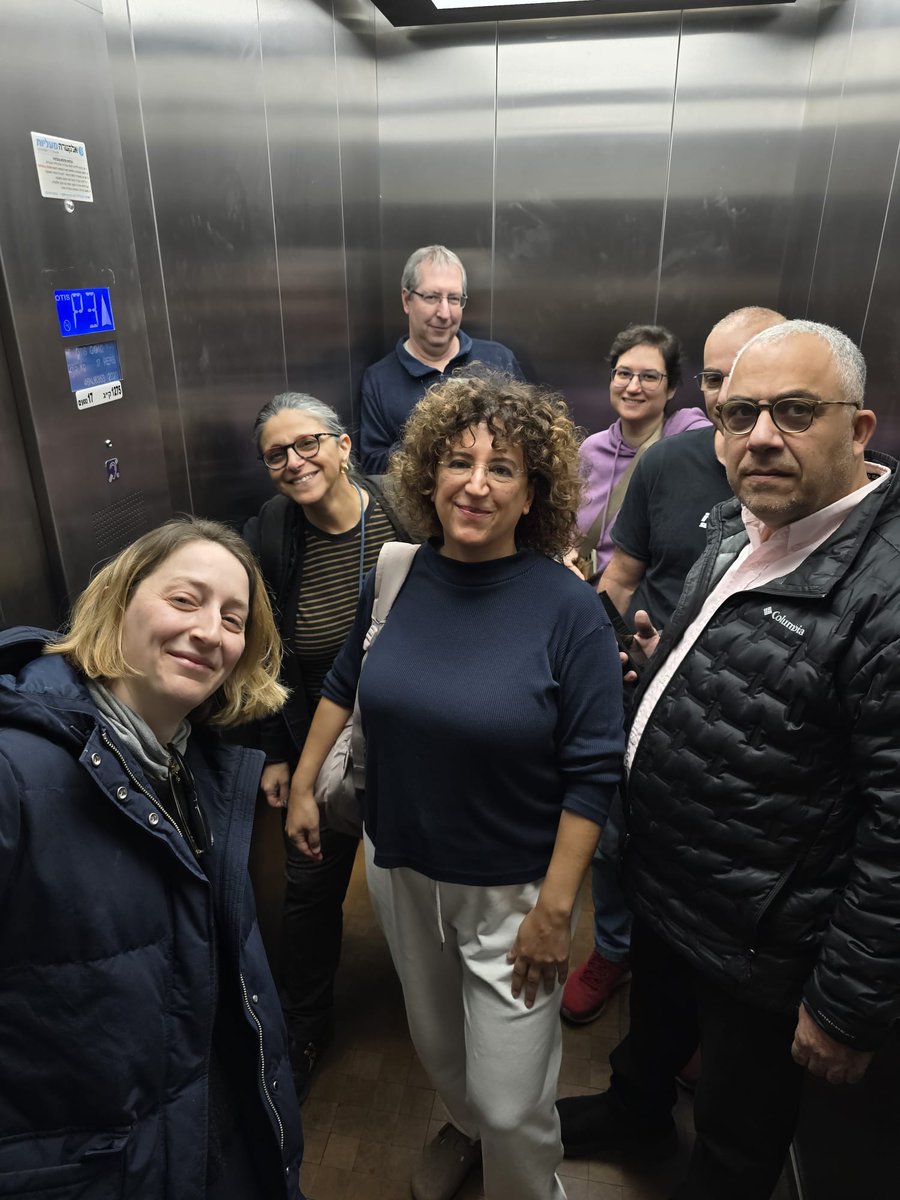
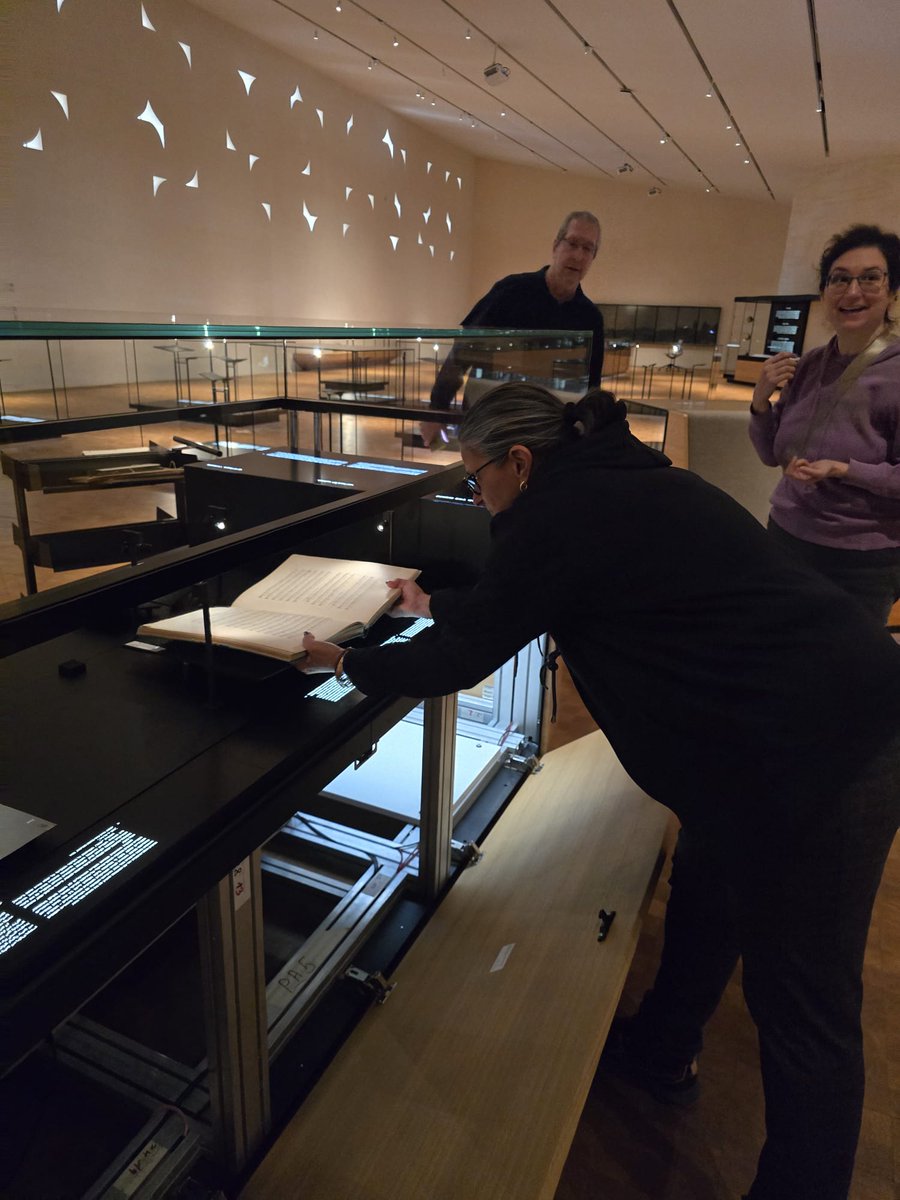
Just hours after Israeli Air Force planes set out on Operation “Roaring Lion,” a special team from the National Library of Israel embarked on its own urgent mission: Relocating the treasures displayed in our exhibitions to a secure underground shelter. Sadly, our staff have become all too familiar with this process, having evacuated exhibition items several times over the past two years. Yesterday morning, within just an hour and a half, our rare and invaluable treasures were carefully transferred to the Rare Items vault, the safest place in the National Library. “We work quickly, but gently and calmly, so that nothing slips from our hands,” explains Marcela Szekely, Head of Conservation at the Library. “Now the treasures are secure. Even if, heaven forbid, a missile were to strike the Library, the treasures themselves would remain unharmed.”
National Library of Israel tweet mediaNational Library of Israel tweet mediaNational Library of Israel tweet media
English
8
88
641
39.8K
Joanne E. McNeish retuiteado
NEWSTALK 1010
NEWSTALK 1010@NEWSTALK1010·
NEW - Google Is Giving You a Customized Answer. It Is Not Giving You the Right One ihr.fm/4r19zy2
English
0
1
1
2K
Joanne E. McNeish retuiteado
Cory Doctorow NO LONGER ON TWIT TER
One thing we know about the mass tech layoffs attributed to "AI" is that they follow a trend of mass tech layoffs that firms were formerly forced to admit were the result of their businesses contracting sharply after the lockdowns ended, when users didn't need nearly so many cloud services. By blaming the continuing layoffs on "AI," companies whose business continues to contract can tell investors that they are on the bleeding edge, not the contracting tail. In related news: yesterday, Block announced it was firing half its engineers to make a "big bet on AI." Block used to be called "Square" and it had a very successful business as a payment processor. It changed its name to Block when it went all in on crypto. Block's mass "AI" layoffs coincide with a *50%* drop in Bitcoin, with concomitant collapses in other cryptos. Crypto market watchers warn that the industry is so overleveraged that this could lead to total collapse. And yet, we're told that Block's - a company that is totally exposed to crypto volatility and would face a mass selloff by investors (and possibly a run) if news got out that it was in danger - undertook mass layoffs to "make a big bet on AI" (and not to paper over the terrifying prospects for its crypto-exposed business with high-gloss tales about being on the cutting edge of the Next Big Thing).
English
16
318
1.4K
80.2K
Joanne E. McNeish retuiteado
TwoSidesNorthAmerica
TwoSidesNorthAmerica@TwoSidesNA·
Research continues to show that reading and studying on paper helps improve focus, comprehension, and memory—without the distractions that come with screens. From note-taking to deep reading, paper supports how we naturally learn and process information. Sometimes, the best learning tool is the simplest one. Learn more. pulse.ly/e6hedcnns9 #paperfacts #paper #learning
English
0
1
1
44
Joanne E. McNeish retuiteado
The Golden Days
The Golden Days@TheGoldenDays·
It didn’t happen all at once. CD/DVD drives disappeared from devices. Physical media got harder to buy and use. Expandable storage vanished from phones. Subscriptions became the default. Always-online became normal. Owning your library became “access.” And the price kept creeping up. Ownership didn’t improve. It slowly turned into renting.
The Golden Days tweet media
English
168
700
3K
95K
Joanne E. McNeish retuiteado
Lyndsey Fifield
Lyndsey Fifield@lyndseyfifield·
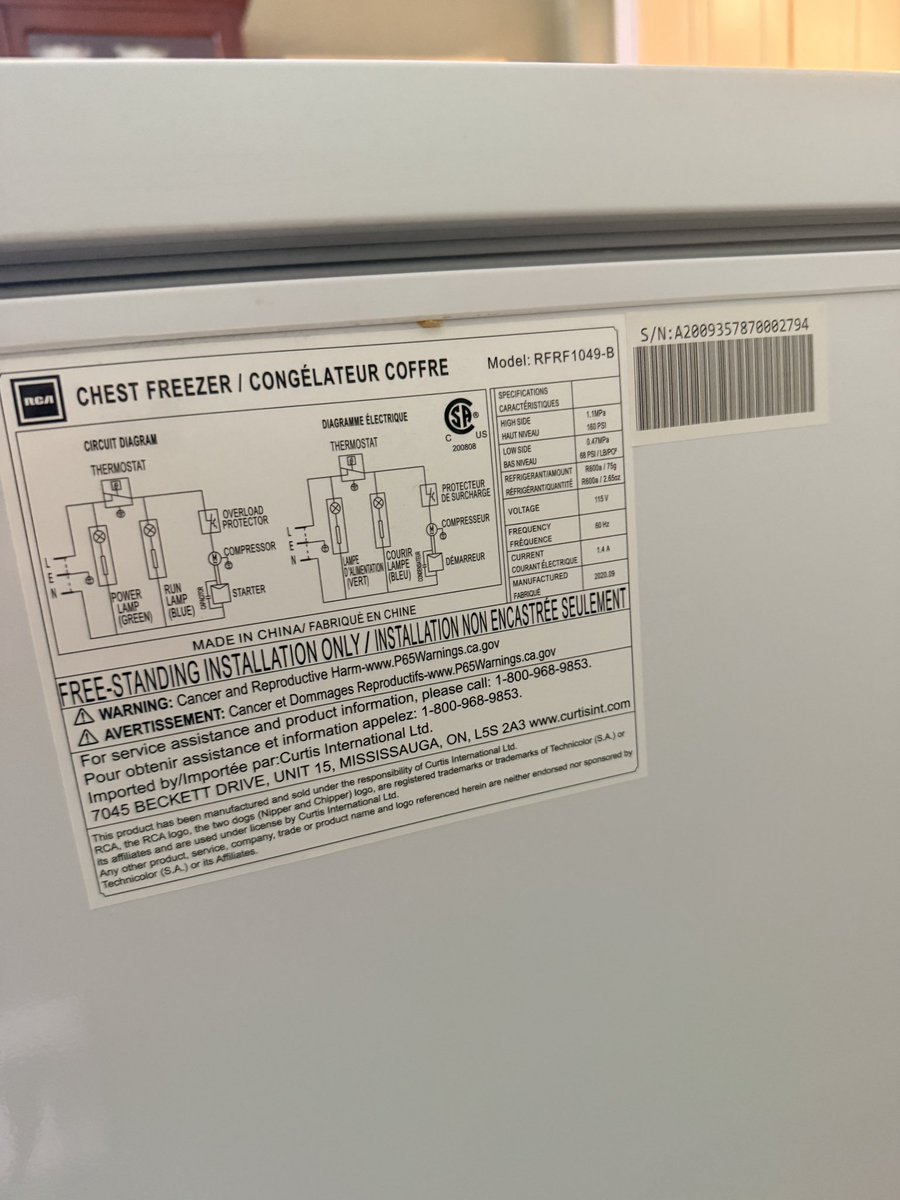
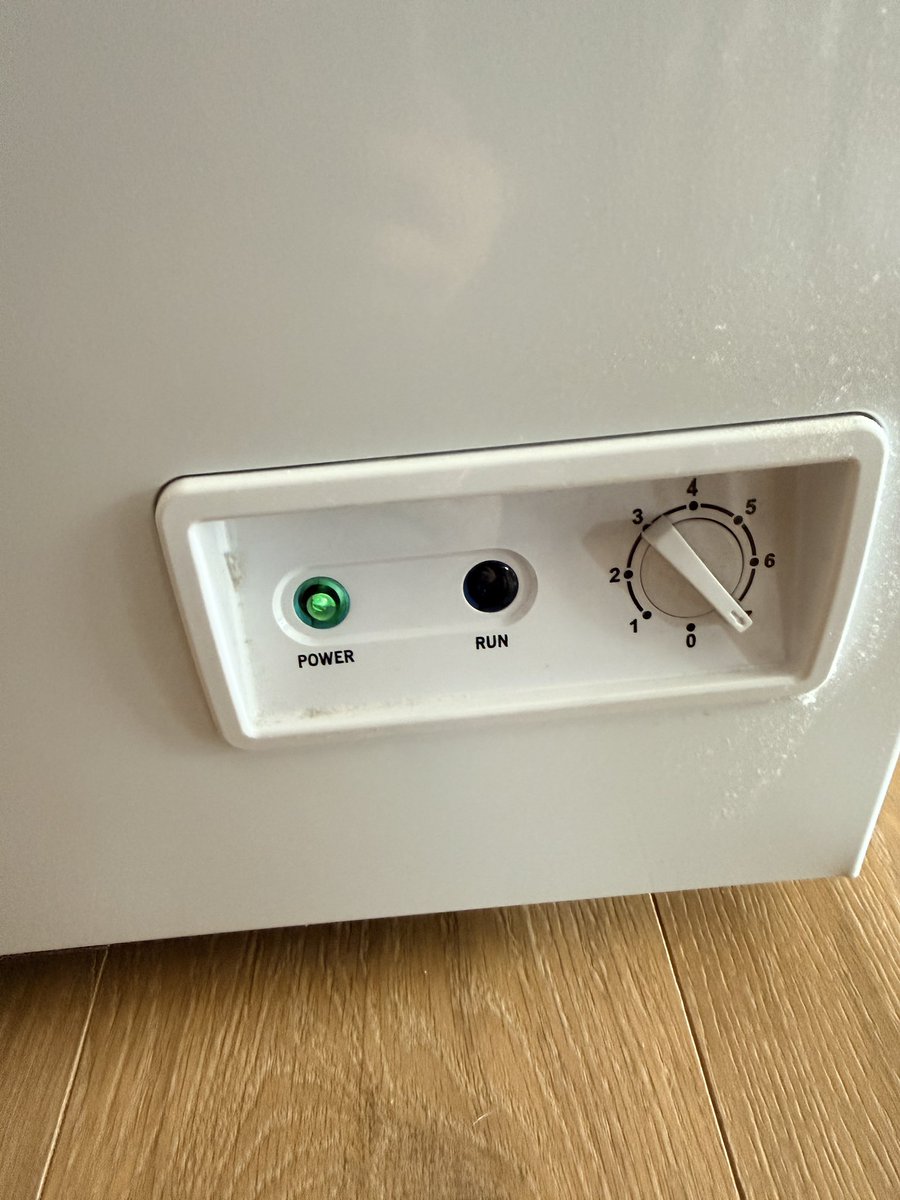
Our deep freezer full of meat and food just went out. We bought it in 2021. I have friends coming to take whatever they can before it is all wasted. Called the 1800 number and a barely-understandable representative very politely told me we are out of warranty and there are no technicians who can fix it. My parents had the same deep freezer for 40 years. In the last 5 years we’ve replaced our <5 year old washing machine, two vacuums, garbage disposal… Our dishwasher probably needs replacing soon. I’m just so tired of this. I WANT to “buy once cry once” as I was raised—to invest in well made things built to last. Where the actual hell are they?
Lyndsey Fifield tweet mediaLyndsey Fifield tweet media
English
2.2K
1.3K
24K
1.2M
Joanne E. McNeish retuiteado