Rodrigo Cavalcanti

18 posts

Rodrigo Cavalcanti

Rodrigo Cavalcanti

@Rodrigocvnti

Coding and design

Brasil Se unió Ağustos 2025
21 Siguiendo4 Seguidores
Command Code
Command Code@CommandCodeAI·
GLM 5.2 is now the second most used model in Command Code Go (10x credits).
English
19
23
850
61.7K
Rodrigo Cavalcanti retuiteado
Mat Velloso
Mat Velloso@matvelloso·
Just to recap: 1-Announced a SOTA model 2-Used a model without attribution, added a system prompt to omit the model name 3-Gets caught, aknowleged the mistake 4-Uploads the wrong model 5-Deletes the wrong model 6-Says the right model is now lost, so they will have to train it again 7-Mixed stories whether the funding came from a private or a government initiative 8-Coincidentally, elections are in October and Rio just announced a US$ 500M deal for a data center: temporealrj.com/data-centers-n…
IplanRio@IplanRio_rj

NOTE ON RIO 3.5 OPEN In recent days, Rio 3.5 Open has received far more attention than we anticipated. Along with it came analyses and, of course, criticisms and questions. First, we want to clarify that the model is not foundational, trained from scratch, nor was it ever communicated as such. It is a post-training project built on open models, following classical approaches and some experiments. We started with open baseweights and applied various techniques, including merging, OPD, and finally used inference with SwiReasoning. It was precisely thanks to the community's attention that we identified an operational error in the publication process. We ended up making available an intermediate checkpoint that had not yet completed all the final validation and optimization steps. This generated interpretations that, looking back now, we fully understand. The checkpoint has been removed. We tried to recover the final model, but it was not possible. It will only be released after the new training and all external validations are completed. We also want to correct an important attribution point. Our team used public models provided by Alibaba, through Qwen 3.5, and by Nex-AGI, through Nex-N2 Pro, as a basis. In the initial documentation, we did not include Nex's important contribution. Correctly recognizing who builds these foundations is part of the open development process. Thank you, Nex, for your work and for contributing to advancing the state of the art in open models. It is worth contextualizing that there was no official release of that version of the model. The project ended up gaining traction organically and unexpectedly while it was still undergoing independent validations. In any case, this shows that there is interest and that Brazil has more space in this conversation than we usually imagine. We hope to see more initiatives emerging in Latin America, India, Africa, and other places that seek to expand their technological sovereignty, especially at a time when Fable has been closed to the rest of the world and access to frontier models has become part of the global strategic debate. Rio 3.5 Open is just the beginning. We will correct what is necessary, continue developing openly, and share what we learn along the way. Our goal is to show that the Brazilian public sector can also learn, build openly, and contribute to the forefront of current technological research.

English
13
19
119
10K
Rodrigo Cavalcanti
Rodrigo Cavalcanti@Rodrigocvnti·
@coproduto Rolou e tudo sem transparência. Já fui no portal de contratos e é um bolo doido para achar se existe um processo licitatório. Zero responsabilização.
Português
0
0
7
561
el hombre pulpo
el hombre pulpo@coproduto·
Peraí Os caras meteram “a gente realmente fez um modelo muito foda sim mas não conseguimos achar mais”? “Fiz um fine-tune do caralho mas meu cachorro comeu”? Puta que pariu viu…
IplanRio@IplanRio_rj

NOTE ON RIO 3.5 OPEN In recent days, Rio 3.5 Open has received far more attention than we anticipated. Along with it came analyses and, of course, criticisms and questions. First, we want to clarify that the model is not foundational, trained from scratch, nor was it ever communicated as such. It is a post-training project built on open models, following classical approaches and some experiments. We started with open baseweights and applied various techniques, including merging, OPD, and finally used inference with SwiReasoning. It was precisely thanks to the community's attention that we identified an operational error in the publication process. We ended up making available an intermediate checkpoint that had not yet completed all the final validation and optimization steps. This generated interpretations that, looking back now, we fully understand. The checkpoint has been removed. We tried to recover the final model, but it was not possible. It will only be released after the new training and all external validations are completed. We also want to correct an important attribution point. Our team used public models provided by Alibaba, through Qwen 3.5, and by Nex-AGI, through Nex-N2 Pro, as a basis. In the initial documentation, we did not include Nex's important contribution. Correctly recognizing who builds these foundations is part of the open development process. Thank you, Nex, for your work and for contributing to advancing the state of the art in open models. It is worth contextualizing that there was no official release of that version of the model. The project ended up gaining traction organically and unexpectedly while it was still undergoing independent validations. In any case, this shows that there is interest and that Brazil has more space in this conversation than we usually imagine. We hope to see more initiatives emerging in Latin America, India, Africa, and other places that seek to expand their technological sovereignty, especially at a time when Fable has been closed to the rest of the world and access to frontier models has become part of the global strategic debate. Rio 3.5 Open is just the beginning. We will correct what is necessary, continue developing openly, and share what we learn along the way. Our goal is to show that the Brazilian public sector can also learn, build openly, and contribute to the forefront of current technological research.

Português
16
5
227
15.7K
Nilesh Trivedi
Nilesh Trivedi@nileshtrivedi·
> We tried to recover the final model, but it was not possible. Equivalent of a fire inevitably breaking out in govt departments whenever a "sensitive" case comes under the public eye.
IplanRio@IplanRio_rj

NOTE ON RIO 3.5 OPEN In recent days, Rio 3.5 Open has received far more attention than we anticipated. Along with it came analyses and, of course, criticisms and questions. First, we want to clarify that the model is not foundational, trained from scratch, nor was it ever communicated as such. It is a post-training project built on open models, following classical approaches and some experiments. We started with open baseweights and applied various techniques, including merging, OPD, and finally used inference with SwiReasoning. It was precisely thanks to the community's attention that we identified an operational error in the publication process. We ended up making available an intermediate checkpoint that had not yet completed all the final validation and optimization steps. This generated interpretations that, looking back now, we fully understand. The checkpoint has been removed. We tried to recover the final model, but it was not possible. It will only be released after the new training and all external validations are completed. We also want to correct an important attribution point. Our team used public models provided by Alibaba, through Qwen 3.5, and by Nex-AGI, through Nex-N2 Pro, as a basis. In the initial documentation, we did not include Nex's important contribution. Correctly recognizing who builds these foundations is part of the open development process. Thank you, Nex, for your work and for contributing to advancing the state of the art in open models. It is worth contextualizing that there was no official release of that version of the model. The project ended up gaining traction organically and unexpectedly while it was still undergoing independent validations. In any case, this shows that there is interest and that Brazil has more space in this conversation than we usually imagine. We hope to see more initiatives emerging in Latin America, India, Africa, and other places that seek to expand their technological sovereignty, especially at a time when Fable has been closed to the rest of the world and access to frontier models has become part of the global strategic debate. Rio 3.5 Open is just the beginning. We will correct what is necessary, continue developing openly, and share what we learn along the way. Our goal is to show that the Brazilian public sector can also learn, build openly, and contribute to the forefront of current technological research.

English
1
0
5
650
Rodrigo Cavalcanti
Rodrigo Cavalcanti@Rodrigocvnti·
@igor9silva @IplanRio_rj "O modelo final que passava por validações independentes." - validação de quem? como? O que me deixa puto é que nada disso gera responsabilização, exoneração, nada...
Português
0
0
1
32
Igor Silva
Igor Silva@igor9silva·
@IplanRio_rj "Tentamos recuperar o modelo final, mas não foi possível." KKKKKKKKKKKKKKKKKKKKKKKKKKKKKKKKKKKKKKKKKKKKKKKKKKKKKKKKKKKKKKKKKKKKKKKKKKKKKKKKKKKKKKKKKKKKKKKKKKKKKKKKKKKKKKKKKKKKKKKKKKKKKKKKKKKKKKKKKKKKKKKKKKKKKKKKKKKKKKKKKKKKKKKKKKKKKKKKKKKKKKKKKKKKKKKKKKKKKKKKKKKKKKKKKKKKKKKKKKKK
Português
2
0
18
454
IplanRio
IplanRio@IplanRio_rj·
NOTA OFICIAL Nos últimos dias, o Rio 3.5 Open recebeu muito mais atenção do que imaginávamos. Junto com ela, vieram análises e, claro, críticas e questionamentos. Primeiro, queremos esclarecer que o modelo não é fundacional, treinado do zero, nem nunca foi comunicado como tal. É um projeto de pós-treinamento construído sobre modelos abertos, seguindo abordagens clássicas e alguns experimentos. Partimos de pesos-base abertos e aplicamos diversas técnicas, incluindo merging, OPD e por fim usamos inferência com o SwiReasoning. Foi justamente graças à atenção da comunidade que identificamos um erro operacional no processo de publicação. Acabamos disponibilizando um checkpoint intermediário que ainda não havia concluído todas as etapas finais de validação e otimização. Isso gerou interpretações que, olhando agora, entendemos completamente. O checkpoint foi removido. Tentamos recuperar o modelo final, mas não foi possível. Ele será lançado somente após o novo treinamento e todas as validações externas serem concluídas. Também queremos corrigir um ponto importante de atribuição. Nossa equipe utilizou como base modelos públicos disponibilizados pela Alibaba, por meio do Qwen 3.5, e pela Nex-AGI, por meio do Nex-N2 Pro. Na documentação inicial, não incluímos a importante contribuição da Nex. Reconhecer corretamente quem constrói essas bases faz parte do processo de desenvolvimento aberto. Obrigado, Nex, pelo trabalho e por contribuírem para ampliar o estado da arte em modelos abertos. Vale contextualizar que não houve lançamento oficial daquela versão do modelo. O projeto acabou ganhando tração de forma orgânica e inesperada enquanto ainda passava por validações independentes. De toda forma, vemos isso como um sinal positivo. Mostra que existe interesse e que o Brasil tem mais espaço nessa conversa do que costumamos imaginar. Esperamos ver mais iniciativas surgindo na América Latina, na Índia, na África e em outros lugares que buscam ampliar sua soberania tecnológica, especialmente em um momento em que o Fable foi fechado para o resto do mundo e o acesso a modelos de fronteira passou a fazer parte do debate estratégico global. O Rio 3.5 Open é só o começo. Vamos corrigir o que for preciso, seguir desenvolvendo em aberto e compartilhar o que aprendermos no caminho. Nosso objetivo é mostrar que o setor público brasileiro também pode aprender, construir em aberto e contribuir na fronteira da pesquisa tecnológica atual.
IplanRio@IplanRio_rj

NOTE ON RIO 3.5 OPEN In recent days, Rio 3.5 Open has received far more attention than we anticipated. Along with it came analyses and, of course, criticisms and questions. First, we want to clarify that the model is not foundational, trained from scratch, nor was it ever communicated as such. It is a post-training project built on open models, following classical approaches and some experiments. We started with open baseweights and applied various techniques, including merging, OPD, and finally used inference with SwiReasoning. It was precisely thanks to the community's attention that we identified an operational error in the publication process. We ended up making available an intermediate checkpoint that had not yet completed all the final validation and optimization steps. This generated interpretations that, looking back now, we fully understand. The checkpoint has been removed. We tried to recover the final model, but it was not possible. It will only be released after the new training and all external validations are completed. We also want to correct an important attribution point. Our team used public models provided by Alibaba, through Qwen 3.5, and by Nex-AGI, through Nex-N2 Pro, as a basis. In the initial documentation, we did not include Nex's important contribution. Correctly recognizing who builds these foundations is part of the open development process. Thank you, Nex, for your work and for contributing to advancing the state of the art in open models. It is worth contextualizing that there was no official release of that version of the model. The project ended up gaining traction organically and unexpectedly while it was still undergoing independent validations. In any case, this shows that there is interest and that Brazil has more space in this conversation than we usually imagine. We hope to see more initiatives emerging in Latin America, India, Africa, and other places that seek to expand their technological sovereignty, especially at a time when Fable has been closed to the rest of the world and access to frontier models has become part of the global strategic debate. Rio 3.5 Open is just the beginning. We will correct what is necessary, continue developing openly, and share what we learn along the way. Our goal is to show that the Brazilian public sector can also learn, build openly, and contribute to the forefront of current technological research.

Português
93
74
915
690.5K
Rodrigo Cavalcanti
Rodrigo Cavalcanti@Rodrigocvnti·
@IplanRio_rj A emenda pior que o soneto. Como a asses. de imprensa solta isso para grandes veículos se era apenas uma etapa intermediária? Quem estava fazendo validações independentes, na versão "que foi perdida" e como? A transparência e responsabilização é zero. Uma vergonha completa.
Português
0
0
7
932
Rodrigo Cavalcanti
Rodrigo Cavalcanti@Rodrigocvnti·
NEX N2-Pro turned to be a daily model for me. As a brazilian I´m really ashamed. Sorry @NexEcosystem
English
0
0
0
20
Rodrigo Cavalcanti
Rodrigo Cavalcanti@Rodrigocvnti·
@CavaliereRio @Prefeitura_Rio Conversa fiada que a nota foi para a imprensa contando uma história e na verdade é outra, e grave. Antes de fazer qualquer coisa assim precisa pensar em Governança de IA de forma ampla. A técnica vem depois. Assim, a gente (o brasileiro) não passa vergonha.
Português
0
0
3
555
Eduardo Cavaliere
Eduardo Cavaliere@CavaliereRio·
🇧🇷 Modelo de IA aberta treinada no Rio com financiamento público ao longo do último ano pela @Prefeitura_Rio superando todos os outros modelos. Inteligência artificial não é uma coisa distante, estrangeira, de laboratório bilionário…não existe só pra fazer texto, imagens aleatórias. O Rio acaba de disponibilizar um modelo aberto de inteligência artificial. E o que isso significa? Capacidade de analisar mais dados, responder mais rápido, entender problemas complexos sem depender de soluções compradas prontas lá fora. E com a Pref.rio interagir e atender melhor a população usando IA. Significa pra quem ainda tinha alguma dúvida sobre o potencial do “Rio AI City” agora vai precisar olhar pra cá com muita atenção e seriedade. Energia, água em abundância, conectividade, talentos, construção de data centers e visão de futuro. Hoje o mundo está falando de um modelo aberto de IA treinado no Rio. Engenharia brasileira. Soberania. Desenvolvimento tecnológico. Rio no centro do futuro. Parabéns ao time da @Prefeitura_Rio com o IPLAN mostrando ao Brasil que é possível! Obrigado @eduardopaes por ter acreditado e iniciado o desenvolvimento desse projeto no último ano. Seguimos! - 🇧🇷 An open AI model trained in Rio and publicly funded over the last year by @Prefeitura_Rio has just surpassed all other models. Artificial intelligence is not something distant, foreign, or confined to billion-dollar labs. It is not just about generating text or random images. Rio has just made an open artificial intelligence model publicly available. And what does that mean? It means greater capacity to analyze data, respond faster, and understand complex challenges without depending on off-the-shelf solutions developed abroad. It means @Prefeitura_Rio will be able to interact with and serve people better through AI. For anyone who still had doubts about the potential of “Rio AI City,” it’s time to pay close attention. Clean energy, abundant water, connectivity, data center development, talents and a long-term vision for the future. Today, the world is talking about an open AI model trained in Rio. Brazilian engineering. Sovereignty. Technological development. Rio at the center of the future. Congratulations to the entire @Prefeitura_Rio team, especially IPLAN, for showing Brazil that this is possible. And thank you @eduardopaes for believing in and launching this project last year. We keep moving forward. 🇧🇷
𝗭𝗲𝗻 𝗠𝗮𝗴𝗻𝗲𝘁𝘀@ZenMagnets

Alibaba Qwen3.7 slowly fading into irrelevance at the frontier due to proprietary stance. In it's place we have Minimax M3 and... *checks notes* Rio 3.5 397b, made by the municipal IT company of Rio de Janeiro's city government. huggingface.co/prefeitura-rio…

Português
129
106
1K
131.9K
Liquid AI
Liquid AI@liquidai·
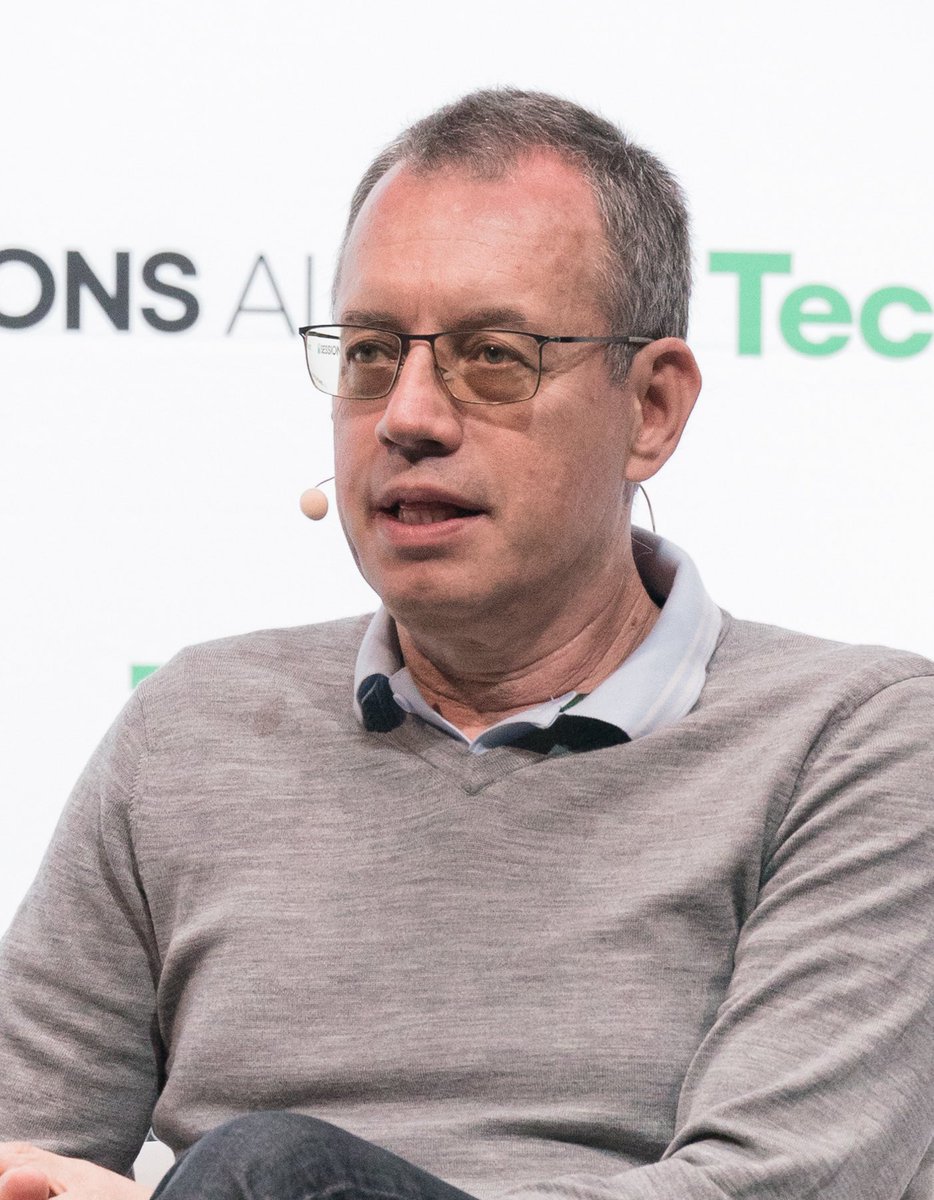
We are proud to announce that Ion Stoica (@istoica05) co-founder of @databricks, @anyscalecompute, and @arena, and UC Berkeley Professor of Computer Science, has joined Liquid AI as a strategic member of our Advisory Council. Ion will guide us on our growth journey as we build the efficient AI infrastructure and platform for a hardware-aware, physical AI future.
Liquid AI tweet media
English
6
15
136
18.7K
Thijs
Thijs@ThijsVerreck·
Running the final checks & build tests, and tmux-ide 2.5 seems to be almost ready. This update is packed with lots of features: → Full web-based IDE → Native chat experience → Review PRs from tmux-ide → Manage your long-running autonomous missions using a proper GUI This will be the first step in turning tmux-ide into a proper agentic development environment.
Thijs tweet media
English
2
5
41
3.6K
Rodrigo Cavalcanti retuiteado
Hasan Toor
Hasan Toor@hasantoxr·
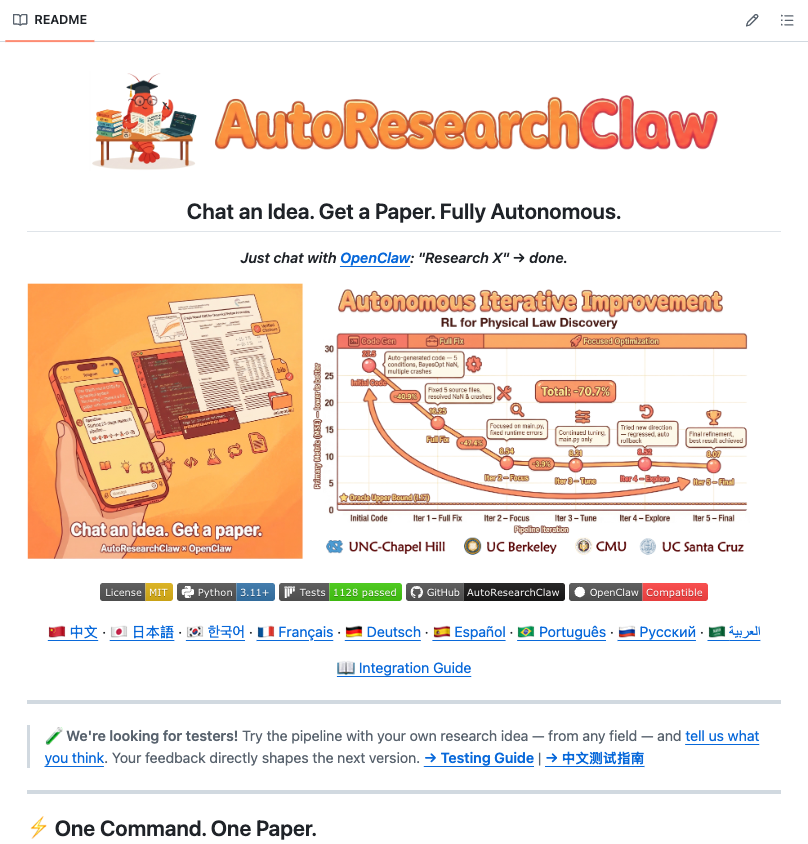
Holy shit...Someone built an AI system that takes a research idea and outputs a full academic paper. Real citations. Real experiments. Conference-ready LaTeX. Zero human input. It's called AutoResearchClaw. And the pipeline is insane. Here's what actually happens when you type one command: It searches arXiv and Semantic Scholar for real papers. Not fake citations actual literature with 4-layer verification: arXiv ID check, CrossRef DOI lookup, Semantic Scholar title match, and LLM relevance scoring. Hallucinated references get killed automatically. Then it designs and runs real experiments. Hardware-aware auto-detects whether you have NVIDIA CUDA, Apple MPS, or just CPU, and adapts the code accordingly. When experiments fail, it self-heals. When results don't support the hypothesis, it pivots to a new direction on its own. Then it writes the paper. 5,000-6,500 words. Section by section. Multi-agent peer review with methodology-evidence consistency checks. Then it revises based on those reviews. Then it outputs conference-ready LaTeX. NeurIPS, ICML, ICLR templates. Compile-ready for Overleaf. BibTeX references auto-pruned to match inline citations. The whole thing runs across 23 stages and 8 phases. Three human-approval gates if you want them. Or just pass --auto-approve and walk away. What you get back: → Full academic paper draft → Conference-ready LaTeX + BibTeX → Experiment code + sandbox results + charts → Peer review notes → Verification report on every citation This is what autonomous scientific research actually looks like in 2026. 100% Opensource. MIT License. Link in comments.
Hasan Toor tweet media
English
82
485
2.4K
247.1K
Rodrigo Cavalcanti retuiteado
GitHub Projects Community
GitHub Projects Community@GithubProjects·
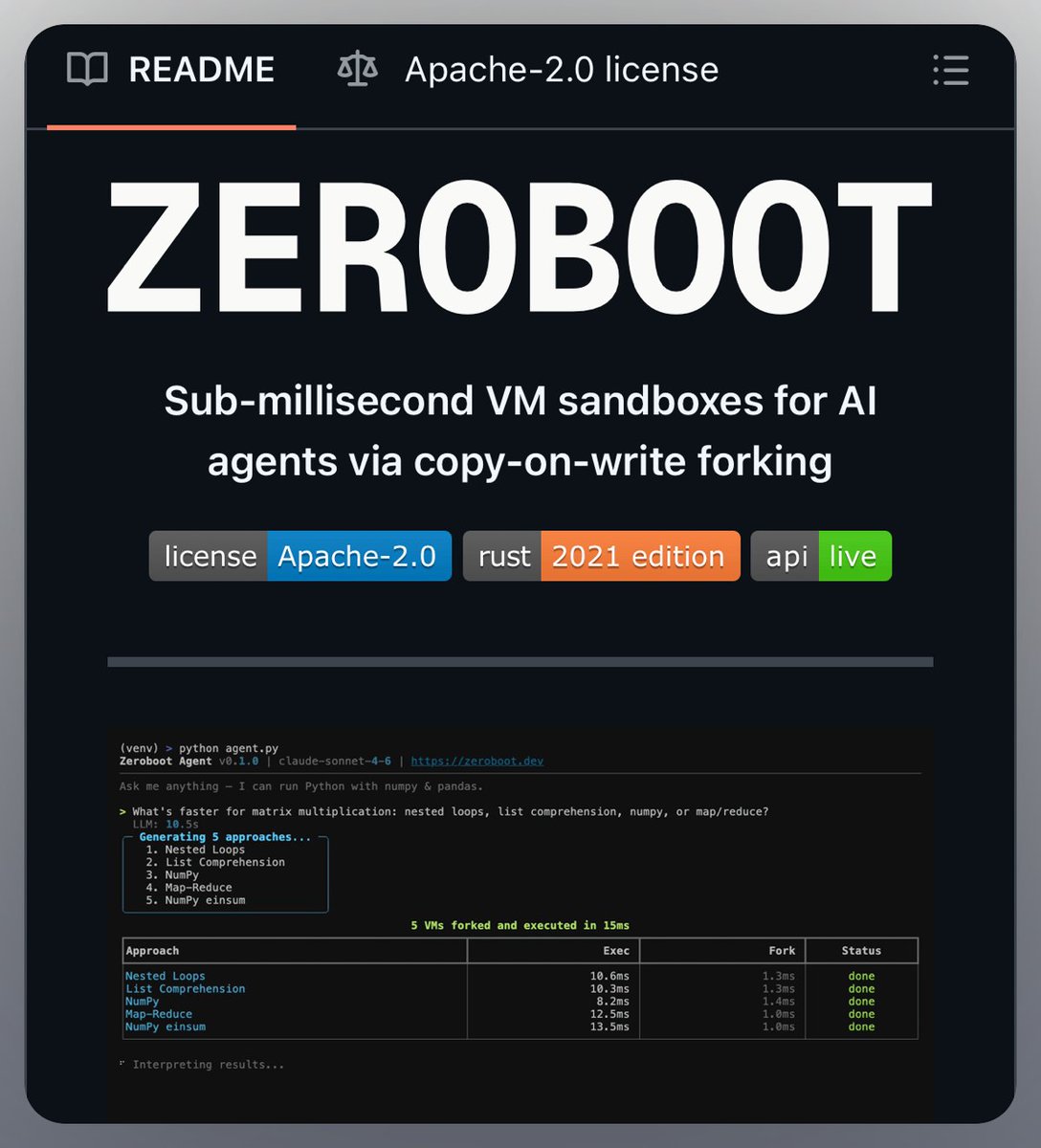
Sub-millisecond VM sandboxes are here. Zeroboot boots preloaded environments, snapshots them, then forks new isolated VMs in ~0.8ms. This changes how we think about running agents and serverless workloads.
GitHub Projects Community tweet media
English
39
162
1.5K
119K
Rodrigo Cavalcanti
Rodrigo Cavalcanti@Rodrigocvnti·
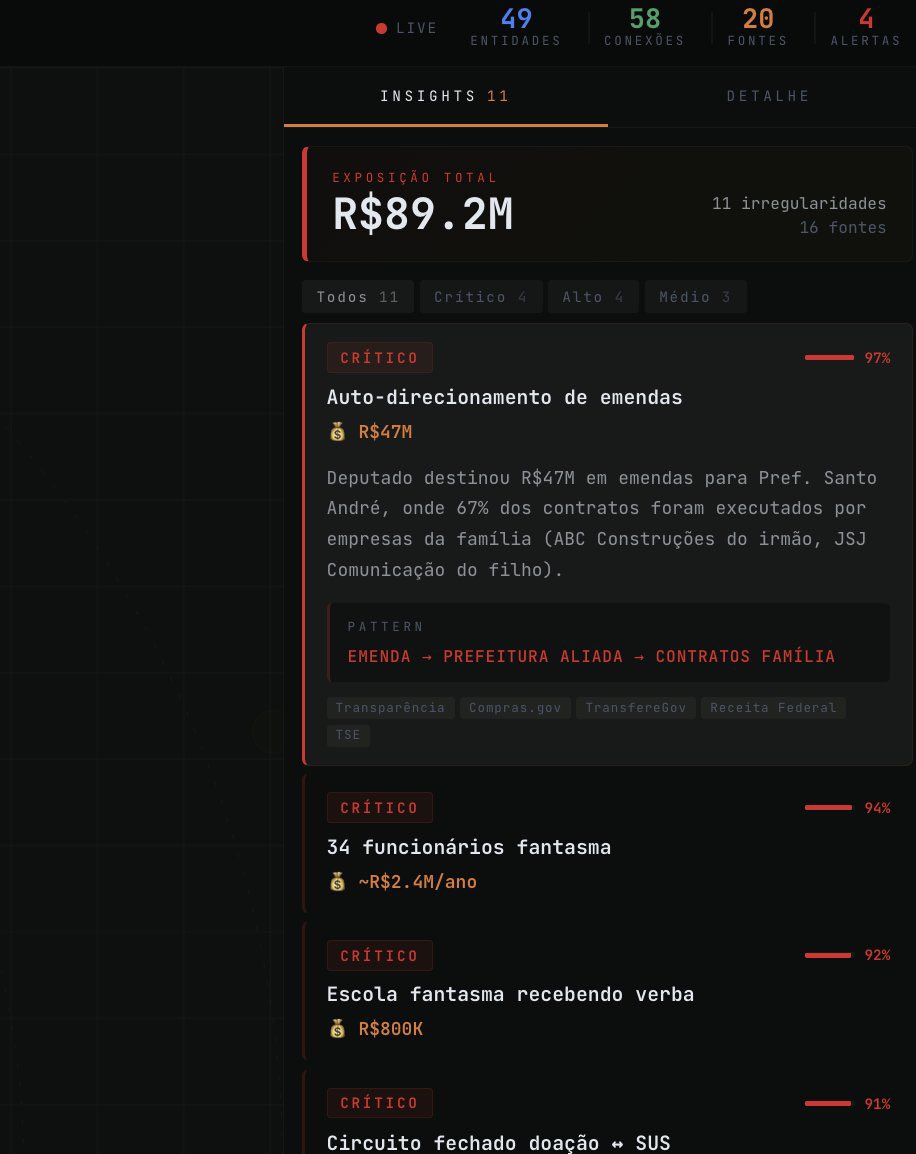
@brunoclz existe há algum tempo e já impulsionou boas investigações. Esse tipo de post feito desse jeito não estimula um discurso técnico e saudável. Gente falando que “o Sul é melhor”, “que agora o PT isso e aquilo”. Vira rinha e ego. Temos transparência no Brasil, não temos é letramento.
Português
0
0
3
469
Rodrigo Cavalcanti
Rodrigo Cavalcanti@Rodrigocvnti·
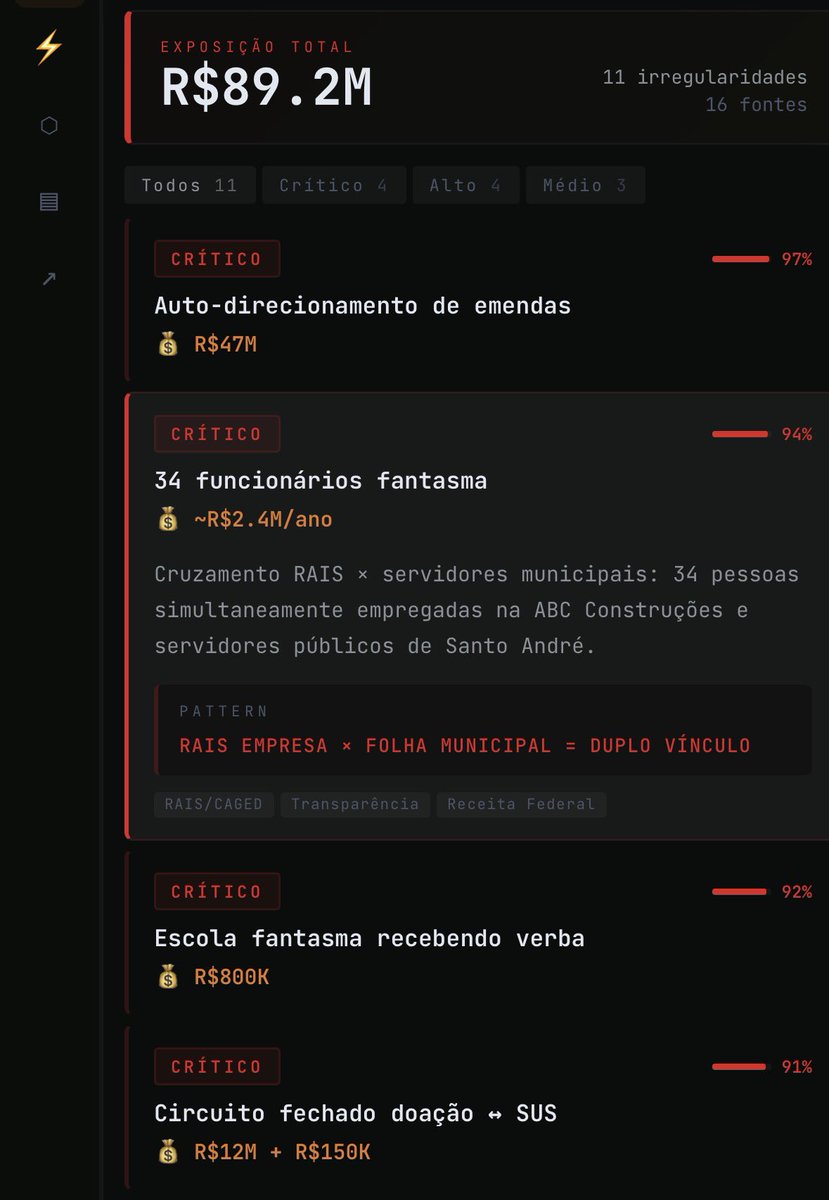
@brunoclz Sem desmerecer o trabalho do Bruno, mas de cara com o excesso de emoção das pessoas que não se dão ao trabalho de pesquisar melhor. Falando até em tese na Unicamp. Os jornalistas investigativos, e sérios, ja tem acesso a uma ferramenta para isso. Chama cruzagrafos.abraji.org.br .
Português
2
0
14
4.3K
Bruno César
Bruno César@brunoclz·
Então, aparentemente se você conectar todas as bases de dados abertas do Brasil, da para detectar corrupção com base no CPF de políticos Construí um negócio e não sei o que fazer com isso, não tô querendo ir de vala
Bruno César tweet mediaBruno César tweet media
Português
2.3K
6.2K
43.3K
4.6M