David Borovsky retuiteado

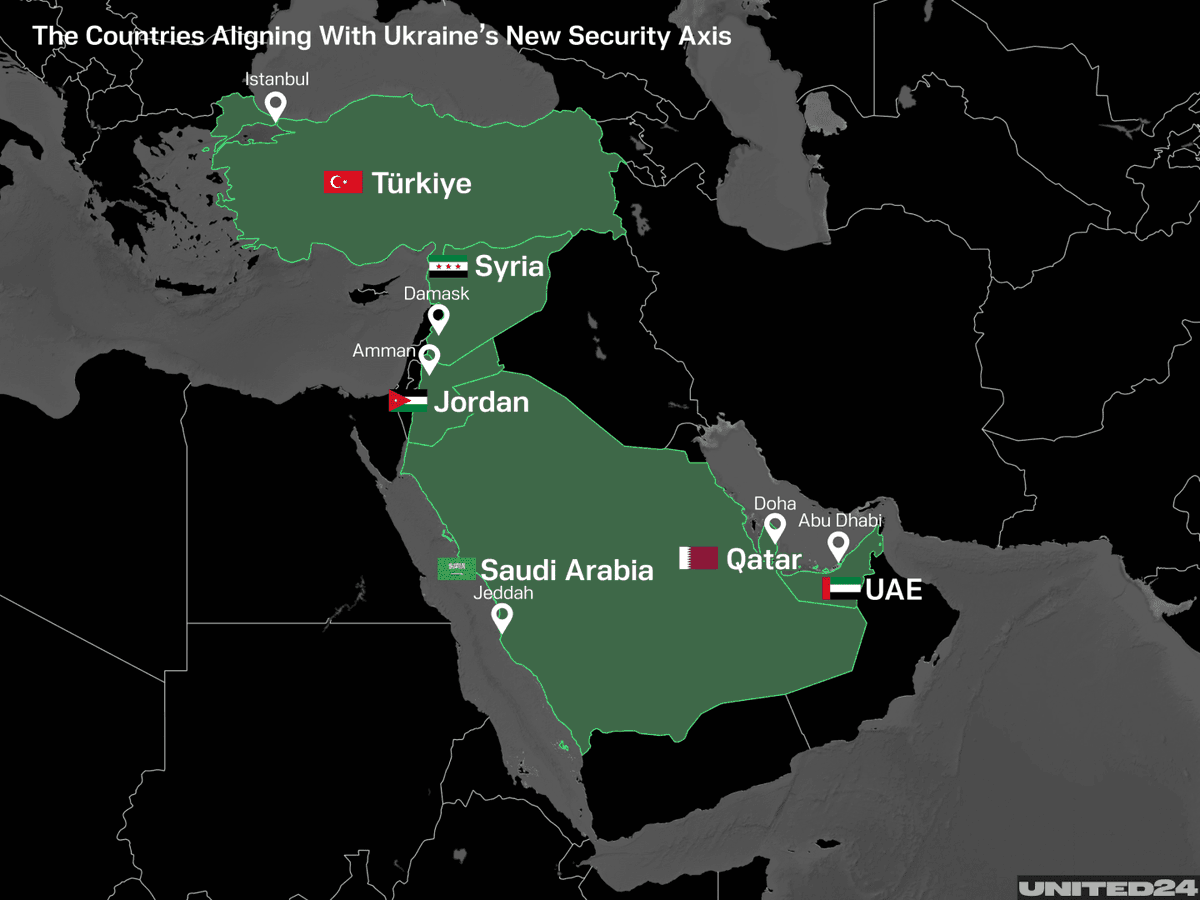
Ukraine is building a security axis across the Middle East — from Syria to Saudi Arabia, writes United24.
Zelenskyy: Ukraine is the only country in the world with combat experience in a real 21st-century war. 1/
English
David Borovsky
5.2K posts




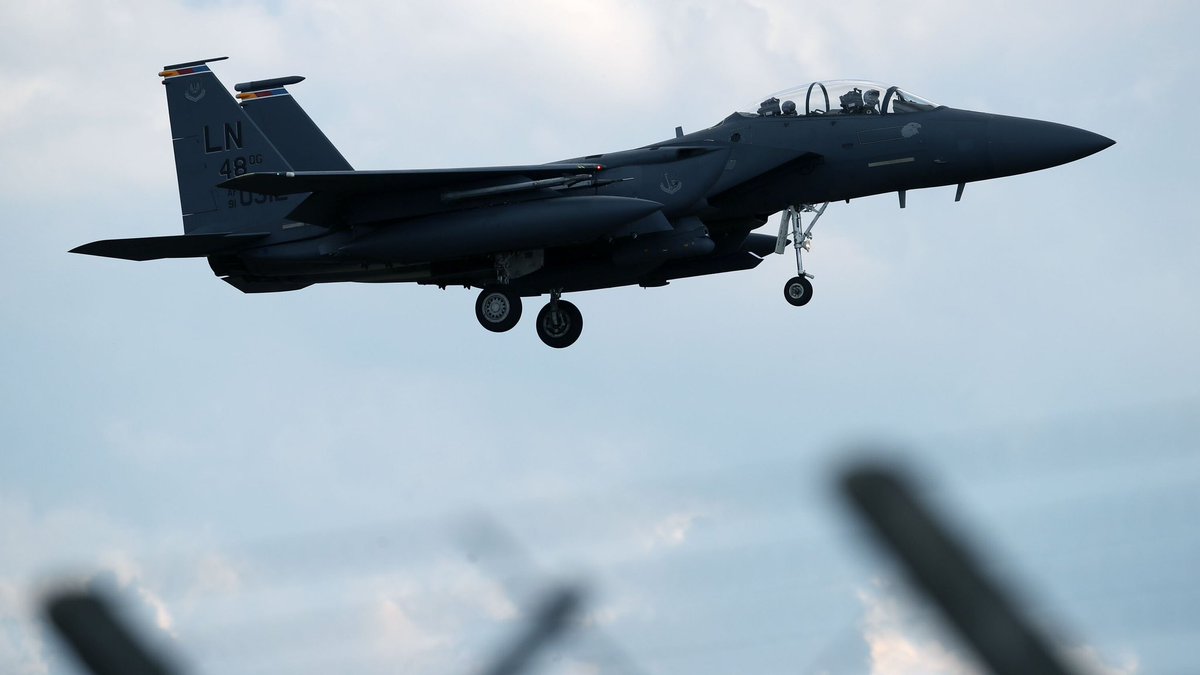
The next steps in the US military campaign against Iran will commit nearly its entire inventory of stealthy JASSM-ER cruise missiles, drawing them from stockpiles devoted to other regions. bloomberg.com/news/articles/…

Pete Hegseth’s broker looked to buy defence fund before Iran attack ft.trib.al/DKXRnPP

Spain froze rents and capped increases at 2%, but rent control is already cutting supply by up to 50% and not improving conditions for renters. Spain should follow Argentina, which ended rent control in 2023 and has seen housing supply rise 180%, reports Cato’s @hiperfalcon. ow.ly/k7Mx50YztmZ


Huh! Even though the newest COVID vaccines are more effective than the older ones, they don't lead to myocarditis. They got both more effective *and* safer!


A new study just came out on this topic. Using data from almost 14 million young people in England, they found that COVID—but not COVID vaccination—was broadly associated with heart problems. The myocarditis bump (which is milder than real myocarditis) was also small.
I find it hard not to have as a central scenario where oil prices will remain very high for a long time, higher than the market current prices. I am no expert on geo-politics and defense technology, but this is what I think I have learned: Fully protecting ships in the strait of Hormuz is basically impossible. Not enough time to stop missiles or drones. There is no reason, whether or not Trump declares that war is over, to think that Iran will not continue for some time to threaten to destroy the ships that try. Why should they stop? The risk will thus remain sufficiently high that most non Iranian ships will not take the risk. Thus, the shortfall of 20 million barrels a day is likely to last for long. The scope for increased supply from elsewhere is very limited in the short run. Perhaps 2 million barrels at the most. The 400 million barrels reserve release can only add 3-4 million barrels or so daily. The short run elasticity of demand for oil is very low, at most -0.1, and probably less. This suggests to me prices closer to 150-200 dollars per barrel (or more, but I hesitate to give higher numbers…) than to the current market price. To repeat. I am no expert (As an economist, I have a bit more sense about the next step, namely what such a price would to the world economy). I would be more than happy to be proven wrong.



Starbucks CEO Brian Niccol makes $95,801,676 a year, while the average Starbucks worker makes under $15K.