Bill Rich

1.7K posts

Bill Rich

Bill Rich

@rhlearning

Ed consultant specializing in using what we know about the brain to inform what we do in our schools.

Vermont Se unió Ağustos 2014
484 Siguiendo634 Seguidores
Bill Rich retuiteado
Emily Rinkema
Emily Rinkema@emilyrinkema·
In a completely terrifying and vulnerable shift from flash fiction, I wrote a very personal essay and it's up at Herstry today. Hope it resonates. herstryblg.com/true/2026/3/11…
English
6
10
23
1K
Bill Rich retuiteado
Emily Rinkema
Emily Rinkema@emilyrinkema·
For the first time I brought back a character from a previous story—I guess I wasn’t done with Skitzy yet. Here’s “Millie or Timothy or Gwendolyn, but we’d call her Gwen” in @TinyMolecules #emily-rinkema" target="_blank" rel="nofollow noopener">tinymolecules.com/issues/issue-t…
English
0
6
14
385
Bill Rich retuiteado
David Epstein
David Epstein@DavidEpstein·
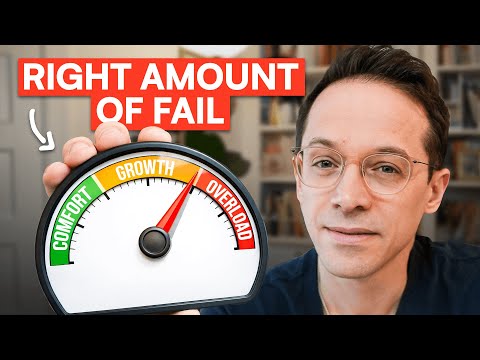
I crammed most of what I know about "desirable difficulties" that aid learning into a 15-minute video youtube.com/watch?v=GMsmB2…
YouTube video
YouTube
English
1
5
29
5K
Bill Rich retuiteado
Emily Rinkema
Emily Rinkema@emilyrinkema·
I could not be any happier about where this story ended up...Thank you so much @Wigleaf for seeing the heart in this flash. Hope you'll all give it a read: "Things That Happened at or around My Cousin Kelly's Funeral, in No Particular Order." wigleaf.com
English
0
2
23
596
Bill Rich retuiteado
Carl Hendrick
Carl Hendrick@C_Hendrick·
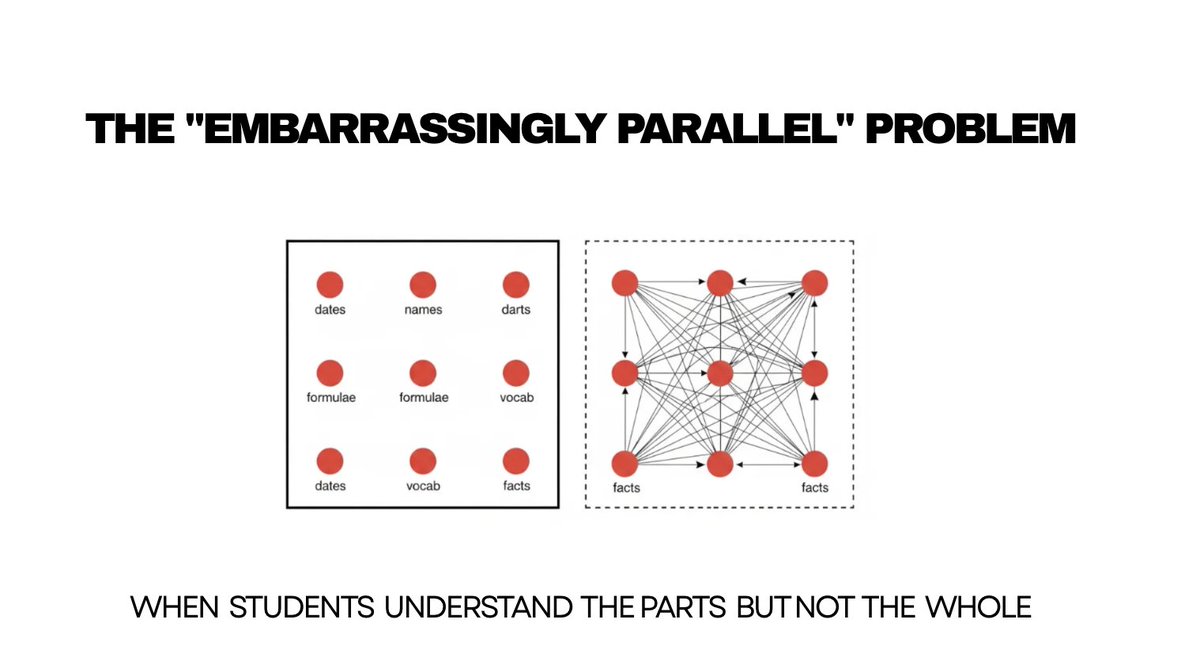
Why do students sometimes master 3,650 words but still struggle to read a novel? Because understanding is not a parallel problem. In my latest post, I explore what computer science reveals about knowledge vs understanding. Post in reply ⬇️
Carl Hendrick tweet media
English
7
27
100
15K
Bill Rich retuiteado
Michael Strong
Michael Strong@flowidealism·
I believe children need to do productive work to feel valuable. That doesn’t mean three- and four-year-olds should be “working” in a formal sense. It means they can help, contribute, and be part of the household's real life. When it comes to adolescents, it becomes essential. Teenagers need to feel they are contributing in some way. A lot of our mental health crisis comes from the fact that many teens, and often many twenty-somethings, do not feel they are contributing anything real. This does not have to look like a traditional job. At The Socratic Experience, we emphasize entrepreneurial, creative, and intellectual projects for exactly this reason. Whether or not a student makes money, they can still produce something of value and offer it to the world. One example is our student Sui, who is an exceptional writer. She may not be making money from her writing right now, but the work is serious and artistic. She publishes on Substack for the public. There is a message in that act: “I am presenting something to the world with the expectation that it will be taken seriously.” Feeling like we are doing something valuable is central to happiness and well-being. That is why we build so much of our program around adult-level projects. Teens need to experience themselves as contributors, not just as box-checkers chasing grades for college applications.
English
5
3
93
4.6K
Bill Rich retuiteado
Rod
Rod@rodjnaquin·
Check out my interview with Holly Korbey where I discuss the "systemic incoherence" plaguing schools today. After returning to teach, I saw firsthand how teachers' days are consumed by administrative busy work—learning new digital platforms, incorporating various initiatives, checking boxes—instead of focusing on real teaching and learning. Students face wildly different expectations from class to class with little instructional leadership unifying the direction. There's almost no time dedicated to solving the "problems of practice" that actually affect all teachers. Research shows teachers in supportive, focused environments improve 20% more over five years. Bottom line: schools need to do fewer things better and create space for teachers to tackle fundamental instructional challenges. open.substack.com/pub/hollykorbe…
Rod tweet media
English
2
17
69
9K
Bill Rich retuiteado
Emily Rinkema
Emily Rinkema@emilyrinkema·
I'm not sure I can fully express what this means to me--to be a part of the journal that was so instrumental in my own early flash journey is such a ridiculously huge honor and joy. Thanks you @EricScotTryon for bringing me into the Frog!
Flash Frog@flashfroglitmag

🚨BIG NEWS!!!!🚨 We are so beyond excited and honored to announce that the wonderful and talented @emilyrinkema is joining the Flash Frog family! 🐸💙

English
12
7
62
1.6K
Bill Rich retuiteado
Rod
Rod@rodjnaquin·
My third most popular blog this fall argues schools are incoherent systems where students experience contradictory worlds across classrooms and teachers receive fragmented support. Research shows professional development and evaluations—designed to help teachers—are least connected to actual practice. Real coherence requires aligned priorities, sustained joint work on shared problems, and multi-level support systems working together consistently. rodjnaquin.substack.com/p/why-schools-…
Rod tweet media
English
0
4
19
1.6K
Jamie Clark
Jamie Clark@XpatEducator·
🎁 Just published: Free Christmas Gift! ⚗️ DistillED Playbook → 30 page, printable A4 booklet → 6 high-impact teaching strategies → Strategy checklists → QR codes to planning resources → Built from the most-read DistillED posts this year. If you want a copy, comment below and I’ll DM you the PDF. ⏰ Free until Boxing Day.
English
774
166
336
70.6K
Bill Rich retuiteado
Rod
Rod@rodjnaquin·
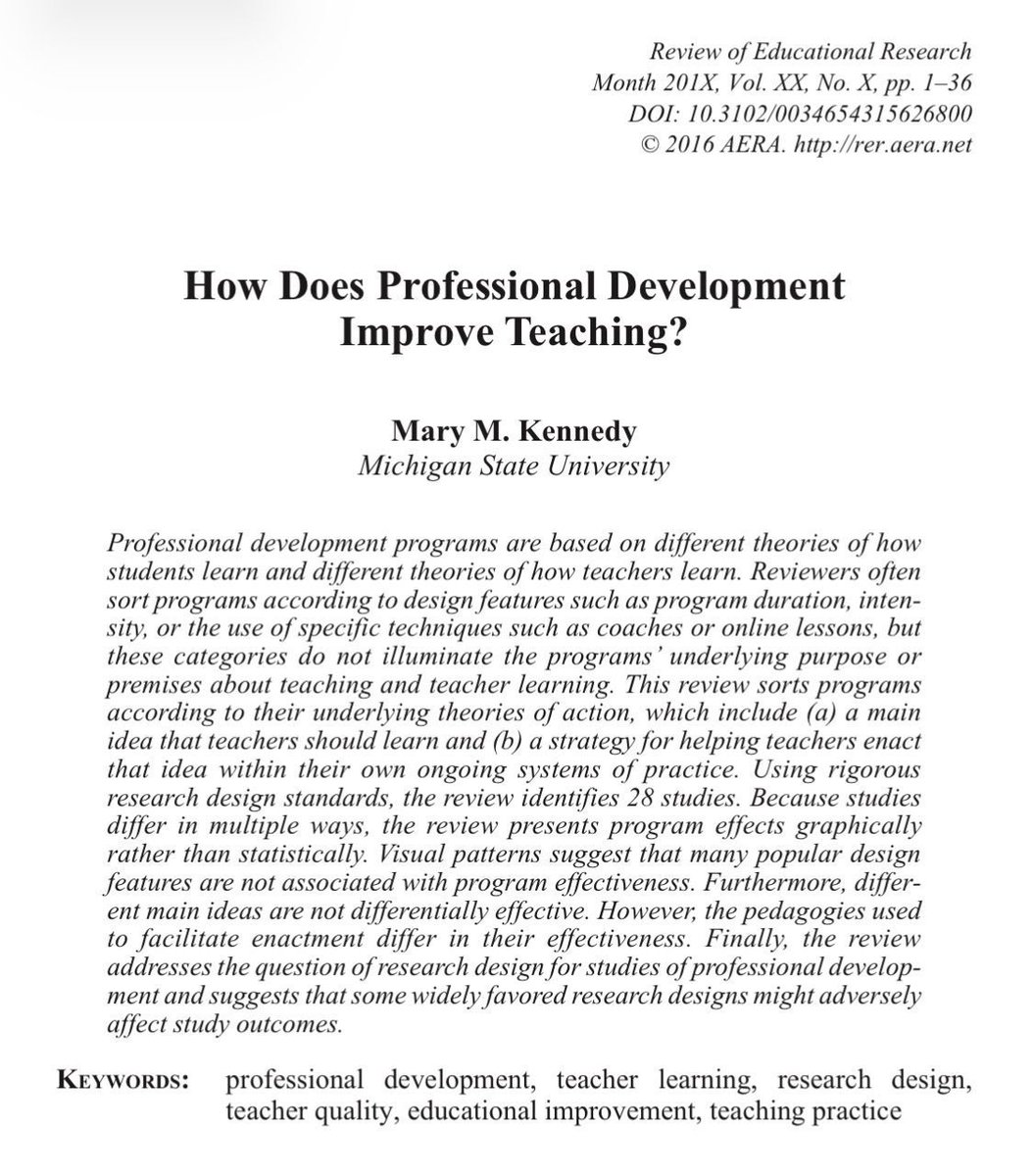
Mary M. Kennedy reviewed 28 studies on teacher professional development to find out what actually works. She discovered that the best programs help teachers think strategically or discover insights on their own, rather than just giving them step-by-step instructions to follow. Programs where teachers had to participate often didn't work at all, even when they were expensive and time-consuming. Intellectual engagement means teachers actively think through new ideas instead of just being told what to do. In successful programs, teachers discussed research together, watched videos of teaching, and figured out solutions as a group. They talked about why certain approaches work and when to use them. This is very different from having a coach watch you teach and tell you what you did wrong. The least effective programs treated teachers like robots who just needed better programming. They gave detailed scripts and checklists for teachers to follow exactly. Kennedy found these often failed, especially when teachers were forced to participate. Teachers are professionals who need to understand the "why" behind new methods and decide for themselves how to use them with their specific students. When they get to think, discuss, and problem-solve together, they actually improve their teaching. journals.sagepub.com/doi/abs/10.310…
Rod tweet media
English
11
138
446
34.8K
Bill Rich retuiteado
Justin Skycak
Justin Skycak@justinskycak·
The importance of automaticity on foundational skills is blatantly obvious to anyone who has seriously trained to learn an instrument or sport.
Justin Skycak tweet media
English
4
26
174
5.3K
Bill Rich retuiteado
Carl Hendrick
Carl Hendrick@C_Hendrick·
What is the impact of banning phones in class? - Phone free classrooms showed less disruptive behaviour, reduced off topic conversation, and less peer chatter. - The intervention improved classroom dynamics without harming student wellbeing, motivation, or attendance. - Lower performing students gained nearly twice the overall effect (0.161 SD versus 0.086 SD), suggesting phone bans may function as environmental scaffolding for those with weaker self regulation. - Students who experienced the ban became significantly more supportive of restrictive policies, suggesting initial resistance may dissipate once learners experience the benefits firsthand. - The intervention required only low cost wooden boxes manufactured from recycled materials, making it highly scalable. - The effect size is comparable to growth mindset interventions and teacher professional development programmes, but requires no training, curriculum change, or ongoing resources. papers.ssrn.com/sol3/papers.cf…
Carl Hendrick tweet media
English
2
36
93
6.9K
Bill Rich retuiteado
Adam Grant
Adam Grant@AdamMGrant·
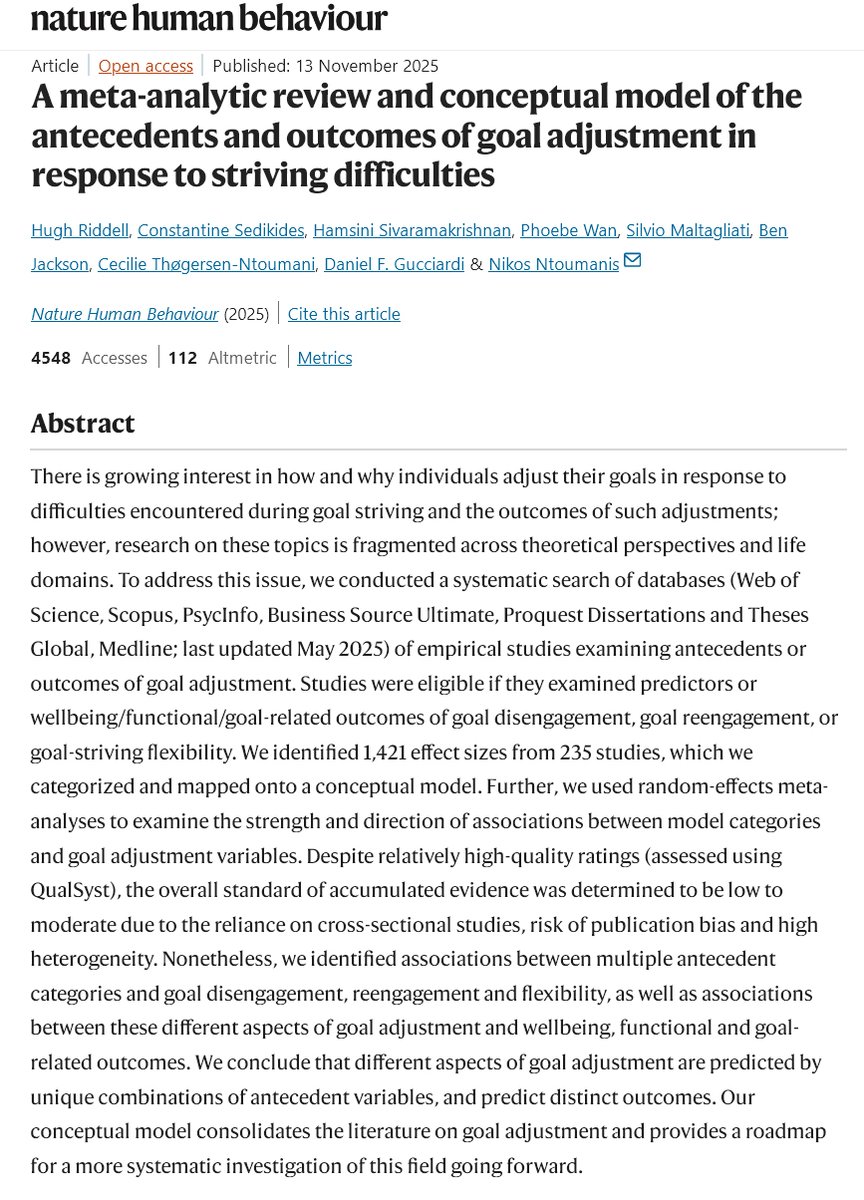
Success is not about finishing everything you start. It’s about knowing when to grit and when to quit. 235 studies: When people adjust their goals and plans in the face of challenges, they make more progress—and feel less depressed and anxious. The ultimate flex is flexibility.
Adam Grant tweet mediaAdam Grant tweet media
English
93
1.1K
4.6K
320K