
David F Wilson

7.2K posts

David F Wilson banner
David F Wilson

David F Wilson

@DFWil

artist, designer, waller, maker - based in Perth Scotland https://t.co/lCoJvzCjUV

Inscrit le Mayıs 2011
2.1K Abonnements1.6K Abonnés
David F Wilson
David F Wilson@DFWil·
@SabinHoward Stunning work.. cool that it’s being made in UK.. no US based foundries? Or cost? Or scale?
English
1
0
1
355
Sabin Howard
Sabin Howard@SabinHoward·
Back from Pangolin foundry in the UK with our 36 inch prototype model of grand liberty Arch monument
English
13
20
235
12.1K
David F Wilson
David F Wilson@DFWil·
@ElvisPresley Amazing Grace! Elvis sits at the heart of that song with the musicians and backing singers elevating it to pure magic .. stick headphones on and lose yourself in that sound!
English
0
0
2
108
David F Wilson
David F Wilson@DFWil·
@shivmalik Exactly! So where do the creatives fit? Do the machines just replicate the past? Do the machines possess material knowledge? What makes stone and detail resonate is the ‘human’.. the effort the skill .. these are IMPORTANT aspects to consider
English
1
0
0
48
Shiv Malik
Shiv Malik@shivmalik·
@DFWil Lots of it can be automated before being finished by hand. And those technologies are almost at fruition.
English
1
0
2
176
David F Wilson retweeté
Kyle Vansice
Kyle Vansice@KyleVansice·
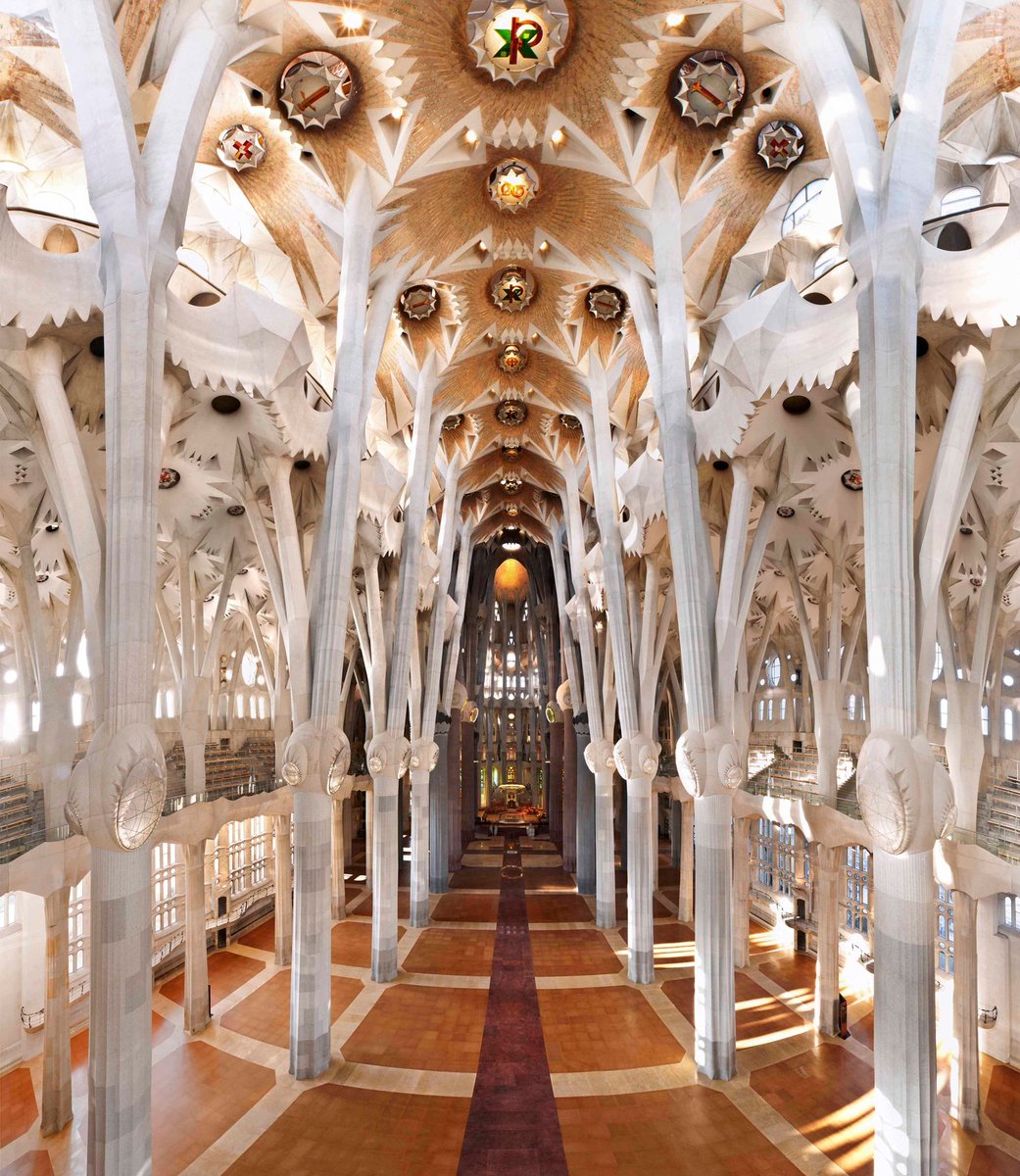
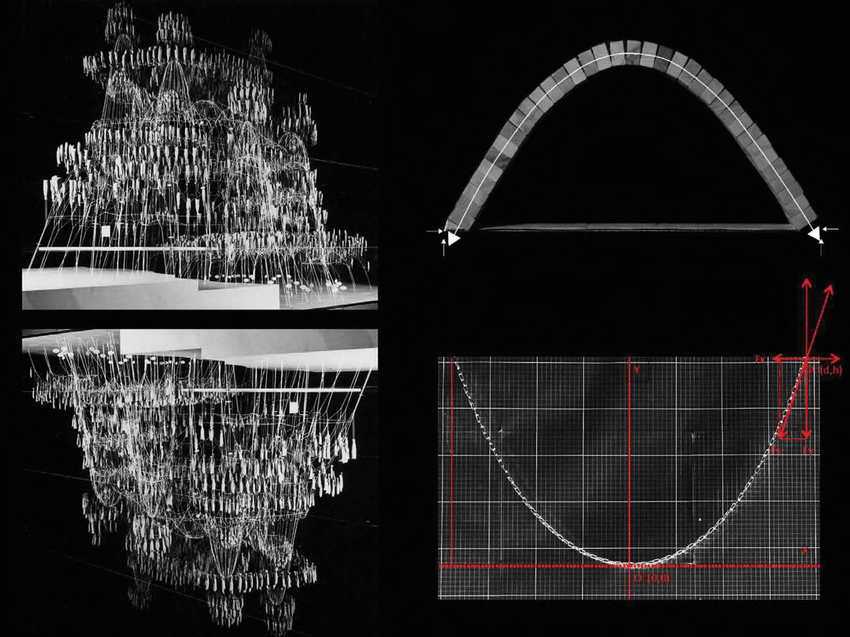
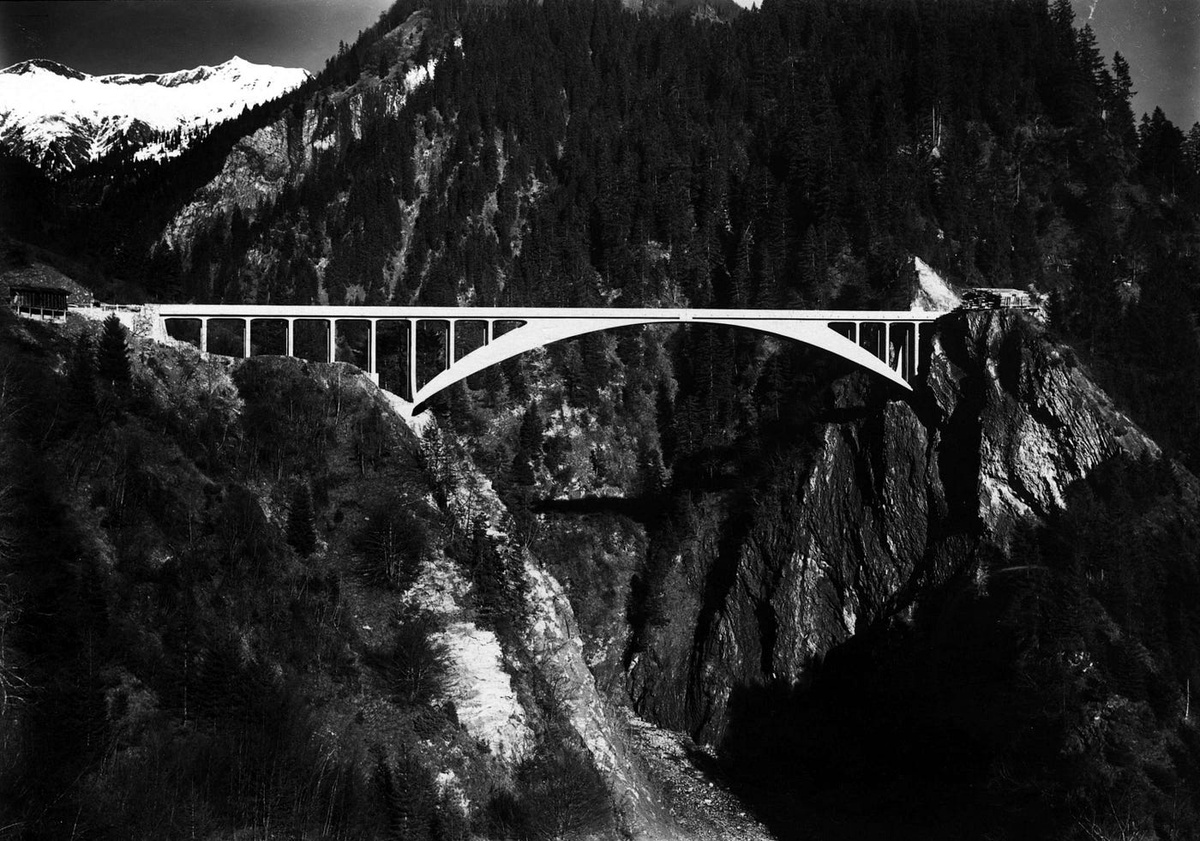
my submission: modernist aesthetics are more economic than they are Platonic modernism emerged from an industrializing world that shifted away from cheap labor, expensive materials, and expensive compute, toward expensive labor, cheap materials, and cheap compute the result has been architecture optimized for ease of simulation and construction, not for material intelligence or responsiveness to our environment one example: your average office building has concrete slabs with twice the concrete necessary to reduce the labor intensity of formwork. Flat, heavy floors that are dull, unresponsive, and brute-forced into compliance by finite element analysis, instead of the beautifully expressive work of Pier Luigi Nervi modern structures have lost honesty. They no longer express the natural patterns of form and force. And because humans intuitively read those patterns, the buildings feel unhuman but this will flip back back... AI and robotics are making craft and compute cheap, and at some point material optimization will once again become the primary driver of design. When labor is no longer the bottleneck, geometry can lead with intelligence of nature again like 100 to 1000 years ago engineers and architects used a radically different kind of computation... graphic statics (thanks to James Clerk Maxwell, others), which established the reciprocity of form and force through geometric equilibrium. A vector-based mathematics so powerful it produced structures that still feel more futuristic than most buildings today this is computation without computers, but paradoxically closer to modern AI than to matrix-based numerical methods Gaudí’s Sagrada Família is the canonical example: exuberant, but fundamentally rational, materially honest, and computationally sophisticated. Its complexity was resolved through physical and geometric computation, not low-fidelity FEM abstraction. In many ways, it is more truthful than most modernist buildings that came after it less well known (but personally my favorite), are the bridges of Robert Maillart and Sergio Musmeci, structures of responsive thickness, curvature, and support emerge directly from force flow, not fake stylistic tropes we're going back to this [built] world with AI and robotics, and it will be a beautifully honest one
Kyle Vansice tweet mediaKyle Vansice tweet mediaKyle Vansice tweet mediaKyle Vansice tweet media
Patrick Collison@patrickc

A Call for New Aesthetics: newaesthetics.art.

English
16
25
351
41.3K
David F Wilson retweeté
Micah Springut
Micah Springut@mspringut·
@patrickc The opportunity is ripe for a new aesthetic. A broad decline in contemporary art, a revival of interest in old masters, technology that enables new sculptural and architectural forms and economies, yet is still barely understood by today’s artists and architects.
English
4
2
113
22.7K