
Tweet épinglé
JLockEmUp
43.5K posts


JLockEmUp
@JLockEmUp
Helping busy professionals lose fat and build muscle in under 90 minutes a week
Inscrit le Nisan 2012
1.1K Abonnements3.6K Abonnés

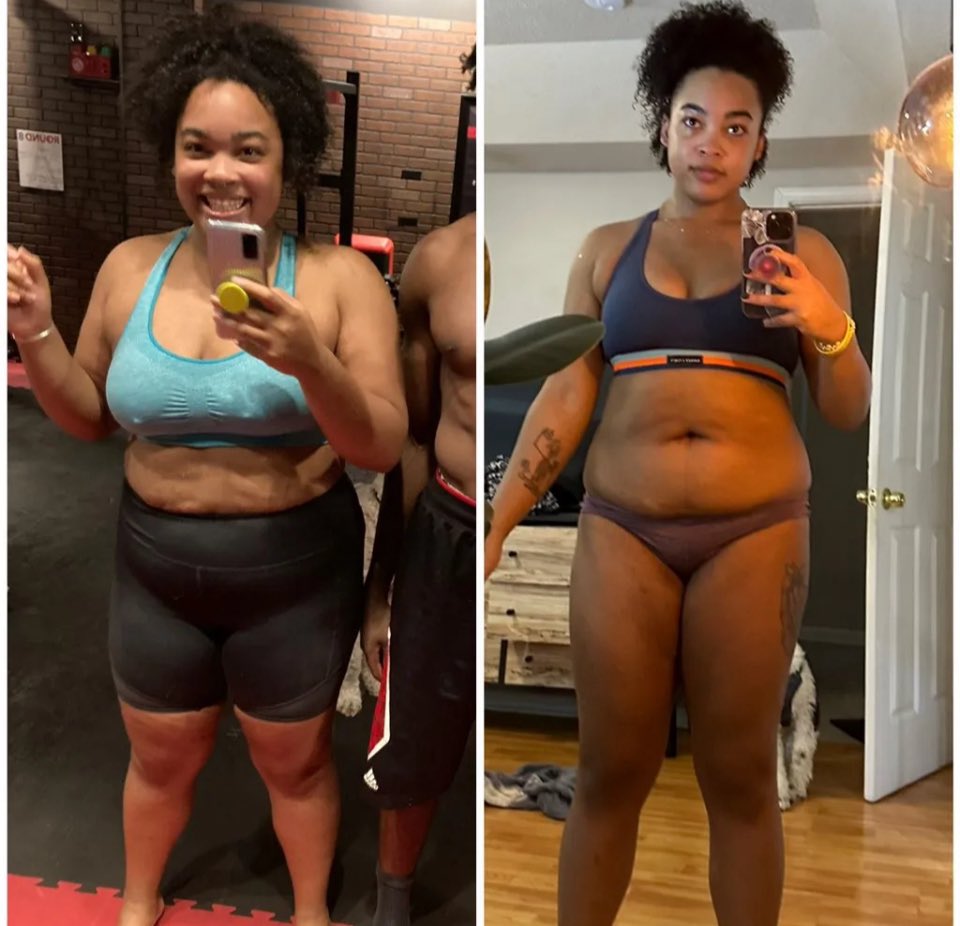


@nerjiyullahi I see so many people destroying their long-term health by pretending everything is fine when it isn’t. Keeping the peace by swallowing your emotions leads to chronic stress, poor sleep, emotional eating, and a nervous system stuck in overdrive
English


i can’t explain it but you need to be financially stable to be consistent in the gym..
English



@markynextdoor You complain about being broke yet spend $300 on two PlayStation controllers just to lose them in under a year when they’re both hidden under boxes and boxes of Raising Canes and 7-11 orders.
English

Welp… I spent $300 on ps5 controllers. I’ve officially lost the plot ✌🏻


English

If you want to lose 30+lbs in the next 12 weeks, like this tweet and comment "30"
I’ll DM you a free gift you can use to make it happen
(taking this down in 24hrs. must be following me or you wont receive it)
English
JLockEmUp retweeté

One of the most critical steps in reducing microplastic exposure is avoiding the heating of plastics.
For example, adding boiling water to a plastic bottle can increase the leaching of BPA, a plastic-associated xenoestrogen, by up to 55 times.
Heat accelerates oxidation, causing plastics to release microplastics faster. A hot coffee in a plastic-lined paper to-go cup is an avoidable source of BPA, BPS, and phthalates.
This is part of my personal microplastics strategy, which I call imperfect avoidance.
We can take simple steps to minimize exposure by removing or reducing the 'worst offenders.'
First, avoid heating plastic altogether—even those 'microwave-safe' containers designed to prevent melting, not leaching.
A recent study showed microwaving food in plastic can release over 4 million microplastic particles into food in minutes. Opt for glass or ceramic instead.
Cut back on canned drinks and canned foods and opt for fresh when possible.
One study found consuming soup from a can for 5 days led to a 1,200% increase in urinary BPA levels compared to those who consumed the same amount of fresh soup.
Even 'BPA-free' cans, including sodas, are lined with plastic that contains BPS, another endocrine disruptor that may not be any safer than BPA.
If you're filtering tap water, use a reverse osmosis filter with stainless steel storage to avoid reintroducing microplastics.
My new episode on microplastics and their impact on our health is a critical conversation—especially for pregnant women, babies, and adolescents—most vulnerable to endocrine disruption during key developmental stages.
While we can't eliminate microplastics' ubiquitous and pervasive presence, we can reduce opportunities for accelerated bioaccumulation and exposure, often with minimal inconvenience to ourselves.
For more insights and tips on microplastics and their associated chemicals, check out episode 95 of the FoundMyFitness Podcast.
Available now on X, YouTube, Spotify, and Apple Podcasts.
Show notes and sources available here:
foundmyfitness.com/episodes/micro…
FoundMyFitness Clips@fmfclips
Many to-go coffee cups are lined with plastic And when you pour in hot water or coffee... you're ingesting a slew of chemicals like BPA that leech in Same goes for the microwave, get this: Microwaving food in plastic containers can release over *4 million* microplastic particles into a meal in just 3 minutes (along with the chemicals they carry) You have to live life, but some easy takeaways to avoid the worst offenders: • Bring your own mug to the coffee shop • Don't eat microwave popcorn (the bags are lined with PFAS, aka forever chemicals) • Don't microwave food in plastic containers
English
JLockEmUp retweeté
Resistance training can have long-term benefits that last years. Even if you later quit.
Just one year of high-intensity resistance training can preserve leg strength in older adults for three years after stopping—even as muscle mass declines.
This surprising resilience suggests that the benefits of strength training extend far beyond muscle size, creating lasting neuromuscular adaptations that keep you strong long after the workouts end.
In contrast, those who engaged in moderate-intensity training (body weight) or did not exercise experienced significant losses in both strength and functionality within the three years after training stopped.
This suggests that resistance training could be crucial for maintaining muscular functionality later in life, perhaps due to lasting increases in neuromuscular components like acetylcholine receptors — an idea sometimes referred to as “muscle memory.”
Dr. Layne Norton (@biolayne) dives deep into these surprising findings in episode 94 of the FoundMyFitness podcast.
To get the full breakdown, make sure to watch the full episode:
youtube.com/watch?v=nyZlFB…

YouTube
English
@XJavi00 @CassiusClayKO @mikehav_ @mfdubbz @JukeTTV @JellyToicy @Jordxn710 @iBlackula @DuhFero @itsbridgethaley Miss these days 😔
English

@CassiusClayKO @mikehav_ @mfdubbz @JukeTTV @JellyToicy @JLockEmUp @Jordxn710 @iBlackula @DuhFero @itsbridgethaley Great edits
English


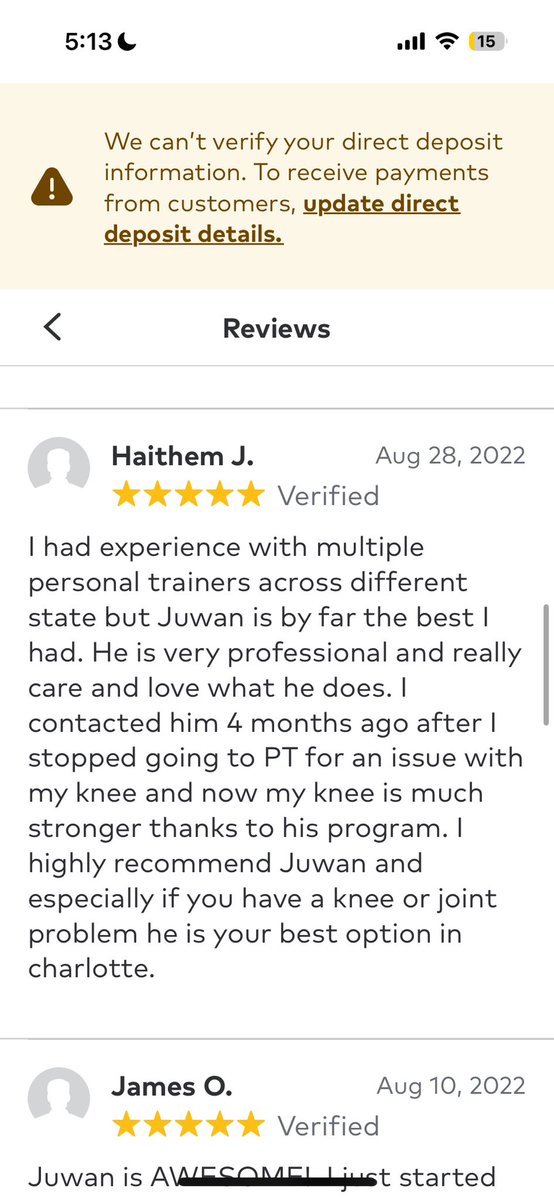

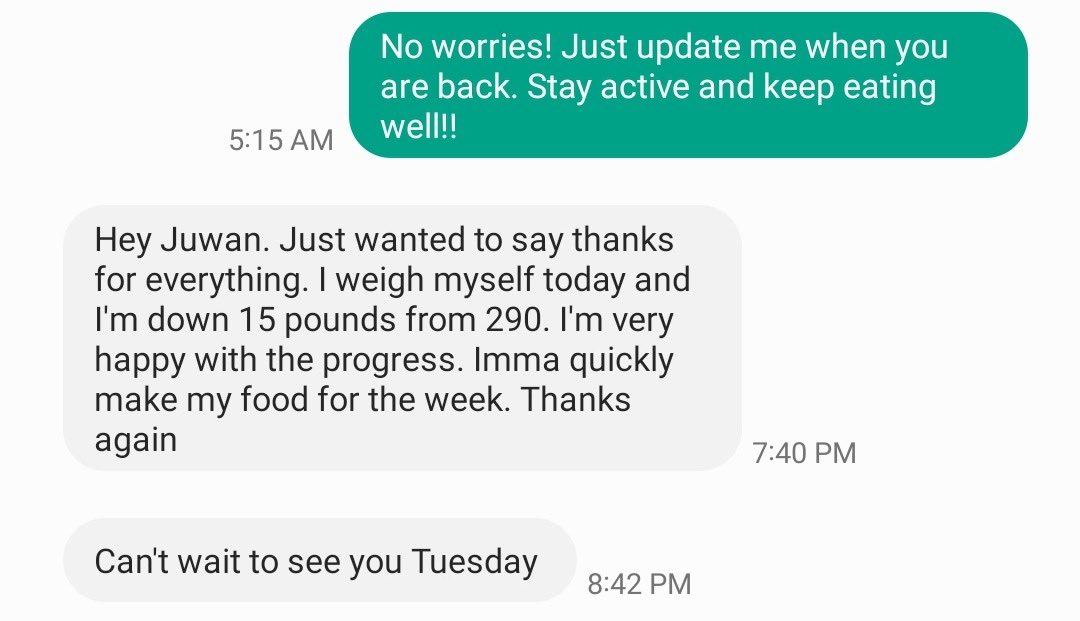




@FinCreighton How much do you find excessive weight has to do with knee pain?
English