عقبة الأيسر

11.4K posts

عقبة الأيسر banner
عقبة الأيسر

عقبة الأيسر

@OkbaLeftHanded

Tinkerer, #PhD Brain-Computer Interface and Machine Learning, Founding member @eldjmaa

Algeria Inscrit le Ağustos 2010
319 Abonnements475 Abonnés
Yannick Roy
Yannick Roy@_yroy_·
@ritas_rom I wish I could engagement farm like that. Putting a selfie and getting thousands of comments. Being born a white man is unfair.
English
3
1
24
9.1K
Rita
Rita@ritas_rom·
Hey I know I’m not the hottest woman around… but how do I look without makeup
Rita tweet media
English
6.1K
395
29.5K
1M
Uzay Bulut
Uzay Bulut@bulutuzay_·
@VerminusM Plus, the French are the indigenous people of France. Arabs, however, are the colonizers of Algeria and oppressors of the indigenous Amazighs.
English
46
55
2.1K
45.3K
Uri Kurlianchik
Uri Kurlianchik@VerminusM·
Why is it okay for Algeria to kick out a million Frenchmen but wrong for France to kick out a million Algerians? Why is everyone allowed to engage in population transfer except the West?
English
359
2.6K
30.4K
549.1K
عقبة الأيسر
عقبة الأيسر@OkbaLeftHanded·
@LyxDesign True, we were raised on analog machines and adapted swiftly to digital devices like a sip of water
English
0
0
1
11
عقبة الأيسر
عقبة الأيسر@OkbaLeftHanded·
For my research studies i mostly use LLMs for visualization and the most boring stuff of handling the tons of csv files of results. with Claude 4.6 I think I won't write any manual code for generating figures anymore.
English
0
0
1
42
Ian Goodfellow
Ian Goodfellow@goodfellow_ian·
I'd like to thank @daniel_rossett for his help in my recovery from the POTS version of Long COVID. Daniel was key in bringing me back from highly disabled and suffering to being able to do what I want to again. This X account is mostly focused on ML / AI. From that point of view, many of you know that in December 2024, I wasn't able to do the test of time award talk at NeurIPS, even by video call. Daniel started working with me in March 2025. By April, I started to have days of no POTS symptoms, by June I was off all heart rate lowering medications, by September I was back to work. I'm back to full exercise, running, lifting weights, mountain biking, and have even done things I hadn't done before I got sick, like riding Whistler Mountain Bike Park. I'm now getting the word out to help Daniel build a company that will bring this approach to more people.
English
171
81
2.7K
203.3K
عقبة الأيسر retweeté
The Spectator Index
The Spectator Index@spectatorindex·
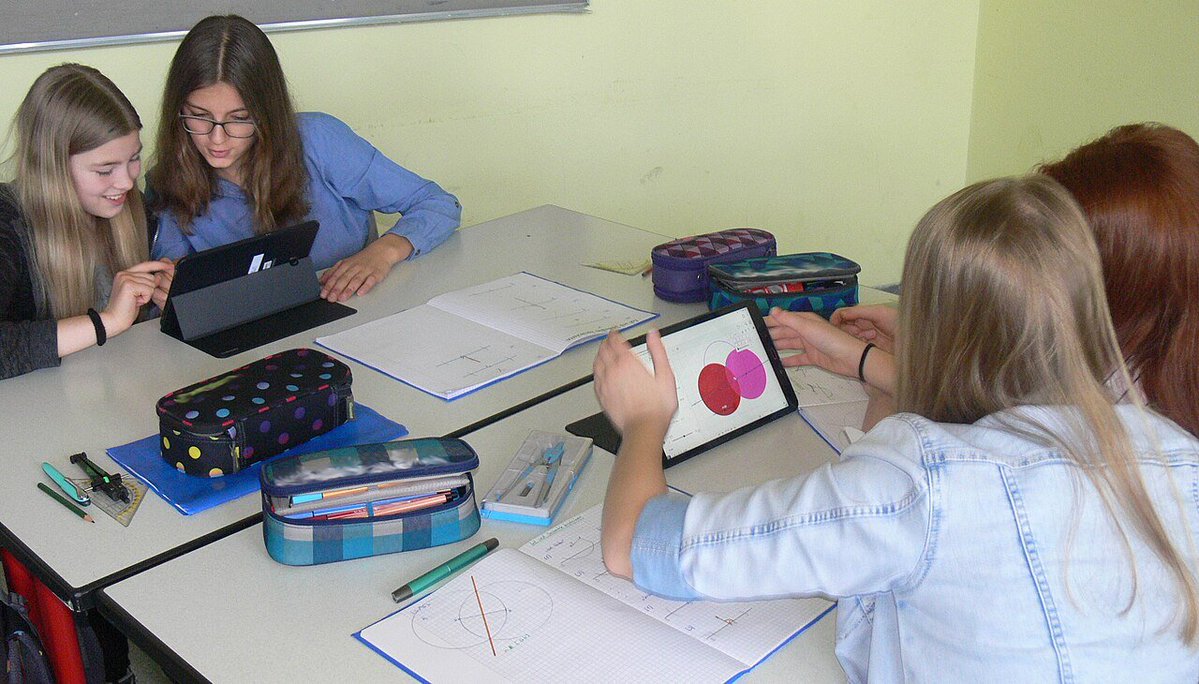
Generation Z is 'less cognitively capable than previous generations, despite its unprecedented access to technology' and it is the first generation in modern history to 'score lower on standardized tests than the previous one', according to neuroscientist Jared Cooney Horvath as reported by FORTUNE magazine.
The Spectator Index tweet media
English
150
429
2K
286.8K
عقبة الأيسر
عقبة الأيسر@OkbaLeftHanded·
Sets the record straight!
François Chollet@fchollet

Lots of folks spread false narratives about how ARC-1 was created in response to LLMs, or how ARC-2 was only created because ARC-1 was saturated. Setting the record straight: 1. ARC-1 was designed 2017-2019 and released in 2019 (pre LLMs). 2. The coming of ARC-2 was announced in May 2022 (pre ChatGPT). 3. By mid-2024, there was still essentially no progress on ARC-1. 4. All progress on ARC-1 & ARC-2 came from a new paradigm, test-time adaptation models, starting in late 2024 and ramping up through 2025. 5. Progress happened specifically *because* research moved away from what ARC was intended to challenge (static DL), toward what ARC was intended to encourage (test-time adaptation). ARC was meant to steer AI research towards fluid intelligence, and it is only by implementing fluid intelligence that it could be solved. 6. To this day, base LLMs (no test-time adaptation) *still* perform abysmally low on ARC despite a 50,000x scaleup since 2020, which confirms what we predicted about this paradigm not being capable of fluid intelligence and therefore not being capable of solving ARC. 7. ARC-3 was announced in February 2025, back when ARC-2 was completely unsaturated. ARC-3 is not in response to ARC-2 getting saturated. 8. We never claimed solving ARC would be proof of having achieved AGI; all the way back to 2021-2022 and every single year since we made it very explicit that it would NOT be proof of AGI. ARC is a research tool that was intended to steer AI research towards fluid intelligence, which it did.


English
0
0
0
63
François Chollet
François Chollet@fchollet·
Lots of folks spread false narratives about how ARC-1 was created in response to LLMs, or how ARC-2 was only created because ARC-1 was saturated. Setting the record straight: 1. ARC-1 was designed 2017-2019 and released in 2019 (pre LLMs). 2. The coming of ARC-2 was announced in May 2022 (pre ChatGPT). 3. By mid-2024, there was still essentially no progress on ARC-1. 4. All progress on ARC-1 & ARC-2 came from a new paradigm, test-time adaptation models, starting in late 2024 and ramping up through 2025. 5. Progress happened specifically *because* research moved away from what ARC was intended to challenge (static DL), toward what ARC was intended to encourage (test-time adaptation). ARC was meant to steer AI research towards fluid intelligence, and it is only by implementing fluid intelligence that it could be solved. 6. To this day, base LLMs (no test-time adaptation) *still* perform abysmally low on ARC despite a 50,000x scaleup since 2020, which confirms what we predicted about this paradigm not being capable of fluid intelligence and therefore not being capable of solving ARC. 7. ARC-3 was announced in February 2025, back when ARC-2 was completely unsaturated. ARC-3 is not in response to ARC-2 getting saturated. 8. We never claimed solving ARC would be proof of having achieved AGI; all the way back to 2021-2022 and every single year since we made it very explicit that it would NOT be proof of AGI. ARC is a research tool that was intended to steer AI research towards fluid intelligence, which it did.
English
37
134
1.5K
90.9K
Melissa Chen
Melissa Chen@MsMelChen·
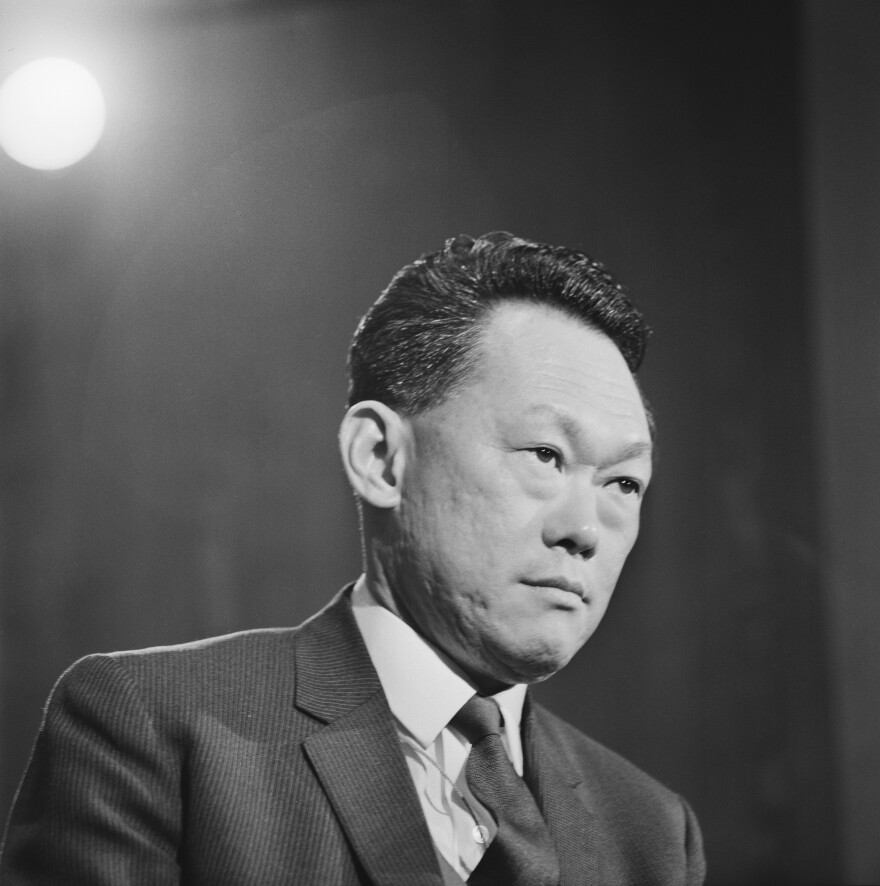
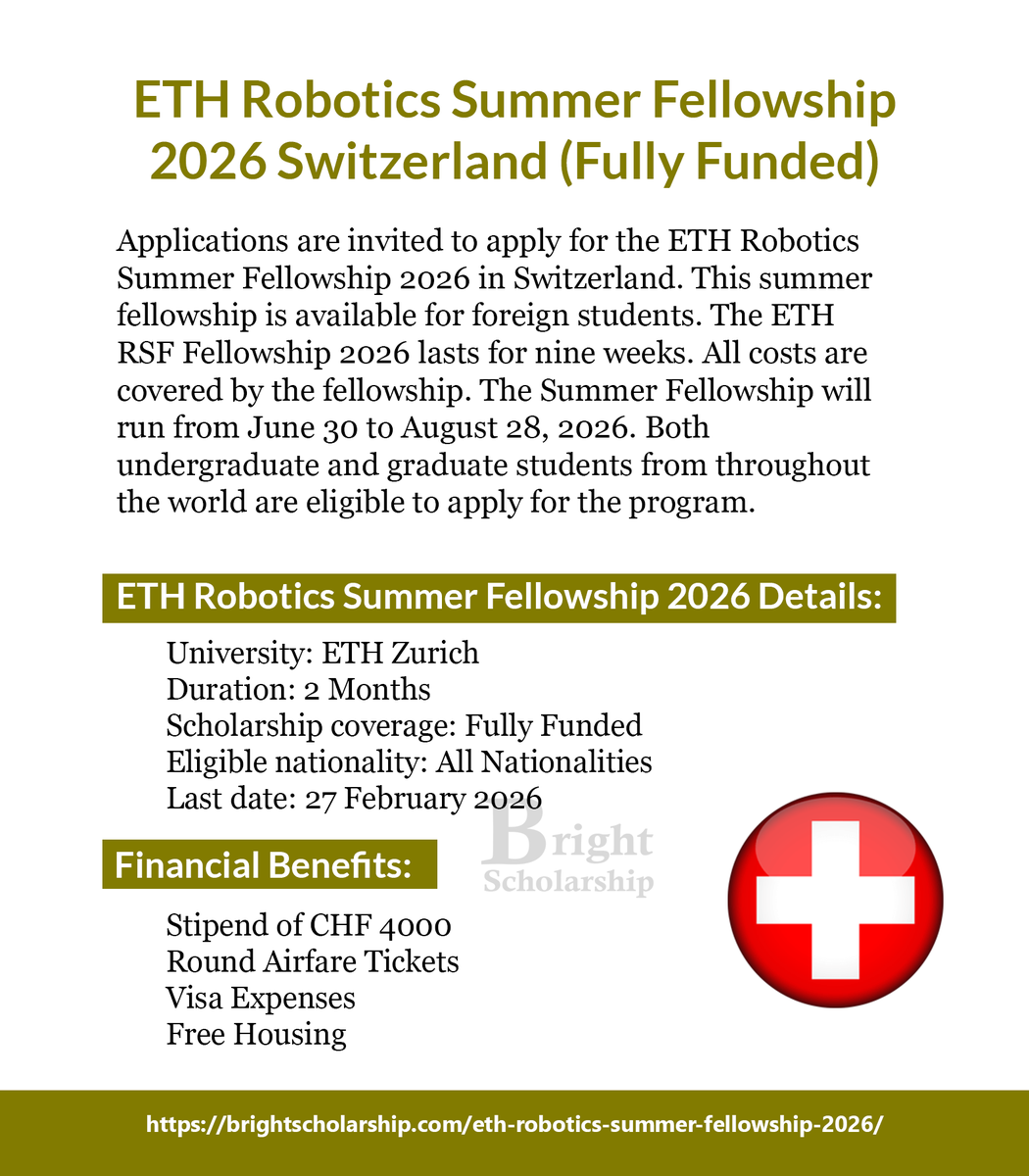
One of these countries is not like the others 🇸🇬 Unlike the European stalwarts and Nordic powerhouses, it didn't get to evolve a high trust culture and proper institutions organically over generations, through homogenous societies. This low corruption outcome for Singapore was entirely engineered, top-down. Lee Kuan Yew inherited a tiny, resource-poor Asian city state that was rife with ethnic tensions and rampant graft. Bribery was a survival tool. But the man studied Thomas Hobbes and knew that it could be done. One need only understand human nature and possess the will to power to pull it off. What LKY did: > Beefed up laws and enforcement: Defined bribery in the legal code and empowered harsh penalties. Revamped the Corrupt Practices Investigation Bureau (CPIB) into an independent agency, reporting straight to the PM, with resources to investigate anyone > Paid civil servants as well as private sector does to kill the incentive to take bribes. Singapore's ministers are among the world's highest-paid (also allows the government to attract top talent) > Streamlined bureaucracy: Cut red tape, simplified procedures, and made government efficient and transparent. No need to bribe when things just... works > Cultural shift: Fines for littering, caning for vandalism - LKY's strict penal code, inspired by Japanese occupation discipline, built a society where rule-following became the norm. Sure, it's mostly because people are brow-beaten and cowered into it. But it worked. He also promoted meritocracy which forged trust in a multiracial, diverse population. There are lessons here for European countries that have found themselves dealing with increasingly diverse and low trust societies.
Melissa Chen tweet mediaMelissa Chen tweet media
English
59
195
1.1K
75.5K
عقبة الأيسر
عقبة الأيسر@OkbaLeftHanded·
@EmmanuelMacron Your goverment can't pass a budget, how can you make a call for scientists all over the world with a country barely functioning?
English
0
0
0
11
Emmanuel Macron
Emmanuel Macron@EmmanuelMacron·
In France, we believe in science. That is why, on May 5, I issued a clear and open call to the world: for science, choose France. I am very proud to see that this call has resonated so strongly. Around forty leading researchers have chosen France. Through “France 2030”, we have invested more than €30 million to advance health, climate action, artificial intelligence, and fundamental sciences. Science has found its home.
GIF
English
3K
1.2K
7.6K
6M