ISH

630 posts

ISH banner
ISH

ISH

@ishexp

21 / design engineer product partner to tech startups https://t.co/DV9irsxNgS

Inscrit le Eylül 2023
74 Abonnements52 Abonnés
Tweet épinglé
ISH
ISH@ishexp·
Stop building your MVP like this. If your onboarding is confusing, users don’t care about your features, your roadmap, or your vision. They bounce in the first 60 seconds and never come back. Most founders think UX is colors and fonts. Wrong. UX is teaching users how to think about your product. Every tap, every screen, every tiny copy is a lesson. Screw it up, and your MVP dies quietly. Good onboarding is a story, not a dump. It should: -Show the core value instantly - Remove distractions - Reward every next step - Predict confusion before it happens No-code tools let you build fast. But they can’t fix bad onboarding. That’s on you. Make it effortless. Make it clear. Make them fall in love in 60 seconds. MVP speed is sexy. Onboarding depth is lethal in the good way.
English
3
0
15
794
ISH
ISH@ishexp·
@RoundtableSpace me: researching product-market fit him: slapping his laptop guess who won
English
0
0
0
636
0xMarioNawfal
0xMarioNawfal@RoundtableSpace·
SOMEONE VIBE CODED AN APP THAT MAKES YOUR MACBOOK “MOAN” WHEN YOU SLAP IT AND IT MADE $5K IN 3 DAYS.
English
192
353
5.9K
1.2M
ISH
ISH@ishexp·
a uni reddit app either takes over the whole campus… or gets me into trouble with admin in week 1 still wanna build it tbh
English
0
0
1
16
ISH
ISH@ishexp·
trying to decide App 1/10: idea 1 → Reddit-style app for my university easy to seed people already have things to say fast feedback idea 2 → goal-based platform people share goals others react/support more long-term value x.com/ishexp/status/…
ISH@ishexp

I overthink too much, so I’m doing this instead. For the next 10 weeks, I’m shipping 1 small web app every week. No perfection. No long planning. Just build → ship → repeat. Each app will be: - niched - focused - built in days If you’ve got ideas, drop them 👇 I might build yours next. App 1/10 drops soon. 🚀

English
2
0
4
94
ISH
ISH@ishexp·
I stopped designing. I started executing. Was working on a product case study. Designed 3 main screens in Figma, set up components, built a small design system. Then I tried something different. Instead of designing everything, I used Figma MCP + Gemini CLI and started building the product directly. No more screens. No over-polishing. All I did was: - describe what I wanted - guide the flows - make decisions It handled the rest: - generating screens - extending components - connecting flows The product kept moving. Fast. Not perfect though. Some things were off: - spacing felt generic - hierarchy lacked intent - small UX details needed fixing AI can execute design. But it can’t replace direction. I didn’t need to design every screen. I needed to: - define the system - guide the logic - make decisions So instead of: design → design → design It became: system → instructions → output I wasn’t designing pixels anymore. I was designing how the product behaves. Still figuring this out, but this shift feels important. If you’re experimenting with AI code CLIs, start with the foundation. Without a foundation, it shows. Everything starts to look the same AI templates, AI slop. Clean, but empty. Like the same AI neon gradient websites everywhere. With a system behind it, it starts to feel like a real product.
ISH tweet mediaISH tweet media
English
2
0
3
79
ISH retweeté
Marc Lou
Marc Lou@marclou·
The Girlfriend Test: Show her your landing page. If she doesn’t get it in 4 seconds, rewrite the hero.
English
280
40
1.6K
70.6K
ISH
ISH@ishexp·
I overthink too much, so I’m doing this instead. For the next 10 weeks, I’m shipping 1 small web app every week. No perfection. No long planning. Just build → ship → repeat. Each app will be: - niched - focused - built in days If you’ve got ideas, drop them 👇 I might build yours next. App 1/10 drops soon. 🚀
English
2
0
5
162
Pankaj
Pankaj@pankajstwt·
another fresh hero design
Pankaj tweet media
English
36
13
436
30.1K
ISH
ISH@ishexp·
@oykun faster for sure. better… only if you already had taste
English
0
0
0
24
Oykun
Oykun@oykun·
designers, be honest. has ai actually made your work better? or just faster? or ...?
English
155
4
123
43.1K
ISH
ISH@ishexp·
#heading=h.vygguo6sbe59" target="_blank" rel="nofollow noopener">docs.google.com/document/d/1qQ…
ZXX
0
0
1
14
ISH
ISH@ishexp·
After trying dozens of PRD formats, this is the only one I trust when building with AI. None of the others really worked. So I stopped tweaking them. And built my own from scratch. AI doesn’t “figure things out” like we do. If something is unclear, it doesn’t pause… it just fills the gap and keeps going. That’s how you end up with products that: look polished but break in logic, flows, and edge cases Most PRDs aren’t built for this. They’re written like documents. You read them, interpret them, fill in the blanks. AI doesn’t. If it’s not defined, it guesses. And those guesses compound fast. So I changed how I write PRDs. Not shorter. Actually longer. But structured in a way where nothing is left open. The shift was simple: Every part of the product has to be executable, not just readable. So now the PRD includes things like: - exact state-by-state flows (not just “user journey”) - API contracts tied to every action - explicit error handling with recovery paths - edge cases written as “if X → then Y” - constraints (what should NOT exist yet) - a consistency check across the entire system And this changed everything. Less guessing. Less breaking. Way more usable outputs. But the real shift wasn’t generation. It was iteration. This PRD doesn’t just generate the product once. It stays in the loop. I can: - add a new feature mid-build - change a flow - tweak a constraint …and it updates across everything: flows, APIs, edge cases, logic without things going out of sync. This isn’t just a PRD anymore. It’s basically a vibe coding system with guardrails. You can move fast, but the structure keeps everything stable. So instead of: idea → build → break → fix → repeat it becomes: idea → systemized PRD → build → evolve inside it That’s when I made the shift: I stopped writing PRDs for people. I started writing them for AI. I’ve been refining this into a reusable template. Dropping it in the first thread 👇
ISH tweet media
English
1
0
3
81
ISH
ISH@ishexp·
Documentation will matter more than mockups. AI can generate wireframes. AI can generate UI. AI can generate variants in seconds. What it can’t generate? Context. Why this exists. What trade-off was made. What not to change. What metric this impacts. Mockups show the surface. Documentation preserves the reasoning. In fast AI-driven teams, designs will change daily. But the thinking behind them must survive. The teams that win won’t have prettier Figma files. They’ll have clearer decisions. In 2026, the real design artifact isn’t the screen. It’s the explanation.
English
0
0
1
45
Ara Ghougassian
Ara Ghougassian@araghougassian·
we're hosting a 14 day founder program start from nothing build a working product make your first online dollar open to only 30 people comment “BET” if you wanna join
English
1.1K
85
1.4K
68.5K
Dharmo
Dharmo@povdharmik·
Right now, most platforms treat description fields like a formality. This design flips it into a growth lever. ⚡ We're guiding users to: • Write better descriptions → improves SEO + platform distribution • Structure content clearly → boosts engagement + retention • Move faster from draft - publish → shorter time to value The toggle between Description and Transcript isn't Ul, it's a content strategy decision point: * "Do you want discoverability or accessibility or both?" 🤌 End result: • More published episodes per user • Higher content performance • Better LTV/CAC ratio because users actually see traction early
Dharmo tweet media
English
1
0
3
47
ISH
ISH@ishexp·
Speed matters less than signal. AI made execution instant. Code is faster. Design is faster. Content is faster. Everyone can ship in days. But speed is no longer rare. Signal is. Clear positioning. Sharp judgment. Knowing what not to build. Understanding what actually moves the metric. In 2020, the advantage was shipping first. In 2026, the advantage is shipping the right thing. Because when everyone can move fast, only clarity stands out. Speed scales noise. Signal scales impact.
English
1
0
2
67
ISH
ISH@ishexp·
The design industry doesn’t have an underpay problem. It has an oversupply problem. Bootcamps exploded. Online courses scaled. “Become a UX designer in 6 months” became normal. Now we have more portfolios than positions. More case studies than real shipped work. More UI than product impact. When supply rises faster than demand, compensation doesn’t magically go up. That’s not exploitation. That’s economics. The uncomfortable part? The market doesn’t reward effort. It rewards leverage. If your work is interchangeable, your pay will be too. The future won’t belong to “more designers.” It’ll belong to fewer designers with sharper judgment, business understanding, and decision-making power. Oversupply isn’t the enemy. Average is.
English
1
0
2
112
ISH
ISH@ishexp·
I tried building only with open-source AI tools for a week. No paid APIs. No closed models. At first, it felt powerful. Then reality hit. Setup took hours. Latency was inconsistent. Scaling wasn’t trivial. Open-source AI isn’t “free.” It’s prepaid in complexity. You trade convenience for control. And most peeps don’t realize how expensive control actually is.
English
3
0
7
75
ISH
ISH@ishexp·
The most valuable skill in 2026 isn’t coding. It’s taste. AI can generate code. AI can generate UI. AI can generate content. What it can’t generate (yet) is judgment. What to build. What not to build. What to remove. What to ignore. Execution is getting cheaper. Decisions are getting more expensive. The bottleneck isn’t output anymore. It’s discernment. The people who win won’t be the fastest builders. They’ll be the best editors.
English
1
0
4
39
ISH
ISH@ishexp·
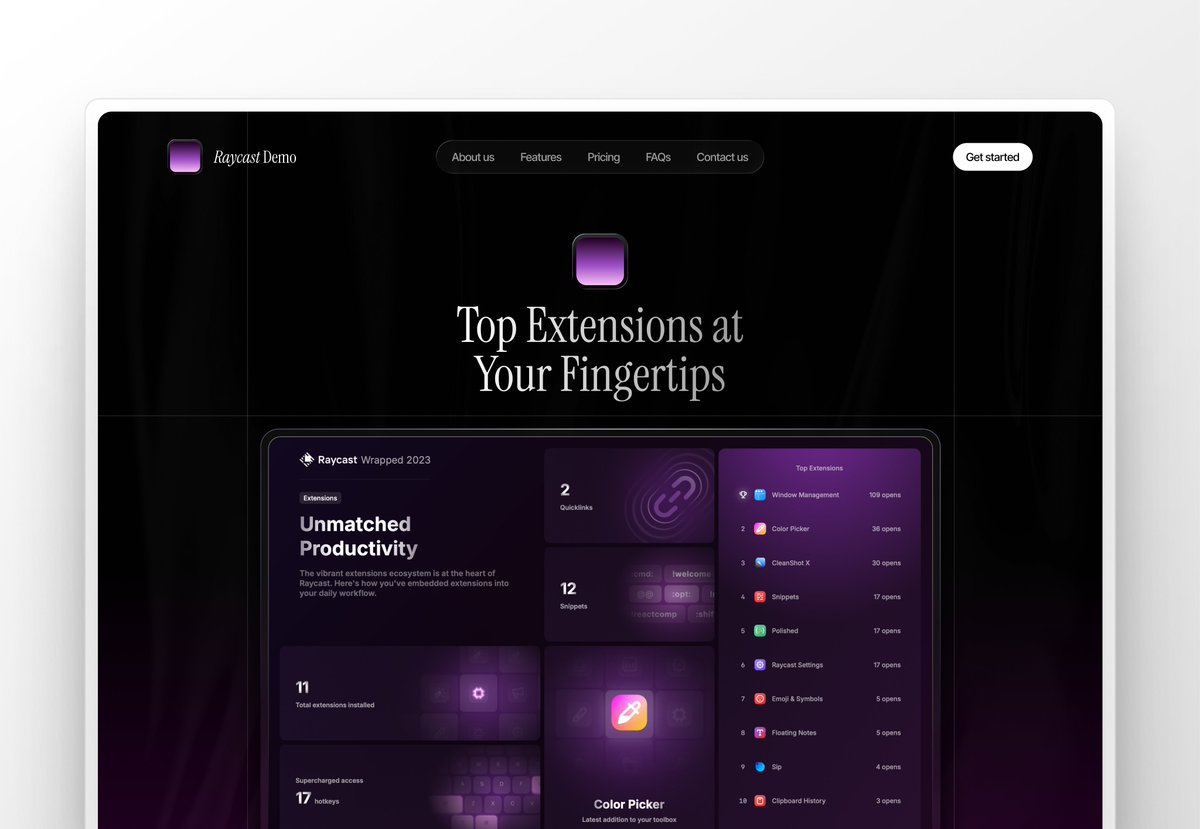
Extensions Marketplace - Hero UI
ISH tweet media
English
0
0
2
18
ISH
ISH@ishexp·
Open-source AI will hurt startups more than Big Tech ever did. Big Tech competes slowly. Open source moves instantly. The moment you build something “novel,” a repo appears doing 80% of it - for free. No pricing pressure. No sales team. No margin. Just distribution and community. Startups aren’t fighting monopolies anymore. They’re fighting GitHub. If your moat is just “we integrated the model nicely,” open source will erase you. The winners won’t have better models. They’ll have better data, workflow lock-in, or real distribution. Everything else? Commodity by default.
English
1
0
4
33
Masum
Masum@masumparvej_·
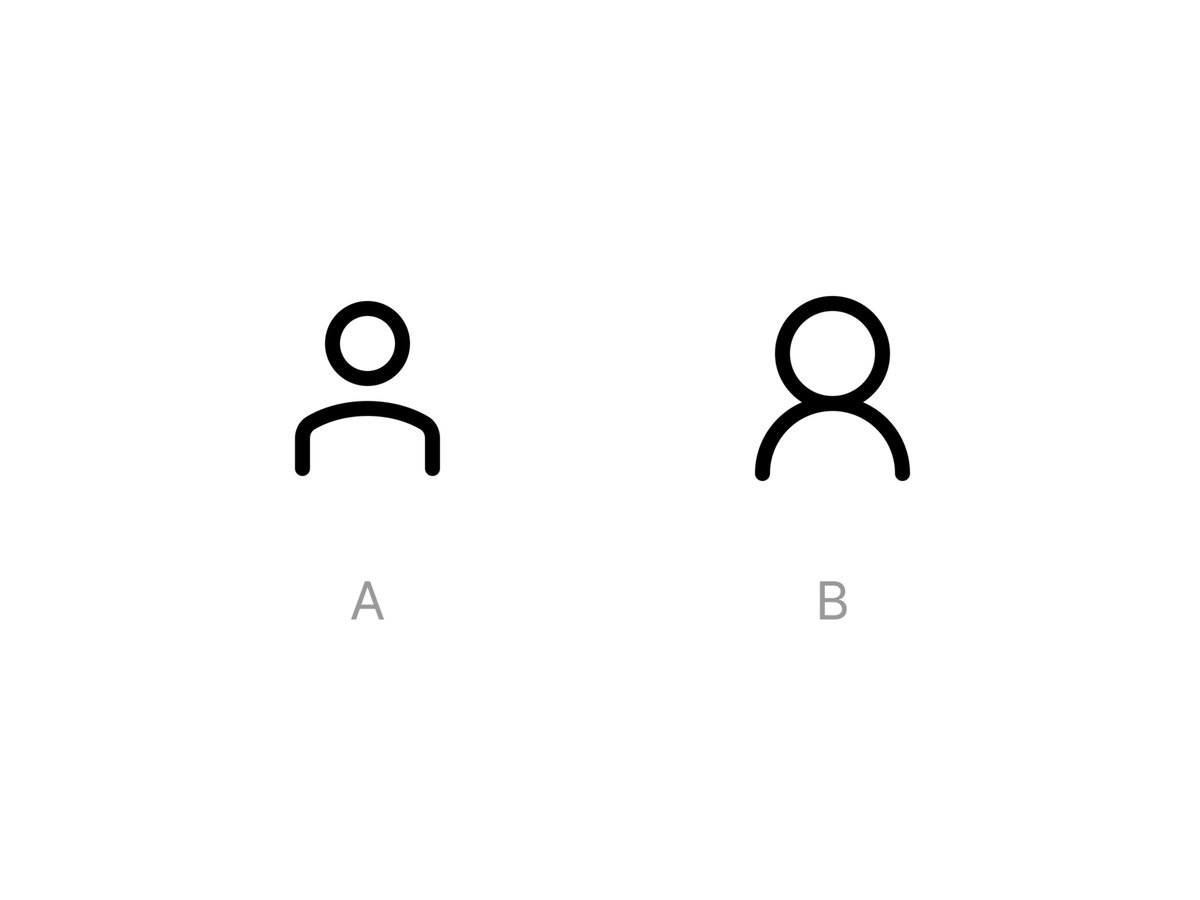
Creatives! Which icon do you prefer for 'User'?
Masum tweet media
English
59
0
77
4.1K