Post

NASA History Office
NASA History Office@NASAhistory·
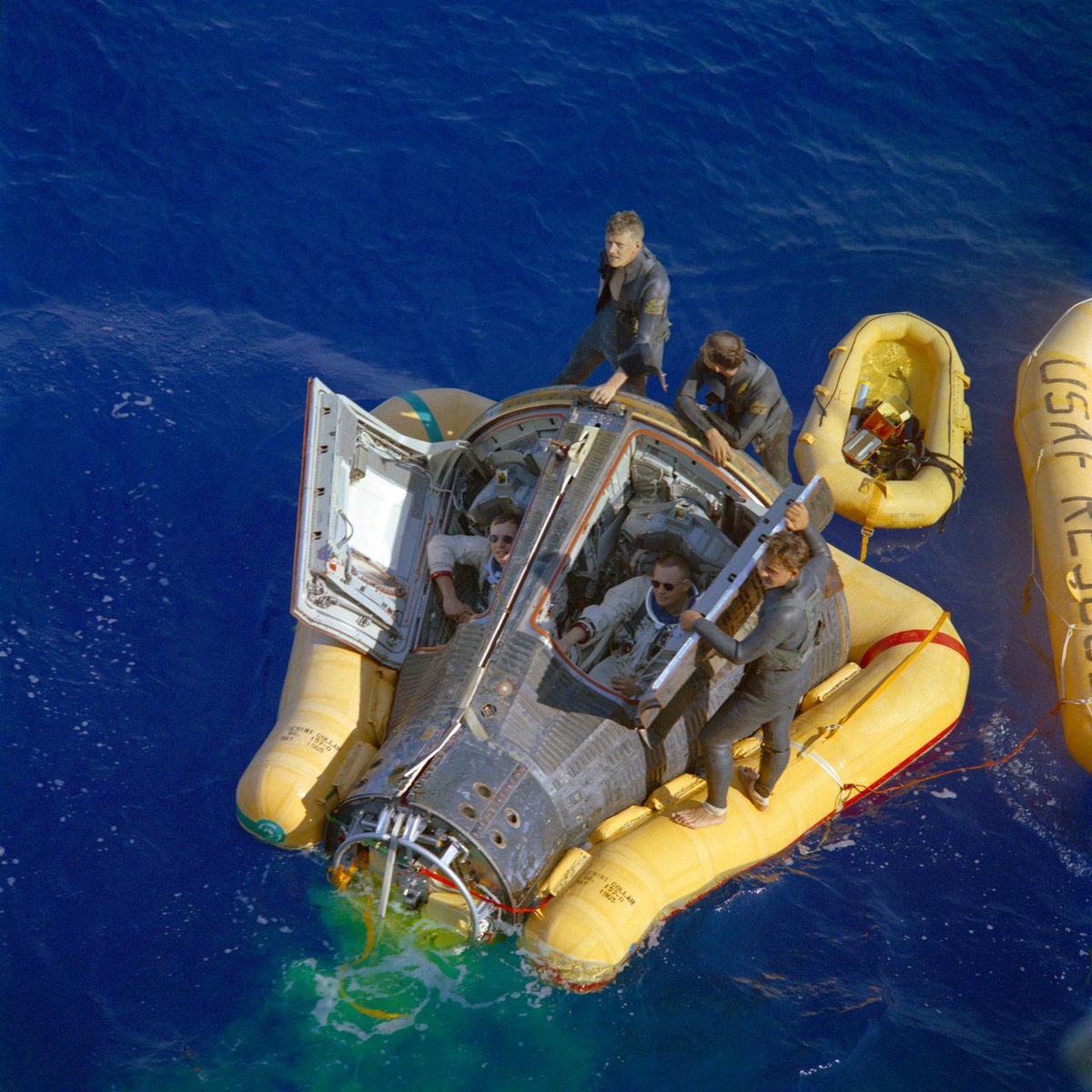
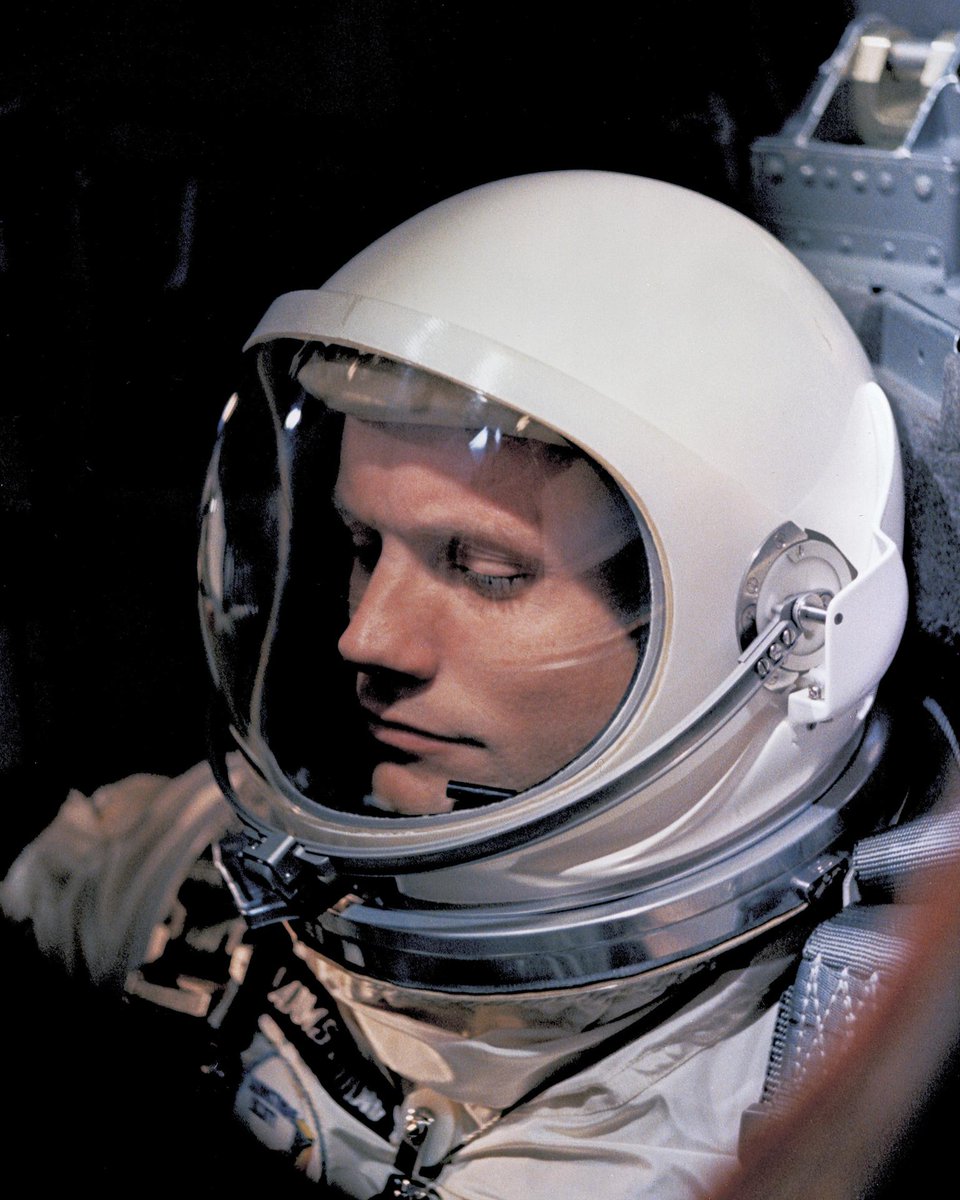
Triumph turns to near disaster 60 years ago this morning At 11:41 am March 16, 1966, rookie astronauts Neil Armstrong and David Scott launched aboard Gemini VIII. Within 6 hours, they had accomplished the first ever docking of two spacecraft in orbit. It was a milestone that the Apollo program depended on. Without proving that two vehicles could safely link up in space, there would be no Moon landing. But 27 minutes after docking, their spacecraft began to spin uncontrollably. Armstrong and Scott found themselves in danger of losing consciousness as they spun at around 1 revolution per second. Armstrong, cool-headed under extreme duress, was able to disable the misfiring thruster and stabilize the spacecraft, saving their lives.
NASA History Office tweet mediaNASA History Office tweet media
English
51
268
1.6K
50.4K
mpantic3
mpantic3@zoomiesSeries·
@NASAhistory The Gemini program quietly built the skills that made Apollo possible.
English
0
1
15
1.3K
Grandpa Joe
Grandpa Joe@ScienceGuy2718·
@NASAhistory Wow, Armstrong was legend. Then he landed on the moon with 15 seconds of fuel left. I don’t know how he stuffed those balls into a spacesuit.
English
2
0
14
1.2K
Rockets and Space🚀
Rockets and Space🚀@spacingrocket·
@NASAhistory the crazy part is armstrong had to fire the reentry thrusters to stop the spin which meant they had to abort immediately missionn rules said once you touch those ur coming home one stuck thruster almost ended the moon program before it really started
English
0
0
6
1.6K
Phil Weber
Phil Weber@PhilWeber55555·
@NASAhistory Just a spin in space. Neil was a lucky guy on more than one occasion.
English
0
0
10
1.1K
SmartBrief
SmartBrief@SmartBriefex·
Wow, what a tense moment in space history! 🚀 It's incredible how Armstrong stayed so calm under that kind of pressure. Do we know what caused the thruster to misfire in the first place? Also, how did NASA change their procedures after Gemini VIII to prevent something like that from happening again?
English
0
0
3
1.3K
Scott
Scott@Scott186000·
@NASAhistory The movie "First Man" describes this perfectly
English
0
0
8
858
gunsandrockets
gunsandrockets@GunsAndRockets1·
An observation regarding that Gemini VIII malfunction: the consequences of space capsule design, in modern context. Imagine how much worse the negative G load could have been on the astronauts of the Gemini VIII, if the capsule was Orion capsule diameter instead of the tiny Gemini? IOW, maybe modern space capsules should orient the cabin seats with the head near the centerline and the feet towards the edge?
English
1
2
5
2K
Mia
Mia@My1100101·
@NASAhistory Wish robots be available to assist astronauts in such dangerous tasks in the near future
Mia tweet media
English
0
0
2
558
Space In My Brain
Space In My Brain@SpaceInMiBrain·
@NASAhistory Irrelevant but: Those helmets are so iconic, so cool. It certainly helped that they were used on the Gemini flights back when every launch was a news event and real high risk situations could and did occur.
English
0
0
12
969
Stoic Essence
Stoic Essence@StoicEssence·
@NASAhistory Armstrong didn't panic. He ran through the checklist. The Stoics called this the discipline of action — when everything spins out of control, the only thing left is what you trained for 🧠
Stoic Essence tweet media
English
0
0
8
694
corey coleman
corey coleman@Coreyc001cole·
@NASAhistory work the problem one axis at a time. stay calm and stand by for emergency deorbit.
English
0
0
3
806
Quiz Deck
Quiz Deck@QuizDeck·
@NASAhistory 3 years before the Moon landing, Neil Armstrong almost died spinning out of control at 1 revolution per second in orbit 🤯 The same cool head that saved Gemini VIII is what landed Apollo 11 with 17 seconds of fuel left.
Quiz Deck tweet media
English
0
0
3
630
Signal.Archive.Lab
Signal.Archive.Lab@Signal_Archive·
Spot on about the wild spin – one revolution per second is no joke; at that rate they were seconds away from gray-out or blackout. Fun fact: the stuck thruster was a single 25-lb OAMS roll jet (#8) that shorted and stayed open. Armstrong's quick decision to cut OAMS and fire RCS saved the day (and burned ~75% of re-entry fuel), proving docking was possible despite the early abort. Still a huge step toward Apollo.
English
0
1
30
1.6K
Sarker Saad Ahmed
Sarker Saad Ahmed@sarersaadahmed·
@NASAhistory @NASAAdmin Gemini VIII is one of those moments where history could have gone very differently. Without Armstrong stabilizing that spin, the road to Apollo—and the Moon—might have looked very different.
English
0
0
10
1.6K
Inky
Inky@PCInky1·
@NASAhistory Honestly, this proved Armstrong capable of leading the moon landing mission
English
0
1
4
585
VAR Humano Não Certificado
VAR Humano Não Certificado@VARdoPovoHumano·
🚀 Gemini VIII: Triumph and Near Disaster Date: March 16, 1966 Crew: Neil Armstrong & David Scott Mission type: Manned Gemini flight, orbital docking test ⸻ 🛰️ Key Achievements 1.First docking of two spacecraft in orbit •Gemini VIII successfully docked with an Agena target vehicle. •This was a crucial milestone for NASA, proving that spacecraft could link in orbit—a skill essential for Apollo lunar missions. 2.Proving orbital maneuvering and docking •Demonstrated astronauts could control spacecraft attitude and velocity during docking operations. •Laid the groundwork for future lunar missions, including the Apollo lunar landings. ⸻ ⚠️ In-Flight Emergency •Incident: 27 minutes after docking, Gemini VIII began spinning uncontrollably. •Cause: One of Gemini VIII’s thrusters malfunctioned, producing rapid, unplanned rotation. •Spin rate: Approximately 1 revolution per second, enough to risk loss of consciousness. •Response: Neil Armstrong calmly identified the problem and used the backup thrusters to regain control. Armstrong’s composure under extreme stress saved the mission and the astronauts’ lives. ⸻ 📝 Significance •NASA learned critical lessons in spacecraft control and emergency procedures. •Demonstrated astronaut skill under extreme conditions. •Proved that orbital docking is possible, a cornerstone for Apollo Moon landings.
English
0
0
2
207
Alexander Ryan
Alexander Ryan@ARyan27341·
@NASAhistory Wow, what an incredible achievement! The docking of Gemini VIII was a crucial step towards the Apollo program's success. It's amazing to think about the bravery and skill of Armstrong and Scott. Their mission paved the way for future space exploration.
English
0
0
2
221
Nsengiyumva Eric
Nsengiyumva Eric@Nsengiyumv72820·
@NASAhistory It's great journey I think are the one who open for others to go in iniverse
English
0
0
3
415
OSI
OSI@OscarGoldman74·
@NASAhistory Neil was blessed with incredible intelligence and skills that represented all the brave NASA staff
English

0
1
5
377
G
G@Chep6·
@NASAhistory 🇺🇸💯🏆❗️
QME
0
0
3
192
Chris Huys
Chris Huys@chrishuys·
@NASAhistory @nasaadmin hi jared, speak to ex-nasa astronaut charles camarda, one last time about the upcoming artemis II mission. Its my impression, he thinks, that artemis II cannot go uncrewed, for the same reason, boeing was against "uncrewing" starliner. embarassment.
English
0
0
2
330
शेयर करें