Sabitlenmiş Tweet

I love my job. Honored to serve 🇺🇸

English
NASA Administrator Jared Isaacman
721 posts
@NASAAdmin
Serving President Donald J. Trump as the 15th @NASA Administrator | Leading the next Golden Age of space discovery 🚀


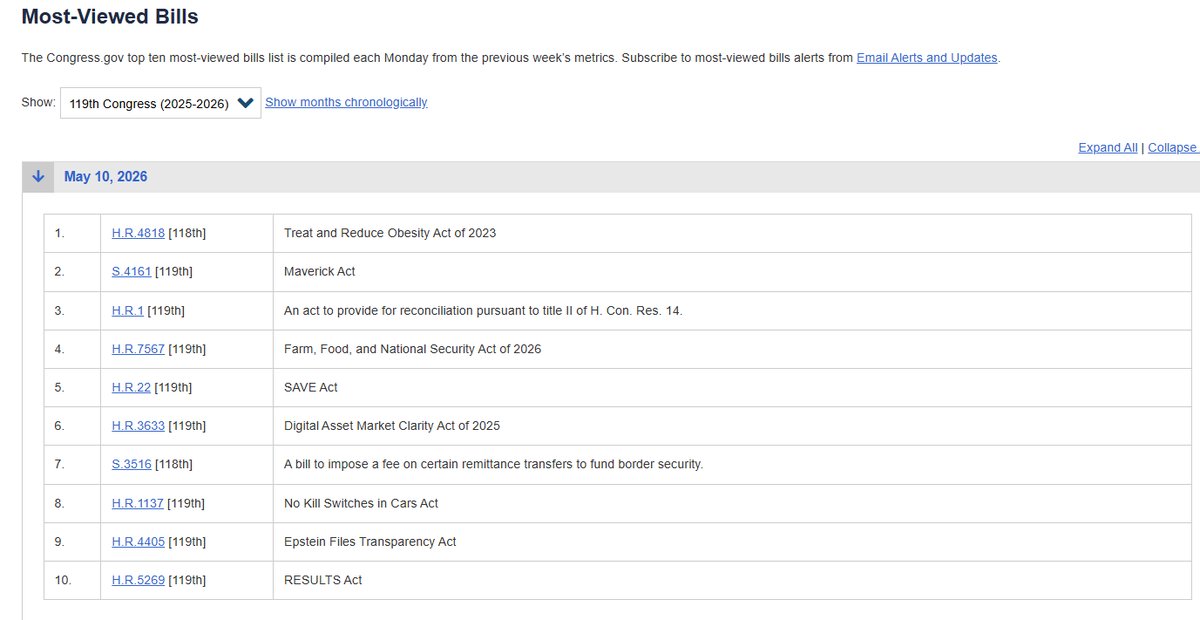









Less than six months after Apollo 17 returned from the Moon, we launched the Skylab space station on a Saturn V. What a time. It may be half a century later, but we have accomplished grand, near-impossible goals before, and we will assuredly achieve them again. Root for the home team and start believing again 🇺🇸

A big THANK YOU to the @NASA Artemis II crew for bringing some moon joy to U.S. Embassy Ottawa yesterday! 🚀✨





Artemis III orbit type confirmed, @NASA wants new commercial comms system for Live 4K Video COMMUNICATIONS As Orion is designed to fly into deep space, it's designed to rely the Deep Space Network (DSN). That's not available in LEO, and TDRSS is already congested. @NASA would like "live 4K imagery during rendezvous and docking operations, and downlink of large files in other phases of flight." A new request for information (RFI) has just been released, looking for a commercial solution with the following objectives: - Near continuous communication (goal: >75%) - >12 Mbps Downlink (goal: 20-50Mbps) - >500 kbps Uplink - System must provide a broad field of regard or steerable antenna/aperture (Orion has many driving attitude constraints so precise vehicle pointing of a fixed antenna/aperture is not available) I wonder who has a flight-proven, self-steering, on-orbit system for high-bandwidth communications... cough cough @SpaceX @Starlink OTHER DETAILS The RFI says to assume a Summer 2027 launch, and a 460km (250nmi) circular 33° orbit. @NASA had been deciding between a High Earth Orbit (HEO) and Low Earth Orbit (LEO), and it looks like the latter has been selected. A LEO probably doesn't require the use of an upper stage, saving an ICPS. 📷 L: @NASA | R: @SpaceX

NASA wants to fly Artemis III next year. But the longer NASA waits to fly Artemis III, the better chance it will have to fly with a higher-fidelity vehicle—that is, one closer to landing on the Moon than being a basic prototype. arstechnica.com/space/2026/05/…