Shaker Cherukuri
10.9K posts

Shaker Cherukuri
@ProcessISInc
Agentic Workflows, Root Cause & Gap Analysis, AI Systems Engineering. Carbon in the Agentic loop. Golf & Travel. #IU #UofL $CMI $CAT $GE $GEV $BAH


The real reason AI is failing inside companies? Let’s say it. A company decides to go all-in on AI. The CEO announces the vision. The CTO aligns. The CIO gets the budget. Then the real transformation begins. Chief AI Officer. AI Center of Excellence. AI Ethics. AI Governance. AI Steering Committee. AI Committee for the AI Committee. Soon, you have 12 people managing AI. And one person using it. The intern. The only one actually shipping anything. Everyone else is busy… aligning on the prompt. AI doesn’t fail because of the technology. It fails because we turned it into a meeting. So here’s a thought: Are you building with AI… or scheduling it? #ArtificialIntelligence #AITransformation #Leadership #FutureOfWork #Innovation


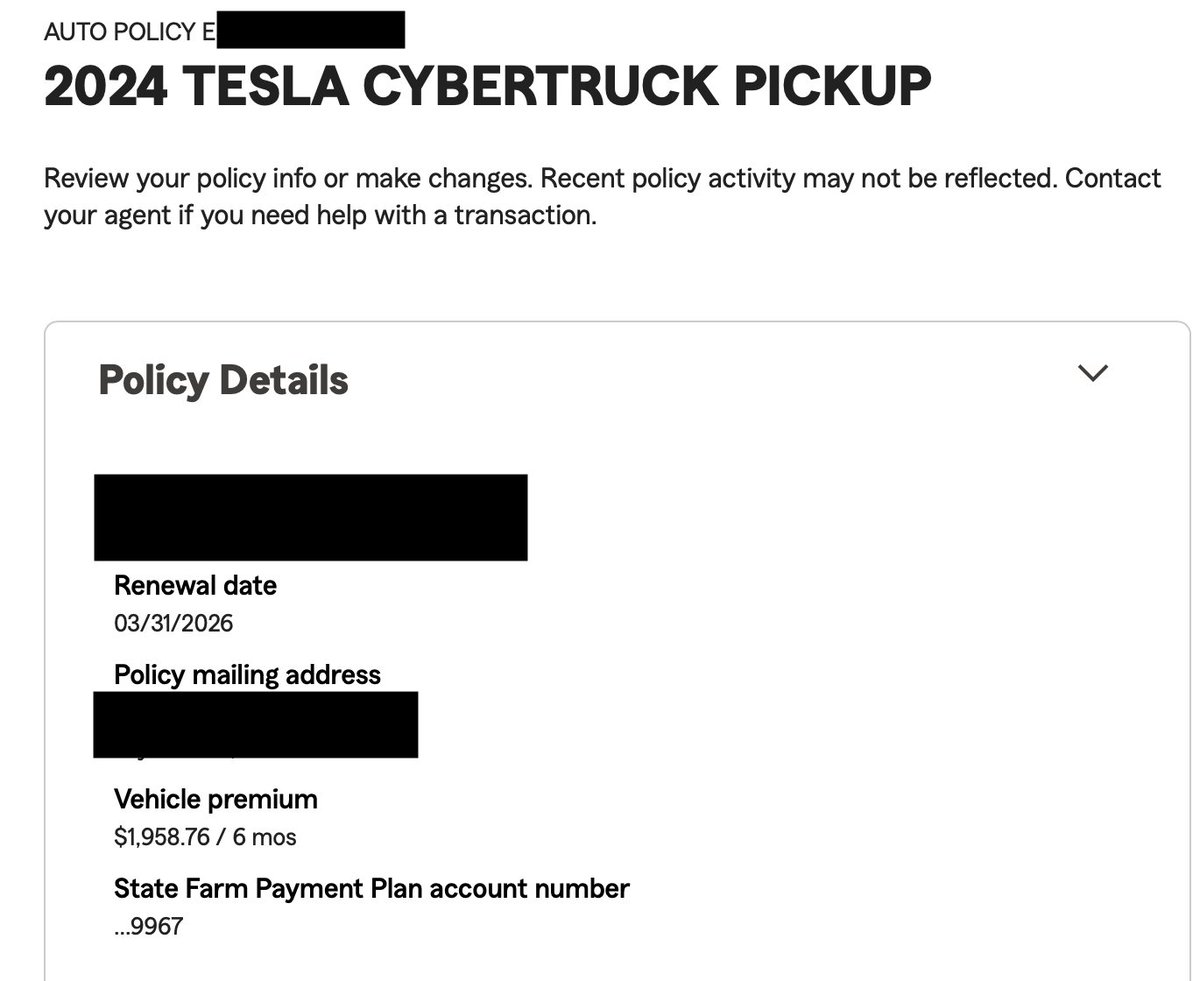
People who choose to purchase an ICE vehicle over a Tesla need to take Economics 101.


you're probably underestimating how crazy things are


Very aligned. A few comments: 1. I think repaving and reinventing have a big Venn diagram overlap. I have gravitated to the word repaving to mean that the workflows that exist today in software will be reimagined via a first principals as AI stitched other with software as glue between the inputs and outputs of models. 2. The other part of this is data. Information and knowledge are both data problems. Human and systems data need to be integrated. Systems get connected with a semantic / metadata layer (aka not moving data, but integrating it so agents can access it). Here is what we did internally (openai.com/index/inside-o…) and those learnings + what our FDE teams learned are directly informing the “business context” layer of our Frontier platform (openai.com/business/front…). As for human data, that’s where the strength of the models + top down executive buy in are unlocking Enterprise customers is allowing for the accelerated mapping of things. Whether it is tribal knowledge, undocumented processes or legacy systems — today’s models (audio, visual understanding, computer use, etc) can be used as tools to ingest, break down and “understand” that human data and bring that unstructured data also into the context layer. Then you hill climb. With data connected, just like with “memory” in ChatGPT, there will be “organizational memory” for co mpanies. That will start to have a compounding effect. While we don’t have recursive systems yet, I think you start to get something that feels like. 3. Not doing this or some version of this is not an option. Some will lead and some will follow, but I think this new world we are going into is the real “digital transformation”. The internet and what got built on top of that was transformative, but I think it would look small in hindsight. However, it was an absolute prerequisite to get everything connected (as infra) to then layer on intelligence. As John Chambers used to espouse: “the network is the platform”. He was right, but also wrong where the value accrues. Companies will have no choice or they’ll just find themselves to be slow, laggards and under massive margin pressures. Things will just get “repaved” with AI as the substrate. I think we’ll see the first big waves of early adopters move at scale in 2026.


Every week, I tell one of my students to increase the font size on their slides, especially numbers. Here’s how you know you’re good: Take 5 steps back from your laptop or monitor. If you can still read every letter & number clearly, you’re probably good 👍


It feels like we are top of the 3rd inning. The models aren’t the problem, they’re smart enough now. Now it’s about applying them at scale. AI-enabling a process or workflow (like we’ve been doing) is one thing. But reimagining and repaving that process or workflow as AI-native is where transformational change will begin to occur — at scale. It goes slow until it goes really fast. I think that’ll be the story of 2026.