what is satiety? is it a hormonal brain event? are the stretch receptors in the gut also communicating hunger to a part of our brain that is not easily perceived by humans. It operates under the radar. breastfeeding an infant education...
Eva D B Fain, BSN MPH RN CDE, CHES
57.8K posts

@espacetimeNOT
35 year focus on metabolism across cultures & thru time. I prefer private networks & I use LinkedIn & other social media to ascertain your identity.

what is satiety? is it a hormonal brain event? are the stretch receptors in the gut also communicating hunger to a part of our brain that is not easily perceived by humans. It operates under the radar. breastfeeding an infant education...


There is a correlation of the health influencer & AI influencer. An expert in medicine immediately sees the health influencers shallowness and games. An expert in programming sees the same thing when it comes to AI slop. For me, the latter is not always apparent so I have to find people I trust.

If people with #celiacdisease lack the microbes needed to break down certain fibers, they don't benefit from consuming them @VerduLab, @AlbertoCaminer7 & colleagues found patients with #celiacdisease had impaired microbial fiber metabolism in the small intestine, which was associated with depletion of the fiber-degrading taxa: ✅ Findings align with @DrHArmstrong research on β-fructan fibers' role in inducing inflammation if the microbes needed to ferment the fiber are not present ✅ While a high fiber intake is often recommended to newly diagnosed patients with celiac disease alongside the gluten-free diet to improve constipation, these findings suggest that it's first important to restore the gut ecosystem ✅ In mice, an inulin-supplemented diet increased small intestinal short-chain fatty acids and could be used as adjuvant therapy for the gluten-free diet to promote mucosal healing, when metabolizing taxa are present 📚 Read more: nature.com/articles/s4146…


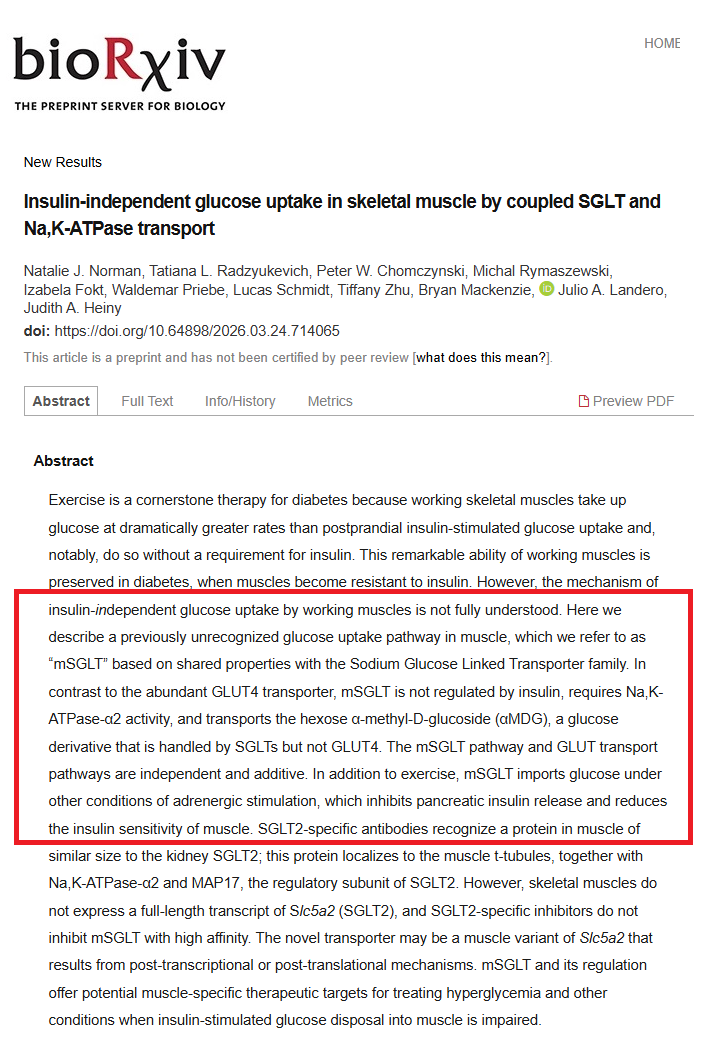
Whoever wrote the part about glucose getting into muscle needs to do QUITE A BIT MORE RESEARCH. hello folks! NEWSFLASH! Glucose will cross into muscle WITHOUT INSULIN! 🤪🤪🤪🤪🤪🤪 🦫🦫🦫🦫🦫👩🏽💻👩🏽💻👩🏽💻👩🏽💻👩🏽💻

🧐


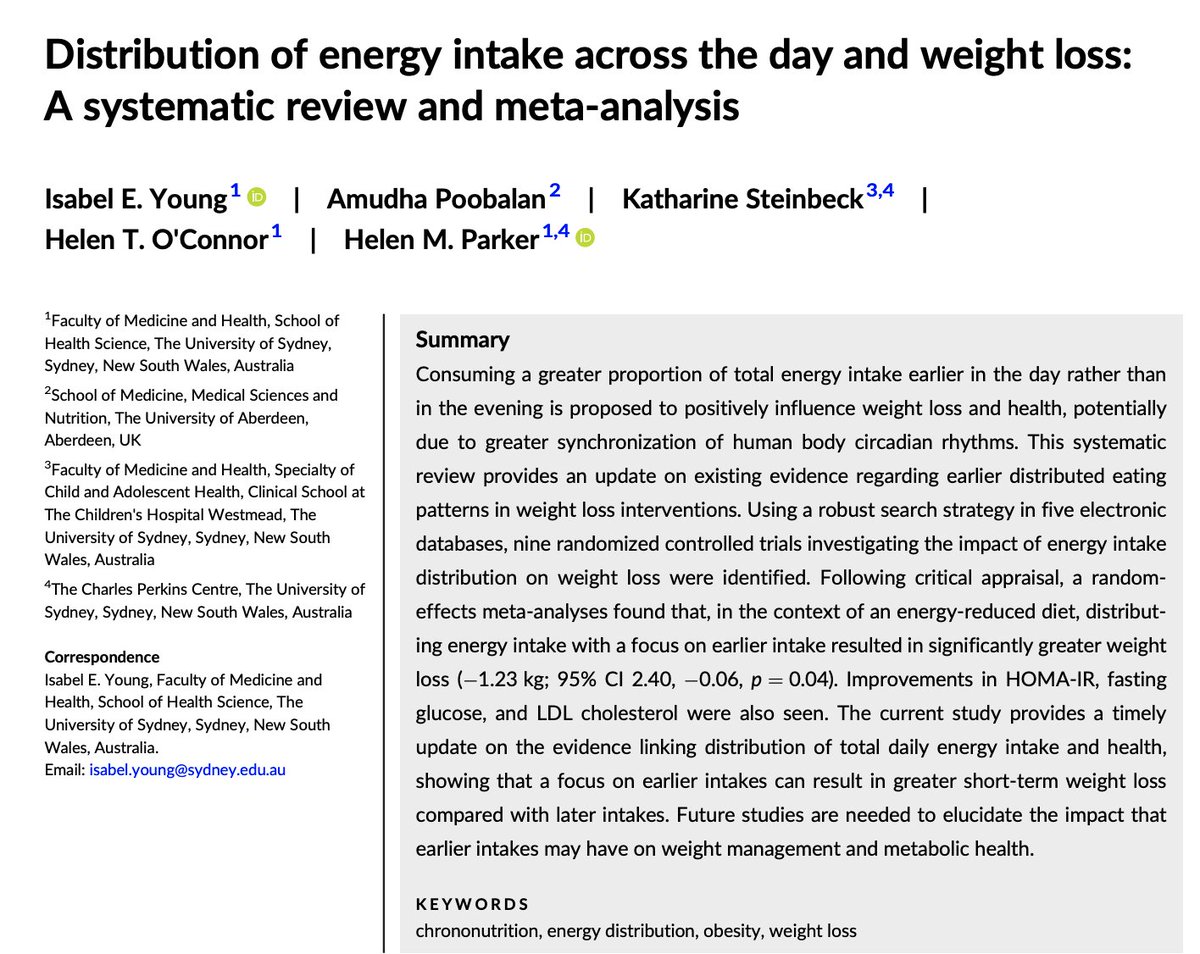
Skipping breakfast is associated with an increased odds of depression.

“Cut out sugar and you’ll stop craving it” is not well supported. Reviews of RCTs and cohort studies find that changing sweetness exposure usually does not meaningfully reduce overall sweet preference long term. The sugar ‘detox’ idea is a myth.

Waterfall plot showing changes in LDL-C estimated by Friedewald equation in response to replacing SFA with UFA. Each bar represents an individual participant's (n=109) change in LDL-C after replacing high-SFA/low-UFA with low-SFA/high-UFA for 4 weeks. ajcn.nutrition.org/article/S0002-…


Bring Ideas to Life with Grok Imagine

𝗧𝗵𝗲 𝗘𝗳𝗳𝗲𝗰𝘁 𝗼𝗳 𝗚𝗟𝗣-𝟭 𝗥𝗲𝗰𝗲𝗽𝘁𝗼𝗿 𝗔𝗴𝗼𝗻𝗶𝘀𝘁𝘀 𝗼𝗻 𝗚𝗹𝘆𝗰𝗮𝘁𝗲𝗱 𝗛𝗲𝗺𝗼𝗴𝗹𝗼𝗯𝗶𝗻 𝗟𝗲𝘃𝗲𝗹𝘀 Randomized, placebo-controlled trials of the glucagon-like peptide-1 (GLP-1) receptor agonists have provided strong evidence to support their use — in fact, they have presaged a mini-revolution in how type 2 diabetes is managed. 👉 nejm.org/doi/full/10.10… Tirzepatide was the first dual GLP-1 and glucose-dependent insulinotropic peptide receptor agonist approved for the treatment of type 2 diabetes on the basis of the SURPASS-1 (Tirzepatide [LY3298176] in Participants with Type 2 Diabetes Not Controlled with Diet and Exercise Alone) trial, a randomized, placebo-controlled trial of tirzepatide (administered in weekly doses of 5 mg, 10 mg, or 15 mg) paired with metformin for treatment of type 2 diabetes (seen in figure). Tirzepatide reduced glycated hemoglobin levels by as much as 2 percentage points and was superior to placebo at all dose levels. At 40 weeks, nearly 90% of participants had glycated hemoglobin levels of less than 7.0%, a change that was associated with profound weight loss. Read the Review Article “GLP-1 Receptor Agonists” by Clifford J. Rosen, MD, and Julie R. Ingelfinger, MD, from @TuftsMedSchool and the Maine Medical Center Institute for Research: nejm.org/doi/full/10.10…

After 30 years studying lactate, I have learned this: Lactate is not just a metabolite. It is a major regulator in the human body body. It can support metabolic health or contribute to disease. Same molecule. Different context. Lactate has been the most misunderstood molecule in biology. If you want to learn more about lactate and its multiple roles, link to my Substack article here 👇 @inigosanmillan/note/p-192080657?r=2nunp3&utm_medium=ios&utm_source=notes-share-action" target="_blank" rel="nofollow noopener">substack.com/@inigosanmilla…