पिन किया गया ट्वीट

Fide ⬘
41 posts
@fide_work
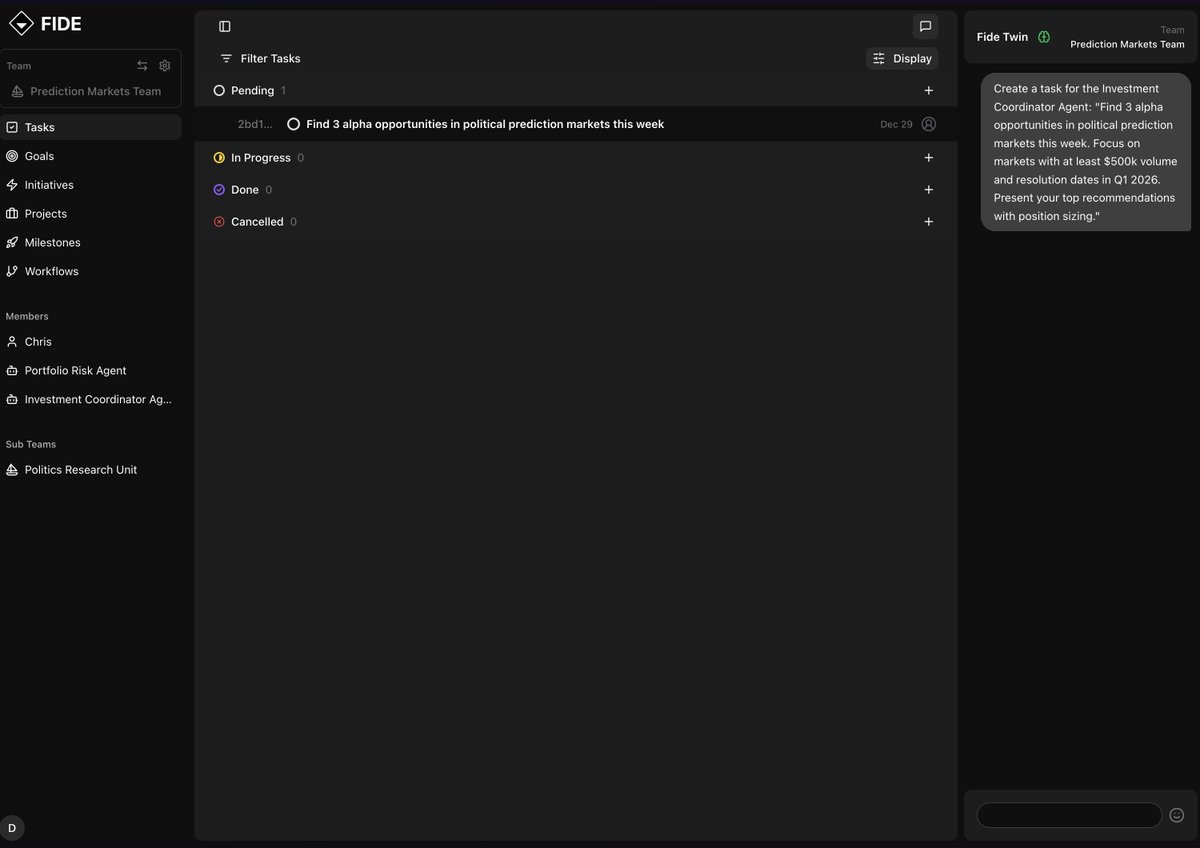
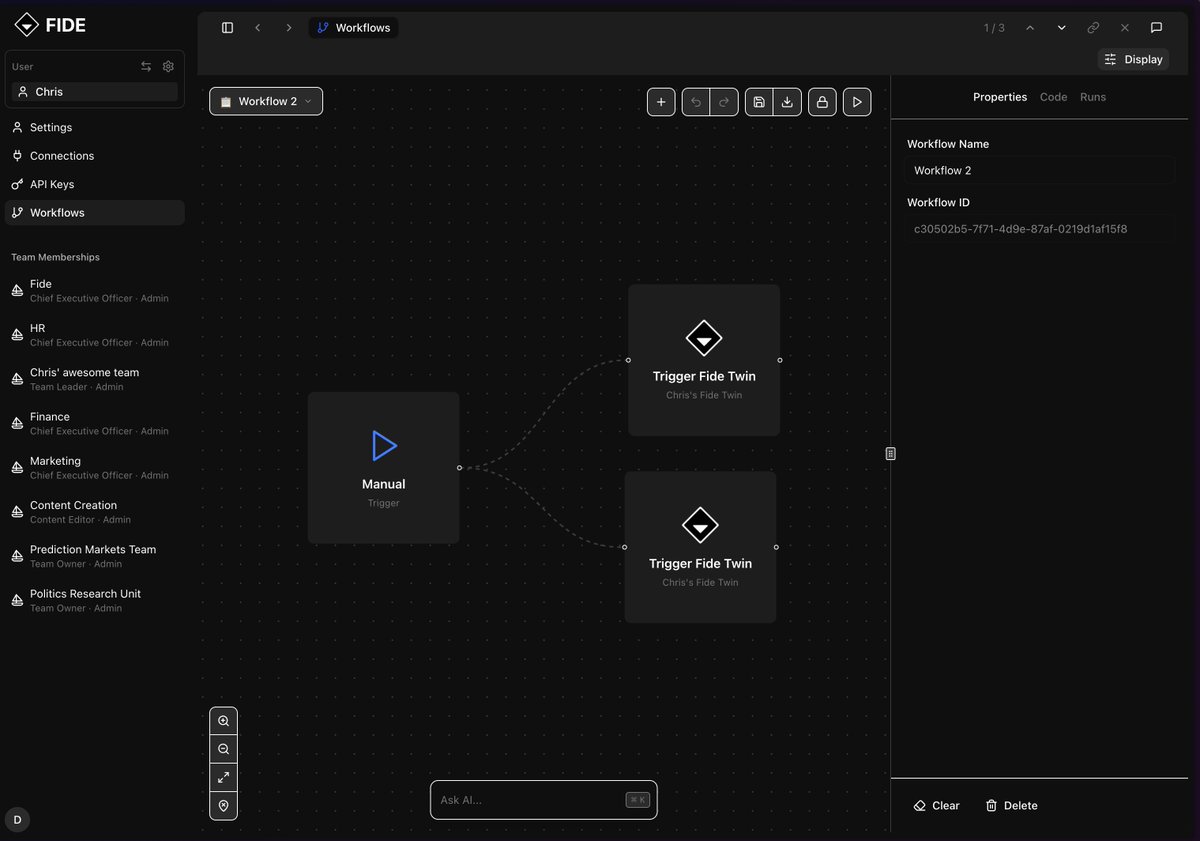
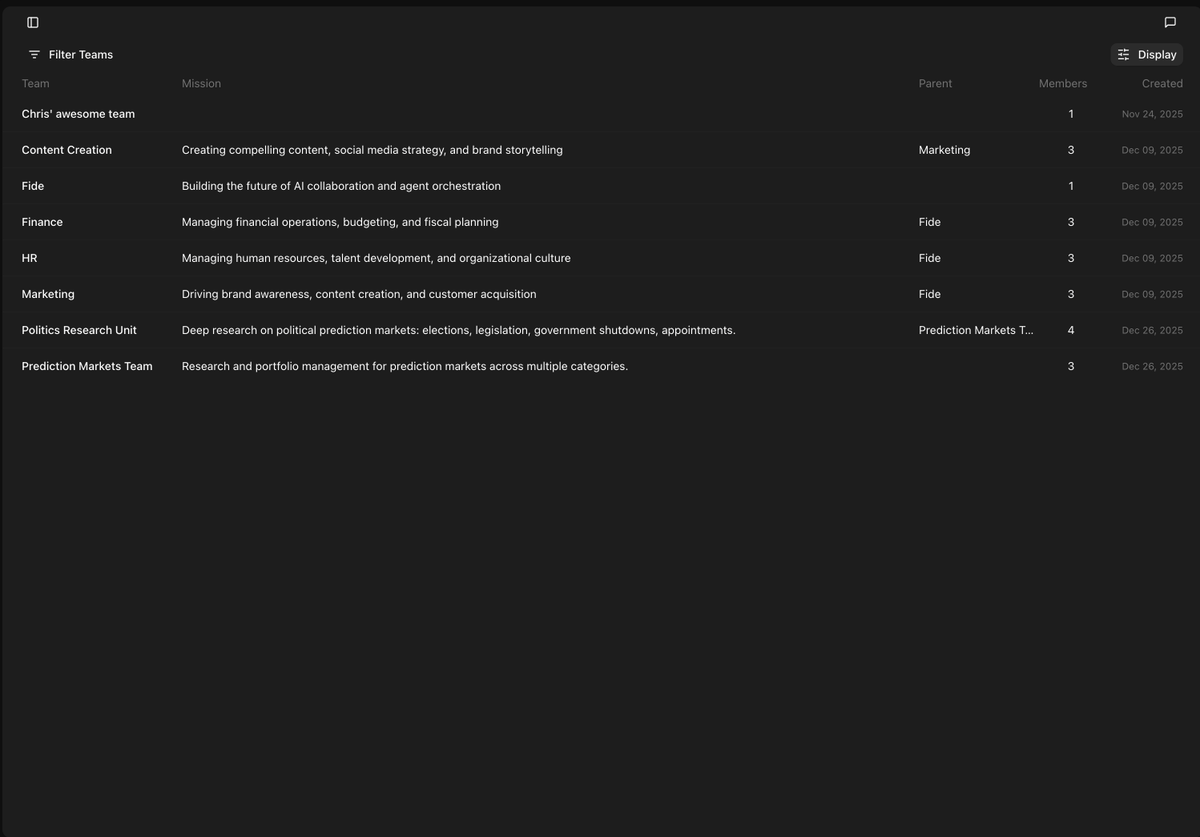
Empowering Human & AI teams to work confidently with shared Identity, Memory, and Context. Don't just automate—collaborate.


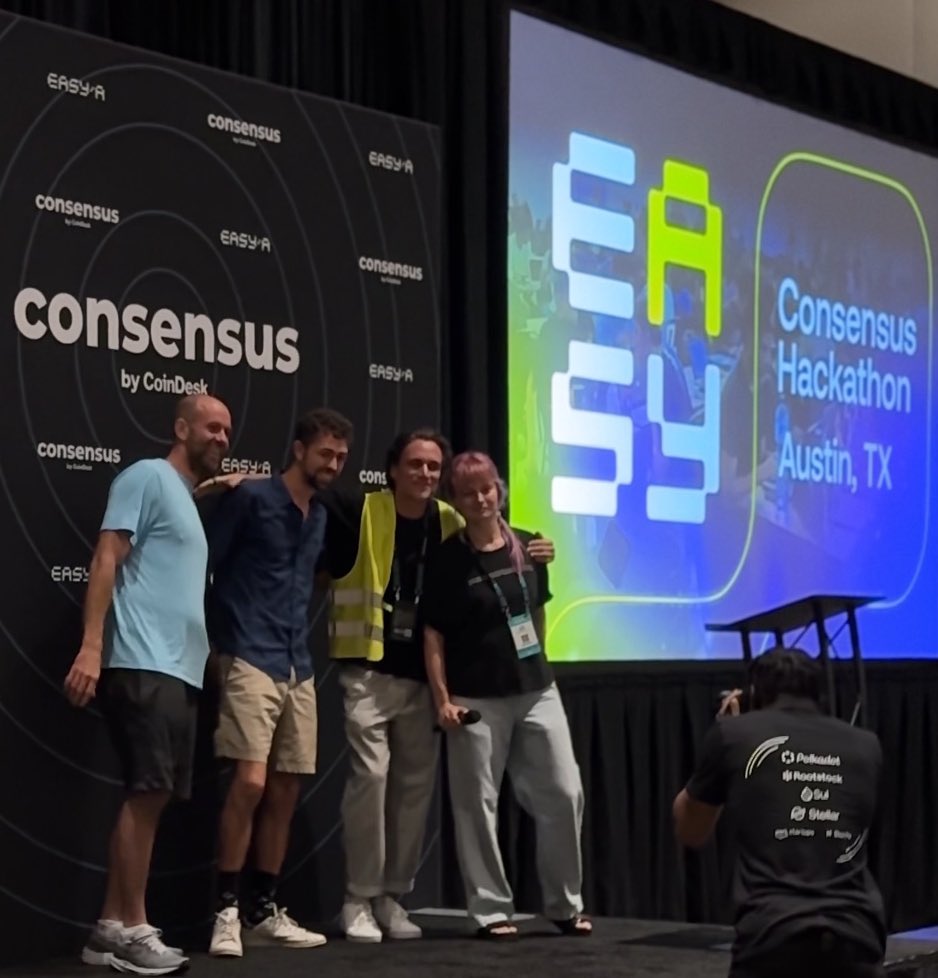
Day 3 was HISTORIC 💥 500 developers launched 100 startups at our EasyA #Consensus2024 hackathon. As our EasyA gigabrains took center stage, the crowds looked on in awe. They saw the future unfold before their very eyes 😮

✨ 𝓼𝓸𝔃𝓾 𝓭𝓮𝓶𝓸 ✨ denver // feb 27 // 1-4pm if you're a dev if you're a builder if you're a designer if you're a researcher if you're an investor with 𝓈𝑒𝓃𝓈𝒾𝒷𝒾𝓁𝒾𝓉𝓎 sign up and come vibe lu.ma/sozudemodenver


the @arbitrum STIP proposal voting ended today. i'm writing this thread to share the experience with the hope to foster more discussion around how this all went down. I know I'm not alone in my feelings here and urge other projects to share their thoughts as well. for context, this was the first official grant that I've applied for. we have a lot of learning and growing to do, but we approached this with an open mind and belief that we actually had a chance of earning a small (<1M ARB) portion to build better safety tools on the Arbitrum network. Webacy just launched Arbitrum support in early september, have already seen great uptake, and will continue to build on the ecosytem even though the grant vote did not fall in our favor. Not only did we want to work with Arb, we built and shipped something BEFORE applying to show how much we really mean it. I've included a link to a Blockworks article in the comments below. 1 -- Votes with no context or curiosity When the voting began, we saw votes falling both ways. Our team quickly set to work attempting to contact the voters against. Here's a LOT of what I heard: "I vote against/abstain if I've never heard of the project." While valid, if you're going to vote at all, you should also have the responsibility to do the research. That being said, many, many delegates changed their vote to 'for' after we had a chance to share our vision. I'm extremely grateful to the voters that took the time to listen, reflect, and ultimately decide to support our proposal. 2 -- Impossible to reach There is no proper system in place to communicate with delegates. While Tally lists the delegates in order of power, almost all of the links to their Twitter accounts are broken (@tallyxyz) - and the vast majority have DMs turned off in public channels. This quickly turns into a competition of who is the best-networked and has ties to back-channel telegram groups and small decision circles that end up deciding where the hammer lands. We had a few amazing supporters reach out to their connections to make the case for us (and they ended up voting 'for'!) to which we cannot thank enough. 3 -- Overpowerful delegates This became even more obvious in the final few days of voting when the big-guns landed their votes on certain proposals. @sobylife's tweet summarizes the sentiment well: It's destructive to the teams spending multiple hours trying to source votes for their proposals just to have a couple big delegates sway the decision in one fell swoop with no discussion. An improvement would be to require larger delegates to submit reasons for rejects or abstinence so that teams have the chance to respond. 4 -- Lack of feedback and process As mentioned before, there is no real discussion during voting, and not all delegates check the forum discussion before voting. There were concerns about sybil attacks as part of what we were proposing and we had very good answers (short one: it's not an issue) - but people were making decisions on missing data which is, unfortunately, counterproductive. 5 -- Design Finally, the design of the voting process left a lot to be desired. The requirements for passing were twofold: pass the 75M Arb quorum, and reach over 50% vote 'for' the proposal. While this seems fair on the surface, the dynamics of delegates and the voting mechanism of having an 'abstain' option throws fairness out the window. This puts smaller-named teams at a huge disadvantage, putting extreme pressure to get eyes on the proposal in the first place. // the promise of blockchain was decentralization, fairness, openness and opportunity for even small projects or new entrants to stand a chance. its sad to see us reverting back to the systems it was designed to defend against in the first place. we have to do better.


We are partnering with the team at @Fide_ID to make this possible. Fide empowers teams with reputation insights by bridging onchain identities with offchain social links. Check them out: fide.id