The True Corrective (Patrick)
6.8K posts

The True Corrective (Patrick)
@truecorrective
Founder, The True Corrective. On the Cabinet of Teacher Freedom Alliance. Advancing American Founding principles, Judeo-Christian values, & Western thought.


Is there a particular GREAT BOOK that you try to get every edition of?


Your top 5 Westerns. Go!


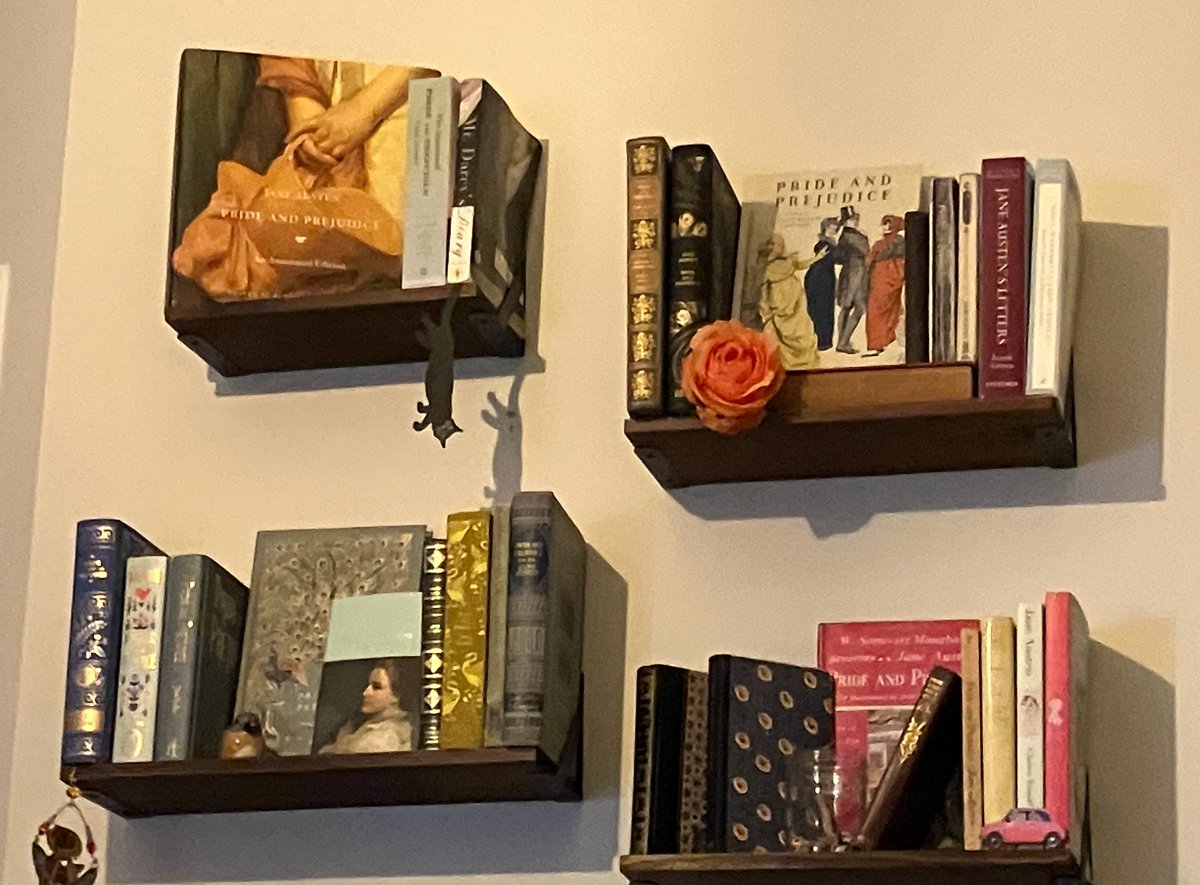
As our library grows, it’s becoming more apparent that my utter lack of any organization is problematic. How do you guys sort your books? Feel free to roast my bookshelf arrangement in the comments 😅


Always read your child something that's just a little too tough for him to understand on his own. Answer a million questions about it. Rinse and repeat. That's how you raise a reader.


4 things I think most GenX was afraid of. Acid Rain Quick sand Bermuda Triangle Amnesia What else?


In regular school, kids who ask questions get told to be quiet. In Socratic dialogue, they get asked better questions in response. The shift from silencing to deepening changes everything. Kids feel seen rather than shut down. One student put it this way: "All my other teachers told me not to ask. Here, asking is the whole thing." That difference between punished curiosity and celebrated curiosity rewires a young person's relationship to learning.


BREAKING: Epstein survivors are not buying Melania’s comments. In a statement they say survivors “have already shown extraordinary courage by coming forward, filing reports, and giving testimony. Asking more of them now is a deflection of responsibility, not justice. First Lady Melania Trump is now shifting the burden onto survivors under politicized conditions that protect those with power… It also diverts attention from Pam Bondi.”


Today, I taught Othello, and when we got to the scene when Othello accuses Desdemona of being a “whore,” I discussed the lines where Othello calls Emilia into the room: “You, mistress, / That have the office opposite to St. Peter / And keeps the gate of hell.” Ten years ago, I could count on my students knowing what Othello means by this—whether they’ve heard the idea from their parents or picked it up from cartoons. Today, most of them seem to have no idea—not a single clue—what he’s talking about. I have thought for a long time that what makes Shakespeare hard for a lot of people is less his vocabulary or syntax and more his references to classical literature, myth, and history that are mostly unknown to modern audiences. But more and more, I get the impression that young people know nothing at all about their own culture, let alone the cultures of the deep past.