AHA Science

13.5K posts

AHA Science banner
AHA Science

AHA Science

@AHAScience

@American_Heart’s official account for meetings, science news, funding opportunities and membership. RTs/Follows not endorsements. Pump up your career, here.

Dallas, TX Bergabung Ocak 2009
4.7K Mengikuti75.3K Pengikut
Tweet Disematkan
AHA Science
AHA Science@AHAScience·
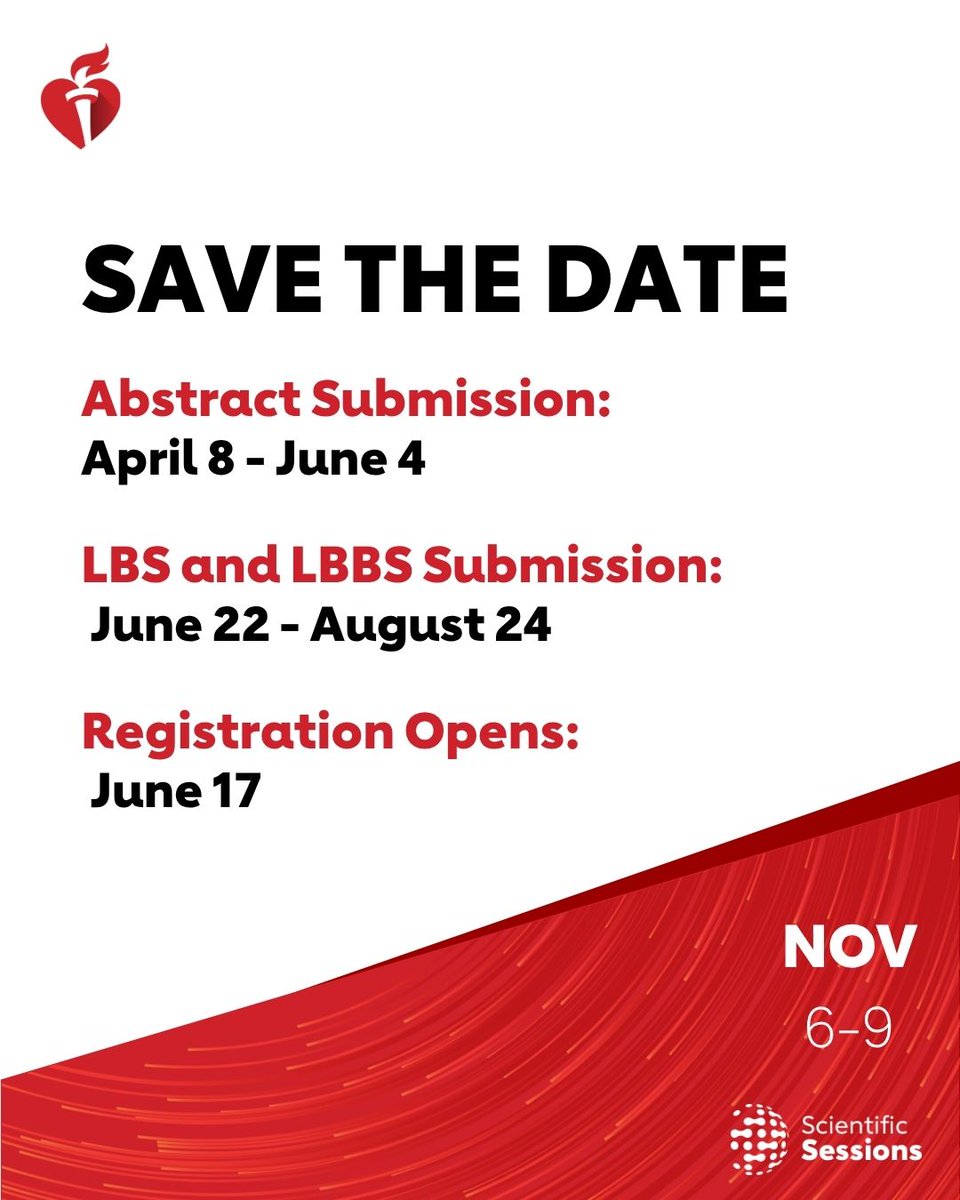
📣 The Call for Abstracts for #ScientificSessions26 is now open! Share your latest discoveries with the global cardiovascular community. Scientific Sessions 2026 Chairs: @JoChikweMD, @bnallamo
AHA Science tweet media
English
1
13
18
2.4K
AHA Science
AHA Science@AHAScience·
Published today, Ethical Considerations for Heart Organ Allocation: Current Landscape and Future Policy Iterations, a Scientific Statement from the American Heart Association. There are 4 groups of decision-makers in transplantation. Each of these decision-makers has interests and motivations for participating in an organized allocation system, particularly in the setting of organ scarcity. ✍🏼 @KhazanieHeart @MarkDrazner @KBreathettMD @CohenProf @megfrasernp @KiranKhush1 @JRogersMD1 @laurentrubymd @P_StLaurent
AHA Science tweet media
English
1
8
17
3.6K
AHA Science
AHA Science@AHAScience·
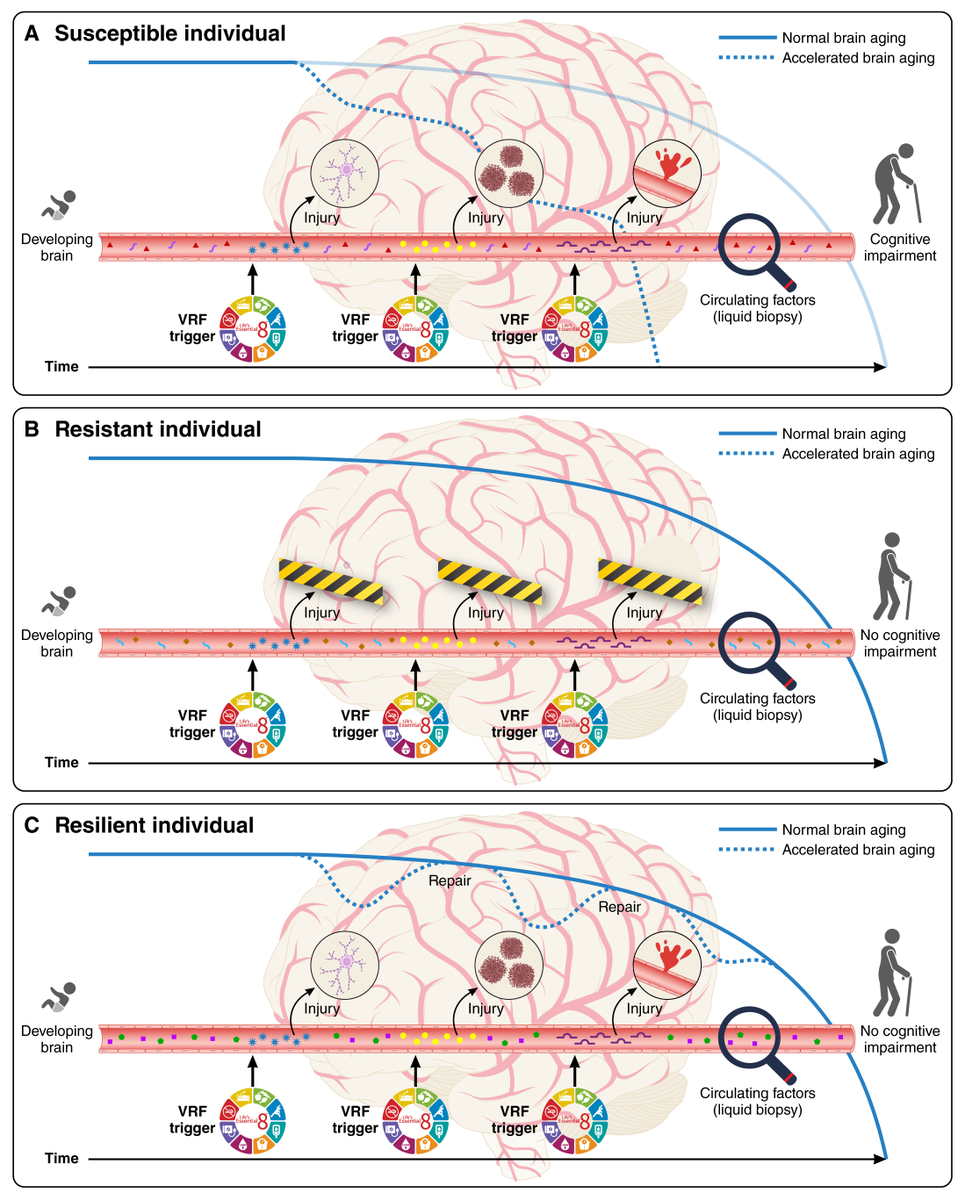
Brain health reflects lifelong cognitive, emotional, and behavioral function, as well as cognitive resilience after insult. This paper explores how vascular risk factors contribute to cerebrovascular disease, premature aging, and cognitive dysfunction.
AHA Science tweet media
English
1
13
28
2.4K
AHA Science
AHA Science@AHAScience·
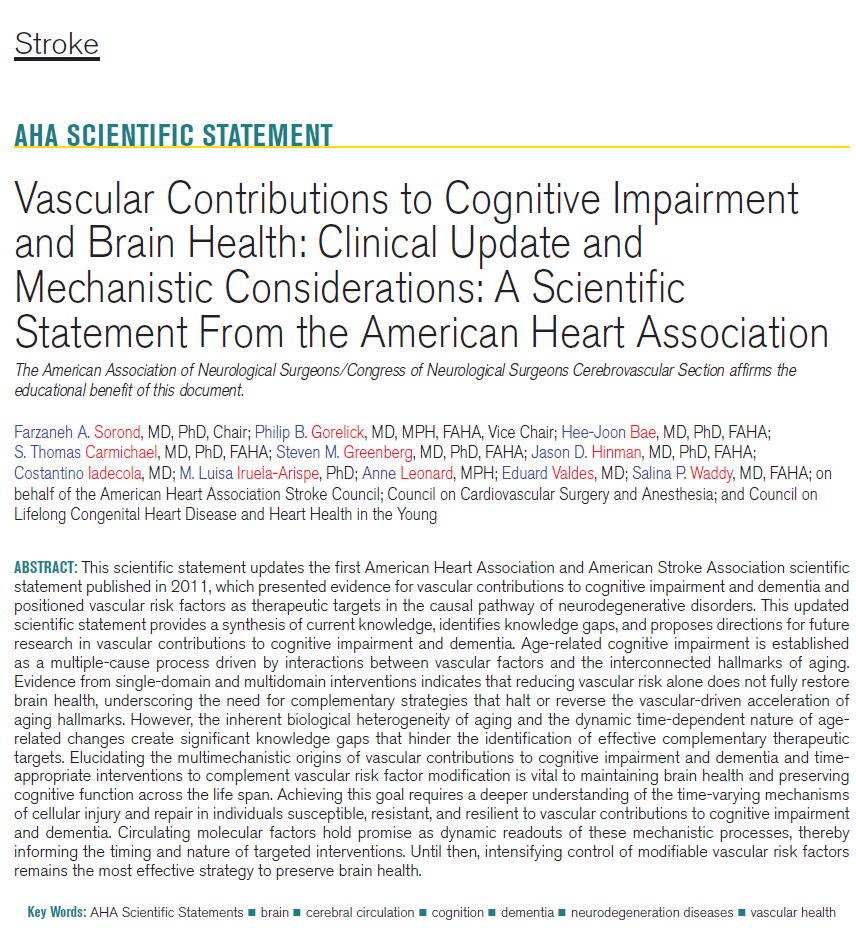
Published today, Vascular Contributions to Cognitive Impairment (VCID) and Brain Health: Clinical Update and Mechanistic Considerations. This paper proposes that multi-mechanistic origins of VCID and time-appropriate interventions that complement VRFs modification are important to maintaining brain health and preserving cognitive function across the lifespan. 📷 Conceptual diagram of vascular contributions to age-related cognitive decline and worsening brain health.
AHA Science tweet media
English
2
21
53
3.4K
AHA Science
AHA Science@AHAScience·
This statement posits that the decline in brain health is not only related to vascular risk factors but occurs in concert with other multi-mechanistic contributions to the decline in brain health. The recognition that vascular factors are involved not only in vascular contributions to cognitive impairment (VCID) by also in Alzheimer’s Disease, has led to the understanding that cognitive impairment as we age is a multiple etiology process (i.e., mixed, or co-existing brain pathologies) and thus must be multi-mechanistic in origin.
AHA Science tweet media
English
1
17
46
10K
AHA Science me-retweet
Shayan Mohammadmoradi, MS, PhD
For the @American_Heart watermelon challenge, mic drowned in the rain, crushed the whole watermelon. Recorded zero audio. So here’s the fully dubbed version. Women are less likely to survive a cardiac event — and heart research ignored female biology for decades. Do the challenge, donate and raise awareness for heart health in women! heart.org/watermelon @AHAScience
English
0
2
8
1.3K
AHA Science
AHA Science@AHAScience·
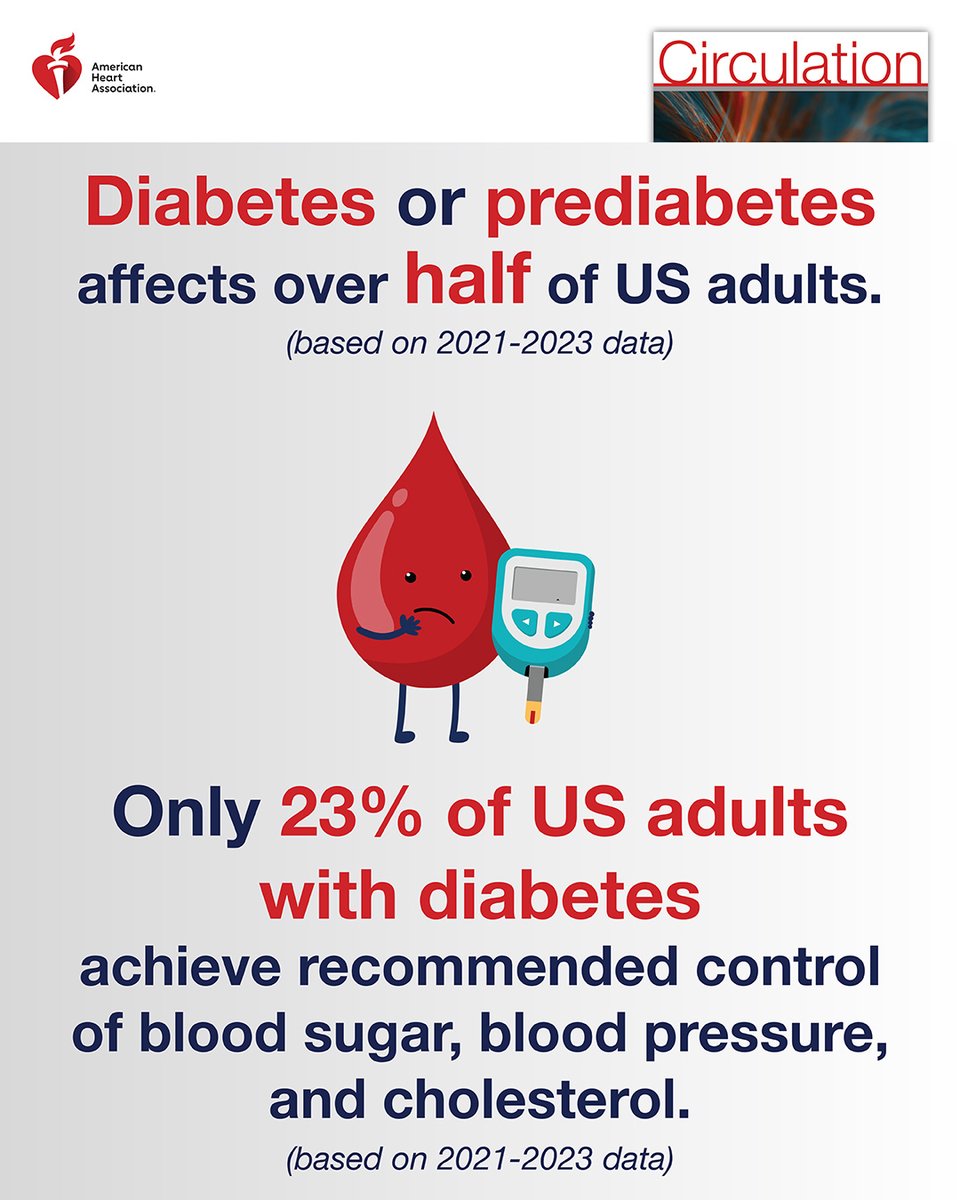
Lifestyle management through diet and exercise is the foundation for treatment of diabetes. About 38.1 million adults in the U.S. had diabetes in 2021, many of them undiagnosed. The most up-to-date statistics on diabetes, cardiovascular disease and stroke are in the 2026 Statistics Update.
AHA Science tweet media
English
1
11
25
2.2K
AHA Science
AHA Science@AHAScience·
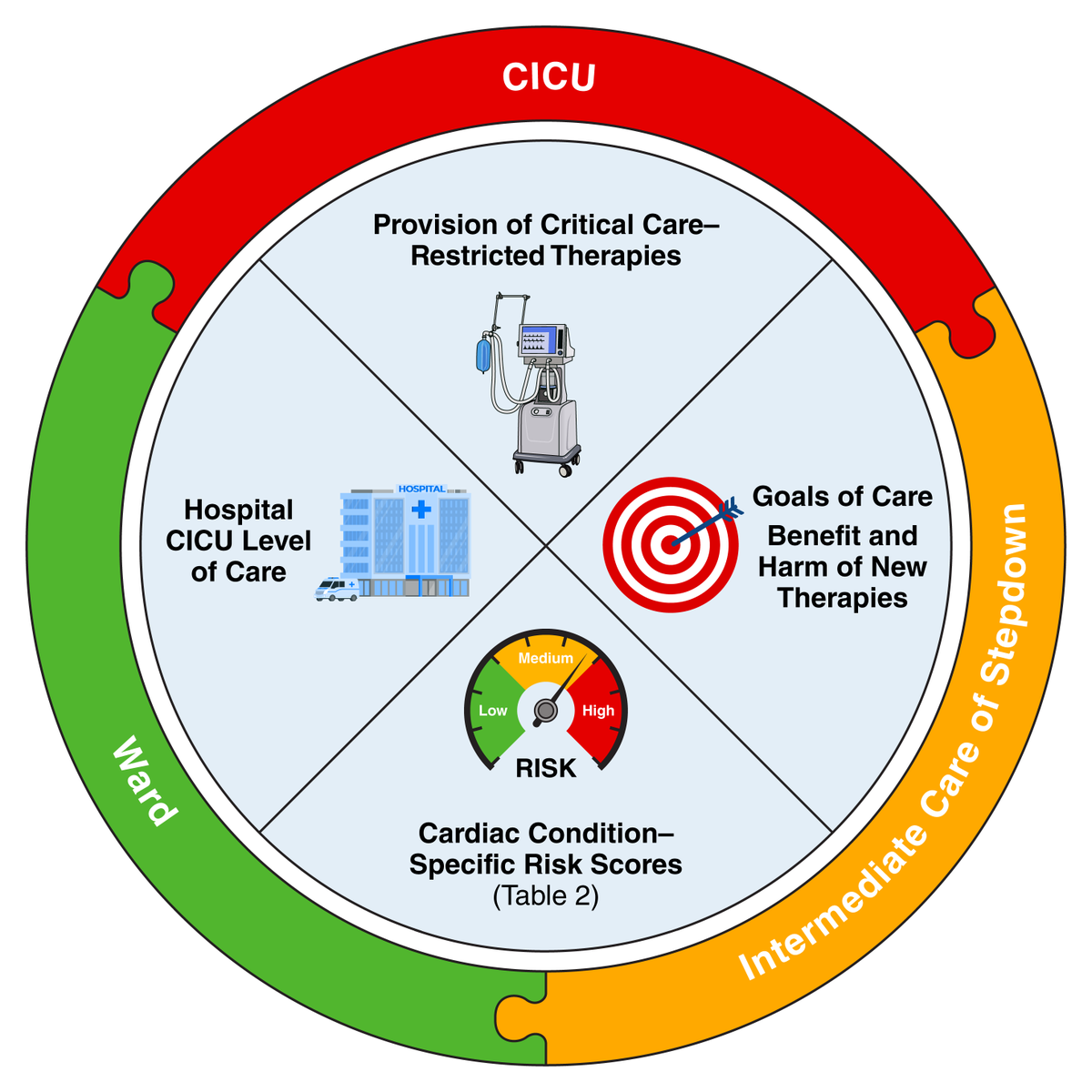
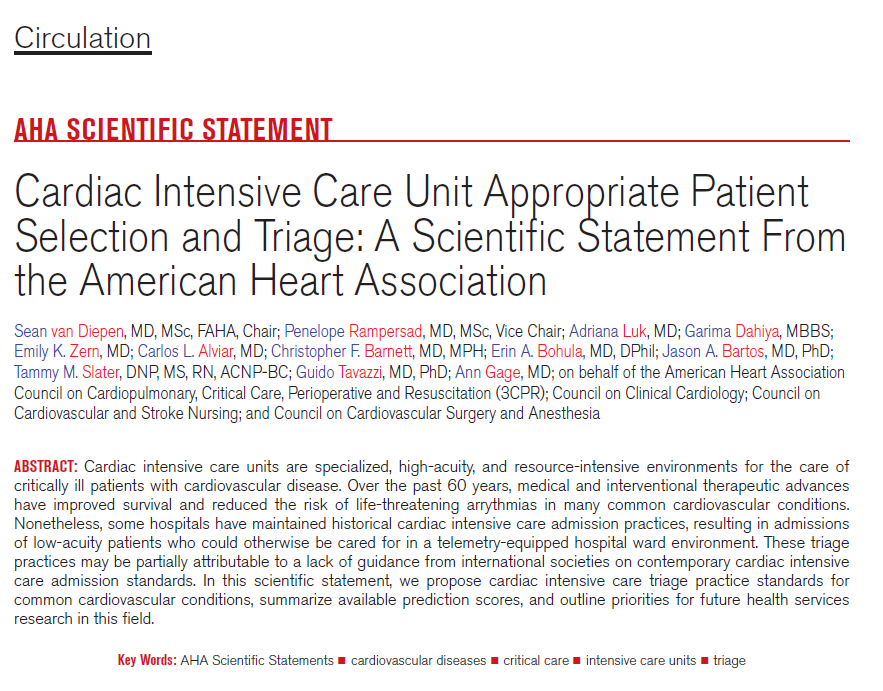
Optimizing cardiac intensive care unit (CICU) admission practices through standardized, evidence-informed triage pathways represents an important opportunity to reduce care variation, alleviate capacity strain, lower costs, and achieve optimal patient-centered outcomes. 📷 Integrated decision pathways for cardiac intensive care triage decisions in patients hospitalized with common cardiovascular disorders. ✍🏼 @seanvndiepen @PennyRampersad @AnnGageMD @AdrianaCLuk
AHA Science tweet media
English
1
4
12
1.8K
AHA Science
AHA Science@AHAScience·
This Scientific Statement suggests a framework for CICU admission decisions based on the potential beneficence of critical care restricted monitoring or therapies, patient goals-of-care, and the risk of early adverse cardiovascular events among common cardiovascular admission diagnoses. ✍🏼 @seanvndiepen @PennyRampersad @AnnGageMD @AdrianaCLuk
AHA Science tweet media
English
3
14
28
13.6K
AHA Science
AHA Science@AHAScience·
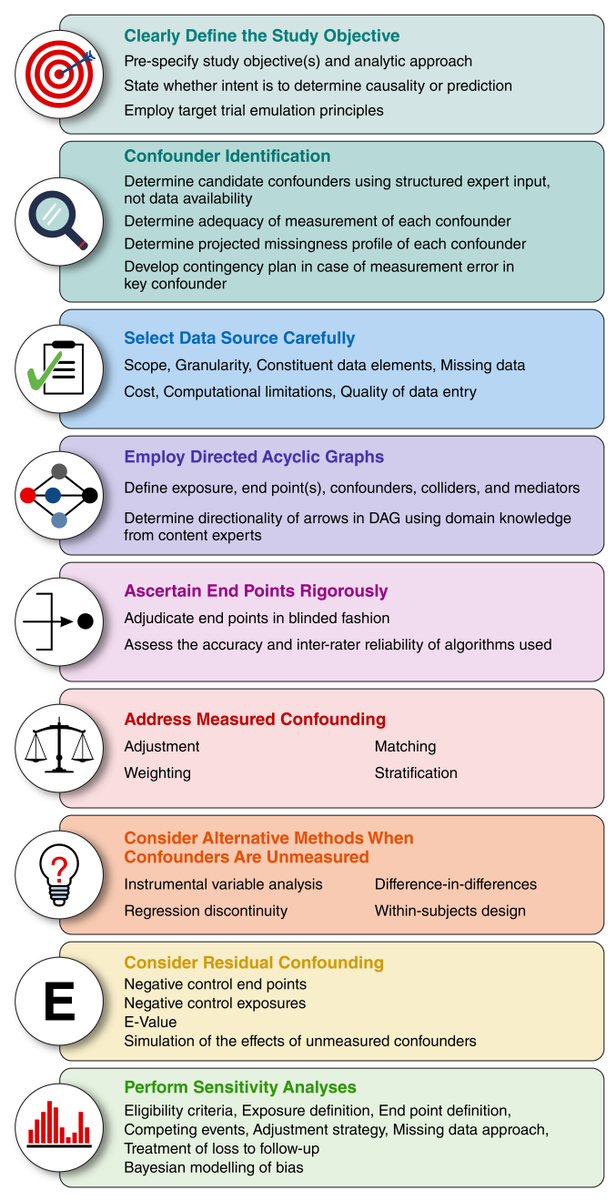
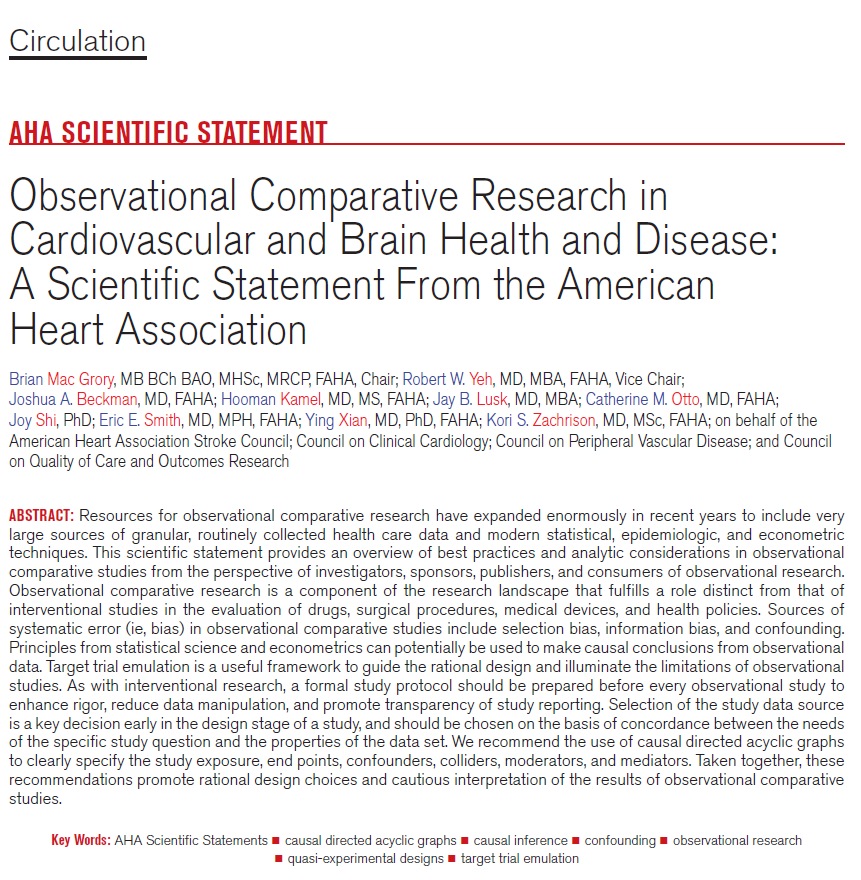
Published today, Observational Comparative Research in Cardiovascular and Brain Health and Disease: A Scientific Statement from the American Heart Association. Resources for observational comparative research have rapidly expanded to include large, granular healthcare datasets and advanced analytical methods. Observational comparative research is a component of research that fills a distinct role different than interventional studies when evaluating drugs, surgical procedures, medical devices, and health policies. 📷 Best practices in observational research. ✍🏼 @brianmacgrory @joshuabeckmanmd @joy_shi1 @rwyeh @YingXian21
AHA Science tweet media
English
2
14
21
2.6K
AHA Science
AHA Science@AHAScience·
This scientific statement provides an overview of best practices and analytic considerations in observational comparative studies from the perspective of investigators, sponsors, publishers, and consumers of observational research and is applicable to all areas of cardiovascular, stroke and brain health research. ✍🏼 @brianmacgrory @joshuabeckmanmd @joy_shi1 @rwyeh @YingXian21
AHA Science tweet media
English
1
9
27
4.1K
AHA Science
AHA Science@AHAScience·
The recognition of KD remains a burden to overcome in many nations. The success witnessed in the past 50 years of KD research and development among the economically advanced countries has led to effective recognition and management strategies for KD. Hence, local, multicenter, national, and international collaborative efforts, with dynamic exchange between low-and middle-income and countries such as Japan, Europe and North America, which have developed effective guidelines, are needed to improve recognition and care of patients with KD. 📷 Global KD collaboration framework: current state, logistics, and future directions.
AHA Science tweet media
English
1
1
5
1.2K