
Japan Acceleration
2K posts

@JapanAccelerate
Accelerate your Japan Company or Career. High-Touch, Executive Search and RPO's for Upwardly Mobile Candidates & High-Growth Companies in Japan.


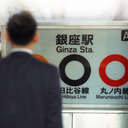
Japan has the world’s best railway system. 28% of Japanese passenger-kilometers are by rail. Germany manages 6.4%, and the USA manages 0.25%. Just one Japanese company, JR East, carries more passengers than China’s entire railway system, and four times as many than Britain’s. What is the secret of its success? worksinprogress.co/issue/why-japa… Part of the answer is that Japanese railway companies don't just operate trains. They run hospitals, supermarkets, department stores, amusement parks, office complexes, and retirement homes around their railway stations. One of them co-built Tokyo Disneyland. Another owns a baseball team. A third created its own all-women musical theater in 1914, which is still running today. The logic is elegant: a railway increases the developable value of land around its stations, but normally that value accrues to landowners, not the railway operator. Japanese railway companies captured this value by owning and developing the land themselves. About half of the revenue of Japanese railway companies comes from ‘side businesses’ like these. Allowing railway operators to capture more of the value they created meant that more lines were profitable, making a far larger system financially viable. This may sound like a radically novel approach. But in fact, an exactly similar system existed in nineteenth-century America. The success of Japanese railways does not lie in some unreplicable feature of Japanese culture: it lies in good policy. If they learnt the right lessons from it, many countries could replicate Japan’s success. Read more (much more) in @Borners1's & @carto_graph's new piece for @WorksInProgMag Issue 23.

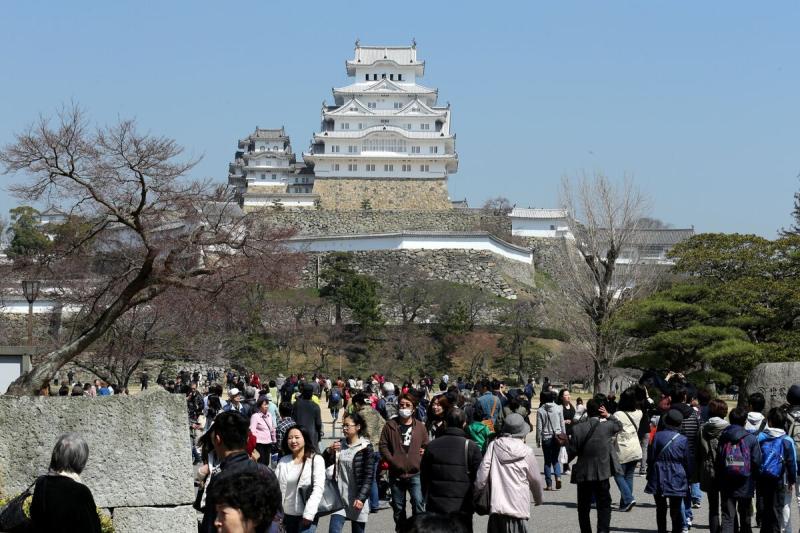
Since introducing a dual-pricing scheme -- 1,000 yen for city residents and 2,500 yen for everyone else -- Himeji Castle has seen a 17% drop in visitors, but a doubling of revenue.


姫路城「二重価格」1カ月、収入2倍に 入城者数は17%減 nikkei.com/article/DGXZQO…


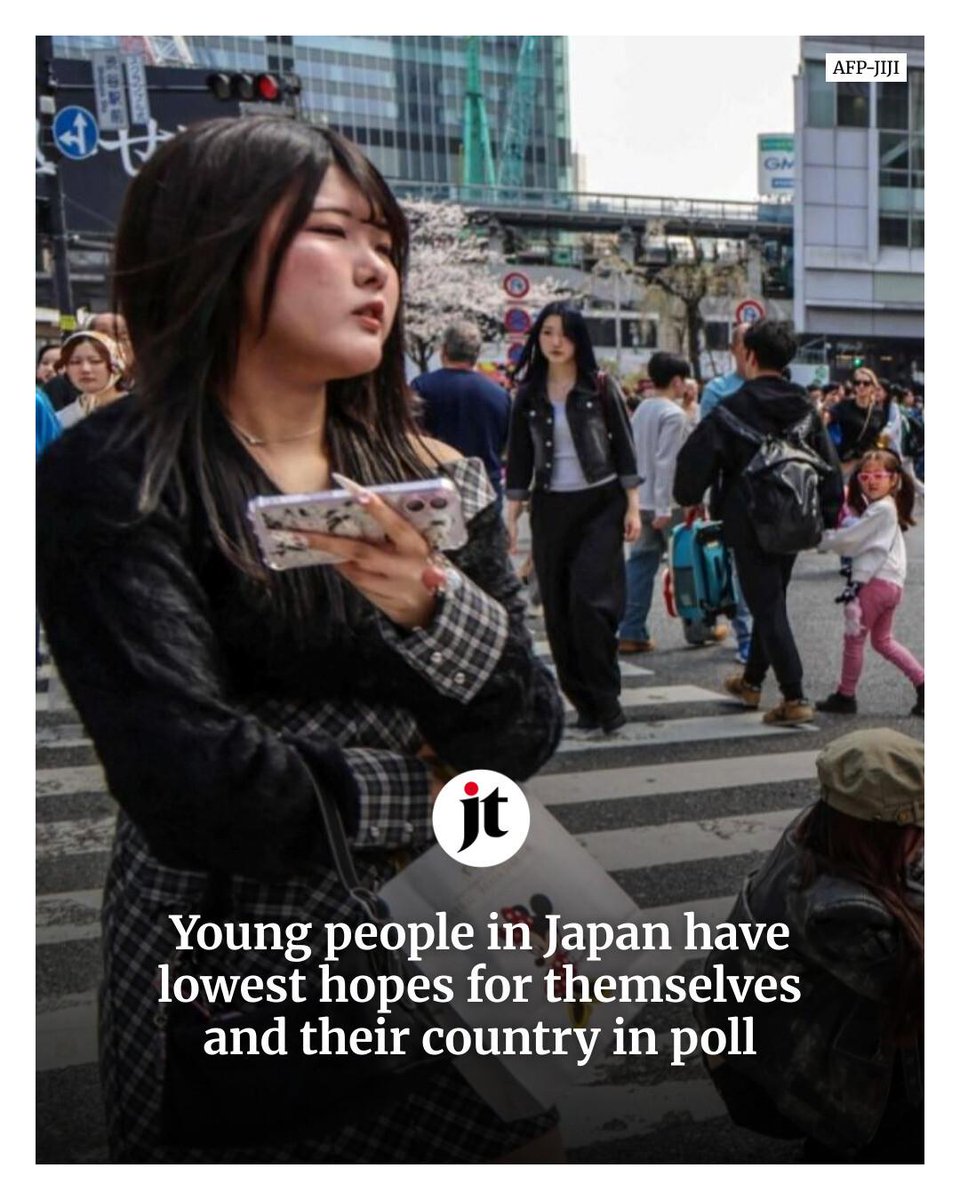
TokyoScope News: A Japanese urban commentator argues that #Shibuya no longer feels like #Tokyo’s youth capital, saying redevelopment, chain stores, rail changes, and tourist crowds have stripped away much of the district’s old edge. Full story: tokyoscope.blog/p/why-shibuya-…