

Laleh
496 posts

اعلیحضرت سالها برای شاه بودن آموزش دیده.
سخت ترین آزمونهای نظامی، سیاسی و اجتماعی رو پشت سر گذاشته تا از پدر و پدربزرگ حاکمی بهتر و دموکراتیکتر باشد.
این تسلط در مصاحبهها، گفتگوها و کنفرانسها هرگز تصادفی نبوده.
#KingRezaPahlaviForIran
فارسی
@ShDelfan روحش شاد، مردم آزاد بودند اما دنبال آزادی بودند ، نفهمیدن بعدها برایش برایش بجنگند.
#rezaPahlaviForIran
فارسی

دو شرط لازم, که پهلوی نماينده تو باشه؛
«اول لیاقت، دوم شرافت»
#پهلوی_خواهم
#انقلاب_ملی_شیروخورشید
#KingRezaPahlaviForIran

فارسی
@SadeqBigdeli version for Twitter:
“Many Iranians in Canada oppose any tolerance of the regime. Allowing officials linked to repression raises serious concerns and risks losing our trust and votes. The Liberal Party has lost significant support among Iranian-Canadians.”
English
Mehdi Taj — a former IRGC member and allegedly the former intelligence commander of the Isfahan branch of the Islamic Revolutionary Guard Corps — is confirmed to be en route to Canada with a visa issued and may arrive at any moment.
He is entering Canada under the title of head of the Football Federation of the Islamic Republic of Iran.
There are serious concerns, however, that his IRGC affiliations were not disclosed in the visa process.
Members of a terrorist organization are inadmissible under s.34(1)(f) of the Immigration and Refugee Protection Act. Failure to disclose such affiliations constitutes misrepresentation under s.40 IRPA.
His visa MUST BE CANCELLED immediately — and if too late, enforcement must occur at the port of entry.
We call on the Canada Border Services Agency @CanBorder, the Minister of Public Safety (@gary_srp), the Minister of Immigration (@LenaMetlegeDiab), and the Minister of Foreign Affairs (@AnitaAnandMP) to take immediate action.
@MarkJCarney

English
@IranIntl آقای ترامپ
آیا شما اگر تنگه هرمز را باز کنید پیروزید؟ شما به عنوان رهبر سیاسی جهان به مردم ایران قول دادید له آنها کمک کنید برای سرنگونی رژیم، نه برای مذاکره با افراد آن ، ما مردم ایران چه طور باید بگوییم ما این رژیم را کلا نمیخواهیم شما این را می دانید، له قولتان عمل کنید.
فارسی
دونالد ترامپ در شبکه تروث سوشال نوشت که جمهوری اسلامی بهتازگی به ما اطلاع داده که در «وضعیت فروپاشی» قرار دارد. آنها از ما میخواهند که هرچه سریعتر تنگه هرمز را باز کنیم. در حالی که تلاش میکنند وضعیت رهبری خود را مشخص کنند.
iranintl.com/202604289359

فارسی
@Minooli2162 نمیگذاریم خونتان پایمال شود ، شاه برمیگردد ومردم شریف ممسنی این ترانه را خواهند خواند، روحت شاد.
#rezaPahlaviForIran
فارسی

شاه میاد به کشورش
ممسنی پشت سرش
صدای #کیوان_احمدی پشت بلندگو زیباترین صدایی بود که تا به امروز شنیدم و تا اعماق وجودم سلول به سلول رفت همون روز که در ممسنی قهرمان فریاد زد 👑🇮🇷🫡
#جاویدشاه
#KingRezaPahlaviForIran
#FinishTheJob

فارسی
@patriot_apranik اگر شما خیلی به فکر مردم ایرانهستید، پس مذاکره کردن با این رژیم تروریستی یعنی چه؟ مردم باید چطور بگویندکه این حکومت را نمیخواهند مردم باخون جوانانشان گفتند، با دیدن اعدام کردن جوانانشان گفتند، نمیبینید؟ جهان نمیبیند؟ مردم کمک میخواهند برای سرنگونی کلی رژیم .
فارسی

🔴 مارکو روبیو: خواسته ما آسیب رساندن به مردم ایران نیست. صادقانه بگویم، آرزو میکنیم صدای مردم ایران شنیده شود، بهجای اینکه ۴۰ هزار نفر از آنها در خیابانها، داخل بیمارستانها کشته شوند و بهصورت روزمره اعدام شوند.
آنها قربانیان آن رژیم هستند.
فارسی
@Hoorieh81 تولدتون مبارک، هر چند در میان ما نیستید اما یاد وخاطره شما همیشه زنده هست، ما مردم ایران قول میدهیم که با رهبری برادرتان ، ایران را آزاد خواهیمکرد. پاینده ایران وایرانی
##rezaPahlaviForIran
فارسی


@Alighazizade امیدواریم که ترامپ متوجه بشه مذاکرات هیچفایده ای نداردومحاصره اقتصادی باید همرام با تشدید نظامی باشد ومردم کلا این رژیم رانمیخواهند، این طوری فقط دلرند وقت میدهند به این رژیم، جوانها دارند اعدام میشوند، اکر خودش نمیخواهد بجنگد اسراییل خیلی خوب میداند چه کار باید بکند .
فارسی
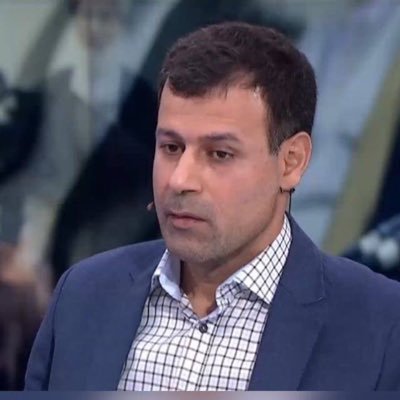
ایران اینترنشنال چند روز پیش به خبری اختصاصی دست یافت که بر اساس آن، مجتبی خامنهای تیم مذاکرهکننده را توبیخ کرده که در دور نخست مذاکرات، از محدوده مجاز عدول کردند و در دور دوم اجازه گفتگو درباره برنامه هستهای را ندارند.
این خبر به حدی برای من حیرتانگیز بود که در ابتدا در درستی آن تردید کردم. مگر میشود بعد از این همه مذاکره هستهای، کسی معتقد باشد که باید به مذاکرات رفت اما درباره موضوع هستهای گفتگو نکرد؟
اما با کمال حیرت، اظهار نظر نبویان و یادداشت فارسنیوز و سخنان چند مقام دیگر ج.ا. عینا منطبق بر خبر اختصاصی ایران اینترنشنال بود.
این افراد و رسانههای حکومت گفتند و نوشتند که اجازه دادن به طرح موضوع هستهای اشتباه راهبردی بود!!!
با این حساب، مذاکرهکنندگان پس از خامنهای، حتی در حد رهبر پیشین نیز قائل به عقبنشینی در موضوع هستهای نیستند.
ترامپ حالا به خوبی فهمیده که سخنگفتن از تغییر در نظام ج.ا. سرابی بیش نیست.
فارسی
@WhiteHouse Dear Mr. Trump,
Did you not promise to help the people of Iran? You are responsible for security, while Iranians are suffering every day. Why not allow help for them? As a political leader, you should stand by your promises—many people trusted your words.
#rezaPahlaviForIran
English


@USABehFarsi تا وقتی که آقای ترامپ منتظر مذاکره هست با رژیمی که برای دنیا ومردم خودش خطرناک هست ، نیروی دریایی رو دوباره میسازد، متاسفانه آقای ترامپ به قولی که به مردم ایران گفته فراموش کردت که من کمکتان میکنم که این رژیم سرنگون شود، ایشان به عنوان یک فرد سیاسی به قولشان عمل نکردند.
فارسی
کارولین لیویت، سخنگوی مطبوعاتی کاخ سفید:
«نیروی دریایی ایران، که زمانی قدرتمندترین ناوگان دریایی در خاورمیانه بود، اکنون به دزدی دریایی تقلیل یافته است؛ و رئیسجمهور ترامپ بهعنوان فرمانده کل قوا، به وزیر جنگ، پیت هگست چراغ سبز و مجوز داده است تا در صورت لزوم، اقدام مرگبار و عملیاتی انجام دهد.»
Rapid Response 47@RapidResponse47
.@PressSec: The Iranian navy, which was once the most powerful naval fleet in the Middle East, has now been reduced to piracy, and @POTUS, as Commander-in-Chief, has given the green light and authorization to @DeptofWar to take lethal and kinetic action if they deem necessary.
فارسی
@USABehFarsi ما مردم ایران وشما هم خوب میدانیم که نیروی هوایی ودریایی را کامل از بین نبرده اید وتا وقتی نیابتی های این رژیم هستند وآنها در حال ساخت مجدد موشک وترمیم سایتهای آسیب دیده خود هستند ، هیچ امنیتی برای کشور شما وکشورهای همسایه نیست، این رژیم مشروعیت نداره .
فارسی
دونالد ترامپ، رئیسجمهور ایالات متحده درباره مذاکرات با ایران:
«فکر میکنم مزیت بزرگ این است که ما نیروی دریایی آنها را بهطور کامل از بین بردهایم. نیروی هواییشان را هم نابود کردهایم... آنها واقعاً در وضعیت بسیار بدی قرار دارند. و البته ما محاصره را هم اعمال کردهایم، و این محاصره بهطرز باورنکردنی مؤثر بوده است.»
Rapid Response 47@RapidResponse47
.@POTUS on talks with Iran: "I think the the big advantage is that we’ve taken out their navy in its entirety. We’ve taken out of their air force... they’re really in bad shape. And, of course, we’ve done the blockade, and the blockade's been unbelievably effective."
فارسی
@USABehFarsi لطفا برای مردم ایران توضیح بدهید که آیا موافق رژیم تروریستی وباقی ماندن این رژیم هستید؟ همانطور که شاهزاده فرمودند ماچه با کمک شما چه بدون کمک شما این رژیم تروریستی را سرنگون خواهیم کرد ، آیا منافع مردم آمریکا در داشتن سلاح اتمی وموشکی هست ؟
فارسی
کارولین لیویت، سخنگوی مطبوعاتی کاخ سفید:
«میتوانم تأیید کنم که استیو ویتکاف و جرد کوشنر فردا صبح بار دیگر عازم پاکستان خواهند شد تا در گفتوگوها شرکت کنند.»
«ایرانیها همانطور که رئیسجمهور ایالات متحده از آنها خواسته بود، تماس گرفتند و درخواست این گفتوگوی حضوری را مطرح کردند.»
Rapid Response 47@RapidResponse47
"I can confirm @SEPeaceMissions and @jaredkushner will be off to Pakistan again tomorrow morning to engage in talks," announces @PressSec. "The Iranians reached out, as @POTUS called on them to do, and asked for this in-person conversation."
فارسی

الان ۶.۶ میلیون بار دیده شده.
باید اولین هدف رو بزاریم ۱۰ میلیون بازدید.
Reza Pahlavi@PahlaviReza
Whether or not Europe stands with us, whether or not your journalists do their jobs, whether or not your politicians demonstrate the courage to act, I will fight for my people and my country.
فارسی
@Osint613 This regime is losing its grip and trying to survive.
The Iranian people have a voice and look to Reza Pahlavi for leadership.
Internet shutdowns won’t silence the truth.
#rezaPahkviForIran
#DigitalBlackOutIran
English

Iranian FM Araghchi will return to Islamabad before his visit to Moscow for "consultations to end the war."
- Iranian state media.
Open Source Intel@Osint613
Iran's Foreign Minister Abbas Araghchi is scheduled to visit again Pakistan after his trip to Oman, before flying to Russia. - Iranian state media
English
@TheStudyofWar As long as the IRGC operates, instability can spread across the region and beyond.
Figures like Ahmad Vahidi and Mohammad Bagher Ghalibaf are widely criticized for their roles in past violence.
We hope that, with the leadership of Reza Pahlavi, Iran can move toward peace.
English
2/ Vahidi continues to support Iranian sovereignty over the Strait of Hormuz and efforts to retain the nuclear program, because he views negotiations with the US as having no present value, according to IRGC sources and anti-Iranian regime media. ⬇️ x.com/TheStudyofWar/…
Institute for the Study of War@TheStudyofWar
MORE: The IRGC has used its “control” over the strait as a means for IRGC Commander Major General Ahmad Vahidi to flex his own power over internal rivals, such as Parliament Speaker Mohammad Bagher Ghalibaf. Vahidi and his inner circle recently used the IRGC’s leverage over the strait to exercise influence over Iran’s negotiating position. The United States extended the ceasefire yesterday to allow for Iranian leaders to produce a “unified proposal,” but Iranian leaders remain fragmented over Iran’s negotiating strategy. The IRGC’s attacks on shipping and IRGC Commander Major General Ahmad Vahidi’s apparent willingness to scrap US-Iran talks indicate that Vahidi is prepared to resume the war if needed. Vahidi currently holds the most influential position in the regime at this time, apart from the Supreme Leader, who is reportedly seriously injured or incapacitated. The IRGC’s recent attacks on commercial vessels suggest that Vahidi is willing to risk incurring a potential US military response to assert Iranian "control” over the strait and achieve the subsequent intended effects, as described above. Vahidi also may seek to derail the negotiations and may be attempting to do so by introducing preconditions and interfering with efforts to produce a “unified proposal.” These actions suggest that Vahidi and his inner circle have accepted and are prepared for the risks that such actions would lead to the resumption of the war with the United States.
English
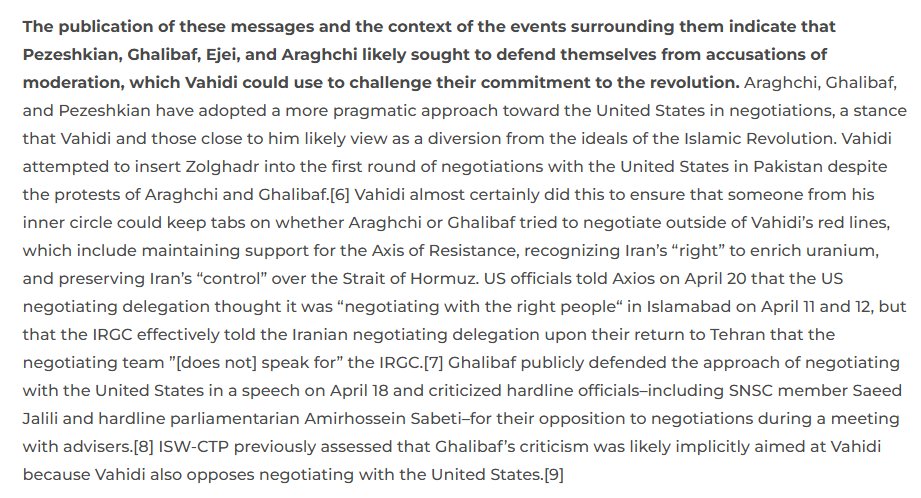
MORE: All three leaders rejected that the regime contains “hardline” and “moderate” factions and circulated the slogan “One God, one nation, one leader, and one path—the path of victory for Iran.”
The publication of these messages from the heads of Iran’s three branches of government and the context of the events surrounding them indicate that Pezeshkian, Ghalibaf, Ejei, and Araghchi likely sought to defend themselves from accusations of moderation, which IRGC Commander Major General Ahmad Vahidi could use to challenge their commitment to the revolution.
Institute for the Study of War@TheStudyofWar
NEW: US President Donald Trump’s messages have appeared to elicit a choreographed response by the Iranian regime that is directed both to regime factions and to the United States. The heads of Iran’s three branches of government issued a series of statements likely aimed at defending themselves from accusations of “moderation” in the Islamic Revolutionary context. Iranian Supreme Leader Mojtaba Khamenei acknowledged Ghalibaf, Pezeshkian, Ejei, and Aragchi’s obeisance several hours later in a choreographed manner that likely seeks to demonstrate unity and signal an end to the internal competition between pragmatic and hardliner officials. Other Key Takeaways: Iranian Supreme Leader Mojtaba Khamenei is likely unable to seriously impact Iranian decision-making due to injuries sustained during the war. The New York Times reported on April 23 that Mojtaba is under frequent medical attention and heavily reliant on the advice and guidance of senior IRGC commanders led by Islamic Revolutionary Guards Corps (IRGC) Commander Major General Ahmad Vahidi, citing a number of former IRGC and current regime officials. Vahidi continues to support Iranian sovereignty over the Strait of Hormuz and efforts to retain the nuclear program, because he views negotiations with the United States as having no present value, according to IRGC sources and anti-Iranian regime media. Vahidi is part of the first generation of revolutionaries, and he prioritizes ideological purity and hard power over the economy and well-being of Iranian citizens.
English
@TheStudyofWar The Iranian people are held hostage by a hardline group.
When the internet is shut down, no one hears our voice.
“One leader” means Reza Pahlavi, and “one path” means ending the regime.
There are no real moderates—they lie to stay in power.
#RezaPahlaviForIran
#DigitalBlackOut
English
@EricLDaugh With respect, unlike the Iranian regime which lacks legitimacy, you are widely supported.
With the leadership of Reza Pahlavi, the Iranian people can regain true legitimacy, and a strong relationship between the people of Iran and the United States can grow.
English

🚨 REPORTER: Prince Harry wants you to do more in Ukraine
TRUMP: Prince Harry? How's he doing? How's his wife? I know ONE thing. Prince Harry is NOT speaking for the UK. That's for sure. I think I'M speaking for the UK more than Prince Harry! 🔥
English
@AshCrypto Thank you, President Trump.
These funds are linked to IRGC networks and belong to the Iranian people.
Reza Pahlavi represents the voice of many Iranians.
#rezaPahlaviForIran
#DigitalBlackOutIran
English

🚨 BREAKING:
🇺🇸 The Trump administration has frozen $344 million in crypto tied to Iran, per CNN.

English
@SecScottBessent @USTreasury Thank you for taking action against the regime’s financial networks.
The Iranian people want freedom and change.
Reza Pahlavi, as the chosen representative of millions of Iranians, carries our voice.
Please keep the pressure on the regime.
English

Under Economic Fury, @USTreasury will continue to systematically degrade Tehran’s ability to generate, move, and repatriate funds.
Treasury’s Office of Foreign Assets Control is sanctioning multiple wallets tied to Iran — resulting in the freeze of $344 million in cryptocurrency.
We will follow the money that Tehran is desperately attempting to move outside of the country and target all financial lifelines tied to the regime.
English