
Tweet Disematkan
🔻
8.6K posts


🔻
@_UnStrTctureD
Unbiased | Unaffiliated | Unfiltered | Unemployed energy | Unapologetically honest | Uninvited opinions included | Unsolicited thoughts | Unbothered
lost Bergabung Kasım 2023
881 Mengikuti1.5K Pengikut
وأنا حبيب الله ولا فخر
آقا کریم ﷺ کے لیے حبیب اللہ کا لقب کس قدر گہرا اور بامعنی ہے۔
اگر صرف "محبوب" کہا جاتا تو اس سے بنیادی طور پر یہ معنی پیدا ہوتا کہ آپ ﷺ اللہ تعالیٰ کی محبت کے مورد ہیں۔ یہ معنی درست اور عظیم ہے، لیکن لفظ حبیب اس سے آگے بڑھ کر ایک دائمی اور ذاتی وصف کی طرف اشارہ کرتا ہے۔
عربی کے وزن فعیل میں محبوبیت ایک عارضی کیفیت نہیں رہتی بلکہ ایک راسخ اور ثابت مقام بن جاتی ہے۔
گویا "حبیب اللہ" صرف یہ نہیں کہ اللہ تعالیٰ نے آپ ﷺ سے محبت فرمائی، بلکہ یہ کہ آپ ﷺ وہ ہستی ہیں جو ازل سے ابد تک محبت، قرب، انتخاب اور تکریم کے اعلیٰ ترین مقام پر فائز ہیں۔
لسانی اعتبار سے بھی حبیب محبوبیت کو کسی ایک وقتی فعل سے بلند کر کے ایک مستقل شرف اور مرتبہ بنا دیتا ہے۔
یہ لفظ صرف محبت کے وقوع کو نہیں بلکہ محبوبیت کے کمال، دوام اور شرف کو ظاہر کرتا ہے۔

🔻@_UnStrTctureD
The distinction between Mahbub (محبوب) Muhibb (محب)and Habib (حبيب) In Arabic the rootH-B-B (ح ب ب) is the foundation. classical Arabic grammar isn't just a set of dry linguistic rules but a psychological and philosophical blueprint. In Arabic morphology the active form مُحِبّ belongs to Form IV (بابِ افعال) أَحَبَّ → يُحِبُّ → مُحِبّ (أَخْرَجَ / يُخْرِجُ / مُخْرِج) This specific grammatical weight often denotes initiation, action and transitiveness By calling the lover a Muhibb the language portrays them as the engine of the emotion someone exerting effort, driving a passion forward and living in a state of constant, dynamic motion. But when the language turns its gaze to the one who is loved, it deliberately steps away from this pattern. Had Arabic used the standard Form IV passive, مُحَبّ it would mean "the one who is being subjected to love" It would imply that the beloved is merely a passive recipient of the lover's actions dependent entirely on the lover's attention to exist. Instead classical Arabic leaps back to the root Form I to choose مَحْبُوب (Maḥbūb) and even more frequently حَبِيب The choice of حَبِيب is where the linguistic genius truly shines. In Arabic grammar the فَعِيل weight is frequently used for a صِفَة مُشَبَّهَة (an assimilated adjective) a form reserved for traits that are intrinsic, deeply rooted and permanent (like Kareem for generous or Raheem for merciful). By calling the beloved a Habib the language magically detaches the state of being loved from the lover's fleeting passion. It declares that being loved is now an inherent quality of the beloved. They are not loved because someone chose to love them; they are loved because they are fundamentally, essentially lovable. . . . It elevates the beloved from the object of a sentence to a monument of worth. The lover's passion might waver, decrease or change with time but the beloved’s status as a Habib remains untouched, anchored in their own grace. This subtle shift beautifully proves your point: classical Arabic treats the beloved not as a target for someone else's emotional output, but as an honored sanctuary. It tells us that the ultimate reality of love isn't the fire consuming the lover, but the timeless worth reflecting off the one they look up to. Classical Arabic has dozens of distinct words for the different stages of love from the initial glance (Hawa) to the consuming madness (Huyam).
اردو


The distinction between Mahbub (محبوب) Muhibb (محب)and Habib (حبيب)
In Arabic the rootH-B-B (ح ب ب) is the foundation.
classical Arabic grammar isn't just a set of dry linguistic rules but a psychological and philosophical blueprint.
In Arabic morphology the active form مُحِبّ
belongs to Form IV
(بابِ افعال)
أَحَبَّ → يُحِبُّ → مُحِبّ
(أَخْرَجَ / يُخْرِجُ / مُخْرِج)
This specific grammatical weight often denotes initiation, action and transitiveness
By calling the lover a Muhibb the language portrays them as the engine of the emotion someone exerting effort, driving a passion forward and living in a state of constant, dynamic motion.
But when the language turns its gaze to the one who is loved, it deliberately steps away from this pattern.
Had Arabic used the standard Form IV passive,
مُحَبّ
it would mean "the one who is being subjected to love"
It would imply that the beloved is merely a passive recipient of the lover's actions dependent entirely on the lover's attention to exist.
Instead classical Arabic leaps back to the root Form I to choose
مَحْبُوب
(Maḥbūb)
and even more frequently
حَبِيب
The choice of
حَبِيب
is where the linguistic genius truly shines. In Arabic grammar the
فَعِيل
weight is frequently used for a
صِفَة مُشَبَّهَة
(an assimilated adjective)
a form reserved for traits that are intrinsic, deeply rooted and permanent (like Kareem for generous or Raheem for merciful).
By calling the beloved a Habib the language magically detaches the state of being loved from the lover's fleeting passion. It declares that being loved is now an inherent quality of the beloved. They are not loved because someone chose to love them; they are loved because they are fundamentally, essentially lovable.
.
.
.
It elevates the beloved from the object of a sentence to a monument of worth. The lover's passion might waver, decrease or change with time but the beloved’s status as a Habib remains untouched, anchored in their own grace.
This subtle shift beautifully proves your point:
classical Arabic treats the beloved not as a target for someone else's emotional output, but as an honored sanctuary.
It tells us that the ultimate reality of love isn't the fire consuming the lover,
but the timeless worth reflecting off the one they look up to.
Classical Arabic has dozens of distinct words for the different stages of love from the initial glance (Hawa) to the consuming madness (Huyam).

English
Once we understand the colonial structural roots of modern education, we have to look closely at its most powerful weapon which is modern scientific education and the superficial ways we try to respond to it.
ہمارے academia اور بعض مذہبی حلقوں میں یہ بہت بڑا مغالطہ پایا جاتا ہے کہ جدید سائنس محض کائنات کو سمجھنے کا ایک بے ضرر اور غیر اقداری (Value-neutral) ذریعہ ہے جس کا نوآبادیاتی طاقت سے کوئی تعلق نہیں۔ جبکہ حقیقت یہ ہے کہ جدید سائنس اب صرف سائنس نہیں رہی بلکہ یہ ٹیکنو-سائنس بن چکی ہے جس کا واحد مقصد علم نہیں بلکہ طاقت کا حصول اور سرمائے کا پھیلاؤ ہے۔
ہمارے society میں سائنس کو ایک نئے دین کے طور پر پیش کیا جاتا ہے جسے ہم فلسفے کی زبان میں "سائنس پرستی" (Scientism) کہہ سکتے ہیں۔
ہمیں یہ یقین دلا دیا گیا ہے کہ حقیقت تک پہنچنے کا واحد راستہ وہی ہے جسے مغرب کی لیبارٹریاں اور کارپوریٹ ادارے سندِ قبولیت عطا کریں۔
When the colonial educational system began eroding our intellectual foundations our thinkers came up with an easy and highly romanticized solution:
the Islamization of Knowledge.
We developed this urge to slap an Islamic label on every new Western concept just to claim it as ours. This response came from a sort of defensive, shortcut mentality, allowing us to bypass the grueling work of original research.
مثال کے طور پر جوں ہی مغرب میں بگ بینگ (Big Bang) کا نظریہ سامنے آیا ہمارے بعض مفسرین نے فوراً قرآن کی آیات نکالیں اور کہا کہ دیکھیے یہ تو ہمارے ہاں چودہ سو سال پہلے سے طے شدہ تھا۔
استغفر اللہ
اس فکری تن آسانی اور سادہ لوحی کا نتیجہ یہ نکلا کہ ہم نے حقیقی سائنسی، ریاضیاتی اور تجرباتی محنت تو یکسر چھوڑ دی اور اس انتظار میں بیٹھ گئے کہ مغرب کوئی نئی ایجاد کرے اور ہم اپنی کسی تاویل سے اسے قرآن سے ثابت کر دیں۔۔۔۔
آج اگر Portals or theoretical physics کی بات ہو رہی ہے تو ہمارے ہاں اس پر بھی مابعد الطبیعیاتی بحثیں ہو رہی ہیں، اور اگر یہی حال رہا تو کل کلاں جب آرٹیفیشل انٹیلیجنس (AI) اور روبوٹکس پوری طرح دنیا پر حاوی ہو جائیں گے، تو ہم پھر کوئی آیت ڈھونڈ لائیں گے کہ یہ تو پہلے سے طے تھا۔ یہ رویہ علم کے ساتھ مخلص ہونا نہیں ہے بلکہ یہ اپنی فکری پسماندگی کو چھپانے کا ایک عذر ہے۔۔۔۔
🔻@_UnStrTctureD
جدید کارپوریٹ اور نوآبادیاتی تعلیمی نظام کی یہ کوئی خرابی یا خامی نہیں ہے کہ یہ غلام اور نوکر پیدا کر رہا ہے بلکہ یہ اس نظام کا اصل مقصود اور واحد وظیفہ ہے۔ یہ نظام بنایا ہی اس لیے گیا تھا کہ اس عالمی سرمایہ دارانہ اور استعماری ڈھانچے (Global Capitalist and Colonial Structure) کو چلانے کے لیے فرمانبردار، سستے اور ہنر مند کارندے پیدا کیے جا سکیں۔۔۔۔ اکبر الہٰ آبادی نے دہائیوں پہلے اس نوآبادیاتی تعلیمی حملے کے ہدف کو محض دو مصرعوں میں بے نقاب کر دیا تھا: علم پورا ہمیں سکھائیں اگر تب کریں شکر مہربانی کا 😂 But they aren't giving us whole knowledge they only teach us enough to ensure we never turn against them. There is a fundamental difference between colonialism and coloniality. Colonialism is the physical occupation of land and bodies whereas coloniality is the enduring occupation of hearts, minds and epistemological frameworks. 📍The first phase of imperialism is military and political (seizing territories through force) 📍The second phase is cultural, moral, and educational (where the native mind is reconditioned using professors instead of cannon) توپ کھسکی، پروفیسر پہنچے اب بسولہ ہٹا تو رندہ ہے When the British left the subcontinent they walked away physically but left behind an intellectual infrastructure that would sustain their rule without their physical presence.... مہاتما گاندھی نے اس سچائی کا اعتراف کرتے ہوئے کہا تھا یہاں انگریزوں کے بغیر بھی انگریز راج رہے گا۔ لارڈ میکولے کا بدنامِ زمانہ تعلیمی نظریہ کوئی ڈھکی چھپی بات نہیں، جس کا مقصد ایسے طبقے کی تیاری تھا جو رنگ و نسل میں تو ہندوستانی ہو مگر ذوق، رائے، اخلاق اور فکر میں تھرو اینڈ تھرو (Through and Through) برطانوی ہو shiny facade of Western modernity hides a darker side which is coloniality. You cannot separate the two. The institutional architecture of education we inherited in Pakistan was never meant to be moral or value-based. It was always power-based and designed purely to reproduce the cultural hegemony of the ruling elite. Our modern universitie or large public sector institutions operate on this exact same blueprint. They are not producing knowledge they are producing useful workers or, to put it more bluntly we can highly skilled mechanics tailored to market demands. In modern academia, engaging with philosophy, metaphysics or deep existential questions is treated as an unproductive hobby. The entire focus has shifted toward technoscience, business managementnand corporate project handling. Capitalism does not need minds that think critically about structures; it needs managers and executors who follow protocols. اپنا بنا کے چھوڑ دیا، کیا اسیری ہے کیا رہائی ہے Today’s graduate believes they are free because they earn a massive salary at a multinational company..... In reality they are just a well-paid cog in a global machine And spending their entire life serving an imperialist and economic structure they don't even see.
English
ہیجمنی(Hegemony) کا جو تصور موجودہ تعلیمی نظام پر سو فیصد صادق آتا ہے۔ اس کا مطلب یہ ہے کہ جب حاکم طبقہ محکوم طبقے پر صرف تشدد یا طاقت کے زور پر حکومت نہیں کرتا، بلکہ وہ محکوم کے ذہن کو اس طرح بدل دیتا ہے کہ محکوم خود اپنی مرضی سے اپنی حاشیہ برداری اور غلامی کو قبول کر لیتا ہے اور اسے ہی اپنی کامیابی سمجھنے لگتا ہے۔
Our schools and universities function as an ideological state apparatus where this hegemony is reproduced daily
جب سر سید نے اپنی کتابوں میں نہایت سچے دل سے یہ لکھا تھا کہ:
"تمام ہندوستانیوں کو انگریزوں کی شائستگی کے مقابلے میں درحقیقت ایسی ہی نسبت ہے جیسے نہایت لائق اور خوبصورت آدمی کے سامنے نہایت میلے کچیلے وحشی جانور کو"
یہ دراصل اِسی ذہنی شکست اور ہیجمنی کو قبول کرنے کا نقطۂ آغاز تھا۔۔۔🙂
جب کوئی قوم خود کو فکری طور پر وحشی اور دوسرے کو برتر مان لے تو پھر وہ اس برتر کا غلام بننے کو ہی اپنا سب سے بڑا اعزاز سمجھتی ہے

Ahmed Towfeeq@ahmedtsid
Something to ponder upon.
اردو
جدید کارپوریٹ اور نوآبادیاتی تعلیمی نظام کی یہ کوئی خرابی یا خامی نہیں ہے کہ یہ غلام اور نوکر پیدا کر رہا ہے بلکہ یہ اس نظام کا اصل مقصود اور واحد وظیفہ ہے۔ یہ نظام بنایا ہی اس لیے گیا تھا کہ اس عالمی سرمایہ دارانہ اور استعماری ڈھانچے (Global Capitalist and Colonial Structure)
کو چلانے کے لیے فرمانبردار، سستے اور ہنر مند کارندے پیدا کیے جا سکیں۔۔۔۔
اکبر الہٰ آبادی نے دہائیوں پہلے اس نوآبادیاتی تعلیمی حملے کے ہدف کو محض دو مصرعوں میں بے نقاب کر دیا تھا:
علم پورا ہمیں سکھائیں اگر
تب کریں شکر مہربانی کا
😂
But they aren't giving us whole knowledge they only teach us enough to ensure we never turn against them.
There is a fundamental difference between colonialism and coloniality.
Colonialism is the physical occupation of land and bodies whereas coloniality is the enduring occupation of hearts, minds and epistemological frameworks.
📍The first phase of imperialism is military and political (seizing territories through force)
📍The second phase is cultural, moral, and educational (where the native mind is reconditioned using professors instead of cannon)
توپ کھسکی، پروفیسر پہنچے
اب بسولہ ہٹا تو رندہ ہے
When the British left the subcontinent they walked away physically but left behind an intellectual infrastructure that would sustain their rule without their physical presence....
مہاتما گاندھی نے اس سچائی کا اعتراف کرتے ہوئے کہا تھا یہاں انگریزوں کے بغیر بھی انگریز راج رہے گا۔
لارڈ میکولے کا بدنامِ زمانہ تعلیمی نظریہ کوئی ڈھکی چھپی بات نہیں، جس کا مقصد ایسے طبقے کی تیاری تھا جو رنگ و نسل میں تو ہندوستانی ہو مگر ذوق، رائے، اخلاق اور فکر میں تھرو اینڈ تھرو (Through and Through)
برطانوی ہو
shiny facade of Western modernity hides a darker side which is coloniality. You cannot separate the two.
The institutional architecture of education we inherited in Pakistan was never meant to be moral or value-based.
It was always power-based and designed purely to reproduce the cultural hegemony of the ruling elite.
Our modern universitie or large public sector institutions operate on this exact same blueprint.
They are not producing knowledge they are producing useful workers or, to put it more bluntly we can highly skilled mechanics tailored to market demands.
In modern academia, engaging with philosophy, metaphysics or deep existential questions is treated as an unproductive hobby. The entire focus has shifted toward technoscience, business managementnand corporate project handling.
Capitalism does not need minds that think critically about structures; it needs managers and executors who follow protocols.
اپنا بنا کے چھوڑ دیا، کیا اسیری ہے کیا رہائی ہے
Today’s graduate believes they are free because they earn a massive salary at a multinational company..... In reality they are just a well-paid cog in a global machine And spending their entire life serving an imperialist and economic structure they don't even see.
Ahmed Towfeeq@ahmedtsid
Something to ponder upon.
اردو
تعلیم جو دی جاتی ہے ہمیں وہ کیا فقط بازاری ہے
جو عقل سکھائی جاتی ہے وہ کیا فقط سرکاری ہے
Ahmed Towfeeq@ahmedtsid
Something to ponder upon.
اردو
Good reading helps a lot but reading alone is not enough if you don’t develop other skills like critical thinking. If you only read books on the same kinds of topics you may struggle to connect that knowledge with different real-life situations (connect ideas across different domains religion, psychology, society, relationships, culture and everyday life)
Without that ability, even a well-read person may struggle to apply what they know in practical situations.
To truly grow socially you need exposure to a wide range of ideas and experiences. Otherwise when you encounter different perspectives you may feel confused or overwhelmed instead of understanding how to relate them.
This is why I believe it’s important to explore beyond a single field or mindset. You may not become 100% efficient in one specific skill but for social development you need a broader foundation.
Even social problems are multi-layered they are not caused by a single factor, but by a combination of emotions, beliefs, environment, upbringing and circumstances. That is why no single skill or single perspective is enough to fully understand everything.
.
.
.
When you engage with individuals who have different ideologies, backgrounds and even conflicting views, you learn how complex human relationships actually are. Social problems are not one-dimensional they involve emotions, beliefs, experiences and misunderstandings all at once.
That’s why no single skill is enough to fully understand life or people. To navigate it well you need to be adaptable, multi-skilled and open to learning from different areas of life.
In this sense I would say being multi-skilled and multi-perspective is more valuable than being limited to a single narrow specialization especially when it comes to understanding people and society.
English

A few things helped me improve:
- Observation. I pay close attention to how people communicate and handle disagreements.
- Joining different circles (religious, cultural, conservative, liberal, academic and elite)
Seeing the same issue discussed in different environments taught me that people often react to the same reality in very different ways.
- Exposure to diverse viewpoints. It helped me understand why people think the way they do even when I disagree with them.
- Digital exposure. Social media can be beneficial because it exposes you to different opinions, cultures and discussions.
However I still notice a significant difference between people who only interact online and those who regularly engage with people in real life.
My social skills are fairly good largely because of the environment I grew up in. However one area I struggled with for a long time was conflict resolution handling disagreement constructively. Interestingly it was usually me who got emotionally invested in debates....
For example if my father is sitting with people who have completely different political ideologies, he can discuss things without getting upset. I used to find that much harder. Over time I learned that not every disagreement is a personal attack and that understanding someone's perspective is often more valuable than trying to win an argument.
And hmesha Mai hi theek ni Hoti...
.
.
.
One thing I have particularly observed regarding women is that social media alone cannot fully develop social skills. Online interaction has its benefits but real-world communication teaches things that the internet cannot
(reading body language, managing group dynamics, navigating disagreements and understanding different personalities)
Meaningful interaction with a variety of people is important for developing strong social skills.
Regarding women I would phrase it carefully. It's probably not simply a matter of being at home versus outside the home. Rather people tend to develop stronger social skills when they regularly interact with a variety of people and situations.
A woman can be home-centered and still have excellent social skills if she teaches, hosts gatherings, attending guests , works with communities, mentors students or engages in frequent social interaction...
Conversely someone can be physically outside every day and still have weak social skills if their interactions remain limited to the same people, the same topics and the same environment.
I've noticed this with some university classmates as well as some friends studying in madrassas.....
Despite being around people regularly their conversations often revolve around a very narrow set of subjects. As a result their understanding of the wider world can remain limited....
By "real-world issues" I don't just mean religious or liberal debates. I mean everyday human realities (family dynamics, workplace challenges, financial pressures, community problems, leadership, interpersonal conflicts and the practical struggles people face in different walks of life)
Feelings ღ@anxietymsgs
How did you improve on your social skills?
English
مساوات، انسانی حقوق اور جمہوریت جیسے جدید تصورات کے لیے کوئی 'اسلامی شجرہ نسب' تلاش کرنے کے بجائے (جو ابتدائی دور کے مصلحین کا بنیادی مقصد تھا)، یہ نئے مفکرین اس بات پر زور دیتے ہیں کہ مذہب کو کیسے سمجھا جاتا ہے اور مذہبی علم کیسے پیدا کیا جاتا ہے (Production of Religious Knowledge)۔
پرانے مذہبی مباحث کا دوبارہ جائزہ لیتے ہوئے، ان کا مقصد اس عقلیت پسندانہ نقطہ نظر (Rationalist Approach) کو دوبارہ زندہ کرنا ہے جو اس وقت پسِ پشت چلا گیا تھا جب قانون پرستی (Legalism) غالب آ گئی تھی، جس نے قانون کی روح اور جوہر پر اس کے ظاہری ڈھانچے اور شکل کو فوقیت دی تھی۔۔
اردو
قرونِ وسطیٰ اور عثمانی دور کے عدالتی آرکائیوز کے مواد اور فیصلوں کے حالیہ مطالعے ظاہر کرتے ہیں کہ ان وقتوں میں نہ صرف جج عام طور پر خواتین کے حقوق کے تحفظ کے لیے لبرل رویہ اپناتے تھے بلکہ خواتین کے پاس قانونی مکاتبِ فکر (مذاہب) اور ججوں کے انتخاب کا اختیار بھی موجود تھا۔
دوسرا نتیجہ یہ تھا کہ قانون کے دیگر تمام شعبوں کے ماخذ کے طور پر فقہ کو پسِ پشت ڈالنے سے، صنفی حقوق سے متعلق قانونی دفعات کے مذہبی رنگ کو مزید تقویت ملی، جس سے یہ قوانین "اسلام کا آخری قلعہ" (The Last Bastion of Islam) بن گئے۔ اس طرح فقہ ایک بند کتاب بن گئی، جسے عوامی بحث اور تنقیدی جائزے سے دور کر دیا گیا۔ یہاں سے ایک نیا صنفی بیانیہ اور ادب کی ایک ایسی صنف ابھری جسے "جدید روایتی پسندی" (Neo-Traditionalism)کہا جا سکتا ہے، جو عام عوام کے لیے قابلِ فہم تھی اور ضروری نہیں تھا کہ اسے فقہاء نے لکھا ہو یا یہ قانونی استدلال پر مبنی ہو۔ مذہبی اداروں کی طرف سے شائع ہونے والے اور زیادہ تر مردوں کے لکھے ہوئے
کم از کم حال ہی میں اس لٹریچر کا مقصد اسلام میں عورت کے مقام' کو واضح کرنا اور شادی اور طلاق کے اسلامی قوانین کی وضاحت کرنا ہے۔ ان کے مصنفین نے خواتین کی مساوات کی معاصر خواہشات کو پورا کرنے اور ساتھ ہی 'اسلام میں خواتین کے حقوق' کی تعریف کرنے کے لیے مقدس متون کو دوبارہ پڑھا تاکہ نئے حل یا زیادہ درست طور پر، اسلامی متبادل تلاش کیے جا سکیں۔ اپنے متنوع ثقافتی مآخذ کے باوجود، ان نئی تعبیرات میں جو چیز مشترک ہے وہ ان کا ایک 'مخالفانہ موقف' اور 'مدافعتی یا معذرت خواہانہ لہجہ' (Apologetic Tone) ہے:
مخالفانہ اس لیے، کیونکہ ان کا مقصد ان اقدار اور طرزِ زندگی کی پیش قدمی مزاحمت کرنا ہے جنہیں وہ اجنبی 'مغربی' اقدار سمجھتے ہیں؛ معذرت خواہانہ اس لیے، کیونکہ وہ کلاسیکی فقہی متون کا سہارا لے کر ان صنفی تعصبات کی وضاحت اور جواز پیش کرنے کی کوشش کرتے ہیں جنہیں وہ لاشعوری طور پر بے نقاب کر دیتے ہیں۔ وہ صنفی مساوات کو ایک درآمد شدہ مغربی تصور کے طور پر دیکھتے ہیں جسے مسترد کیا جانا چاہیے۔ اس کے بجائے، وہ صنفی حقوق اور فرائض میں "تکمیلیت" (Complementarity) اور توازن (Balance) کے تصورات پیش کرتے ہیں۔ یہ تصورات شریعت کے قانون کی 'فطری اساس' (Naturalness) کے نظریے پر مبنی ہیں، جن کی تشکیل یوں کی گئی ہے:
اگرچہ مرد اور عورت برابر پیدا ہوئے ہیں اور خدا کی نظر میں برابر ہیں، لیکن تخلیق میں مرد اور عورت کو سونپے گئے کردار مختلف ہیں اور کلاسیکی فقہی قوانین اسی فرق کی عکاسی کرتے ہیں۔ یہ مصنفین اصرار کرتے ہیں کہ حقوق اور فرائض میں فرق کا مطلب عدمِ مساوات یا ناانصافی نہیں ہے؛ اگر درست طریقے سے سمجھا جائے تو یہ اختلافات ہی انصاف کا اصل جوہر ہیں، کیونکہ یہ انسانی فطرت کے عین مطابق ہیں۔
بیسویں صدی کے دوسرے نصف حصے میں، سیاسی اسلام (Political Islam) کے ابھار کے ساتھ، یہ جدید روایتی پسند متون اور ان کا صنفی بیانیہ اسلام پسند سیاسی تحریکوں کے ساتھ گہرائی سے جڑ گیا، جن کا بنیادی نعرہ 'شریعت کی طرف واپسی' تھا۔
صنفی حقوق کے فقہی تصور کو ریاستی پالیسی میں بدلنے کی اسلام پسندوں کی کوششوں نے تنقید کو جنم دیا اور خواتین کو مزید سرگرم ہونے پر مجبور کیا۔ شریعت کی ماقبلِ جدید پدری تعبیرات کو 'اللہ کا قانون' اور ایک مستند 'اسلامی' طرزِ زندگی کے طور پر پیش کرنے کے ان کے دفاع نے کلاسیکی فقہ کی کتابوں کو الماریوں سے باہر نکال دیا اور انہیں عوامی بحث اور تنقیدی جانچ کے سامنے بے نقاب کر دیا۔
خواتین کی ایک بڑھتی ہوئی تعداد نے یہ سوال اٹھانا شروع کیا کہ کیا اسلامی نظریات اور پدری نظام (Patriarchy) کے درمیان کوئی فطری یا منطقی تعلق موجود ہے۔ اس نے شریعت کی پدری تشریحات کے اندرونی جائزے اور تنقید (Internal Critique) کے لیے ایک ایسا راستہ کھولا جس کی مسلم تاریخ میں پہلے کوئی مثال نہیں ملتی۔
اسلام میں جینڈر پولیٹکس کا ایک نیا دور شروع ہوا۔ اس مرحلے کا ایک اہم عنصر یہ رہا ہے کہ اس نے 'اسلام میں عورت' کے مبہم اور تجریدی تصور کے بجائے، خود جیتی جاگتی خواتین کو روایتی پسندی اور جدیدیت کی قوتوں کے درمیان جاری اس جنگ کے مرکز میں لا کھڑا کیا ہے۔
کئی مایہ ناز سابقہ مصلحین کے کام کی بنیاد پر، وہ یہ استدلال کرتے ہیں کہ اسلام کا انسانی فہم لچکدار ہے، یہ کہ اسلام کے اصولوں کی ایسی تشریح کی جا سکتی ہے جو کثرتِ رائے (Pluralism) اور جمہوریت دونوں کی حوصلہ افزائی کرے، اور یہ کہ اسلام زمان و مکان اور تجربے کے ساتھ تبدیلی کی اجازت دیتا ہے۔ وہ نہ صرف اسلام کے قانونی اور مطلق العنان تصورات کو سخت چیلنج دے رہے ہیں، بلکہ وہ ایک ایسا فکری دائرہ کار بھی تیار کر رہے ہیں جس کے اندر مسلم خواتین قانون میں صنفی مساوات حاصل کر سکیں۔
اردو
مسلمانوں کے لیے، تاہم، جدیدیت کے ساتھ سامنا مغرب کی استعماری طاقتوں کے ہاتھوں ان کے دردناک اور تذلیل آمیز تصادم کے عہد میں ہوا۔ اس تاریخی موڑ پر، خواتین اور عائلی قوانین دونوں ہی 'ثقافتی اصال' (Cultural Authenticity) کی علامت اور مذہبی روایات کے امین بن گئے اور مسلم دنیا میں قدامت پسندی اور جدیدیت کی قوتوں کے درمیان ایک میدانِ جنگ میں تبدیل ہو گئے یہ ایک ایسی صورتحال ہے جو تب سے اب تک مسلسل چلی آ رہی ہے۔ بیسویں صدی میں مسلم عائلی قوانین کے حوالے سے ہونے والی تمام بحثیں اور جدوجہد ناگزیر طور پر نوآبادیاتی نظام کی وراثت کے ساتھ الجھی رہیں، جس میں خواتین کی مساوات کی تڑپ کو جدیدیت کی سیاست کا یرغمال بنا دیا گیا۔
نئی صدی میں، اس کشمکش نے نام نہاد دہشت گردی کے خلاف جنگ (War on Terror) کو جنم دیا، جسے زیادہ تر مسلمان، درست یا غلط، اپنے خلاف ایک تہذیبی جنگ (War of Civilisations) کے طور پر دیکھتے ہیں۔ اس کا نتیجہ ایک طرف تو یہ نکلا کہ مسلمانوں میں عدم تحفظ کا احساس پیدا ہوا اور وہ اپنی مذہبی روایات سے مزید مضبوطی سے چمٹ گئے لیکن دوسری طرف
ان سوالات کے کوئی آسان یا حتمی جوابات نہیں ہیں، جو ایک صدی سے زائد عرصے سے مسلمانوں کے درمیان مذہبی اور سیاسی مباحث کا موضوع بنے ہوئے ہیں۔ خواتین کے مساوی حقوق اور خاندان میں مساوات کے تصورات، اگر فقہی اصطلاح استعمال کی جائے تو، مسائلِ مستحدثہ (Newly Created Issues) میں سے ہیں یعنی یہ وہ مسائل نہیں تھے جنہوں نے ماقبلِ جدید (Pre-modern) فقہاء کو پریشان کیا ہو، کیونکہ یہ نہ تو ان کے سماجی تجربے کا حصہ تھے اور نہ ہی اس دور کے لوگوں کے انصاف کے تصورات سے مطابقت رکھتے تھے۔ یہ تصورات اسلامی قانونی فکر کے سامنے ایک ایسا چیلنج بنے ہوئے ہیں جس کا سامنا کرنا ابھی باقی ہے؛ اسی دوران، بیسویں صدی کی پیش رفتوں نے مسلمانوں کے لیے مذہب، قانون اور خاندان کے باہمی تعلق کو یکسر بدل کر رکھ دیا ہے۔ انھی تبدیلیوں کے پس منظر میں، اب میں مسلم عائلی قوانین کی اصلاح کے لیے دلائل اور حکمتِ عملیوں کا جائزہ لیتی ہوں۔
بیسویں صدی کے پہلے نصف حصے میں سیکولر تعلیم کی توسیع، سیاست سے مذہب کی پسپائی اور جدید نیشن سٹیٹس (قومی ریاستوں) کے ابھار کے ساتھ قانون اور قانونی نظاموں کی سیکولرائزیشن دیکھی گئی۔ ایسی بہت سی مسلم ریاستوں میں، خاندان سے متعلق کلاسیکی فقہی دفعات میں انتخابی اصلاحات کی گئیں، انہیں ضابطہ بند (Codify) کیا گیا اور مغربی ماڈلز سے متاثرہ متحد قانونی نظاموں کے ساتھ جوڑ دیا گیا۔ ترکی کے استثنا کے ساتھ، جس نے قانون کے تمام شعبوں میں فقہ کو یکسر ترک کر کے مغربی طرز کے ضابطوں کو اپنایا، مسلم ریاستوں کی ایک بہت بڑی اکثریت نے فقہ کو صرف پرسنل اسٹیٹس لاء (عائلی قوانین اور وراثت) تک محدود رکھا۔ اصلاحات کا دائرہ کار اور رفتار ایک ملک سے دوسرے ملک میں مختلف تھی لیکن مجموعی طور پر یہ کہا جا سکتا ہے کہ اصلاحات ضابطہ کار کے قوانین (جیسے شادیوں اور طلاقوں کی رجسٹریشن) کے ذریعے متعارف کروائی گئیں جس نے کلاسیکی قانون کے اصل جوہر اور متن کو کم و بیش تبدیل کیے بغیر چھوڑ دیا۔۔۔۔
ان پیش رفتوں نے اسلامی قانونی نظریے اور سماجی عمل کے باہمی تعلق کو بدل دیا اور اس کے دو ایسے نتائج برآمد ہوئے جو خواتین کے لیے انتہائی اہمیت کے حامل ہیں،
اگرچہ مسلم عائلی قوانین کی بحثوں میں اکثر انہیں نظر انداز کر دیا جاتا ہے۔ پہلا یہ کہ فقہی دفعات کی جزوی اصلاح اور ضابطہ بندی (Codification) کے نتیجے میں ایک ایسا دغلا/مخلوط عائلی قانون (Hybrid Family Law) وجود میں آیا جو نہ تو خالص کلاسیکی فقہ تھا اور نہ ہی مغربی قانون۔
چونکہ کلاسیکی فقہی کتابوں کی جگہ ریاستی ضابطوں اور قانون کی کتابوں نے لے لی اس لیے عائلی قانون اب صرف مخصوص فقہی مکاتبِ فکر کے تحت کام کرنے والے مسلم علماء کا ہی موضوع نہیں رہا، بلکہ یہ کسی خاص نیشن سٹیٹ کی قانون ساز اسمبلی کا معاملہ بن گیا، جس کے پاس شریعت کی ماقبلِ جدید تعبیرات کو چیلنج کرنے کا نہ تو کوئی شرعی جواز تھا اور نہ ہی کوئی فکری جھکاؤ۔۔۔۔
عائلی قانون کی تعریف اور نفاذ کے اختیار سے محروم ہو کر، فقہ اور اس کے ماہرین اب معاشرے کے سامنے جوابدہ نہیں رہے؛ وہ مدارس کے ہاتھی دانت کے میناروں (Ivory Towers) تک محدود ہو کر رہ گئے ان کا بدلتے ہوئے سیاسی حقائق سے رابطہ ٹوٹ گیا اور وہ جدیدیت کے علمی چیلنجوں، بشمول صنفی مساوات کے تصور، کا جواب دینے میں ناکام رہے۔ ان پیش رفتوں نے عملی طور پر خواتین کے خلاف کام کیا، مذہبی قانون کے ساتھ ان کی سودے بازی (Bargaining Power) اور قانونی انصاف تک ان کی رسائی کو محدود کر دیا، اور فقہی احکام کو ایک نئی زندگی بخش دی: اب انہیں جدید نیشن سٹیٹ کی ریاستی مشینری کے ذریعے نافذ کیا جا سکتا تھا۔
🔻@_UnStrTctureD
How do we deal with a patriarchal legal tradition that has become so deeply tied to politics and power? How can we argue for gender equality within a legal framework that presents itself as sacred, especially when some of its traditional ideas about justice and gender seem to conflict with modern understandings of equality? How can we challenge the assumption that these laws are untouchable or divinely fixed when powerful institutions continue to defend them? Should we push for major reforms and replace the existing family law system with an entirely new legal framework? Or should we continue with the gradual reforms and amendments that have been taking place over the last century? Or perhaps should we (as some feminist scholars 😂)acknowledge that current fiqh-based family laws have become so disconnected from the values of justice and equality that they can no longer be meaningfully repaired? If that is the case should progressive Muslims begin developing a new approach to family law based directly on Qur'anic principles that emphasize equality between men and women and mutual cooperation, compassion, and partnership within marriage?
اردو
How do we deal with a patriarchal legal tradition that has become so deeply tied to politics and power?
How can we argue for gender equality within a legal framework that presents itself as sacred, especially when some of its traditional ideas about justice and gender seem to conflict with modern understandings of equality?
How can we challenge the assumption that these laws are untouchable or divinely fixed when powerful institutions continue to defend them?
Should we push for major reforms and replace the existing family law system with an entirely new legal framework?
Or should we continue with the gradual reforms and amendments that have been taking place over the last century?
Or perhaps should we (as some feminist scholars 😂)acknowledge that current fiqh-based family laws have become so disconnected from the values of justice and equality that they can no longer be meaningfully repaired?
If that is the case should progressive Muslims begin developing a new approach to family law based directly on Qur'anic principles that emphasize equality between men and women and mutual cooperation, compassion, and partnership within marriage?
English
If anyone wants to add more thoughts, you are more than welcome. In a way I do agree with this point because it is true that a person who issues a fatwa gives it according to their knowledge and such narrations or discussions do exist in classical sources.
(Though Imam Shafi’i may have interpreted or rejected certain views differently so that is a separate academic discussion)
But in the current context
I am talking about how things are being understood today. Even the person who made that statement may have taken it from some classical fiqh texts where similar wording exists like the idea that after marriage a woman should also consider her husband’s use or permission regarding her wealth.
But I still struggle to understand why it is being framed in this specific way in today’s context.
Maybe the door should remain open not for argument but for learning and exploring different perspectives....
Abroo Rajpoot@4Ypgn
@_UnStrTctureD فتویٰ نویسی کا اصول ہے کہ مفتی حکم بتاتے ہوئے بہتر/افضل/احتیاط/تقویٰ کی جانب بھی توجہ دلائے وگرنہ حکم تو وہی ہے جو بیان کر دیا کہ عورت اپنے مال کی مالک ہوتی ہے!
English
These aren't the old days anymore when men would willingly sacrifice their entire wealth, their lives and everything they owned for a greater cause or for Jihad.
Look around today how many men are actually out there doing that???
You cannot apply the romanticized standards of a completely different era to today’s world...
only Just look at the divorce rates now compared to the past. Homes are breaking at a much higher rate and women desperately need a fallback plan. They cannot blindly rely on their brothers or even their fathers forever. A woman's share must strictly remain to her...
I would never ever advise any woman, no matter how many years she has been married to give a single rupee of her own wealth to her husband or her in-laws. It belongs to you, period!
You can do 70 things for his happiness, you can ask him before doing 70 things but at least in today’s time keep this one thing in your own control....
For his happiness you can ask him what he wants to eat and cook that for him. For his happiness or husn e Mashrat you can even choose your clothes according to his preference, wear the color he likes.
Go out the way he suggests, dress the way he wants. You can adjust and compromise with him... You may even give up many things for the sake of the relationship....
But there has to be a limit.
This kind of approach should not be encouraged at all for this matter...
In fact setting this boundary early on is the ultimate litmus test girlzzzz....
It shows you exactly where the other person stands, how sincere they are and whether they are marrying you or your mumkina assets?
Keep your financial independence so ironclad that his eyes don't even wander toward your pocket....
If a woman willingly chooses to help her husband at some point because they have built an unshakeable bond, that is a different story
(My own mother sold her gold once to help my father and he remade it for her within a year or two because he was a man of his word Even today after a lifetime together she would probably can do it again because they spent decades proving their loyalty to each other)
But even with them I still ask my mother today Why and how did you even risk that???
For every one good story
there are fifty horror stories..
I have seen real homes where women handed over their jewelry out of pure loyalty only to end up facing physical abuse, domestic violence,and being left with absolutely nothing once the marriage fell apart. Where is she supposed to go when she has been stripped of her financial armor?
I could write an entire book with 100 different examples of how this plays out in our current social environment. People who live in bubbles don't realize that those tiny subtle phrases used in lectures or fatwas about "pleasing the husband" are immediately weaponized by men on the ground.....
These lines become the exact tools men use when they want to capture a woman’s wealth or control her assets. They slap a religious label on their own greed to manipulate what is right and wrong completely twisting the spirit of the law for personal gain.
To be absolutely clear, I am talking about the vast majority here, not every single individual but if you step out into the real world and look closely you will see this is exactly how the system is being abused!
🔻@_UnStrTctureD
There should be absolutely no talk about gaining extra husn e Mashrat and shohar ki zaati Khushi when it comes to a woman's own money and assets. In other matters like going to the mosque it is fine to say okay she can go but it is better to pray at home I can still understand that logic. But in financial matters this narrative completely ruins a woman's security. When these kinda fatwas books or lectures tell women to get their husband's permission or focus on pleasing him even with her own wealth it just feeds into control. Now imagine a woman who wants to donate her share somewhere like a masjid or a madrassa or jihad or may be use it independently and then she is told that for the sake of the husband’s happiness or maintaining the household she should still ask permission obviously the husband will say no and expect her to use it on the house or him instead😂 You just have to step outside the religious circles and look at the real world even inside them men are literally sitting around waiting for their in-laws to pass away just to get their hands on the inheritance. They don't want to work hard.... If a husband faces a loss in business the first thing he does is demand his wife's gold saying give it to me I will sell it. But how can any woman trust blindly nowadays??? You give him your life savings and your gold and you don't even know if this person will stay with you or support you tomorrow. I have seen so many homes break where the woman gave up all her jewelry out of loyalty and now that they are separating she has absolutely nothing left to her name because the husband already blew through it all... Men think everything belongs to them whether it is a gift from his own family or stuff she brought from her parents house. They emotionally blackmail the wife saying your things are mine or you cannot spend a penny without my approval. Parents give gold, money or any kind kind of asset to their daughters as a financial safety net for emergencies so she has something to fall back on.... But how can she ever feel secure or use her actual rights when society keeps telling her that the noble way is to just keep the husband happy and hand over the steering wheel. It completely ignores how things actually work on the ground
English
There should be absolutely no talk about gaining extra husn e Mashrat and shohar ki zaati Khushi when it comes to a woman's own money and assets.
In other matters like going to the mosque it is fine to say okay she can go but it is better to pray at home I can still understand that logic. But in financial matters this narrative completely ruins a woman's security.
When these kinda fatwas books or lectures tell women to get their husband's permission or focus on pleasing him even with her own wealth it just feeds into control.
Now imagine a woman who wants to donate her share somewhere like a masjid or a madrassa or jihad or may be use it independently and then she is told that for the sake of the husband’s happiness or maintaining the household she should still ask permission obviously the husband will say no and expect her to use it on the house or him instead😂
You just have to step outside the religious circles and look at the real world even inside them men are literally sitting around waiting for their in-laws to pass away just to get their hands on the inheritance. They don't want to work hard....
If a husband faces a loss in business the first thing he does is demand his wife's gold saying give it to me I will sell it. But how can any woman trust blindly nowadays???
You give him your life savings and your gold and you don't even know if this person will stay with you or support you tomorrow. I have seen so many homes break where the woman gave up all her jewelry out of loyalty and now that they are separating she has absolutely nothing left to her name because the husband already blew through it all...
Men think everything belongs to them whether it is a gift from his own family or stuff she brought from her parents house. They emotionally blackmail the wife saying your things are mine or you cannot spend a penny without my approval.
Parents give gold, money or any kind kind of asset to their daughters as a financial safety net for emergencies so she has something to fall back on.... But how can she ever feel secure or use her actual rights when society keeps telling her that the noble way is to just keep the husband happy and hand over the steering wheel.
It completely ignores how things actually work on the ground
Abroo Rajpoot@4Ypgn
@_UnStrTctureD فتویٰ نویسی کا اصول ہے کہ مفتی حکم بتاتے ہوئے بہتر/افضل/احتیاط/تقویٰ کی جانب بھی توجہ دلائے وگرنہ حکم تو وہی ہے جو بیان کر دیا کہ عورت اپنے مال کی مالک ہوتی ہے!
English
I wish I could properly respond to this but there are so many layers to the discussion that not everyone can digest here....
My intention is not to compete with anyone or argue for the sake of argument. What I genuinely want to understand is:
why is this particular statement being used and what was the social context in wrhich it was written?
I do not deny that such opinions may exist in classical fiqh literature.
In fact I am fully aware of the basis from which many of these rulings or recommendations emerged.
The problem is that sometimes a sentence written centuries ago within a specific social reality is repeated today without examining whether the surrounding circumstances have changed.
Many fatwas are based on earlier juristic discussions and naturally scholars refer to those works.
What concerns me is not the existence of those texts. It is how certain ideas can shape social attitudes when they are repeated without balance.
For example despite clear recognition Islamically and legally that a woman's wealth belongs to her it has become disturbingly normal in many families for husbands or in-laws to expect access to her gold, savings, gifts or even her inheritance. In some cases women surrender these things willingly simply to keep the peace, avoid conflict or make his husband or in-laws happy.
This is exactly why conversations about a woman's financial autonomy cannot be separated from real-world consequences. When people casually repeat that a wife should seek permission before spending her own money they may not realize how such ideas can reinforce existing pressures that already make it difficult for women to exercise the rights they technically possess.
And we should not forget that our religious tradition also contains strong teachings about safeguarding one's wealth, protecting property rights and preventing injustice. Those principles deserve to be part of the conversation as well.
That is the aspect I think is often missing. Perhaps that is the part of the discussion that deserves more attention 🙂

Abroo Rajpoot@4Ypgn
@_UnStrTctureD فتویٰ نویسی کا اصول ہے کہ مفتی حکم بتاتے ہوئے بہتر/افضل/احتیاط/تقویٰ کی جانب بھی توجہ دلائے وگرنہ حکم تو وہی ہے جو بیان کر دیا کہ عورت اپنے مال کی مالک ہوتی ہے!
English

🔻
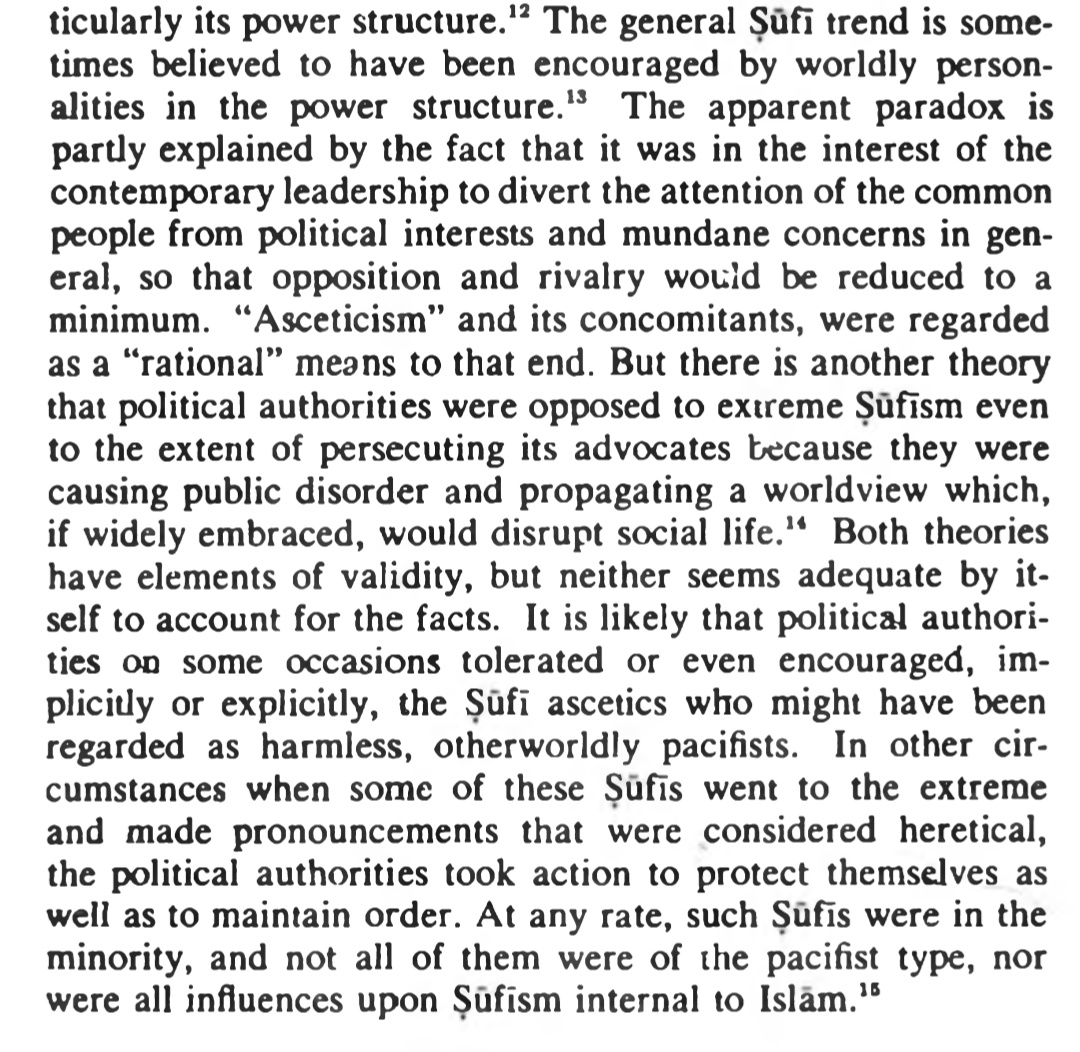
How Mysticism Became State Strategy??
کیا وجہ تھی کہ تاریخِ اسلام کے وہ جابر اور عیاش حکمران، جو خود دنیا پرستی کے عروج پر تھے، اکثر ایسے صوفیاء اور زاہدوں کی سرپرستی کرتے تھے جو دنیا کو لات مارنے کی تلقین کرتے تھے؟
بظاہر یہ ایک تضاد محسوس ہوتا ہے لیکن اگر ہم اس منظرنامے کا جائزہ لیں تو معلوم ہوگا کہ یہ محض عقیدت کا معاملہ نہیں تھا بلکہ ریاستی اقتدار کو طول دینے کا ایک انتہائی ذہین اور مائیکرو اسٹریٹجک مہرہ تھا۔
🔻Strategic Quietism and the Opium of Disengagement:
حکمران طبقے کے لیے یہ بات انتہائی مفاد میں تھی کہ عام لوگوں کی توجہ سیاسی مفادات اور دنیاوی معاملات سے ہٹا دی جائے تاکہ ان کے خلاف اپوزیشن اور حریفانہ سرگرمیاں کم سے کم رہیں۔
جب ایک مقتدرہ (Elite) کرپشن، ناانصافی یا اخلاقی زوال کا شکار ہوتی ہے، تو اسے سب سے بڑا خطرہ عوامی شعور اور بغاوت سے ہوتا ہے۔ ایسے میں اگر معاشرے میں ایک ایسا بیانیہ مقبول ہو جائے جو یہ سکھائے کہ
"دنیا ایک مچھر کے پر کے برابر بھی نہیں، سیاست ایک گندا کھیل ہے، اور اصل کامیابی صرف تنہائی میں بیٹھ کر روح کو پاک کرنے میں ہے"
تو جابر حکمران چین کی بانسری بجاتے ہیں۔
اسے عافیت پسندانہ سکوت
(Quietist Pacifism)
کہا جاتا ہے۔
زہد اور دنیا سے بیزاری کو بطورِ ہتھیار استعمال کر کے عوام کے غصے اور انقلابی توانائی کو مابعد الطبیعاتی دنیا کی طرف موڑ دیا گیا، جس سے تخت کو چیلنج کرنے والے حریف خود بخود ختم ہو گئے۔
🔻When Renunciation Endangers the State:
سیاسی مقتدرہ شدید اور انتہا پسند تصوف کے خلاف تھی یہاں تک کہ اس کے داعیوں کو جیلوں میں ڈالا گیا کیونکہ وہ پبلک آرڈر کو بگاڑ رہے تھے اور ایک ایسا نظریہ پھیلا رہے تھے جو اگر بڑے پیمانے پر اپنا لیا جاتا تو سماجی زندگی معطل ہو کر رہ جاتی۔
لیکن یہ کھیل ہمیشہ پرامن نہیں رہتا تھا۔ جب صوفیانہ تحریکیں انتہا پسندی کی طرف مائل ہوئیں یعنی انہوں نے معاشی سرگرمیوں کا بائیکاٹ اور سماج سے کلی علیحدگی کی وکالت شروع کی تو یہ ریاست کے لیے ایک وجودتی خطرہ
(Existential Threat)
بن گئیں۔
ایک سلطنت کو چلنے کے لیے ٹیکس دینے والے تاجر، زمینوں پر ہل چلانے والے کسان، اور سرحدوں کی حفاظت کرنے والے فوجی درکار ہوتے ہیں۔ اگر پورا معاشرہ ہی تارکِ دنیا ہو کر خانقاہوں میں بیٹھ جاتا، تو معیشت کا پہیہ جام ہو جاتا اور خاندانی نظام تباہ ہو جاتا۔ چنانچہ، ریاست نے صوفیاء پر تشدد کسی مذہبی دشمنی کی وجہ سے نہیں بلکہ انتظامی دفاع
(Administrative Self-defense)
کے تحت کیا تاکہ پبلک آرڈر برقرار رہے۔
🔻The Red Line: Cost-Benefit Jurisprudence
تاریخ گواہ ہے کہ مقتدر طبقے کا رویہ صوفیاء کے ساتھ کبھی بھی یکساں نہیں رہا۔ یہ رویہ ایک
Calculated Risk
کے تحت بدلتا رہتا تھا:
جب تک صوفی 'بے ضرر' رہا اسے سرکاری وظائف دیے گئے، مزارات اور خانقاہیں تعمیر کر کے دی گئیں، کیونکہ وہ عوام کے سیاسی شعور کے لیے ایک لوری کا کام کر رہا تھا جسے سن کر عوام سوئے رہیں۔
جیسے ہی کسی صوفی نے کوئی ایسا وجدانی دعویٰ کیا جس سے مروجہ مذہبی قانون (جس پر ریاست کی قانونی حیثیت قائم تھی) کو خطرہ لاحق ہوا، تو مقتدرہ نے فوراً اسے "غداری" (Treason) قرار دے کر عبرت کا نشان بنا دیا۔
🔻Internal Diversity and Cross-Civilizational Syncretism
بہرصورت، ایسے صوفیاء اقلیت میں تھے، اور وہ سب کے سب پرامن یا گوشہ نشین نہیں تھے، اور نہ ہی تصوف پر اثر انداز ہونے والے تمام عوامل خالصتاً اسلامی تھے۔
یہ تاثر غلط ہے کہ تمام صوفیاء دنیا سے بھاگنے والے تھے۔ ان میں ایک بڑی تعداد ایسی بھی تھی جو سماجی اصلاح، نظامِ عدل کی بحالی، اور جہاد (جیسے سرحدوں پر رباط قائم کرنا) میں پیش پیش تھی۔
اردو