CECA Loather
13.2K posts


I offer a summary. Jap loathing is organic in China and any self respecting ethnic Chinese. The Japs till this day seek to undermine China and the Chinese in the broadest meaning of the word. But Jap loathing of China and the Chinese? I don't think it is organic.

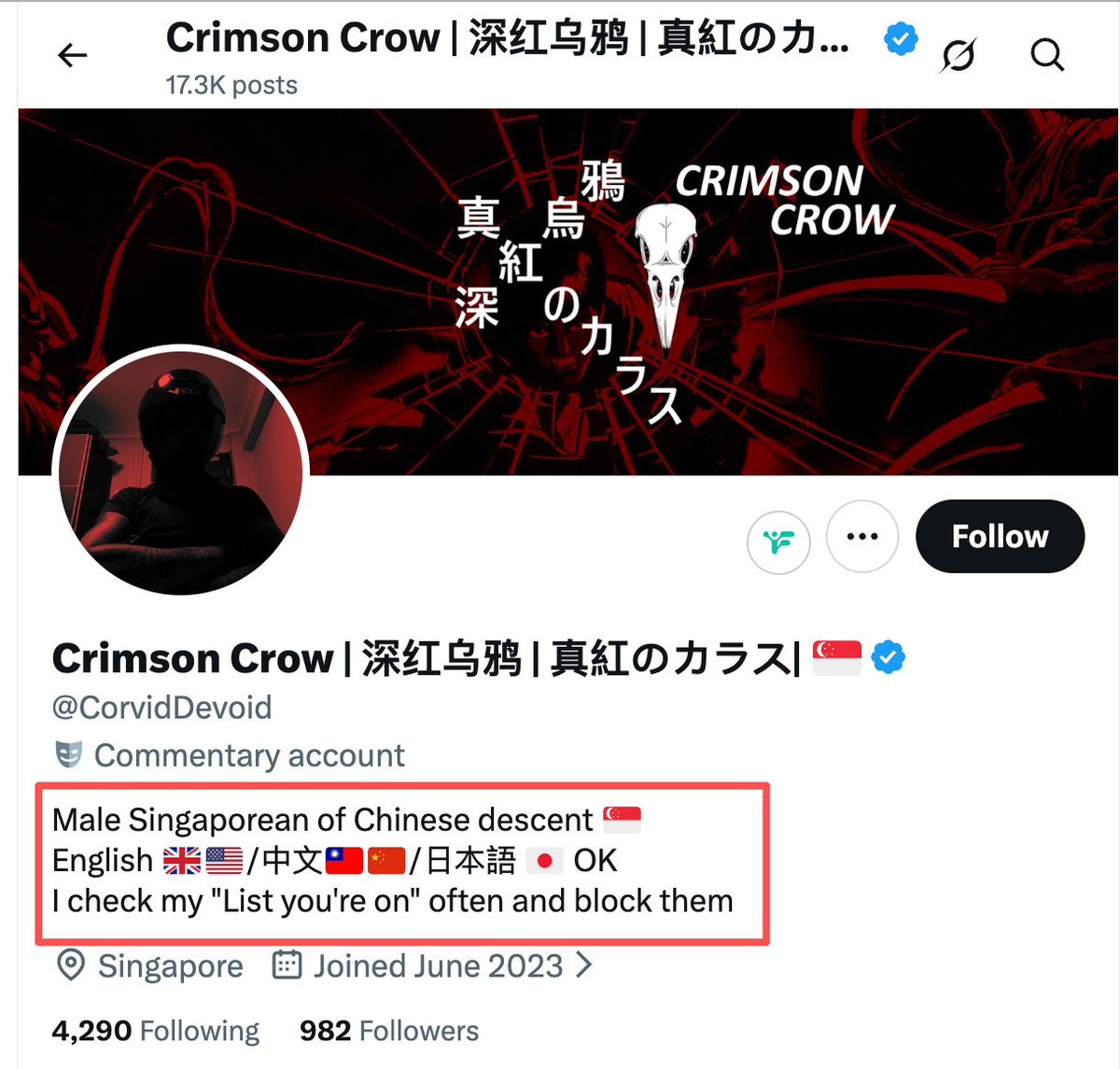
把汉服衍生出来的各国服饰和封建压迫时期的少数民族满族服饰做对比,不知道你安的是什么心😇 汉服如此烫嘴~ 配合他的简介来看更好笑了🤣


You can only choose ONE. No explanation. 🇨🇳 🇯🇵 🇻🇳 🇰🇷

Taiwan has a right to independence from communist china.

The real question is not only why Chinese people have bad impressions of Japan. Chinese people have historical reasons: invasion, occupation, massacres, rape, Unit 731, biological warfare, forced labor, and tens of millions of Chinese casualties. The real question is: Why do so many Japanese people have bad impressions of the Chinese — the people Japan invaded, colonized, raped, experimented on, and massacred? Why is the victim expected to forget, while the perpetrator gets to feel offended by being remembered? Japan spent decades packaging itself as the victim of war, while minimizing the countries it brutalized across Asia. Then when Chinese people refuse to erase that history, suddenly it is called “propaganda.” No. Memory is not propaganda. Historical trauma is not propaganda. The propaganda is Japan pretending its neighbors’ anger was manufactured, instead of earned. So your framing is deeply dishonest. Chinese hostility toward Japan did not appear because Beijing suddenly “managed public opinion.” It has deep historical roots — and modern triggers only made it worse: Yasukuni visits, textbook revisionism, denialism, Fukushima nuclear wastewater, Japan’s alignment with U.S. containment strategy, anti-China security rhetoric, Taiwan provocations, and Japanese politicians openly challenging the postwar order. But your conclusion is: “CCP propaganda.” Convenient. For decades, Japan invested heavily in cultural diplomacy, academic networks, media influence, and “friendship” narratives in China. Many Chinese intellectual circles were far more Japan-friendly than ordinary Chinese public sentiment. That gap was never proof that Chinese anger was fake. It was proof that elite discourse had been softened while public historical memory remained alive. Chinese people do not need propaganda to remember what Japan did. They do not need state media to notice Yasukuni. They do not need Beijing to explain textbook revisionism. They do not need the CCP to feel disgust when Japanese politicians flirt with militarism again. Blaming Chinese opinion on “managed hostility” is just another way of saying Japan should never face the consequences of its own history and behavior. If Japan wants better public sentiment in China, it can start with honesty. Not PR. Not victim theater. Not pretending every Asian memory it dislikes was manufactured by Beijing.


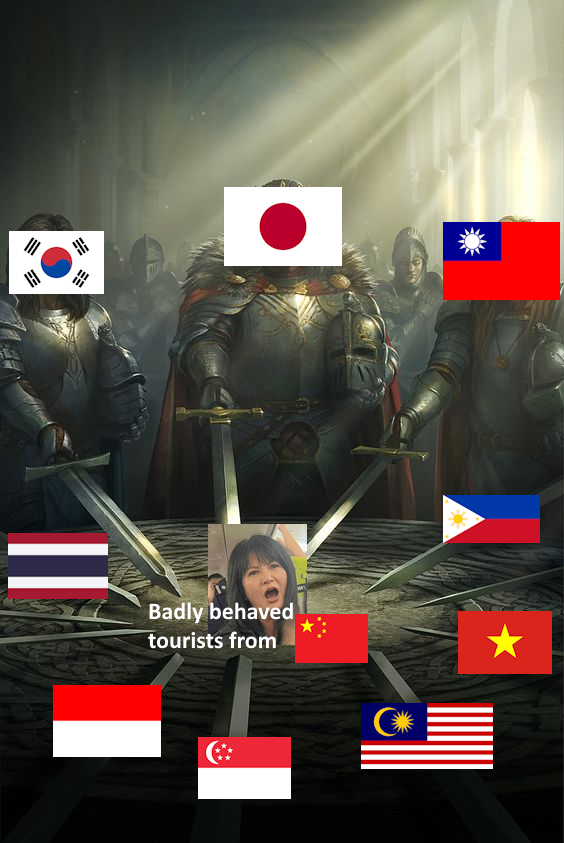
A Chinese 🇨🇳 woman yelled at an Air Asia flight attendant, "Why English?" but in the end, she herself shouted "I am China 🇨🇳 !" in English, and the hilarious contradiction had passengers roaring with laughter 😂 Many people filmed videos and enjoyed the spectacle, and it became a hot topic as a rare incident. Chinese 🇨🇳 people tend to cause trouble wherever they go.


"My view is that India will not catch up with China in the coming decades. But it will outgrow China. India can grow at 6-8% without doing too much while China is around 3%.China's population will drop sharply while India's population will rise," says journalist Ed Luce


英仏主催で、ホルムズ海峡の自由航行を巡る会合が4月17日夜~18日未明(日本時間)にパリで開催。 現地に加えオンラインも李在明大統領はじめ各国首脳が集結しました。 そこで欠席したのが高市首相。17日夜は既に公邸にいたので出席は可能でした。ついに日本の生命線の外交すら手を抜いたのです。


@CecaLoather The Han right-wing is correct, this is the Chinese version of political correctness


This is dumb low IQ Han nationalist discourse. The Manchu did not "fear industrialization." They simply had no idea what "industrialization" was like most of the world. Not even continental Europeans understood it until mid-1800s. They did pursue it after Western invasion, but swift industrialization runs contrary to small agrarian economic order that predominated China. How do you conduct primitive accumulation from the top down? The biggest resistance to industrialization came from the lower strata of the society, not the Manchu ruling class, whose rule in fact collapsed when it tried to consolidate central power, moderne education/bureaucracy, and construct infrastructure with foreign capital assistance. The Late Qing modernization reforms alienated the small peasants, traditional literati intellectuals, and local governors because it tried to do aggressive modernization reforms without popular basis. The early 1900s Qing government was more like the Pahlavi liberal reformers who exacerbated social antagonism of the whole country than some archconservatives resisting modernization.


This is rare in diplomacy: 🇨🇳🇹🇭Thailand’s PM Anutin Charnvirakul personally drove Chinese FM Wang Yi in his BYD EV. Wang is now in Thailand for the meeting. The two countries today agreed to strengthen strategic alignment and enhance cooperation in various fields.