Method Tuuli, MD, MPH, MBA

170 posts

Method Tuuli, MD, MPH, MBA

Method Tuuli, MD, MPH, MBA

@MethodTuuli

OBGYN Physician-Scientist-Executive; Professor/Chair, @Brown University; Chief @Women&Infants Hospital, elected member@NAM **views expressed here are my own**

参加日 Ekim 2020
884 フォロー中1.3K フォロワー
固定されたツイート
Method Tuuli, MD, MPH, MBA
Method Tuuli, MD, MPH, MBA@MethodTuuli·
I am incredibly humbled to be elected to the National Academy of Medicine. It feels surreal to part of this esteemed group. Indebted to my mentors, colleagues, teams, family and all who took a chance on me. @BrownObGyn @womenandinfants @carenewengland @EmoryGynOb @WashU_OBGYN
Method Tuuli, MD, MPH, MBA tweet media
Wafik S. El-Deiry, MD, PhD, FACP@weldeiry

Congratulations to my colleagues @MethodTuuli @BrownMedicine @BrownUniversity, Dr. Bob Vonderheide at @PennCancer, Dr. @BradEBernstein @DanaFarber, @djhazadus @cityofhope, @GeneCollector, Dr. Luis Diaz @MSKCancerCenter, Dr. Steven Leach @dartmouth, @bstockwell, @JenWargoMD on their election to @theNAMedicine

English
31
12
150
23.6K
Method Tuuli, MD, MPH, MBA
Method Tuuli, MD, MPH, MBA@MethodTuuli·
Happened this past weekend. Honored to be inducted into the National Academy of Medicine. I am grateful to family, colleagues, and institutions who took a chance on me. I am grateful. Forward and onward!
Method Tuuli, MD, MPH, MBA tweet media
English
10
10
96
5K
Method Tuuli, MD, MPH, MBA がリツイート
SMFM
SMFM@MySMFM·
We are thrilled to announce the appointment of Dr. William A. Grobman, MD, MBA, as Editor-In-Chief of #Pregnancy. Dr. Grobman will lead the launch of the journal in early 2025. Learn more at smfm.org/journal
SMFM tweet media
English
3
4
29
2.2K
Kathryn Lindley
Kathryn Lindley@DrKLindley·
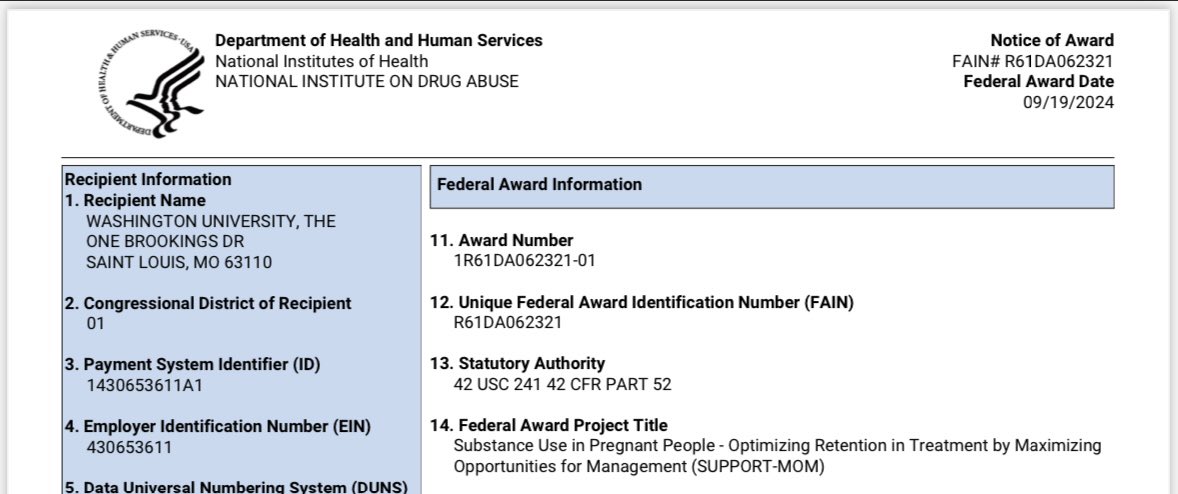
I just received my NOA for my first R01. A day I thought would never come. I took a non-traditional path to research. I study pregnant people. THANK YOU to those who believed in this work and helped make this happen. Let’s go improve women’s health. #cardioobstetrics
English
41
14
254
14.2K
Method Tuuli, MD, MPH, MBA
Method Tuuli, MD, MPH, MBA@MethodTuuli·
Our Perinatal Health Equity Program is expanding, and we are hiring! We are searching for an additional NP to help us advance equitable perinatal health outcomes and experiences. Please apply at: #job" target="_blank" rel="nofollow noopener">carenewengland.hrmdirect.com/employment/job…
English
0
2
15
916
Method Tuuli, MD, MPH, MBA
Method Tuuli, MD, MPH, MBA@MethodTuuli·
@JaimePretellEsq @BrownMedicine I don't know if you are from a minority group or are in medicine, but I tell you, both implicit and explicit racism abound today, even for people like me who have nothing to do with victimhood or dependency.
English
1
0
0
26
Method Tuuli, MD, MPH, MBA
Method Tuuli, MD, MPH, MBA@MethodTuuli·
@JaimePretellEsq @BrownMedicine Thank you. Everything you just outlined is in the causal pathway from historical and current structural racism to maternal mortality. Tell me: Why do black mothers have higher rates of poverty? Why are they more stressed? What caused the epigenetic changes?
English
1
0
0
21
🇵🇪🇺🇸Jaime Pretell, Esq ΑΨΛ🇺🇦🇮🇱
Black women do not have higher mortality rates due to structural racism. Let’s look at the much more likely causes of the higher Maternal Mortality rates in Black women than White women. Poverty: The higher poverty rate among Black women compared to White women is a significant contributing factor to the disparity in maternal health outcomes. In fact, Poverty rate and Maternal Mortality rate disparity numbers are remarkably similar. Poverty can lead to reduced access to quality healthcare, nutrition, and safe living conditions, all of which can contribute to poorer maternal health outcomes. Poverty can restrict access to prenatal care and specialists who can manage chronic conditions. Additionally, financial strain and other poverty related stressors can cause chronic stress, which is linked to a variety of negative health outcomes. Poverty can mean living in areas with higher pollution levels or limited access to safe green spaces, both of which can contribute to health problems. Factors like poor housing, environmental toxins, and limited access to healthy food can contribute to the development of chronic conditions. Limited access to healthy food options can lead to poor nutrition, which can impact both mother and baby's health. Limited resources and chronic stress can make it harder to prioritize healthy behaviors like exercise and sleep, which are important for overall health. Higher rates of stress and limited opportunities can contribute to higher rates of substance abuse in some communities, which can negatively affect pregnancy outcomes. Poverty Lifestyles: Even when individuals move out of poverty, they may retain some unhealthy habits or behaviors that can negatively impact health. If these habits are shared within a community, they can contribute to health disparities. Poverty lifestyles, even after acquiring new wealth, can persist due to cultural and community influences. Unhealthy habits related to behavior, diet, unhealthy eating patterns, and exercise, or lack thereof may persist, affecting maternal health. Comorbidities: Due to poverty and poverty lifestyles, even after leaving poverty, Black women are more likely to have certain comorbidities such as obesity, diabetes, and hypertension, which can complicate pregnancy and increase the risk of maternal mortality. Furthermore, chronic conditions may persist after leaving poverty. Self-fulfilling reality: While individual racism definitely still exists, it is not rampant, nor is there systemic racism in place. But the belief of that rampant racism ends up having self-fulfilling effects. Perception and Stress: The perception of racism, even in the absence of actual racism, can lead to chronic stress, which can have negative health effects. The constant assumption, right or wrong, of being judged or receiving lower quality care due to perceived racism can increase stress hormones and negatively impact health. This stress can further exacerbate existing health conditions and make it more difficult for Black women to have healthy pregnancies. Even if no explicit racism occurs, a perception of being treated differently or having concerns dismissed can lead to stress and anxiety, impacting health outcomes. Black women and other minorities are being taught to believe in the concept of microaggressions. There is a potential downside to the concept of microaggressions. A heightened perception and alertness for microaggressions can make someone overly sensitive to everyday interactions. Comments or actions that aren't intended to be offensive might be perceived as microaggressions, leading to unnecessary conflict or stress. The belief in microaggressions can influence how individuals perceive and interpret actions that may not be intentionally aggressive or antagonistic. Actions that might otherwise be innocuous can be perceived as microaggressions due to heightened awareness and attribution bias will occur. Attribution bias occurs when we attribute negative intent to someone’s behavior, even if it was unintentional. Believing in microaggressions can lead to attributing negative motives to actions that may have been neutral. Preconceptions of racism lead to stress and defensive behavior: When someone enters a situation expecting racial bias, they may feel stressed, anxious, or even angry. This can lead them to be more combative, aggressive, or passive-aggressive during interactions. Chilling effect on communication by the providers: Fear of being perceived as making a microaggression could lead people to avoid certain topics or interactions altogether. This can hinder open communication and understanding. Defensive behavior can be misinterpreted as confirmation bias: Healthcare providers, already under pressure, might misinterpret the defensive behavior as hostility or non-compliance. This can confirm or create implicit biases about the patient group. Implicit bias can lead to unequal treatment: Unconscious biases can influence how healthcare providers interact with patients, potentially leading to less time spent listening to concerns, less thorough examinations, or less empathy. Providers may unintentionally treat future patients based on these biases, affecting care quality. Negative interactions reinforce bad behavior: If a patient feels unheard or disrespected, they may become more defensive or withdraw further, perpetuating the cycle. This cycle disproportionately impacts Black patients: Research suggests that Black patients are more likely to perceive racial bias in healthcare settings. This perception can lead to the defensive behaviors I mentioned, potentially reinforcing negative interactions and implicit biases. Feeling that they are unheard or disrespected by medical professionals, whether true or not, can lead women to be less likely to seek help when they need i and to poor communication about symptoms and concerns, hindering proper care. Finally, there is one other factor that might play a role, Epigenetic Carryover: Epigenetics refers to changes in gene expression that can be passed down from generation to generation without changing the underlying DNA sequence. In short lived biologic forms, I have seen multi, generational epigenetic effects, but not in long lived forms like humans. That doesn’t mean it can’t carry one generation over. Exposure to stress and poor health conditions in the womb can have lasting effects on offspring, even if they grow up in better circumstances. If a mother experiences significant stress or poor health due to poverty or past racism, these experiences could potentially be passed down to her children, impacting their health outcomes as well. Black women experience poverty rates roughly three times higher than White women, but their parents experienced rates that were exponentially higher, added with the Jim Crow era of oppression. Black women who are not currently poor may still carry over health consequences from their parents’ experiences during Jim Crow, and earlier poverty rates. It may take another generation to remove that epigenetic effect.
English
1
0
1
12