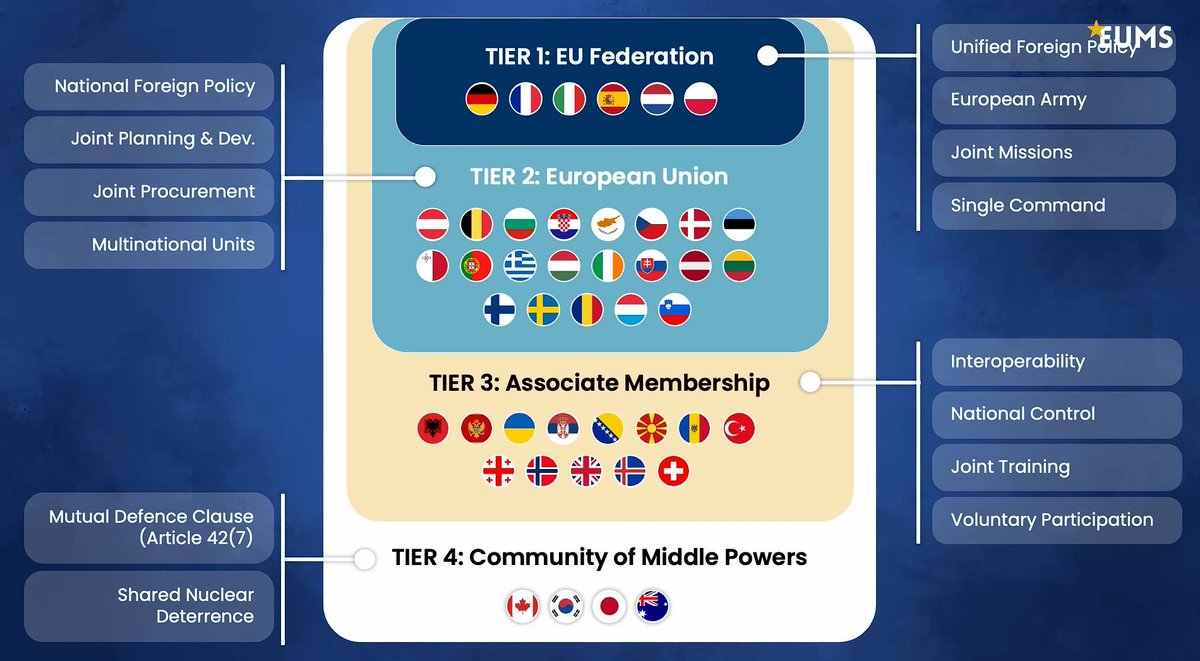
@aa_gilli Il progetto Bromo e il sistema Dome avrebbero solide basi per poter continuare ad esser sviluppati anche in assenza di Cingolani, secondo lei?
Italiano
Alessandro Regge
1.1K posts


La vicenda Leonardo-Cingolani sembra essere finita come piace agli americani. Con Cingolani Leonardo, oltre a potenziare R&D e ad aumentare ordini e utili, si è sempre più integrata nell'industria militare europea, cosa che francesi e tedeschi chiedevano da anni. Questo avvicinamento è uno dei prerequisiti fondamentali per creare una difesa comune europea: se non parti dall'allineamento e dall'integrazione dei principali attori industriali del settore, non potrà mai funzionare. L'Amministrazione Trump, con lo svuotamento e il depotenziamento della Nato, ha agito da catalizzatore di un processo che per forza di cose deve partire da una base industriale. Questa è la posta in gioco sul futuro di Leonardo e della tecnologia militare europea, passo fondamentale per dare forma e sostanza al concetto di autonomia strategica. La domanda da girare alla presidente del Consiglio, in merito alla vicenda, è semplice e brutale: Which side are you on?
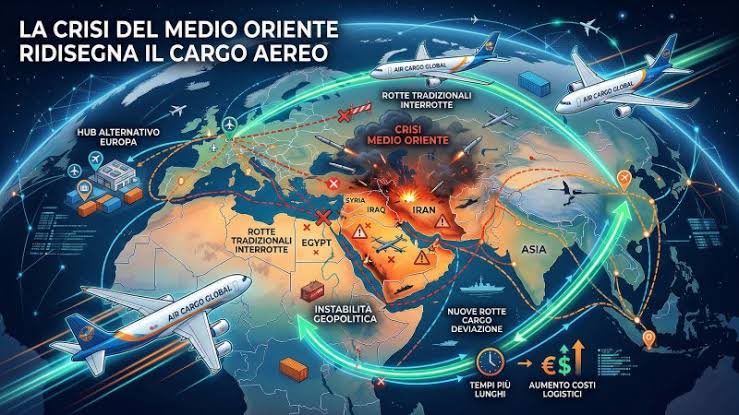
Why Meloni’s Gulf move was smart, timely, and strategically bold. In 90 days, we will assess its effectiveness. On April 3rd, Giorgia Meloni did something intelligent and timely — and it’s worth understanding exactly why. The Strait of Hormuz is partially closed. Oil flows are disrupted. Gas prices across Europe are surging. Qatar’s LNG supplies to Italy have been suspended until at least mid-June. In this scenario, Italy chose to act — fast. Three capitals (Riyadh, Doha, Abu Dhabi). Forty-eight hours. One clear agenda. Meloni became the first EU, G20, and NATO leader to visit the Gulf since the outbreak of the US-Israel-Iran conflict on February 28. It was a precision diplomatic mission, built on decades of relationships that Italy — through ENI, Leonardo, Fincantieri, and a dense network of industrial partnerships — has carefully cultivated across the Arabian Peninsula. The timing gave Italy first-mover advantage. The UAE had already pledged $40 billion in investments in Italy. ENI operates across every country visited. Meloni didn’t arrive empty-handed — she arrived with leverage. Meanwhile, Moscow and Beijing were positioning themselves as crisis mediators. Italy’s initiative sent a clear signal: Europe can still act with purpose and autonomy. Each capital had its own outcome: security frameworks and oil supply talks in Riyadh; LNG crisis management and ceasefire-channel diplomacy in Doha; five signed strategic agreements — energy, technology, defense, industry — in Abu Dhabi. Meloni tells Trump she disagrees with this war. Interviewed by Italy’s leading national broadcaster, Meloni was unambiguous. The transatlantic alliance between Europe and the United States is fundamental. But good allies, she said, are precisely those who know how to disagree openly. And on this war, she told President Trump directly: Italy does not agree with this conflict. That is a significant statement. It positions Italy neither as a passive follower of Washington nor as an antagonist — but as a sovereign allied voice, capable of loyalty and dissent at the same time. Across the Gulf, where every government is watching Washington’s partners with acute attention, that distinction carries real weight. A note of honesty. None of this means the work is done. Supply commitments are political frameworks, not binding guarantees. Industrial agreements take time to become real contracts. And the fundamental question remains: can Italy back Gulf security, supply defense systems, and still stay out of the conflict? That line may eventually become impossible to hold. The credibility of this diplomacy will be measured on implementation — not on the announcement. In a moment of genuine crisis, Italy chose to act rather than wait. It used its relationships, its industrial network, its diplomatic capital. Was it a risky move? Yes. Was it intelligent? The next 90 days will confirm it. But as of today — yes, it was. @EGIC_

Just spoke with President @predsednikrs. Serbian authorities have found a powerful explosive device, along with the equipment needed to detonate it, at critical gas infrastructure linking Serbia and Hungary. The investigation is ongoing. I have convened an emergency defence council for this afternoon.

NATO's Rutte on NATO: NATO is there to protect us collectively against any adversary, be it Russia or whoever, or terrorism. But also it is a platform for the United States to project power on the world stage...

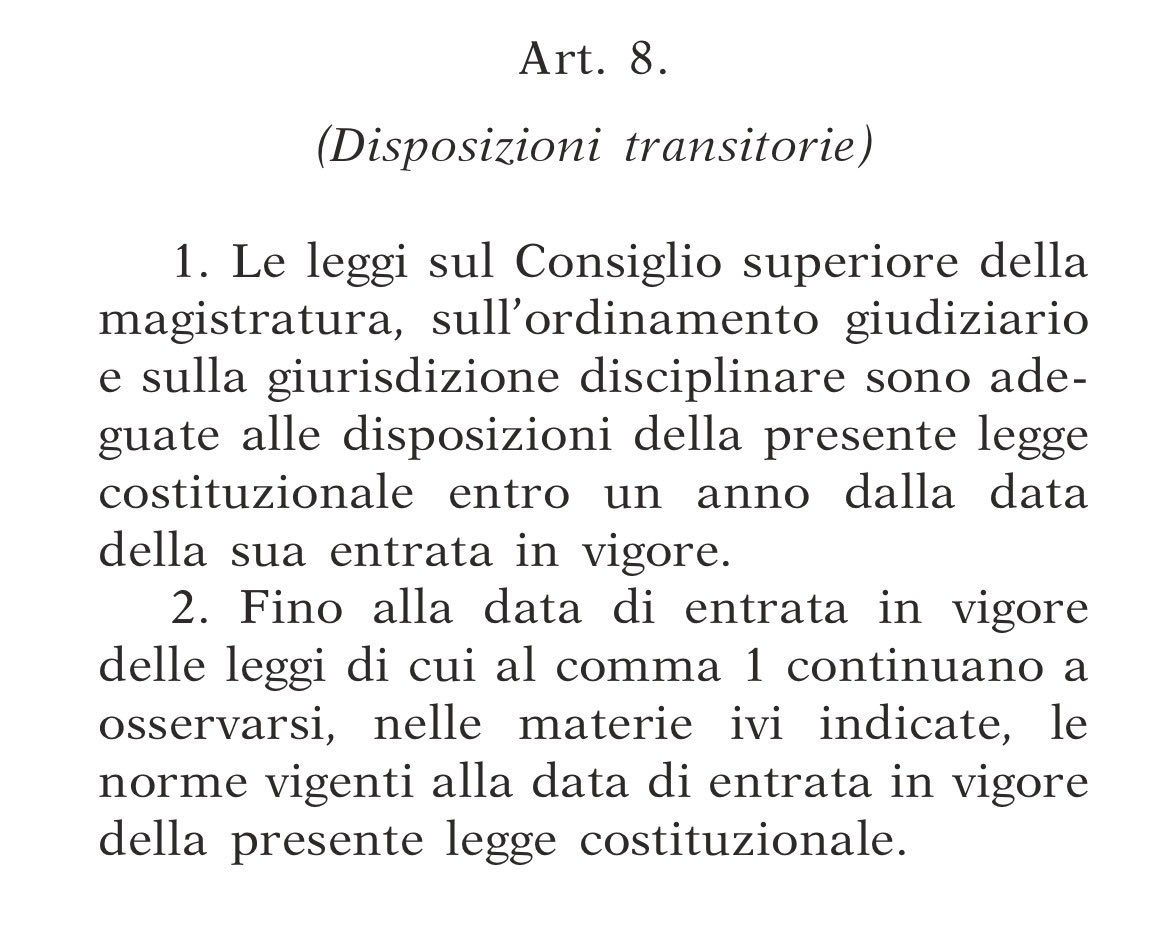
L’ex giudice Nencini: “Se vince il sì cade l’obbligo del quorum e ogni governo potrà scegliere i membri laici del Csm con la sola maggioranza semplice”. @paolofrosina ilfattoquotidiano.it/in-edicola/art…


No, this video isn't real footage from Tehran. It's old 2017 Skirball Fire clips from LA's I-405 freeway (YouTube: Mi067FajpRY), with road signs edited to look Persian. Real oil depot strikes happened in Tehran last night, sparking fires at sites like Rey, but this specific clip is manipulated for clicks.
Microsoft Research + Salesforce just dropped a paper that should scare every single AI builder right now. They tested 15 of the top models (GPT-4.1, Gemini 2.5 Pro, Claude 3.7 Sonnet, o3, DeepSeek R1, Llama 4) across 200,000+ simulated conversations. The results are actually terrifying. If you give a model a single-turn prompt, it hits 90% performance. But if you have a multi-turn conversation? it plummets to 65%. same model. same task. just.. talking normally. The crazy part is that the ai isn't getting dumber (aptitude only dropped 15%). the problem is that unreliability EXPLODED by 112%.. Here is exactly why they break: → they answer before you finish explaining, and those wrong assumptions get baked in permanently → they fall in love with their first wrong answer and just keep building on it → they completely forget the middle of your conversation → longer responses introduce more assumptions, which means more errors Even the new reasoning models failed. o3 and deepseek r1 performed just as badly. giving them extra "thinking tokens" did absolutely nothing. setting temperature to 0? still broken. Every benchmark we celebrate is tested in perfect, single-prompt lab conditions. but real conversations break every model on the market and nobody is talking about it.. The only fix right now? stop chatting. Give your AI everything upfront in one massive message instead of going back-and-forth.