
Daniel Pourbaba

1.9K posts

Daniel Pourbaba banner
Daniel Pourbaba

Daniel Pourbaba

@DPOURBABA

CEO @ Category. A real estate development firm. Affiliates: Category Construction LLC, Category Design Group, Category Management, Inc.

가입일 Temmuz 2009
415 팔로잉3.9K 팔로워
고정된 트윗
Daniel Pourbaba
Daniel Pourbaba@DPOURBABA·
A lot of developer friends ask how we design and build beautiful buildings with budgets that beat far less attractive projects. There are many levers. But most deals quietly die in one place: Structure. Here are some pro tips, particularly for multifamily podium design: Column grid Keep it tight: 24–28 ft max. Go wider and you trigger thicker PT slabs, drop panels, punching shear steel, and endless MEP conflicts. The last one might be the most painful, but the first two are the most expensive. Load path Never shift columns between floors. Transfers = heavier structure, more rebar, slower schedules, real money burned. Don’t approve a schematic design layout before this is flushed out. Slabs & soils Bad soils force thicker slabs, mats, piles. Foundation costs can jump 2–3×. Choose sites carefully. Get good soils. Expansive soils? We’re out. MEPs Stack wet walls. Have dedicated plumbing walls with no structural value. Lock sleeves early. Another killer: Bathrooms over columns or even electrical rooms. Late MEP coordination are how “on-budget” jobs blow up in the field. Shear & hold-downs Maintain continuous exterior wall zones (~12–16”) from podium to roof. Clean load paths = less steel, simpler inspections, better seismic performance. Wood framing Align shear walls with column grids. Misalignment adds transfer forces and structural weight you don’t get paid for. Again, don’t even go past schematic phase until this is sorted out. Only exception. Facade area. Cost effective constructions isn’t about cheap finishes. They’re about disciplined structure, driven by architectural design logic. Get this right, you’re half way there. Get it wrong, no amount of value engineering will save you.
English

16
23
444
82.2K
Real Estate Lawyer
Real Estate Lawyer@SinaiLawFirm·
One thing I really dislike doing is telling a buyer in escrow to back out of the deal. I don't want to develop a reputation of a deal killer. At the same time the tenant is a co-living company with a lot of red flags so it has to be done.
English
5
0
40
2.1K
Real Estate Lawyer
Real Estate Lawyer@SinaiLawFirm·
The just cause ordinance in the City of LA has some very narrow exclusions, but a notable one are properties owned and operated by HACLA (Los Angeles City Housing Authority) The city excluded itself from its own renter protection laws
English
20
27
247
13K
Joe Cohen
Joe Cohen@CohenSite·
@DPOURBABA This one is in Van Nuys, but I've seen a number of these proposed, mostly in the Valley
English
1
0
3
366
Tovi
Tovi@tovihomie·
GREAT NEWS Our firm's 2136 Westwood Blvd. project just got its Building Permit R.T.I. this past tuesday 3/31/26. 77 new apartments will soon break ground in the heart of Tehrangeles. Westwood Blvd. between Santa Monica & Olympic.
Tovi tweet media
English
12
1
28
2.2K
Dylan Kendall Ⓥ
Dylan Kendall Ⓥ@dylankendall·
Proud to share this also. Hollywood is our city's biggest shame - a neighborhood which is the physical embodiment of our city's brand instead is boarded up, with visible street decay. The issue is structural and will never be solved with string lights and painted utility boxes and yet that is all those who hold on to Hollywood tight continue to argue for - more string lights ... {sigh}. Our city isn't working and we need leadership willing to stay the quiet things out loud and then follow up with solutions. Thank you Daniel.
Daniel Pourbaba@DPOURBABA

We can’t keep sitting around as our beloved city falls apart. Hugo is a big reason for the expanding decay (especially in Hollywood). Dylan is a very strong (and kind) antidote. Bravo @moseskagan I am extending the same offer. DM me a receipt of your donation and let’s set up a call and talk shop! Please.

English
2
5
28
1.6K
Maria Davidson
Maria Davidson@MariaDavidson·
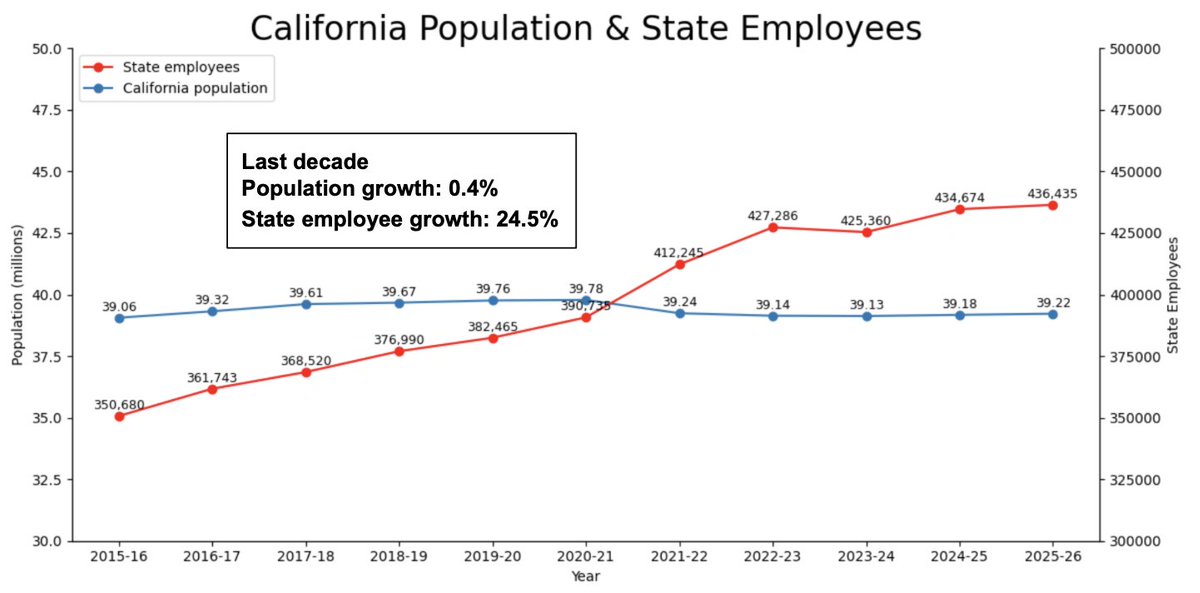
California's population grew 0.4% in the last decade. The number of state employees grew 24.5%. Total state spending grew 48%, inflation adjusted. You have to ask - where did all the money go?
Maria Davidson tweet media
Kenneth Schrupp@kennethschrupp

Newsom has nearly doubled state spending, but where has the money gone? Our latest @CityJournal California report explains how $180B or more of taxpayer funds appears to have evaporated into the hands of fraudsters and criminals.

English
1.3K
5.2K
20.1K
17.9M
Daniel Pourbaba
Daniel Pourbaba@DPOURBABA·
@otter401 @moseskagan You also can’t build what you want. Layouts are compromised, floor plans are compromised, space is left on the table. So even if comparing price per foot, you get less usable feet with modular. Hidden cost. There are exceptions, but they are exceptions.
English
1
0
5
194
John Otter
John Otter@otter401·
Modular housing seems to be the topic du jour these days. The energy for the discussion is coming from academics and politicians who don't know the numbers, not from developers/contractors who do know the numbers. The article below talks a lot about modular, but never delves into the numbers. The Terner Center report (which I participated in) is similarly silent on the numbers. Here's the bottom line with modular: The numbers are what matters. Housing projects will get built using modular construction if modular can actually deliver a cost savings (both direct hard costs and time related costs). If modular cannot deliver a cost savings it won't be used by developers. Academics, policy orgs and politicians take it as a matter of faith that modular construction delivers cost savings; "it's built in a factory ergo it must be less expensive". Unfortunately, the reality is quite different. Except for one particular niche (described below), modular is at best breakeven with site built construction, or more expensive than site built construction. At least in California. I wish this wasn't true. I'd love for modular to deliver a cost savings. But it doesn't. Non union modular factory: -SoCal (non-prevailing wage project): modular is significantly more expensive than site built construction. -SoCal (prevailing wage project): modular is still meaningfully more expensive than site built construction. -SoCal non-union factory conclusion: No one should expect modular construction will be used in SoCal after the passage of new pro-modular laws. -NoCal/Bay Area (non-prevailing wages project): Modular is breakeven against site built costs. That's better than SoCal, but there's no reduced costs compared to current site-built hard costs. Given the unique hair and add'l complexity of doing modular it needs to be less costly, not just breakeven in order for developers to do projects using modular -NoCal/Bay Area (prevailing wage project): This is the one niche where modular (built in a non-union factory) does in fact generate a cost savings. It works as an arbitrage against on-site union/prevailing wage requirements that have resulted in the $1M/unit cost for "affordable" projects. Modular will continue to be used in this niche, albeit the numbers are small. -NoCal non-union factory conclusion: modular will continue to be a better alternative for housing projects that have a local or state prevailing wage requirement. Projects that do not have a prevailing wage requirement (most housing projects) for the most part will not be built with modular Union modular factory: Factory OS (they have since become insolvent because they couldn't sell modules with their pricing structure) provides the benchmark for pricing. -SoCal (non-prevailing wages project): union factory pricing doesn't work at all --SoCal (prevailing wage project): union factory pricing doesn't work at all -NoCal: (non-prevailing wage requirement): union factory pricing doesn't work at all -NoCal: (prevailing wage requirement): union factory pricing doesn't work at all. By way of background I believe I'm likely the first housing developer to try modular construction in the recent era. I built my first modular project (180 units) in San Jose in 2006/2007. My last modular project (444 units) was built in 2012/2013 also in San Jose. I've continued to work hard on modular along with factories/onsite construction teams ever since, including a very recent deep dive into pricing, trying get the numbers to work. But they haven't. My opinions here are based on actual experience in this space. And a final request of the academic/policy org community. Don't publish studies about modular that don't contain or speak to the hard numbers. This space is all about the numbers. All other considerations are secondary.
Arpit Gupta@arpitrage

We start with the basic problem: due to a number of overlapping frictions, housing construction is prone to boom-bust cycles and fragmented markets. This results in a capital-light, contractor-heavy model of on site construction which has seen *negative* productivity growth

English
17
15
115
22K
Daniel Pourbaba
Daniel Pourbaba@DPOURBABA·
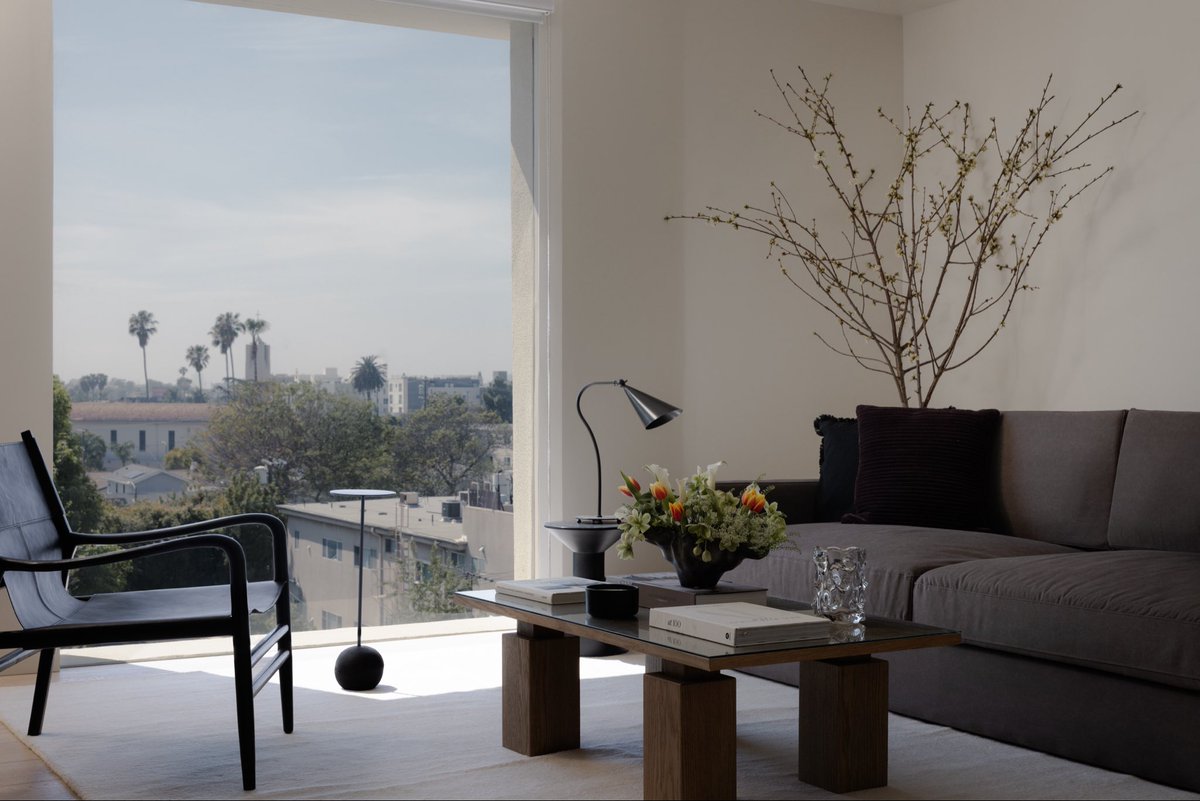
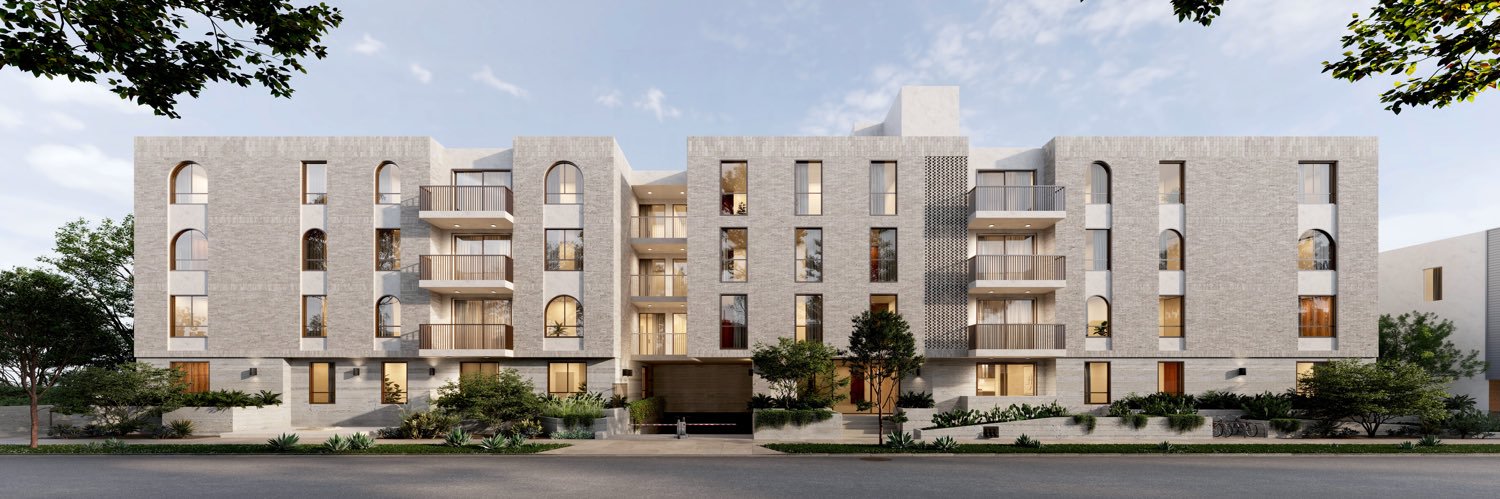
The biggest lie in housing: “You can’t build beautiful apartments without blowing the budget.” You can. West LA. Just delivered. Soft tones, quality materials, and quiet luxury. Not the result of spending more — But executing more with less.
Daniel Pourbaba tweet media
English
24
4
98
9.8K
Julie Chang
Julie Chang@JulieChangRE·
Yes! We should stop accepting ugly real estate I’ve asked multiple large developers and national builders in working with them to produce market feasibility studies. Why is so much new construction same same, or not focused on high design or usability or experiential lifestyle? Some variation of the same answer is - we are 20 years behind in this industry and in some locations / states we’re 30 years behind And then there are some developers and builders who get it and are working to introduce projects that are pretty, functional, focused on how people want to or must interact with the built world in their daily lives.
Daniel Pourbaba@DPOURBABA

The biggest lie in housing: “You can’t build beautiful apartments without blowing the budget.” You can. West LA. Just delivered. Soft tones, quality materials, and quiet luxury. Not the result of spending more — But executing more with less.

English
2
1
13
2.1K
Daniel Pourbaba
Daniel Pourbaba@DPOURBABA·
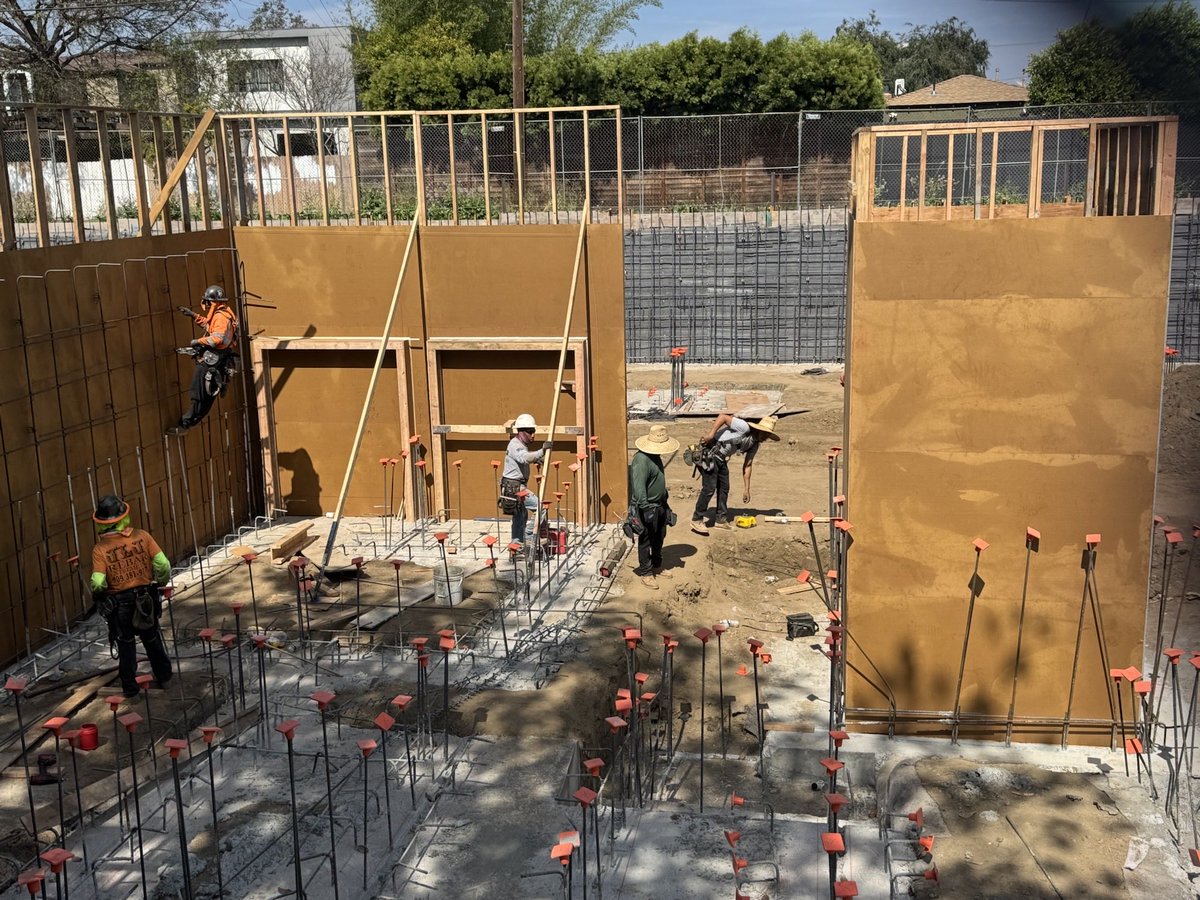
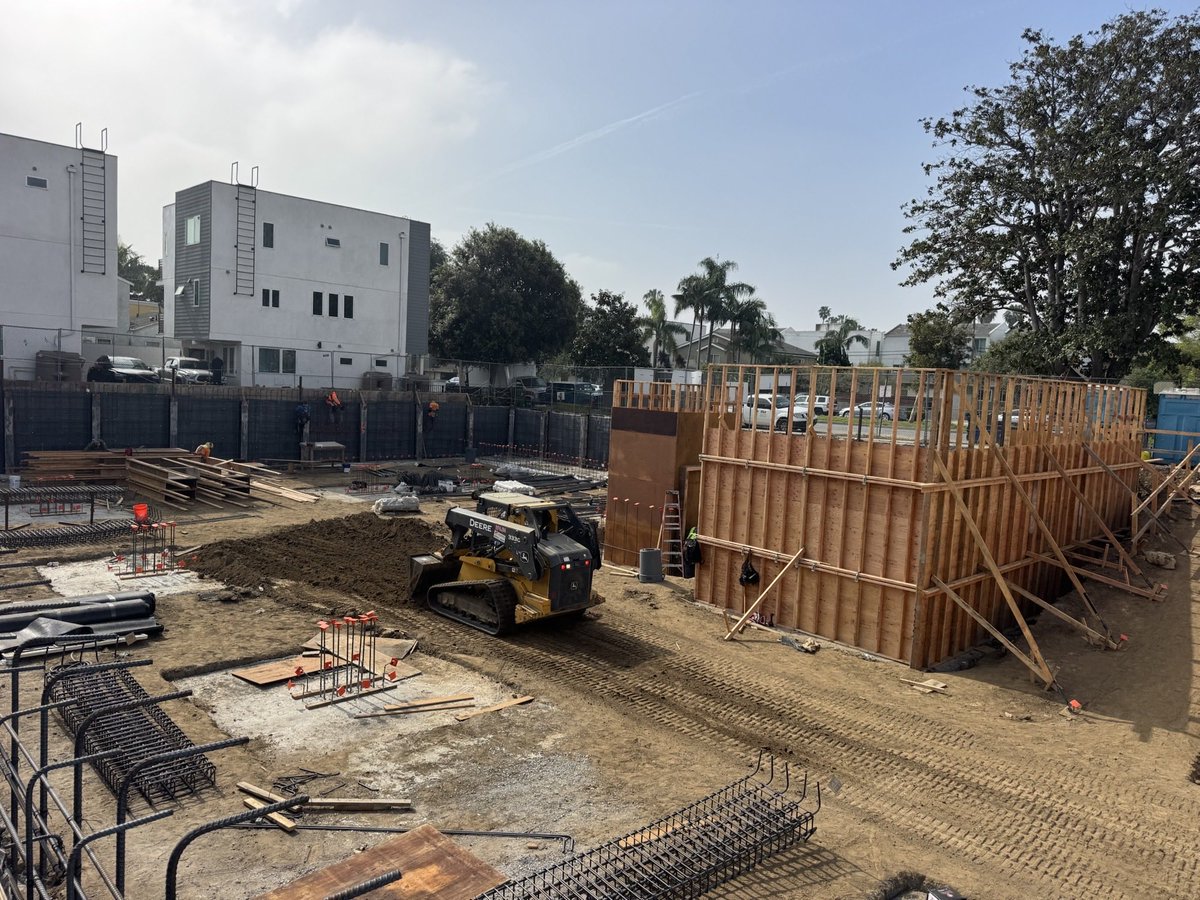
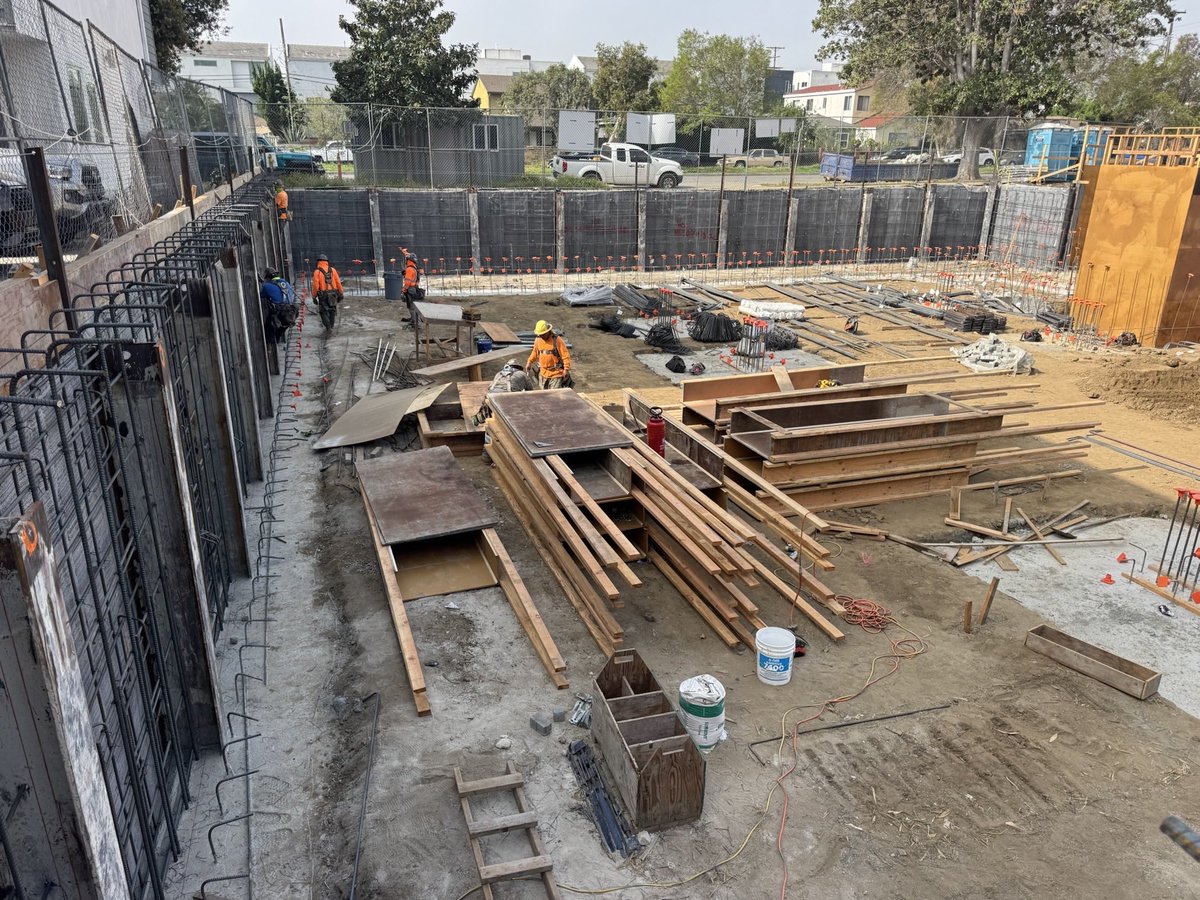
The symphony continues. Starting to see the music. Feat. Slauson by Category
Daniel Pourbaba tweet mediaDaniel Pourbaba tweet mediaDaniel Pourbaba tweet mediaDaniel Pourbaba tweet media
English
0
0
15
1K
Julie Chang
Julie Chang@JulieChangRE·
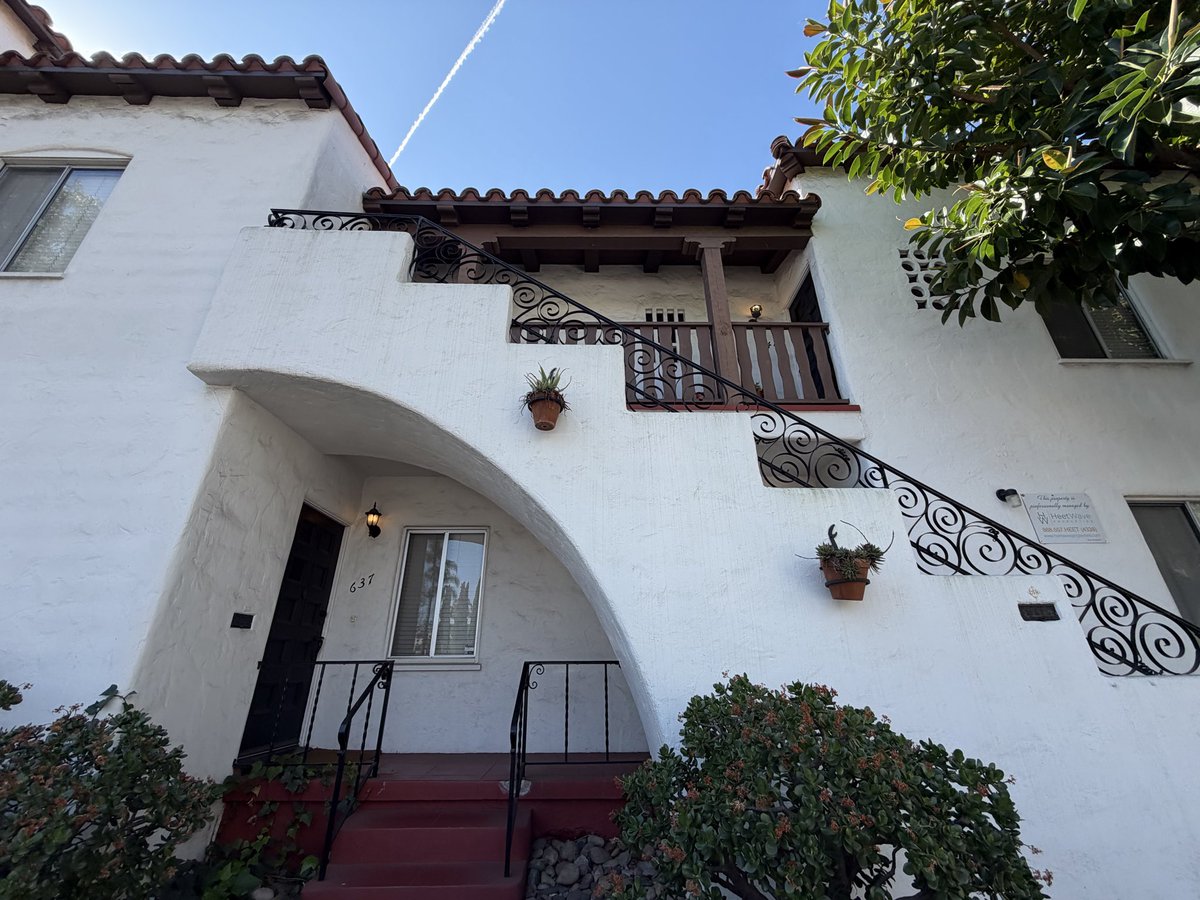
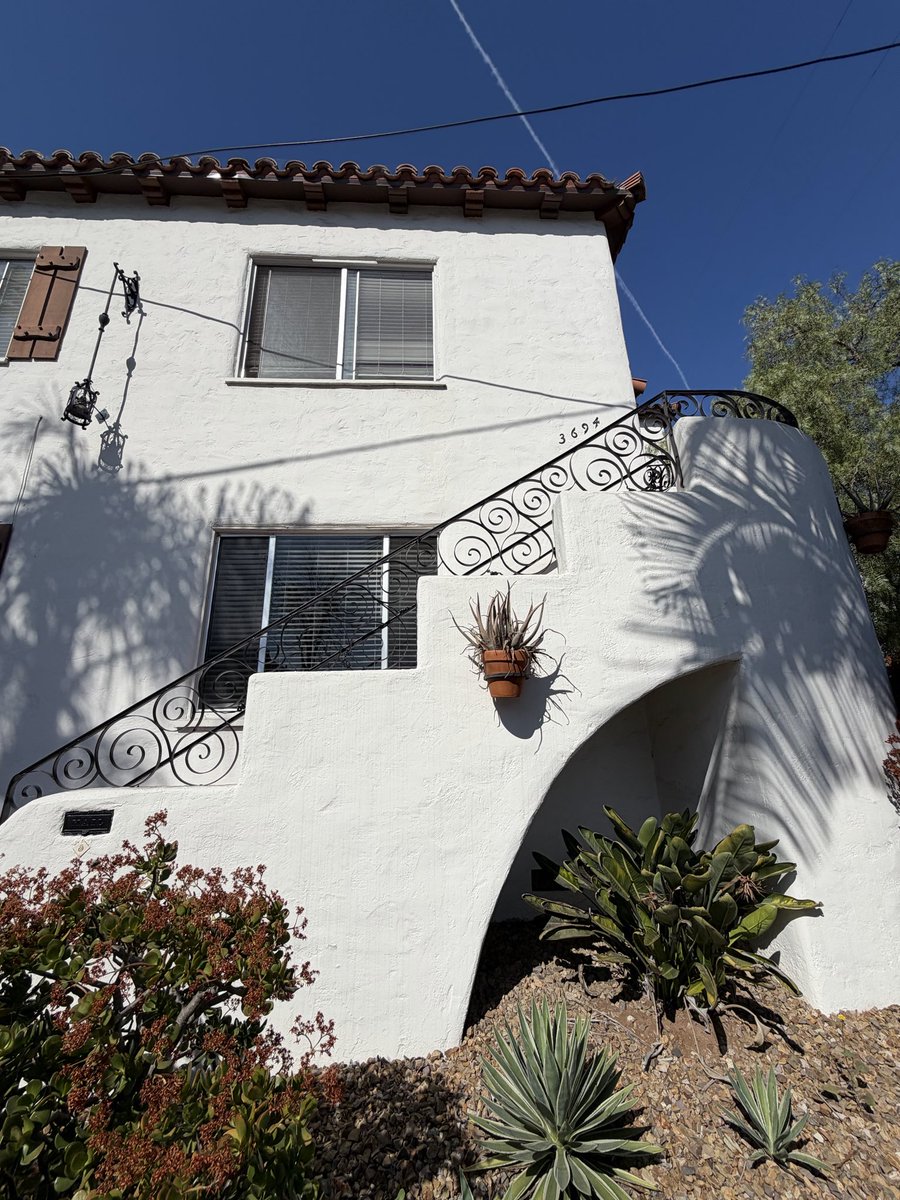
We don’t build apartment buildings like this anymore
Julie Chang tweet mediaJulie Chang tweet mediaJulie Chang tweet media
English
12
3
139
6.6K