Literacy Lass ๐Ÿ’—๐Ÿ“š

16.1K posts

Literacy Lass ๐Ÿ’—๐Ÿ“š banner
Literacy Lass ๐Ÿ’—๐Ÿ“š

Literacy Lass ๐Ÿ’—๐Ÿ“š

@LassReading

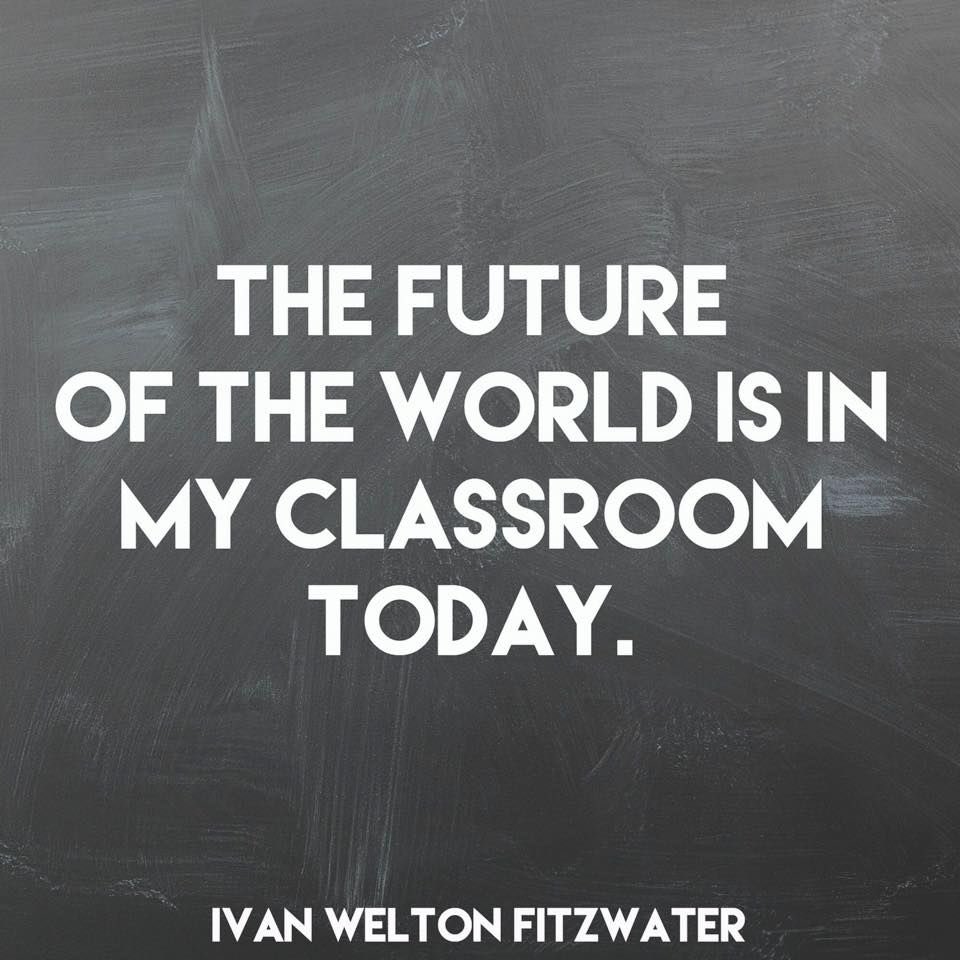
Avid reader, passionate teacher, lifelong learner, mom of boys. โ€œThe future of the world is in my classroom today.โ€ โ€“ Ivan W. Fitzwater

๊ฐ€์ž…์ผ Temmuz 2018
624 ํŒ”๋กœ์ž‰688 ํŒ”๋กœ์›Œ
Literacy Lass ๐Ÿ’—๐Ÿ“š ๋ฆฌํŠธ์œ—ํ•จ
Ms. Benison-
Ms. Benison-@BenisonMrsยท
Ms. Benison- tweet media
ZXX
2
5
31
741
Literacy Lass ๐Ÿ’—๐Ÿ“š ๋ฆฌํŠธ์œ—ํ•จ
Karen Vaites
Karen Vaites@karenvaitesยท
"Absurd" From the woman who developed a viral, virtually-free phonics program, and actually bothered to do research to demonstrate its effectiveness.
Holly Lane@HollyLanePhD

@karenvaites @dwofthepeople @0Beanie05923291 The processes for getting on most state lists are absurd. They rely on criteria that don't matter and ignore criteria that do.
English
5
8
37
4.8K
Literacy Lass ๐Ÿ’—๐Ÿ“š ๋ฆฌํŠธ์œ—ํ•จ
Karen Vaites
Karen Vaites@karenvaitesยท
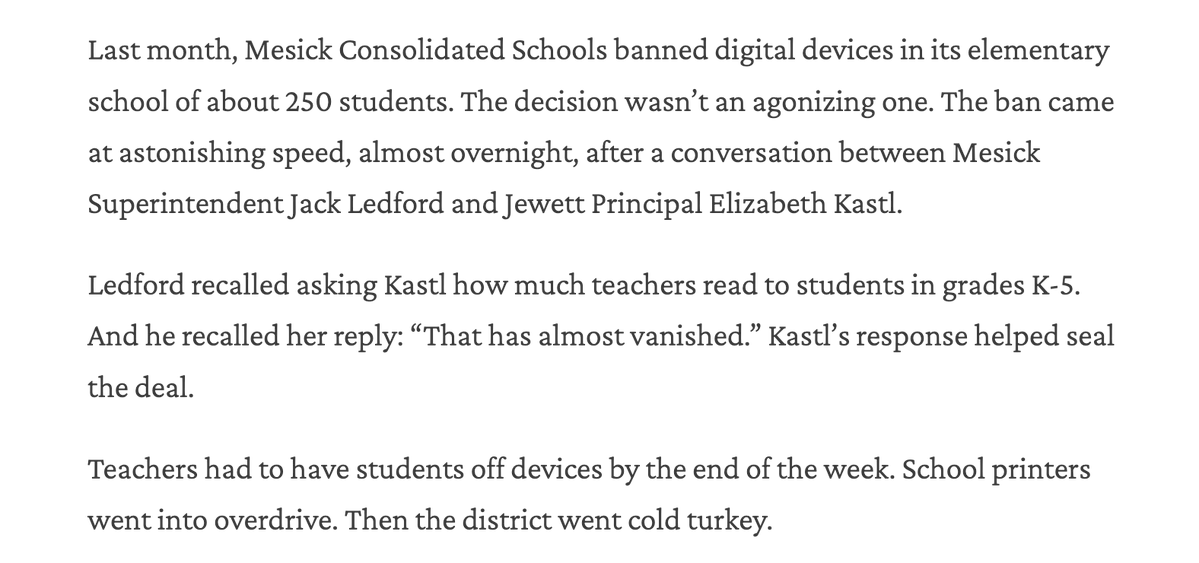
A Michigan superintendent learned that reading in K-5 had "almost vanished." Then, devices were banned "almost overnight" in @MesickSchools. @lilyalta reports. @JonHaidt gets mentions.
Karen Vaites tweet media
English
4
33
147
5.8K
Literacy Lass ๐Ÿ’—๐Ÿ“š ๋ฆฌํŠธ์œ—ํ•จ
Karen Vaites
Karen Vaites@karenvaitesยท
Boston University is recruiting participants for a study of different tutoring modalities. From @MeganGierka: โ€œThe study is open to first and second grade students in the U.S. who speak English. Participation is remote (with optional in-person implementation in partner settings). The intervention involves 1 to 1.5 hours per week for 10 weeks. The goal of this study is to understand how different types of reading support help children learn. We are comparing AI-supported tutoring with Amira, one-on-one human tutoring, and non-literacy activities or business-as-usual instruction to evaluate what works best for different students.โ€ @MissyPurcell @Veggievangelist @brett_tingley @SFParents @KJWinEducation @Parents4RJ @NationalParents @DDyslexiaCT @DDCalifornia
Karen Vaites tweet media
English
1
4
11
1.2K
Literacy Lass ๐Ÿ’—๐Ÿ“š ๋ฆฌํŠธ์œ—ํ•จ
Daniel Willingham
Daniel Willingham@DTWillinghamยท
New article from E. D. Hirsch and me on (1) the evidence for the importance of knowledge in reading; (2) why itโ€™s taken so long for people to acknowledge the evidence; (3) what we predict if the role of knowledge is taken seriously. educationnext.org/rediscovering-โ€ฆ
English
11
190
522
67.2K
Literacy Lass ๐Ÿ’—๐Ÿ“š ๋ฆฌํŠธ์œ—ํ•จ
Doug Lemov
Doug Lemov@Doug_Lemovยท
"Our lack of a systematic, sequential, & shared curriculum induces low literacy & low wisdom. That poses a deep danger to civic competence and thus to democracy itself." Tour de force by Willingham & Hirsch. educationnext.org/rediscovering-โ€ฆ
English
2
32
97
5.4K
Literacy Lass ๐Ÿ’—๐Ÿ“š ๋ฆฌํŠธ์œ—ํ•จ
Karen Vaites
Karen Vaites@karenvaitesยท
@oliviajune82 โ€œCan you prove books in curriculum are better than passages?โ€ Me:
GIF
English
1
2
13
2.5K
Literacy Lass ๐Ÿ’—๐Ÿ“š ๋ฆฌํŠธ์œ—ํ•จ
Megan Gierka
Megan Gierka@MeganGierkaยท
๐ŸŽ‰NOW RECRUITING! The goal of this study is to understand how different types of reading support help children learn. We are comparing AI-supported tutoring with Amira, one-on-one human tutoring, and non-literacy activities or business-as-usual instruction to evaluate what works best for different students. The study is open to first and second grade students in the U.S. who speak English. Participation is remote (with optional in-person implementation in partner settings). The intervention involves 1 to 1.5 hours per week for 10 weeks.
Megan Gierka tweet media
English
1
12
23
2.3K
Literacy Lass ๐Ÿ’—๐Ÿ“š ๋ฆฌํŠธ์œ—ํ•จ
Karen Vaites
Karen Vaites@karenvaitesยท
This is a good thread on the debates about how we translate assessment results to โ€œgrade levelsโ€. Itโ€™s specific to the assessment of adults behind @mattyglesiasโ€™s observation about adult reading levels. But there are debates (and misunderstandings) about how to translate the NAEP and other assessments, too.
Elliot Haspel@ehaspel

While I generally agree with @mattyglesias' Slow Boring piece today about pundits embracing a self-awareness of being out-of-touch from 'typical' Americans, I want to challenge this particular assertion -- it's not quite accurate.

English
0
3
11
1.8K
Literacy Lass ๐Ÿ’—๐Ÿ“š ๋ฆฌํŠธ์œ—ํ•จ
margaret mckeown
margaret mckeown@margaretmckeow2ยท
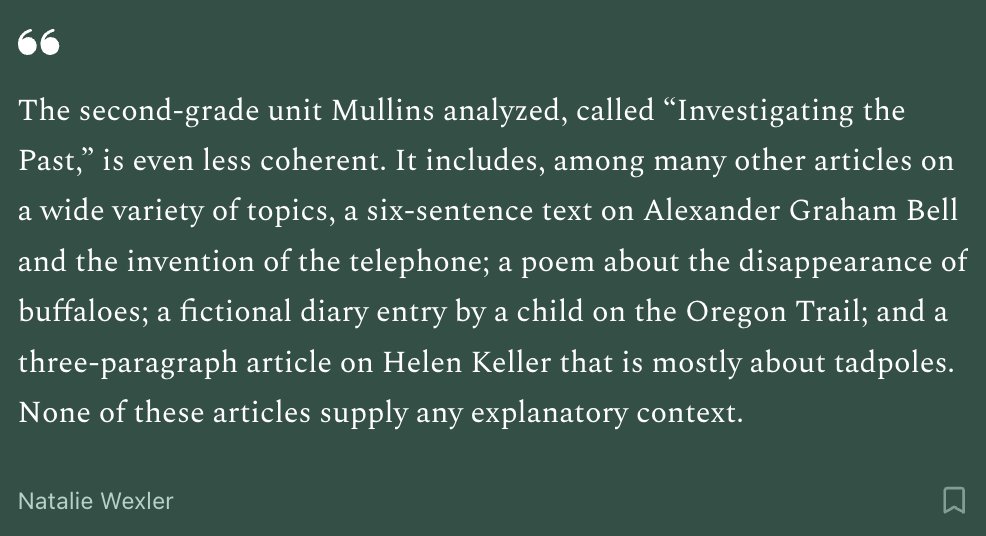
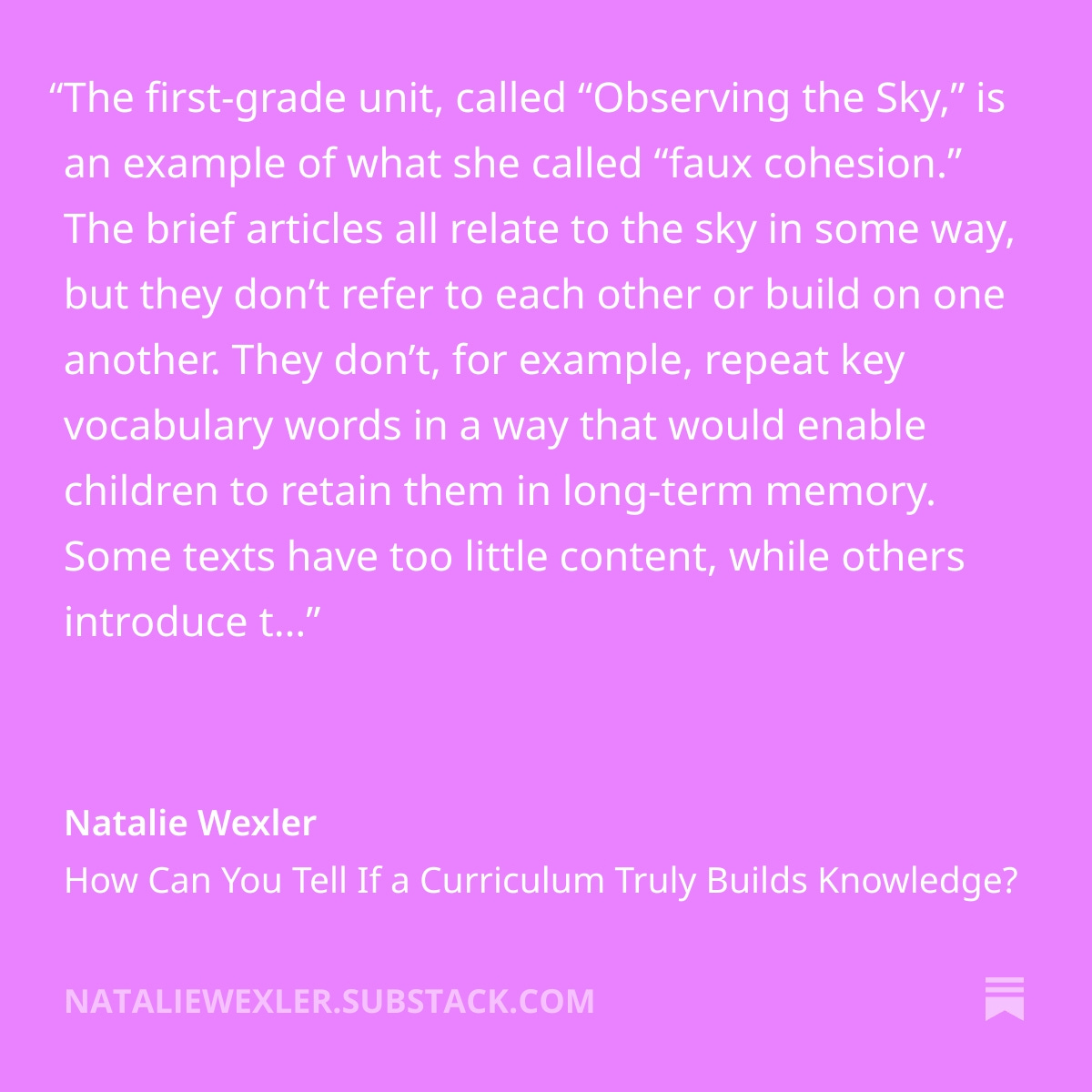
Whoa! Are programs still using empty themes?? This โ€˜faux cohesionโ€™ in goes back decades, from when Isabel Beck and I were analyzing programs. Come on, do better.
Carl Hendrick@C_Hendrick

This is a very good example of "knowledge-rich gone wrong." Building knowledge is a cumulative enterprise not additive. @natwexler @oliviajune82 open.substack.com/pub/nataliewexโ€ฆ

English
5
5
26
3.7K
Literacy Lass ๐Ÿ’—๐Ÿ“š ๋ฆฌํŠธ์œ—ํ•จ
Karen Vaites
Karen Vaites@karenvaitesยท
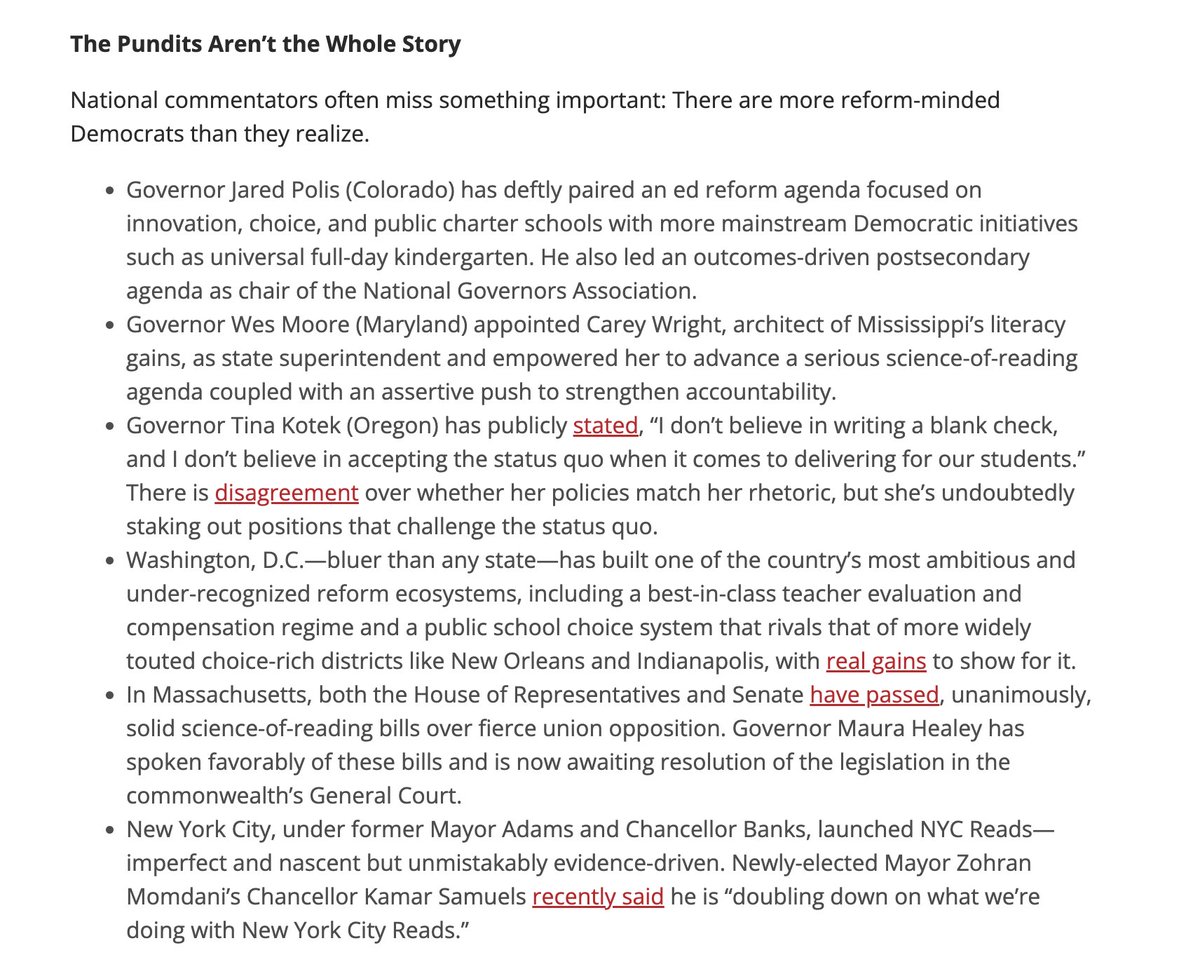
This is my favorite section of @CharlesBarone's piece on how the Democrats lost their way on education. Yet it illustrates the limitations of using politics/policy as a barometer for anything. Barone is right: there are reformers on this list. Dem reformers! And there is a lot of forward progress, too. BUT... the devil in the details matters, and many of these wannabe reformers have execution issues holding back their progress. For example: - Colorado has mediocre curriculum in many districts thanks to a flawed state list. On the NAEP, Colorado's 4th grade reading proficiency is down relative to 2019, and dropped again 2022 to 2024. - Oregon has a Dept of Ed that likes to dole out $$ and is practically allergic to accountability. Oregon district leaders say this about its Science of Reading reforms. On the NAEP, Oregon's reading outcomes have tanked since the 2010's, and it's down relative to peers and the national average. There are bright spots in Oregon. Portland instituted district-level reforms that look like... wait for it... Louisiana's and Tennessee's! Two years into work with new book-rich, knowledge-building curriculum, the district is seeing small gains on the state assessment. You never see this detail in national media (nor Baltimore's somewhat-comparable story). - In NYC, the reading initiative is well-intentioned and broadly well-structured, but the district let one crummy curriculum onto its allowable list and most schools picked it. Parents and teachers both dislike it, and if Samuels did one thing, he should consider replacing it, so all choices are of higher quality. Policy isn't progress, folks. "Reformer mindset" does not translate to reading gains. For clarity, I don't fault Barone for not including this detail. Very little in the media-and-edreform ecosystem is surfacing these granular, execution-level details... so the conversation stays at the "pundit level". Witness allll the people shouting that Mississippi "just did phonics" and magic happened. We need to find a way to get more clarity on the finer details that distinguish MS/LA/TN/AL's execution (not just their policies), or the follow-the-Southern-Surge era will disappoint. And politicians will continue to get participation trophies for their eloquence, when what we really need is execution.
Karen Vaites tweet media
English
4
5
16
2.1K
Literacy Lass ๐Ÿ’—๐Ÿ“š ๋ฆฌํŠธ์œ—ํ•จ
Athenaeum Book Club
Athenaeum Book Club@athenaeumbcยท
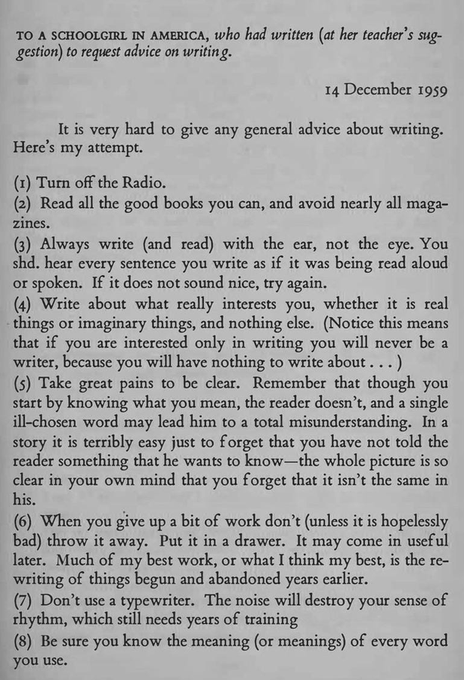
C. S. Lewisโ€™s advice to a young schoolgirl on how to become a better writer:
Athenaeum Book Club tweet media
English
96
3.7K
19.2K
457.8K
Literacy Lass ๐Ÿ’—๐Ÿ“š ๋ฆฌํŠธ์œ—ํ•จ
Karen Vaites
Karen Vaites@karenvaitesยท
One of the challenges with knowledge-building, in my experience, is that people only know what a good knowledge-building curriculum looks like if they have seen one or more. If they have only seen other programs, they tend to buy into the idea that knowledge building curriculum is simply โ€œanything with nonfiction in it.โ€ This is why posts like @oliviajune82's (and @laurapatranella's earlier this year) are so important. They make the details tangible. I love seeing @natwexler diving into the detailsโ€”and critically, noting the curriculum review landscape issues that enable these misconceptions. Do read until the end for concerns that I very much share.
Karen Vaites tweet media
English
3
8
19
1.8K
Literacy Lass ๐Ÿ’—๐Ÿ“š ๋ฆฌํŠธ์œ—ํ•จ
Reads with Ravi
Reads with Ravi@readswithraviยท
This is good news. The antidote for brain rot is books.
Reads with Ravi tweet media
English
126
1K
6.2K
170.2K
Literacy Lass ๐Ÿ’—๐Ÿ“š ๋ฆฌํŠธ์œ—ํ•จ
Karen Vaites
Karen Vaites@karenvaitesยท
This is a smart post from @mattyglesias, especially the part about the Ed Tech backlash being a symptom, not necessarily THE malady. I say that as someone with an anti-Ed Tech bent, because most of the first-generation Ed Tech was well-marketed garbage. Iโ€™d classify this moment as a backlash against Stuff That Didnโ€™t Work (including but not exclusive to Ed Tech), witnessing the revolt against Balanced Literacy curricula... which is now being followed by a backlash against overly-conceptual-and-discourse-oriented math curricula, overly-complex phonics curricula, oral-only phonemic awareness programs, and I-could-go-on. Mind you, iReady is not a good tool for instruction! We just published a piece on the issues over at the Curriculum Insight Project: curriculuminsightproject.substack.com/p/were-ready-tโ€ฆ As important as it is to root out things that donโ€™t work (whether itโ€™s Ed Tech or a flawed curriculum), the equally-important question is: What are schools supposed to replace it with? Which brings me to my concern about the accountability-can-fix-it thesis. The accountability theory of change assumes that schools know what to do to raise outcomes, and if we just put the right carrots or sticks in place, they will do it. I donโ€™t actually believe thatโ€™s the case, writ large. The embrace of crummy programs is a symptom of an education ecosystem where educators receive (and often believe) loads of misguided signals about what works to improve outcomes. Put another way: if we implemented new accountability schema today, paranoid schools would be just as (or more) likely to embrace the next faddish tech-enabled solution (โ€œjust like iReady, untested for efficacy, but now AI-enabled so itโ€™ll work this time!โ€) as they would to embrace the curricula in Louisiana and Tennessee. Ask me how I know. So, I think we need to go upstream with accountability, and look at Accountability at the Input Level, or at least better research/insight, so we give better signals to schools (and school boards and parents) about the quality inputs/programs. There can be a role for policy here. I like the idea of a national curriculum database, so we can do research into what schools are using and correlations with performance: karenvaites.org/p/a-call-for-aโ€ฆ More to say on how we can kick accountability upstream, but thatโ€™s probably its own post.
Matthew Yglesias@mattyglesias

Edtech promised to transform schools for the better and now is catching blame for making them worse, but the truth is this stuff matters less than the changing structural incentives โ€” accountability policies worked and America abandoned them. slowboring.com/p/ed-tech-is-nโ€ฆ

English
2
1
23
3.6K