Chaitanya

40.1K posts

Chaitanya banner
Chaitanya

Chaitanya

@Param_Chaitanya

Narrator ࿗

가입일 Mayıs 2020
1.6K 팔로잉4.5K 팔로워
고정된 트윗
Chaitanya
Chaitanya@Param_Chaitanya·
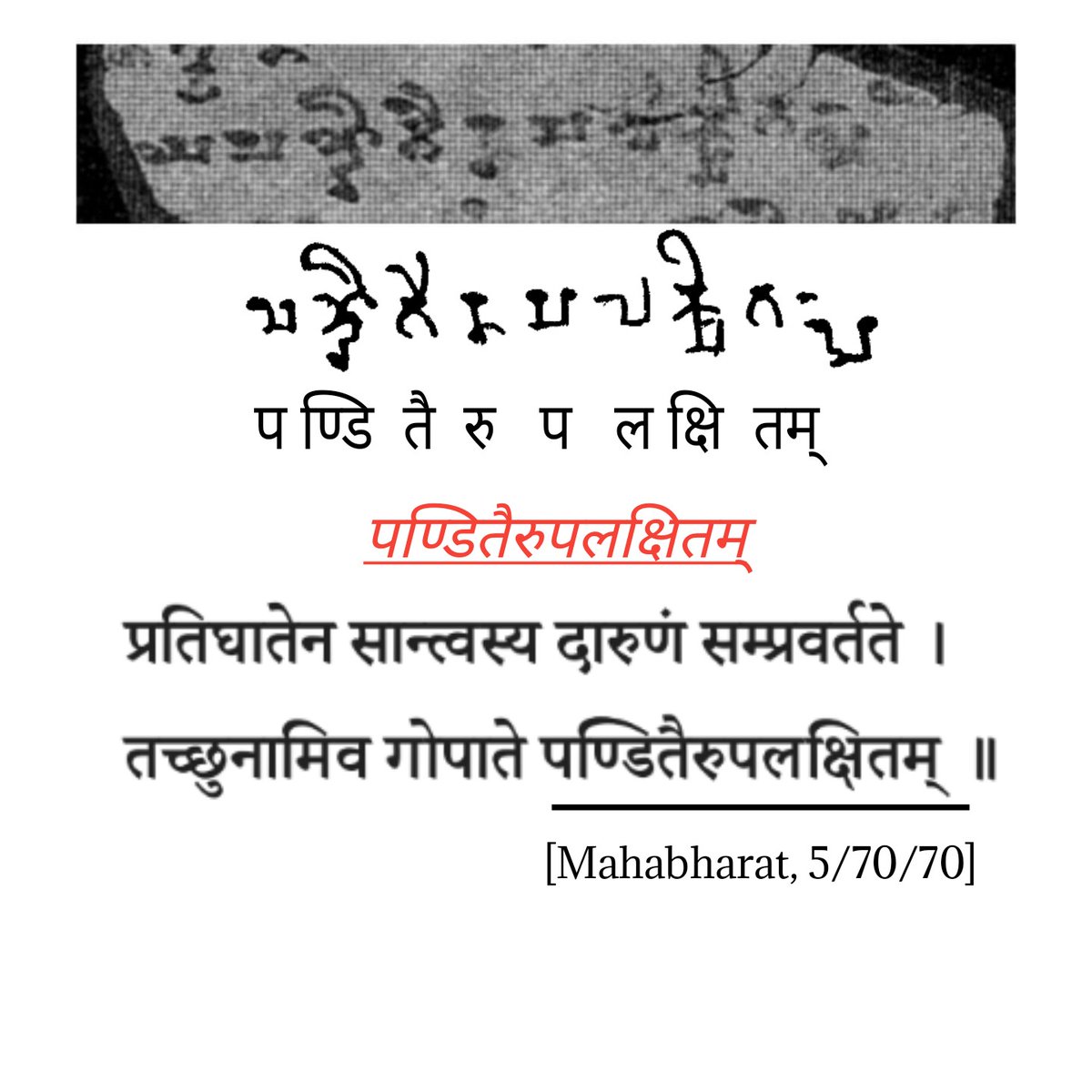
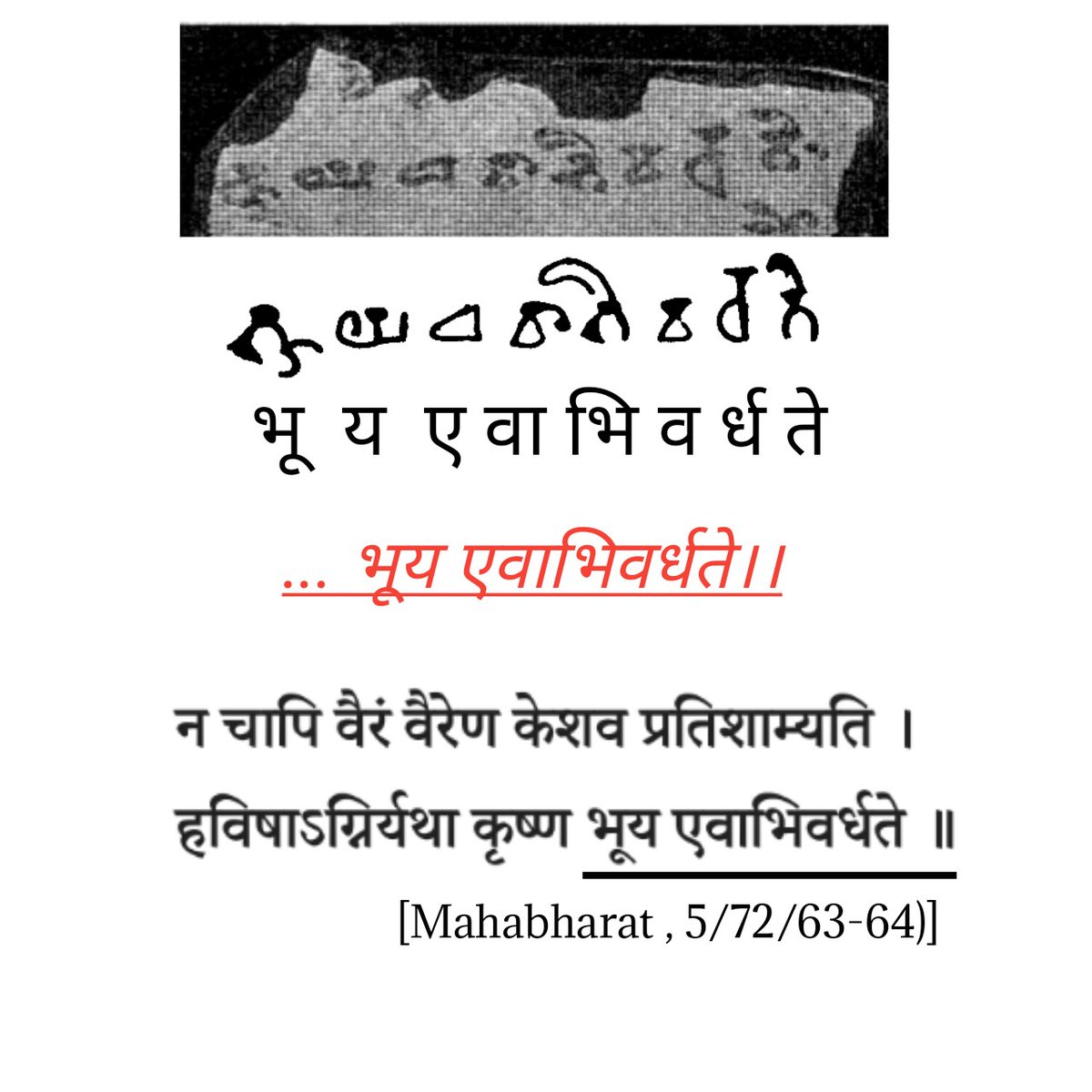
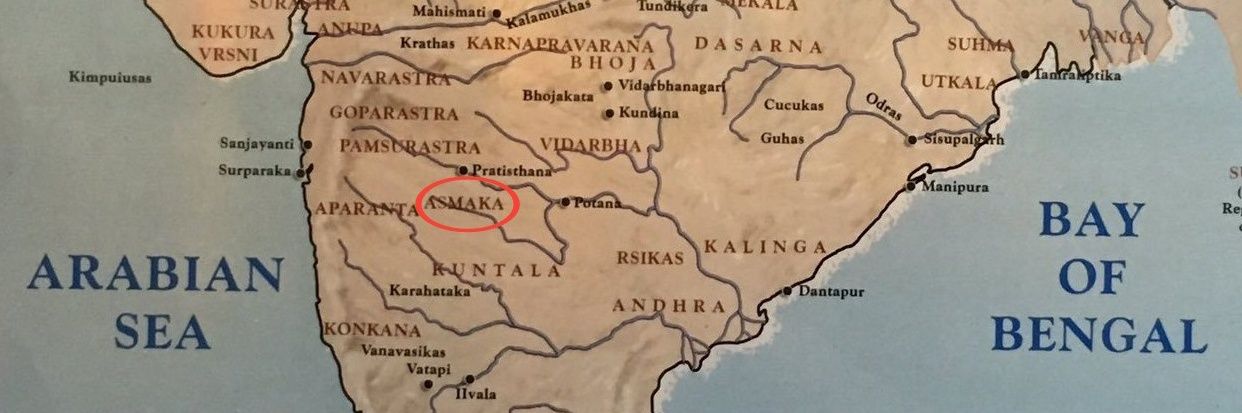
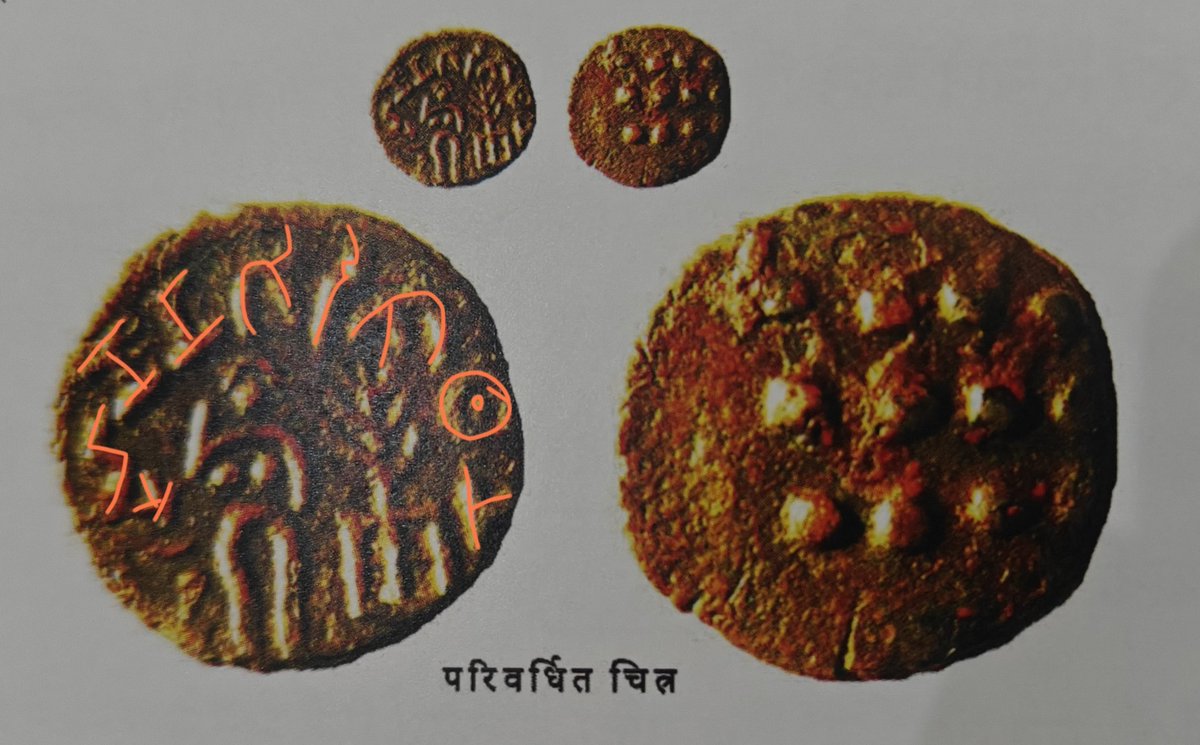
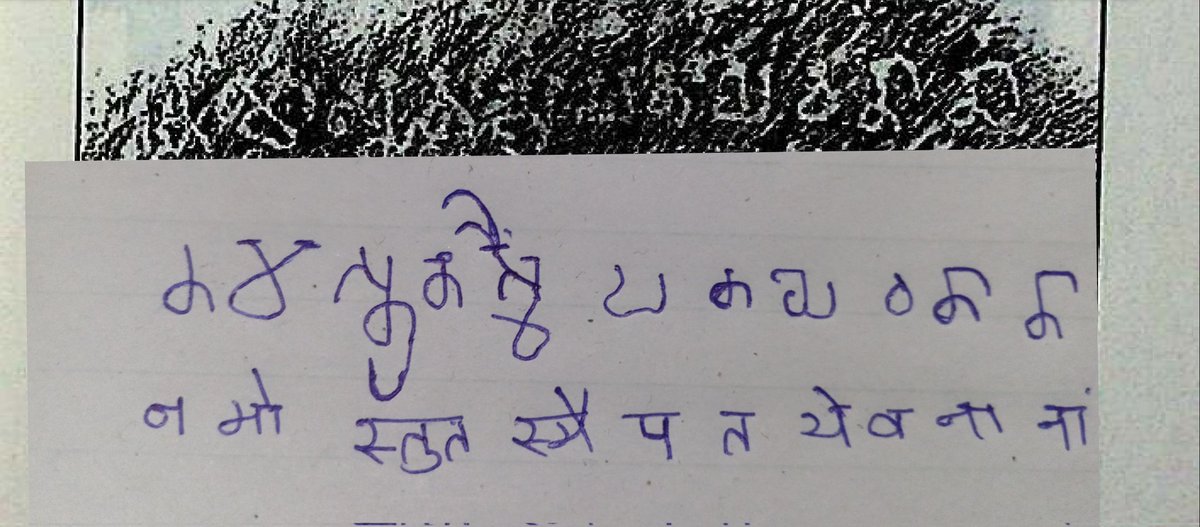
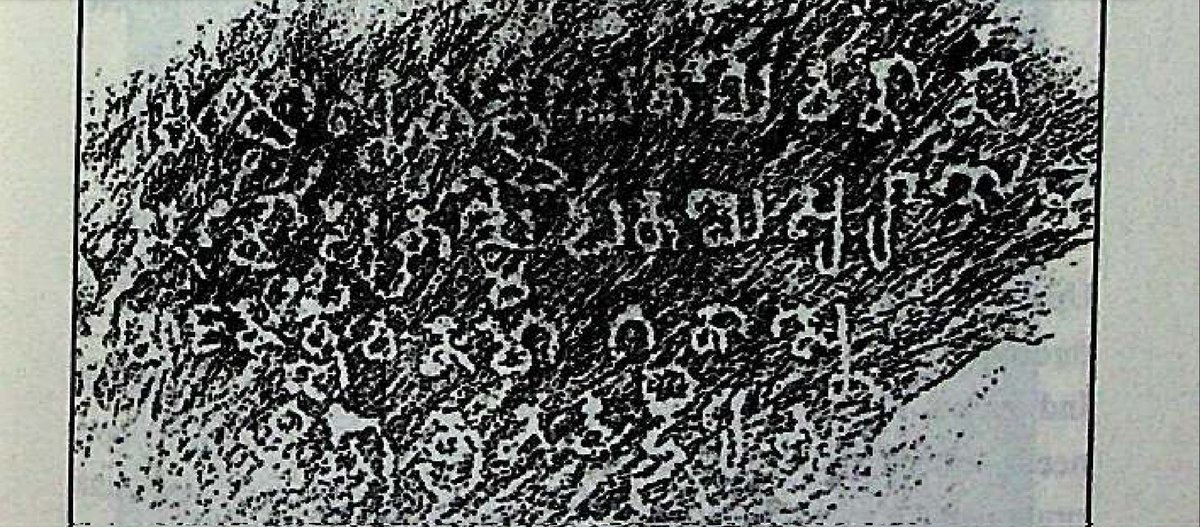
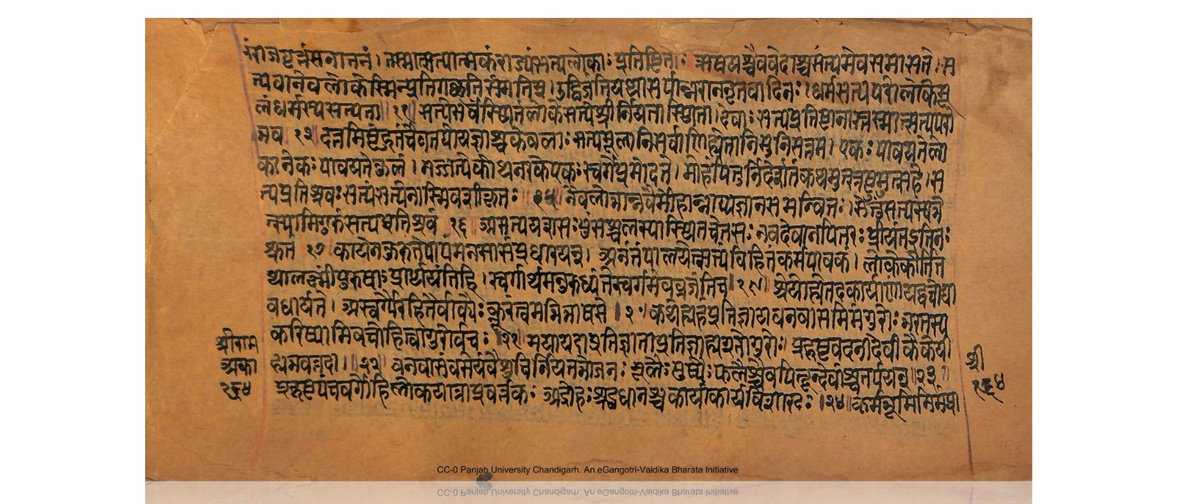
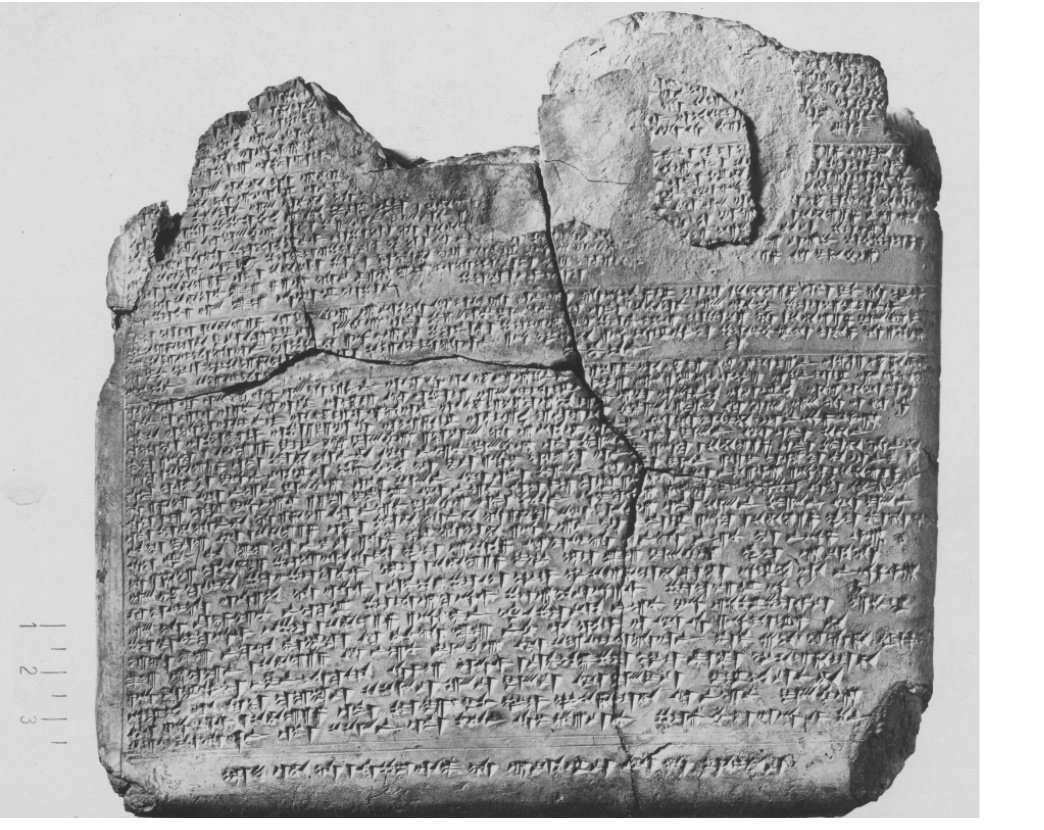
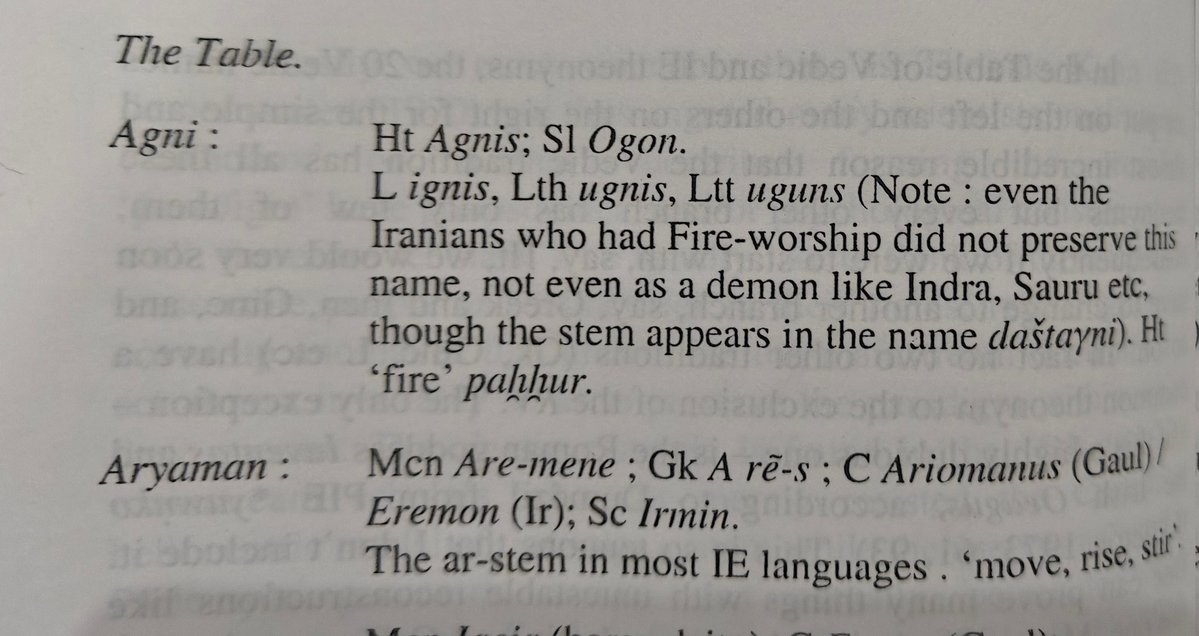
Few fragments of a Gupta-era Mahabharata manuscript have survived, and their text exactly matches the Mahabharata we have today. These fragments were found in Eastern Turkestan Pc @chronicle_watch
Chaitanya tweet mediaChaitanya tweet mediaChaitanya tweet media
English
23
337
1.3K
51.2K
Chaitanya 리트윗함
Chaitanya 리트윗함
Arata ☀️
Arata ☀️@Moamoriamoi_·
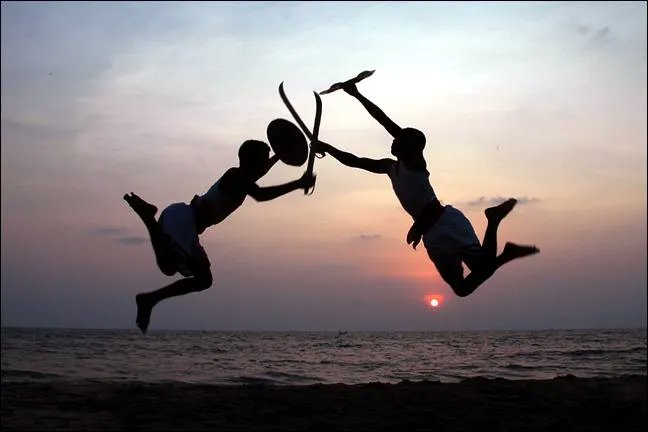
Kalaripayattu – The Ancient Martial Art of Kerala (A Thread 🧵) Kalaripayattu one of the oldest martial arts in the world traces its origins back thousands of years with references found in ancient texts like the Dhanurveda and palm leaf manuscripts from Kerala around 200 BCE. Derived from the Sanskrit word “Khalurika” meaning battlefield or training ground, it is more than just combat it is a discipline rooted in self control, spirituality and respect. Often called the “Mother of Martial Arts” Kalaripayattu emphasizes not just fighting techniques but also inner balance, ethics and connection to a higher consciousness distinguishing it from mere fighting styles.
Arata ☀️ tweet mediaArata ☀️ tweet media
English
5
22
65
1.4K
Chaitanya 리트윗함
Pratham
Pratham@Pratham86718126·
The trading merchants, in 13th Century, from the Chola Empire had established Hindu temples in Quanzhou, China. Remains of which can still be seen. A bi-lingual inscription(in Tamil & Chinese) dated to 1281 AD suggests that one temple was dedicated Lord Shiva(Hara). 1/n
Pratham tweet mediaPratham tweet media
English
3
12
26
963
Chaitanya 리트윗함
Archaeology Of Āryāvarta
📜 My article on “Archaeological Evidences of Mahabharat” is now published on the blog of Vigyan Darshan Research Organisation. From inscriptions to manuscripts, the evidence speaks for itself. 🔗 vigyandarshan.com/blog Part 2 coming soon.
English
5
5
13
400
Chaitanya 리트윗함
Pratham
Pratham@Pratham86718126·
An early Khmer carving from Kampong Thom in central Cambodia. A royal coronation of a Khmer king, being carried out by Brahmins standing adjacent to him. Long beards, matted hairs and yagnopavit. The kings in South-East Asia often invited learned Brahmins from India.
Pratham tweet media
English
1
14
46
919
Chaitanya 리트윗함
Chaitanya
Chaitanya@Param_Chaitanya·
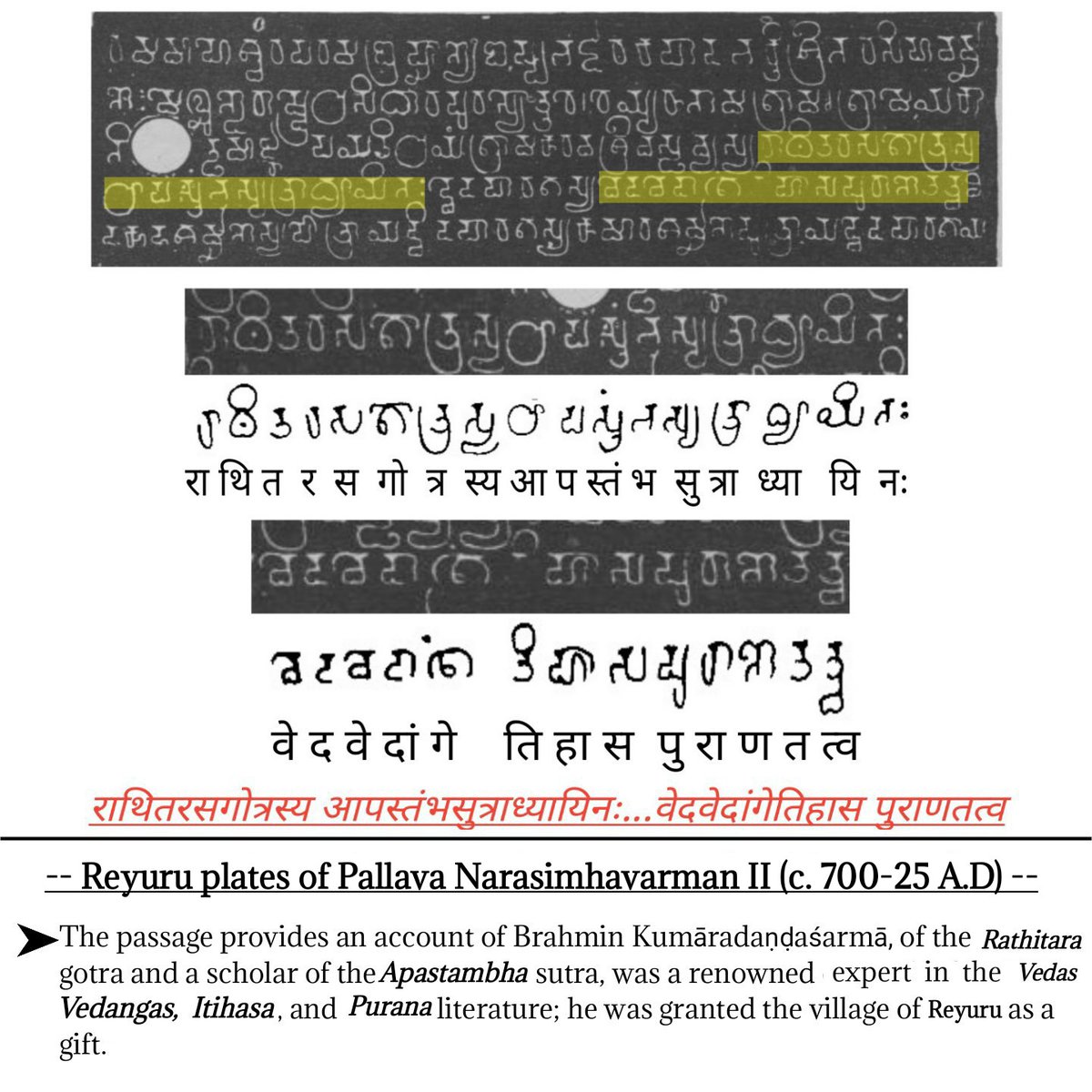
Another epigraphical record of 'Rathitara' gotra Reyuru plates of Pallava Narasimhavarman II records the grant of Reyuru village to the Brahmin Kumāradaṇḍaśarmā of 'Rathitara' gotra and Apastambha sutra and an expert of Vedas, Vedangas, Itihasa and Puranas.
Chaitanya tweet media
Chaitanya@Param_Chaitanya

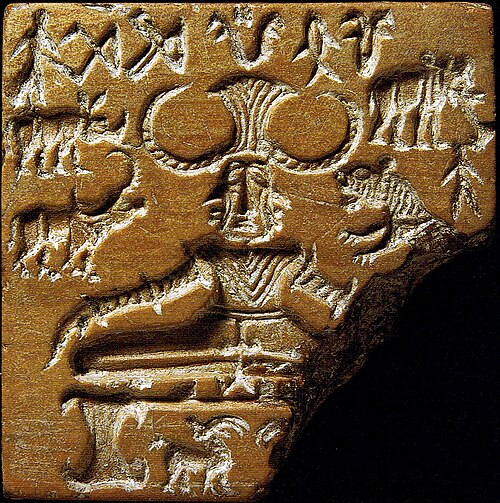
Kharoshthi inscription from Gandhara dated old Saka era Mention the people with Vedic names 1 पिपल खअण कुवा 2 रथितरस वयुलस पुकरिणी Pippala dug a well & Vayula of Rathitara made a pond Pippalada is related to Atharvaveda & Rathitara family is mentioned in Taittariya Upanishada

Suomi
1
22
47
2.3K
Chaitanya
Chaitanya@Param_Chaitanya·
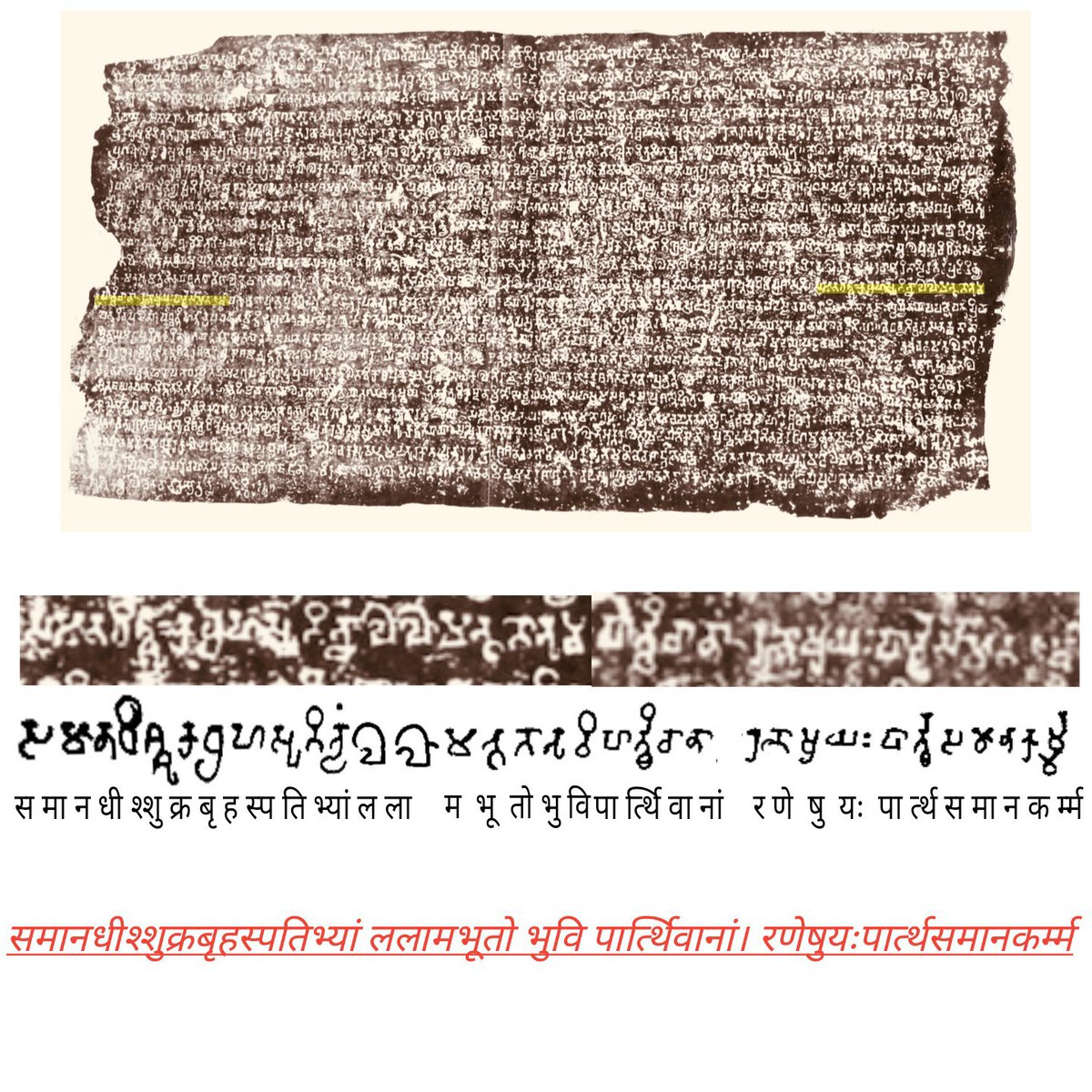
He (king Viśvavarman) was the protector of men, who was equal to śukra and Bṛhaspati in understanding, who was the ornament of the kings on earth and whose deeds were like those of Pārtha in battles. ~ Dashpur Inscription (436–473 CE)
Chaitanya tweet media
English
0
31
121
1.7K
Chaitanya 리트윗함
Savitri Mumukshu - सावित्री मुमुक्षु
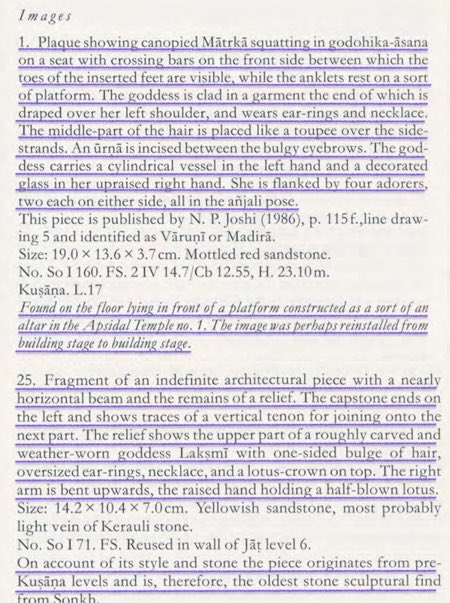
Except we actually do have relevant archaeological proof of Hindu temples where both Devi Madira and Lakshmi were worshipped, as mentioned by Kautilya in his Arthashastra. In 1966-74, German archaeologist Herbert Härtel’s team excavated a Hindu temple complex dating back to at least 1st c. CE, at Sonkh, Mathura. What they found was astounding - a full fledged apsidal (semicircular) brick Hindu temple shrine dating back to earliest Kushan times (1st c. CE) measuring about 10 X 9 meters (Img. 1). Next to the main shrine were several other adjoining rooms for storing temple materials, & possibly residential purposes - which likely meant priests/administrators of the temple lived in the complex. Built into the main shrine structure's apse was a plinth with a raised slab to elevate a Murti. Lying directly on that base they found a fallen Murti of Hindu Mother Goddess (Matrika) holding a cylindrical vessel (wine jar) and a decorated glass (Img. 2). This iconography identified her as the Rig Vedic goddess Madira/Varunani (consort of the Vedic god Varuna) who gave the world the nectar of bliss (Sura/Soma) - known also as the goddess of wine. Also discovered in the same temple was a broken fragment of the earliest sculpture of Devi Lakshmi. (Img. 3) Amazingly shrines to Devi Madira & Lakshmi are specifically mentioned by Kautilya in his Arthashastra (3rd c. BCE) as deities who should have a dedicated temple shrine built for them in the center of the city. (Img. 4).
Savitri Mumukshu - सावित्री मुमुक्षु tweet mediaSavitri Mumukshu - सावित्री मुमुक्षु tweet mediaSavitri Mumukshu - सावित्री मुमुक्षु tweet mediaSavitri Mumukshu - सावित्री मुमुक्षु tweet media
John Oldman@PrasunNagar

In his Arthashastra, Kautilya mentions the following temples of Gods, which are to be constructed within the city : 1. Durga ( Aparājitā), 2. Vishnu ( Aparatitha), 3. Jayanta, 4. Indra, 5. Shiva, 6. Vaisravana, 7. Asvins, 8. Lakshmi and Madirā. The above proves the presence of temples in BCE era. However, these temples are no longer there, as they were constructed of wood.
English
6
170
456
11K
Chaitanya 리트윗함
Archaeology Of Āryāvarta
Archaeology Of Āryāvarta@SSundar55252·
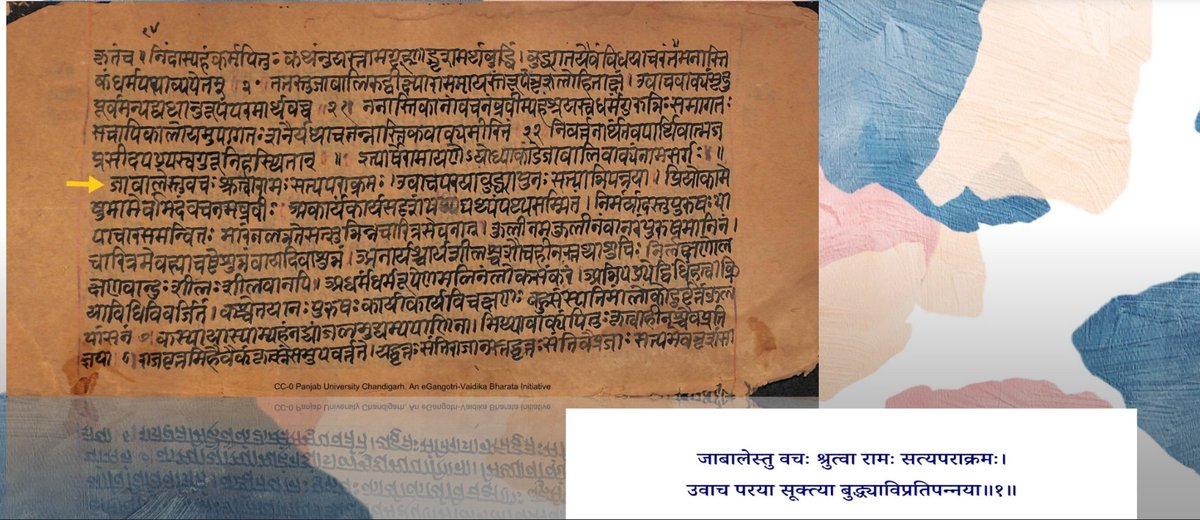
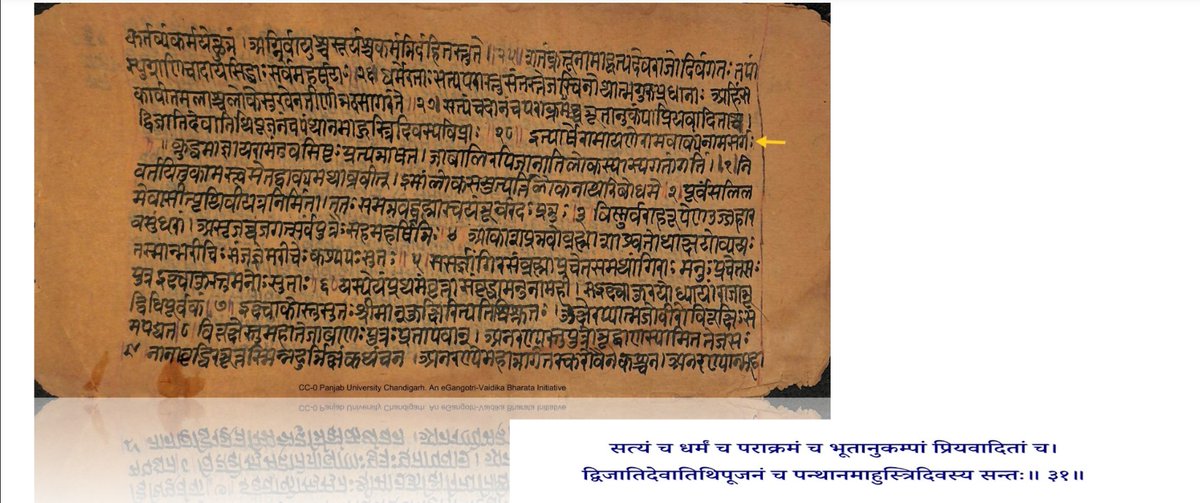
क्या रामायण में बुद्ध का उल्लेख है? ✨ कहा जाता है कि अयोध्या काण्ड 109 में बुद्ध का उल्लेख है। पर 1696 विक्रमी की एक पांडुलिपि (Mss. No. 192, A.C. Joshi Library) में यह सर्ग केवल 31 श्लोकों तक ही है। बुद्ध वाला श्लोक उसमें नहीं है, इसलिए वह बाद का प्रक्षिप्त प्रतीत होता है।
Archaeology Of Āryāvarta tweet mediaArchaeology Of Āryāvarta tweet mediaArchaeology Of Āryāvarta tweet media
हिन्दी
6
12
30
1.5K
Chaitanya 리트윗함
Savitri Mumukshu - सावित्री मुमुक्षु
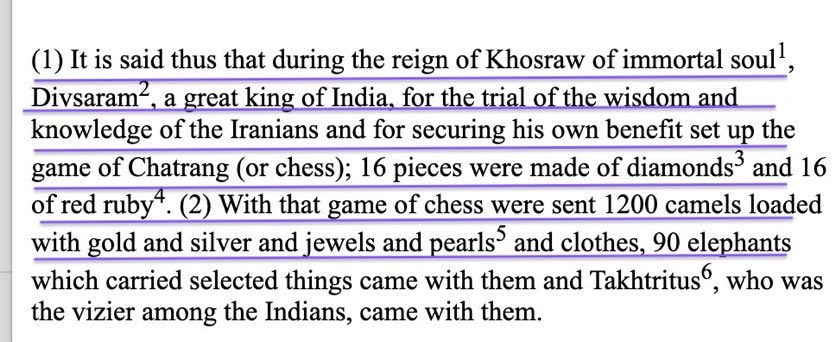
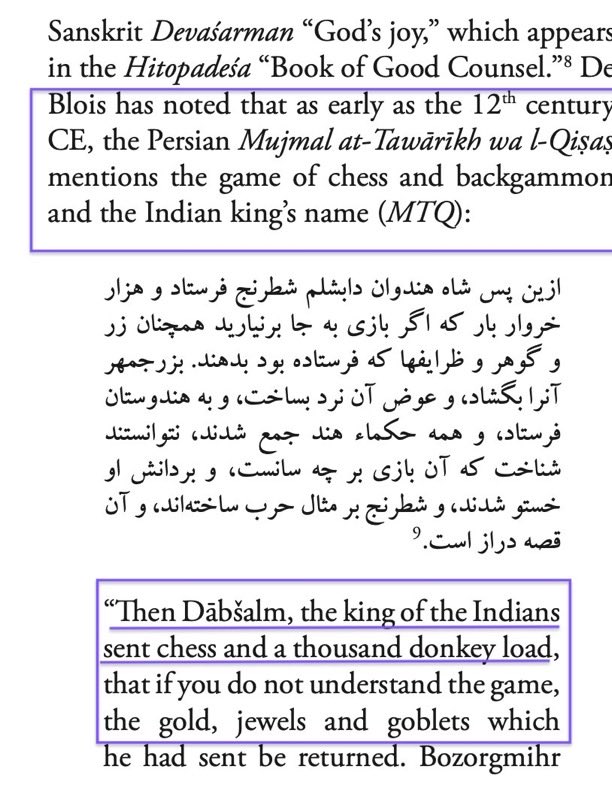
What the actual eff. I had just responded to this guy @ZeeshanJaanam debunking his nonsense about “Chess being invented in Iran” and not even 30 seconds after I hit reply - this so called Columbia grad blocked me. I mean not even 30 seconds 🤦🏽‍♀️🤦🏽‍♀️ This is the third time this week that I have had to counter this BS. Anyway I managed to get the reply in. Here it is: Persian historical sources themselves admit that chess was invented in India. The original Indian game was called चतुरङ्ग (chaturanga), meaning 4 divisions of the army - with classical elements of ancient Indian warfare like the Padāti/infantry, Aśva/cavalry, Gaja/elephants & Ratha/chariots. The game simulated battle strategy, which is why its logic resembles warfare. It was played by the royalty and taught as an essential part of a Hindu king's education. The Middle Persian (Pahlavi) text - Wizārishn ī Chatrang ud Nēw-Ardashīr (“Explanation of Chess and the Invention of Backgammon”) written in 7th–8th c. CE describes clearly how chess came from India to the Persian court. An Indian king that Persians called Dābsalm (a Maukhari dynasty ruler from Kanauj) sent the game to the Sasanian ruler Khosrow I Anushirvan (r. 531–579 CE). The Persian court had to figure out the rules. The vizier Bozorgmehr solved the puzzle, after which Persia supposedly invented backgammon & sent it back to India. Later Persian texts like the 12th c. Mujmal at-Tawārīkh wa-l-Qiṣaṣ retell the same details attributing the first introduction of chess in Persia to the Indian king. The story itself makes it clear that Persians were encountering the Indian game for the first time and had to figure out its rules. India also has a far more ancient archaeological tradition of proto-chess type complex board games. Excavations at Indus Valley sites such as Mohenjo-daro and Lothal (c. 2500 BCE) have uncovered game boards with chess grids and gaming pieces that demonstrate how sophisticated rule-based board games were already part of Indian culture over 4000 years ago. India has a very ancient indigenous tradition of strategic board games like chaturanga. The original Indian chess called chaturanga, spread west to Persia as chatrang, then to the Islamic world as shatranj, and finally Europe, eventually evolving into modern chess. Bottom line is that even within Persian history itself, we find that chess is explicitly described as a strategic game that was invented in India centuries before and later adopted by Persians. Chess is a 100% Indian invention as demonstrated irrefutably by historical evidence, period.
Savitri Mumukshu - सावित्री मुमुक्षु tweet mediaSavitri Mumukshu - सावित्री मुमुक्षु tweet mediaSavitri Mumukshu - सावित्री मुमुक्षु tweet mediaSavitri Mumukshu - सावित्री मुमुक्षु tweet media
English
43
521
1.4K
17.4K
Parimal
Parimal@Fintech03·
Yesterday I shared a list of contributions from our ancient knowledge traditions. What followed was fascinating, no curiosity, no debate, Just a barrage of mockery, mostly from our own people. The irony is hard to miss. A civilization that produced centuries of mathematics, medicine, philosophy & statecraft now has its own children convinced that nothing of value ever came from it. Anyway, whether one likes it or not, today also India is building, launching, manufacturing & innovating at a scale that is difficult to ignore. Here is the proof (I can keep going on but sharing a few): - Digantara’s SCOT satellite: 1 of the world’s 1st commercial space-based orbital surveillance systems for real-time tracking of debris & satellites - CSIR-NBRI developed the world’s 1st pink bollworm-resistant GM cotton variety approved for commercial use - Only the 4th country ever to demonstrate fully autonomous in-orbit satellite docking + inter-satellite power transfer - India commissioned 2 dedicated quantum chip fabrication facilities (IIT Bombay for quantum sensors + IISc BLR for superconducting/photonic/spin qubits) with ₹720 crore investment ending foreign-fab dependence for quantum hardware. - India achieved full indigenous Gallium Nitride (GaN) semiconductor technology for high-power radar, electronic warfare, and 5G/6G systems (DRDO breakthrough, only Russia & a handful of nations have sovereign GaN at this level). - GalaxEye’s Mission Drishti: World’s 1st private multi-sensor (SAR + optical fusion) Earth observation satellite - 1st country in Global South to build dedicated quantum materials labs for fault-tolerant computing (INOX + IISc collaboration). - India now has end-to-end sovereign quantum hardware pipeline (design + fabrication + processors)...only the US, China, and Europe have comparable domestic chains. - Indigenous 5G standalone core + radio access network stack developed entirely by TCS + C-DOT + Tejas Networks & deployed in remote villages. - Largest vaccine manufacturing capacity on the planet - Serum Institute (still holds the title by volume). - 1st private-sector quantum valley - Amaravati Quantum Valley foundation laid (2026) - Vyommitra - World’s 1st humanoid robot "specifically" for uncrewed Gaganyaan precursor missions (female form, emotional AI). - World’s largest deployment of plastic-waste roads - Prof. Vasudevan’s patented technology (used across dozens of cities, no other country matches the scale) - 1st country to fast-track 5 indigenous SMRs by 2033 under new policy. - World’s largest single-piece Inconel rocket engine - India’s 1st indigenous CRISPR-based gene therapy - BIRSA 101 for sickle cell disease - India’s 1st fully indigenous CAR-T cell therapy for B-cell blood cancers (ACTREC-Tata Memorial + IIT Bombay + ImmunoACT)..Also, world's most affordable - world's most advanced liquid/injectable cornea regeneration approaches (not a full artificial cornea implant like others).. I can keep going on....
English
157
737
2.7K
133.3K
Chaitanya 리트윗함
Chronicle watch
Chronicle watch@chronicle_watch·
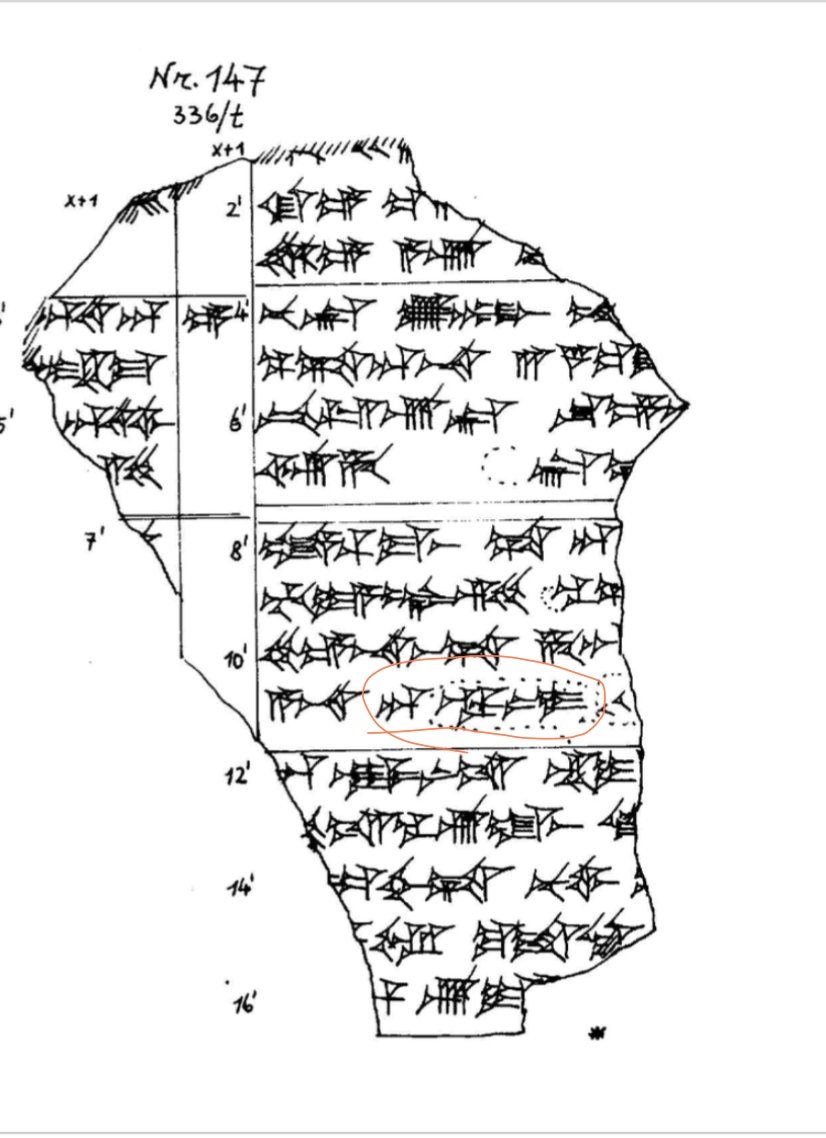
Real inscription of bogazköy. Which have names of vedic gods @Aatma_the_soul4 @Param_Chaitanya
Chronicle watch tweet media
Chronicle watch@chronicle_watch

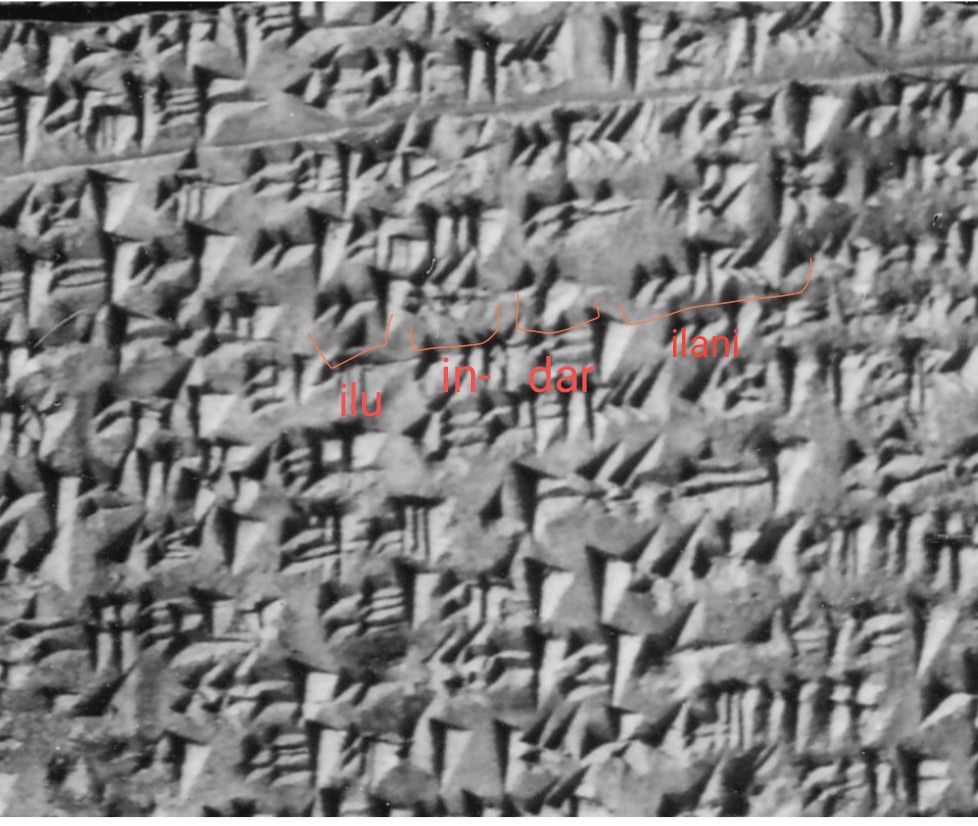
The Boghazköy Inscription Mentioning Vedic Deities The inscription from Boghazköy (Mitanni) that mentions Vedic deities is discussed in numerous places; however, its official photograph is rarely seen anywhere. Most inscriptions from Boghazköy are published in the Catalogue des textes hittites, but they are primarily available as eye-copied (hand-drawn) plates. According to published material, the names of Vedic deities appear on two specific inscriptions: KBo 1.1: On the Reverse (Rev.), from the end of line 55 to line 56. KBo 1.3: On the Reverse (Rev.), starting from the middle of line 24. There are minor textual variations between the two. I have presented both eye-copied illustrations. Although I am not familiar with the Cuneiform script, I have highlighted the lines in the images where the names of the Vedic gods likely appear. Observations Supporting This Identification: Consistency in Divine Names: While there are textual variations between KBo 1.3 and KBo 1.1, the phrase ilāni Mi-it-ra-aš-ši-il (The Mitanni-Mitra gods) remains consistent. In KBo 1.3, this begins in the middle of the line, whereas in KBo 1.1, it starts at the end of line 55. We can see this identical line in both drawings, even though I cannot provide a full transliteration. Repetitive Suffixes: In KBo 1.3, the term aš-ši-il appears repeatedly. In the cuneiform image, one can clearly observe a specific word/cluster repeating frequently. The Nasatya (Ashvins) Reference: Line 24 of KBo 1.3 ends with Na-ša-at-ti-ia-an-na. I have attempted to highlight this line in the image. In this word, the beginning and ending signs are the same ("Na"). This symmetry is visible in the drawing. I have indicated the transliteration of the middle five signs based on the available text. This is likely the mention of the Nasatya deities in the inscription. @Aatma_the_soul4 @AbhayK70627 @anshikashukla_ @tapeshyadav_usa @yajnadevam @kalyan97 @Param_Chaitanya @ProfVemsani @vedik_Arya_ @IndicMeenakshi
English
2
20
56
1.3K
Chaitanya 리트윗함
Savitri Mumukshu - सावित्री मुमुक्षु
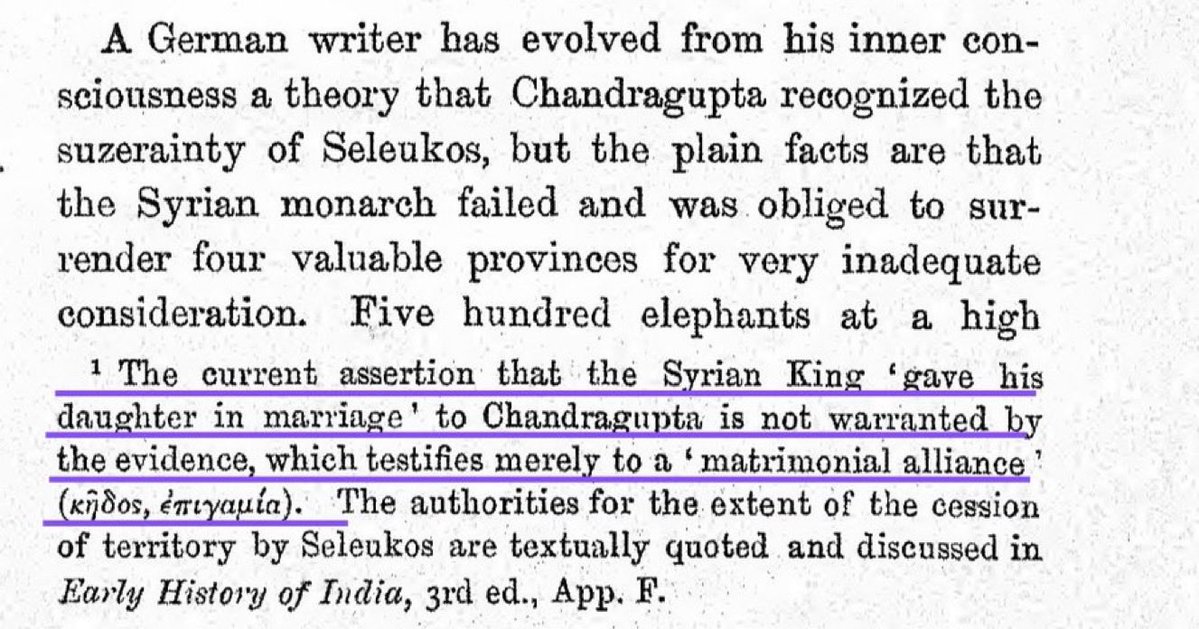
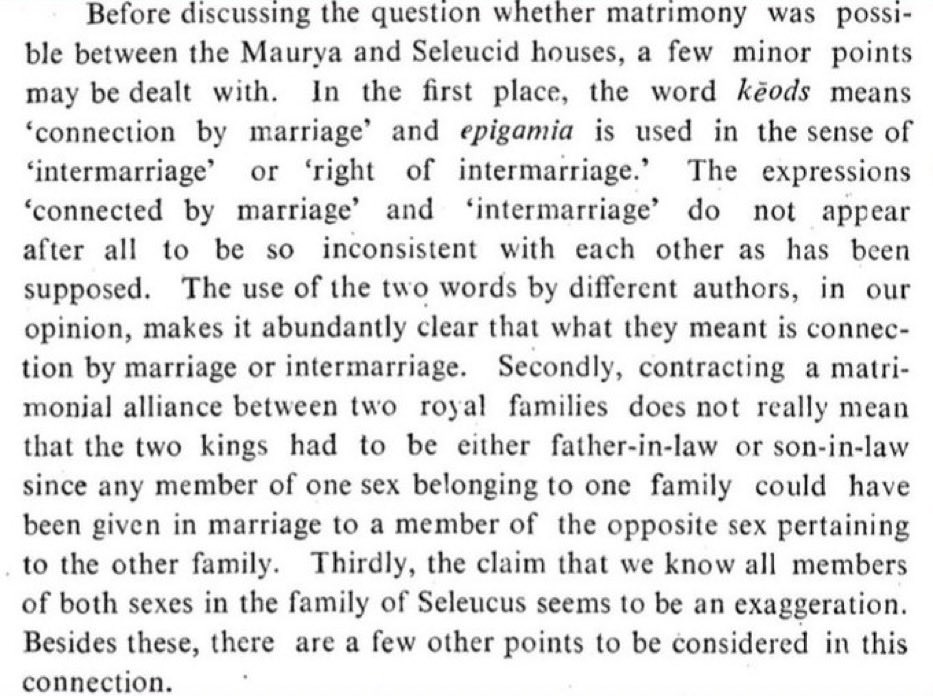
Durdhara was an Indian princess not Greek. Ashoka was 100% Indian. Chanakya never trusted foreigners. Not a single Indian historical source says a word about Chandragupta Maurya ever marrying a Greek princess or even meeting Seleucus. The Greek/Roman sources like Appian, Strabo, Plutarch, and Justin were written centuries later after Seleucus Nikator died. And even those don’t mention Chandragupta specifically marrying a Greek princess - they just mention a matrimonial alliance between the two royal families. Even Appian does not say Seleucus married his daughter to Sandrocottus. Looks like we Sanghis can read history far better than you dumb Pidis.
Savitri Mumukshu - सावित्री मुमुक्षु tweet mediaSavitri Mumukshu - सावित्री मुमुक्षु tweet media
Reetam Singh@SinghReetam

Chanakya was Advisor to Chandragupta Maurya, whose Greeko-Roman name was "Sandrokoptos" Chandragupta married Durdhara, a Selucid Greek Princess whose son was Bindusara. Bindusara married a Greek Princess, giving birth to Ashoka the Great Only if Sanghis read Indian History 🤦

English
17
306
854
11.1K
Chaitanya 리트윗함
Chronicle watch
Chronicle watch@chronicle_watch·
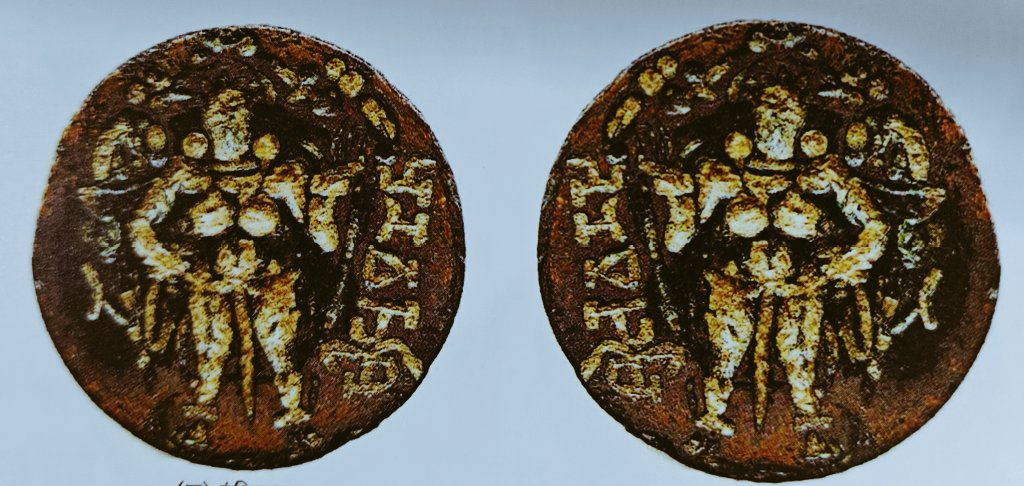
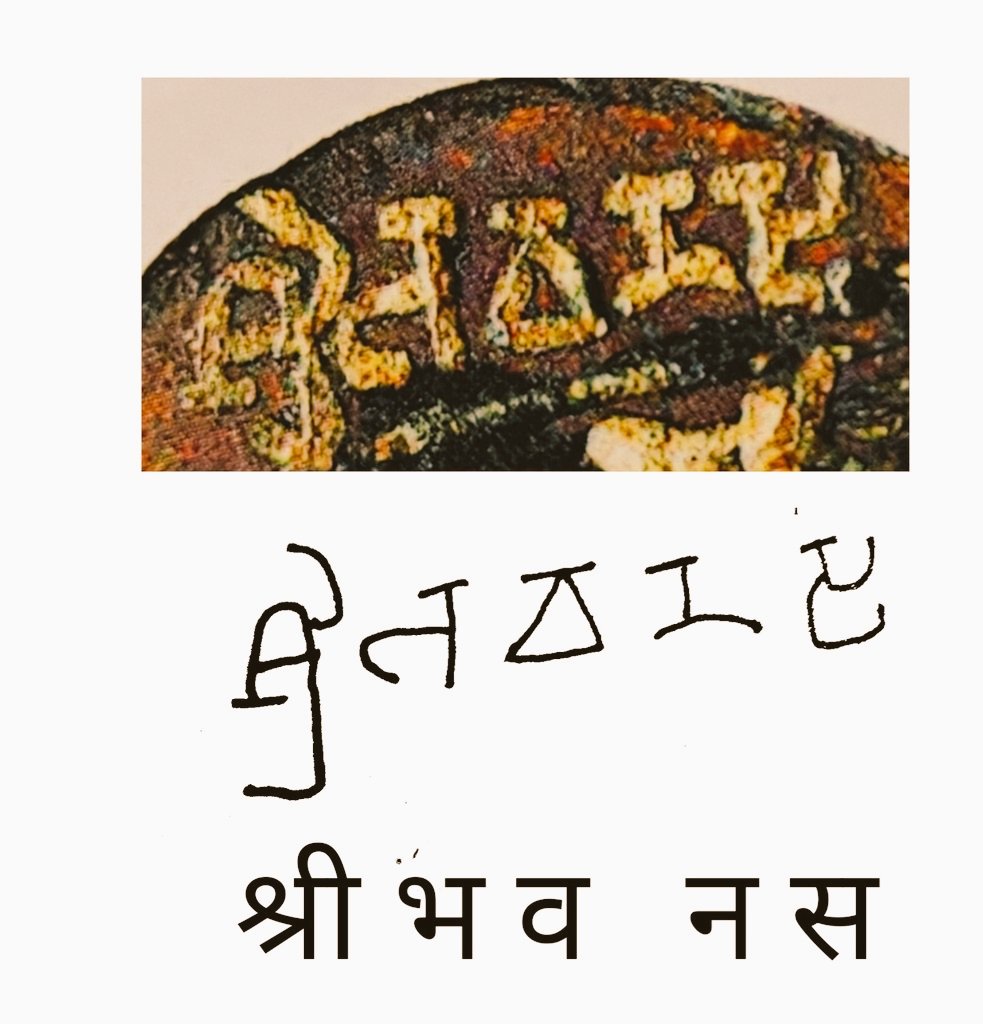
Some people do not identify the Gajabhisheka Devi (the Goddess anointed by elephants) as Shri or Lakshmi. However, a Kushan-period temple sealing preserved in the British Museum depicts Gajalaksmi, who is being anointed by two elephants standing on lotuses. The sealing bears an inscription in Brahmi script: "Shri Bhavanas". This translates to "The Abode (or Temple/ shrine) of Lakshmi." Here, the explicit use of the word 'Shri' alongside Gajalaksmi clarifies that the Goddess being anointed by elephants is indeed Lakshmi and Shri herself. @Aatma_the_soul4 @AbhayK70627 @ancientadarsh @anshikashukla_ @MumukshuSavitri @monidipadey @Param_Chaitanya
Chronicle watch tweet mediaChronicle watch tweet media
English
5
18
75
4K
Chaitanya 리트윗함
Vedic Wisdom..ॐ
Vedic Wisdom..ॐ@VedicWisdom1·
@MrRANARAGA What would I use to talk with deaf if not sign language?
English
12
33
528
5.1K