Rick Volleberg

141 posts

Rick Volleberg

Rick Volleberg

@RickVolleberg

MD, PhD candidate | Radboudumc / St. Francis Hospital & Heart Center | Intracoronary Imaging 📸 | High-risk plaques ⚠️ | Artificial Intelligence 🧠

가입일 Temmuz 2011
176 팔로잉201 팔로워
Rick Volleberg
Rick Volleberg@RickVolleberg·
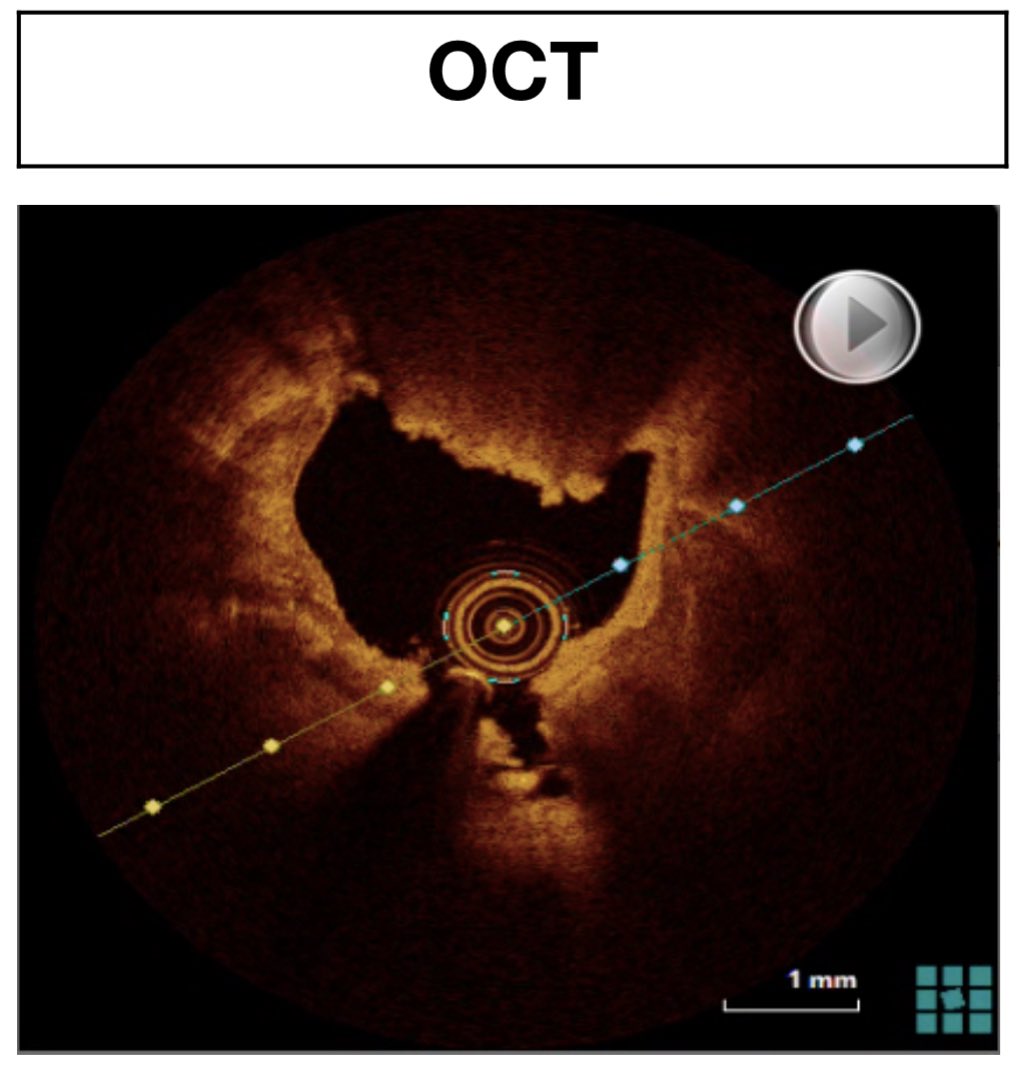
🚨PCR LBT🚨 OCT-identified high-risk plaques in FFR-negative NC lesions associated with adverse longterm outcome after MI, with the difference predominantly being made on short term. ⚔️ attack HRP fast and aggressively for stabiliziation and risk mitigation? @PCRonline
EuroIntervention@EuroInterventio

🔥 NOW ONLINE 🔥simultaneous presentation #EuroPCR PECTUS-OBS LONG TERM FOLLOW-UP In this study, OCT-identified high-risk non-culprit plaques with negative FFR were associated with a significantly higher risk of long-term adverse cardiovascular events after myocardial infarction. At 5 years, patients with at least one high-risk plaque had increased rates of non-fatal MI and unplanned revascularization despite non-flow limiting physiology. 🔗eurointervention.pcronline.com/article/long-t… @RickVolleberg @NielsRoyen @RGeuns

English
0
0
3
147
Rick Volleberg 리트윗함
EAPCIPresident
EAPCIPresident@EAPCIPresident·
Just published on @ESC_Journals Intracoronary imaging for left main percutaneous coronary intervention: a clinical consensus statement of the European Association of Percutaneous Cardiovascular Interventions (EAPCI) of the ESC and the European Bifurcation Club (EBC) academic.oup.com/eurheartj/arti…
English
4
56
151
24K
Rick Volleberg 리트윗함
EHJCVI Editor-in-Chief
EHJCVI Editor-in-Chief@EHJCVIEiC·
#EHJCVI 📊🧠 In CCTA, risk evolves over time. Stenosis severity predicts short-term events, while plaque burden (PAV) drives long-term outcomes, highlighting the dynamic nature of CAD risk #YesCCT 🔗 Read more -> doi.org/10.1093/ehjci/…
EHJCVI Editor-in-Chief tweet media
English
0
9
22
1.5K
Rick Volleberg 리트윗함
Stefano Garzon, MD
Stefano Garzon, MD@stefano_garzon·
My thoughts on IVUS-CHIP & OPTIMAL Yes, I'm also still digesting the results from IVUS-CHIP and OPTIMAL. I think we all are. And I understand why we as a community are having some trouble sitting with these results. But first, I have to disclose my conflicts of interest: I'm a proctor and speaker for Boston Scientific, specifically for CHIP interventions. I've been doing this for years. So yes, I have skin in this game too, and these results challenge some of my own deeply held beliefs about how we do interventional cardiology. That's exactly why I think we owe it to ourselves to think clearly here, not defensively. So let's look at what happened. IVUS-CHIP: HR 1.25 (0.97–1.60). OPTIMAL: HR 1.11 (0.87–1.42). Two large, well-designed European trials, both published simultaneously in NEJM, both neutral — and both trending numerically against IVUS. That stings. I get it. But here's what's been bothering me about the reaction. The most common defense I keep seeing is: "IVUS-CHIP failed because only 48% of lesions met the predefined optimization criteria." And I understand the instinct — if the intervention wasn't properly delivered, how can we judge it? Fair enough. But let's check the receipts. ULTIMATE — the trial we all love to cite as proof that IVUS works — achieved optimization in 53%. RENOVATE — arguably the strongest positive IVUS trial we have — achieved ~58%. OCTIVUS — 55% in the IVUS arm. IVUS-CHIP: 48%. Do you see the problem? The difference is marginal, but the way we treat these numbers is completely asymmetric. We celebrate ULTIMATE at 53% as a win for IVUS. We dismiss IVUS-CHIP at 48% as a flawed trial. That's not consistent. Either suboptimal implementation invalidates all of these trials, or it invalidates none of them. We have to pick one. And honestly, I think the real answer is simpler than we want it to be. Maybe 50–55% optimization isn't a failure of any particular trial. Maybe it's a biological ceiling. Diffuse disease, heavy calcium, tortuous anatomy — there are lesions where clean landing zones simply don't exist, no matter how good the operator or the imaging. Look at the substrates: IVUS-CHIP had 45.8% severe calcification and a mean distal edge plaque burden of 47.6% — nearly failing the optimization criterion by definition. RENOVATE had 13.5% severe calcification and 40.6% distal plaque burden. Same tool, same criteria, vastly different biology. We can't keep blaming the operator when the anatomy won't cooperate. And this leads to an uncomfortable thought: maybe reaching stent optimization criteria says more about the anatomy you're working with than the technique you're using. We can achieve what the vessel allows us to achieve — nothing more. Better anatomy = higher optimization rates = better outcomes. That's not IVUS working better. That's easier disease behaving better. And if that's true, then the positive trials may have been telling us more about their patient population than about the tool itself. There's another criticism that deserves pushback: "In OPTIMAL, operators only acted on IVUS findings in about 30% of cases — so IVUS wasn't really used." But let's be fair here. A diagnostic tool can't do anything by itself. It depends entirely on how we react to what it shows us. And saying that operators "didn't act" in 70% of cases assumes there was something to act on. We don't actually know that. Maybe the result was already good. Maybe the IVUS confirmed what the operator had already achieved by angiography alone. And if that's the case, it doesn't indict the tool or the trial — it tells you something important about operator quality. These weren't operators ignoring IVUS. These were operators who were already so good that IVUS had nothing left to add. Now, here's the part that I think nobody really wants to say out loud: maybe IVUS already won. Not by proving superiority in a trial — but by making us better operators over the past decade. Look at the post-dilation rates in the angiography arm across the major IVUS trials: ULTIMATE 57%, RENOVATE 75%, IVUS-CHIP 84.5%, OPTIMAL 96%. Look at that progression. Operators who've used IVUS routinely for years have internalized everything it taught them — sizing, post-dilation, POT, landing zone selection. When they get randomized to the angiography arm, they turn off the screen, but they don't turn off the IVUS-calibrated brain. POT in 85% of cases. Systematic post-dilation. Aggressive sizing. The control arm in these trials isn't naive angiography. It's IVUS without IVUS. So the real comparison isn't imaging vs no imaging. It's formal IVUS vs the knowledge that IVUS has already embedded into how we practice. And when the gap between those two narrows to nothing, the incremental benefit of the screen disappears. That's not a failure. If anything, that's graduation. To be clear: this does NOT mean IVUS is useless, and it certainly doesn't mean you should stop using it. What it does mean is that in expert European centers — with operators who've spent years calibrating their eyes with imaging — the marginal gain of formal IVUS guidance over their IVUS-informed angiography is effectively zero. One thing I'd genuinely like to see from both trials: the same analysis ULTIMATE did — outcomes in patients who actually achieved optimization criteria vs those who didn't. In ULTIMATE, that landmark analysis showed TVF of 4.2% vs 9.2% (HR 0.44). That was the strongest argument we had that when IVUS-guided optimization is truly achieved, it works. If IVUS-CHIP and OPTIMAL show the same pattern, the conversation changes entirely: the problem isn't IVUS — it's that we can't implement it fully in half the patients. And if they don't show that pattern, we need to accept that too. But here's the pill I think we all need to swallow, myself included: we can't keep invoking "optimization failure" only when results disappoint us. 53% in ULTIMATE = proof IVUS works. 48% in IVUS-CHIP = proof the trial was flawed. That's not how science works. That's narrative fitting. And we're better than that. #CardiologyX #IVUS #PCI #OPTIMAL #CHIPIVUS #ACC26
English
8
29
106
14K
Rick Volleberg 리트윗함
Ankush Gupta
Ankush Gupta@DrAnkushG·
Building on our prior single-center work on #SalineOCT (Cardiovasc Revasc Med 2022), thrilled to share our large multicenter validation now published in @JACCJournals! Grateful to all co-authors and the JACC team for the smooth process! In 166 PCI patients (259 paired runs, 2,072 frames analyzed by blinded investigators), heparinized saline showed excellent agreement with contrast OCT (no significant differences in PRD, MLA, MLD & DRD; ICC 0.69–0.79) with ZERO adverse events. A safe, practical alternative for CIN-risk patients! 🔗 New study: jacc.org/doi/10.1016/j.… Previous work: doi.org/10.1016/j.carr… #OCT #PCI #JACCAdvances #CardioTwitter @DrRajeshVijay @Dr_AshokSeth @DrRajeshG1 @APSIC6 @realarainmd @DrArunGopi1 @BoopathyCardio @rajeevafmc @aayshacader @drshantanud @EAPCIPresident @uroojmd1 @GreggWStone @DrJMHill @ihtanboga @JoySanyal74 @latchumanadhas @PunamiyaKirti @LPayoA @drvishalg @drnbajaj76 @ncurzen @NielsRHolm @DrNataliaP @SandeepNathanMD @Obisht @DrQuinnCapers4 @mmamas1973 @mirvatalasnag @DrAshishCardio @sbrugaletta @SanyaChhikara @Preetik60543769 @Sunilbhatti99 @DrSharmaPrafull
English
10
29
93
8K
Rick Volleberg
Rick Volleberg@RickVolleberg·
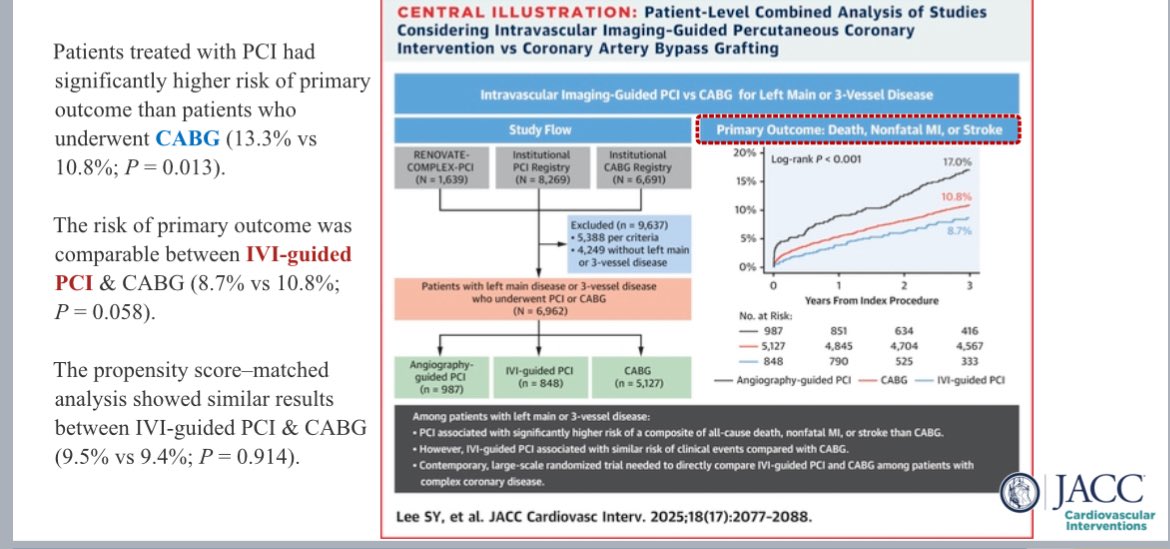
@mirvatalasnag @UCIrvine @DrNathanWong @mmamas1973 @agtruesdell @perc_surgeon @cardioPCImom @poojaotherwise @HadyLichaaMD @AntoniousAttall @GianlucaCampo78 @nicolasamabile @DrSinjini @rafavidalperez @DrPascalMeier @AbbottCardio But is it truly CABG like outcome? The composite endpoint is indeed comparable in this dataset, but the incidence of MI remains higher. Potentially because CABG not only revascularizes stenoses but also collaterizes other lesions.
English
0
0
2
146
Rick Volleberg 리트윗함
NEJM
NEJM@NEJM·
Original Article: Immediate or Deferred Nonculprit-Lesion PCI in Myocardial Infarction (iMODERN trial) nej.md/3Llf6QU #TCT2025 | @crfheart
NEJM tweet mediaNEJM tweet media
Română
1
12
40
13.8K
Rick Volleberg 리트윗함
NEJM
NEJM@NEJM·
Presented at #TCT2025: In STEMI with multivessel disease, immediate iFR-guided PCI of nonculprit lesions was not superior to deferred cardiac stress MRI–guided PCI in reducing death, reinfarction, or hospitalization for heart failure at 3 years. Full iMODERN trial results: nej.md/3Llf6QU @CRFHeart
NEJM tweet media
English
0
42
119
33.1K
Rick Volleberg 리트윗함
Mamas A. Mamas
Mamas A. Mamas@mmamas1973·
We all know that it's not just mortality though, need to also think about re-infarction and rpt revasc. The most interesting slide was the one of PCI with and without imaging vs cabg
Mamas A. Mamas tweet media
Mohamad Alkhouli@adnanalkhouli

The 10-year outcome of Noble trial may be the most impactful data presented at #TCT2025 PCI=CABG for isolated left main disease regardless of Syntax score Which isolated LM patients (suitable for PCI) will you refer to CABG?

English
8
42
128
20.3K
Rick Volleberg 리트윗함
Carlos Collet MD PhD
Carlos Collet MD PhD@ColletCarlos·
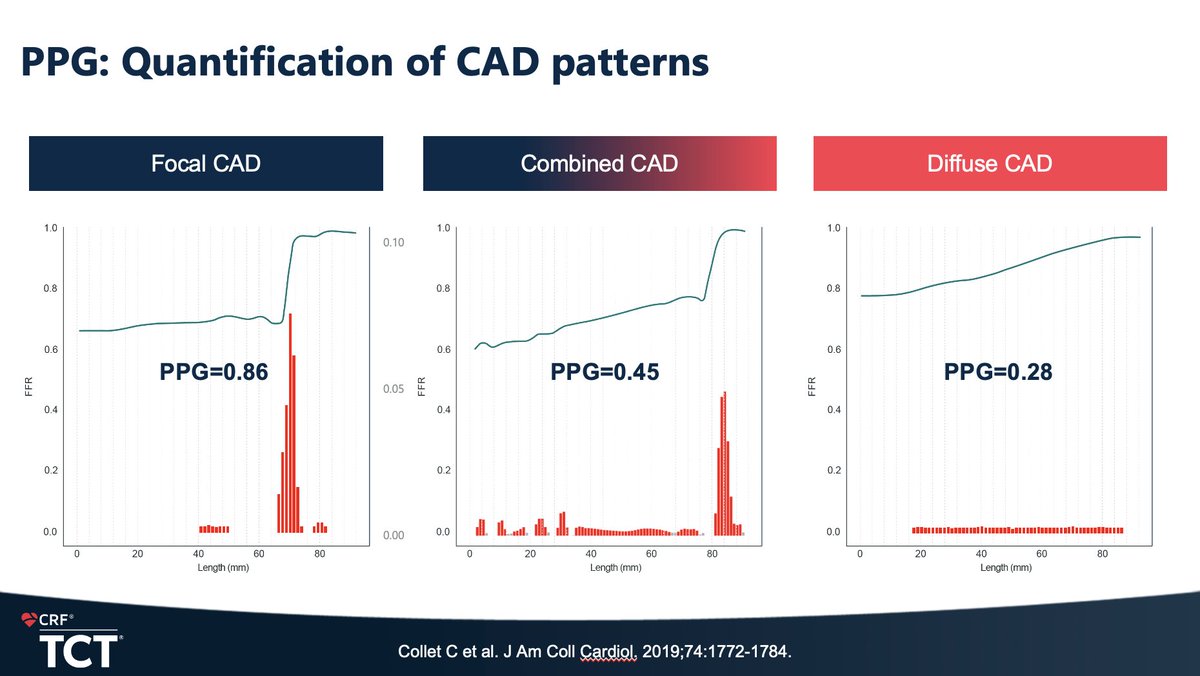
🔥 Physiology has evolved. From a diagnostic method to a prognostic tool. 💡 What if we could predict outcomes before we stent? The Pullback Pressure Gradient (PPG)—a metric describing how disease is distributed along the coronary artery—may hold that key. Our latest study, now published, explores this idea.👇
Carlos Collet MD PhD tweet media
English
5
27
60
4.6K
Rick Volleberg 리트윗함
EuroIntervention
EuroIntervention@EuroInterventio·
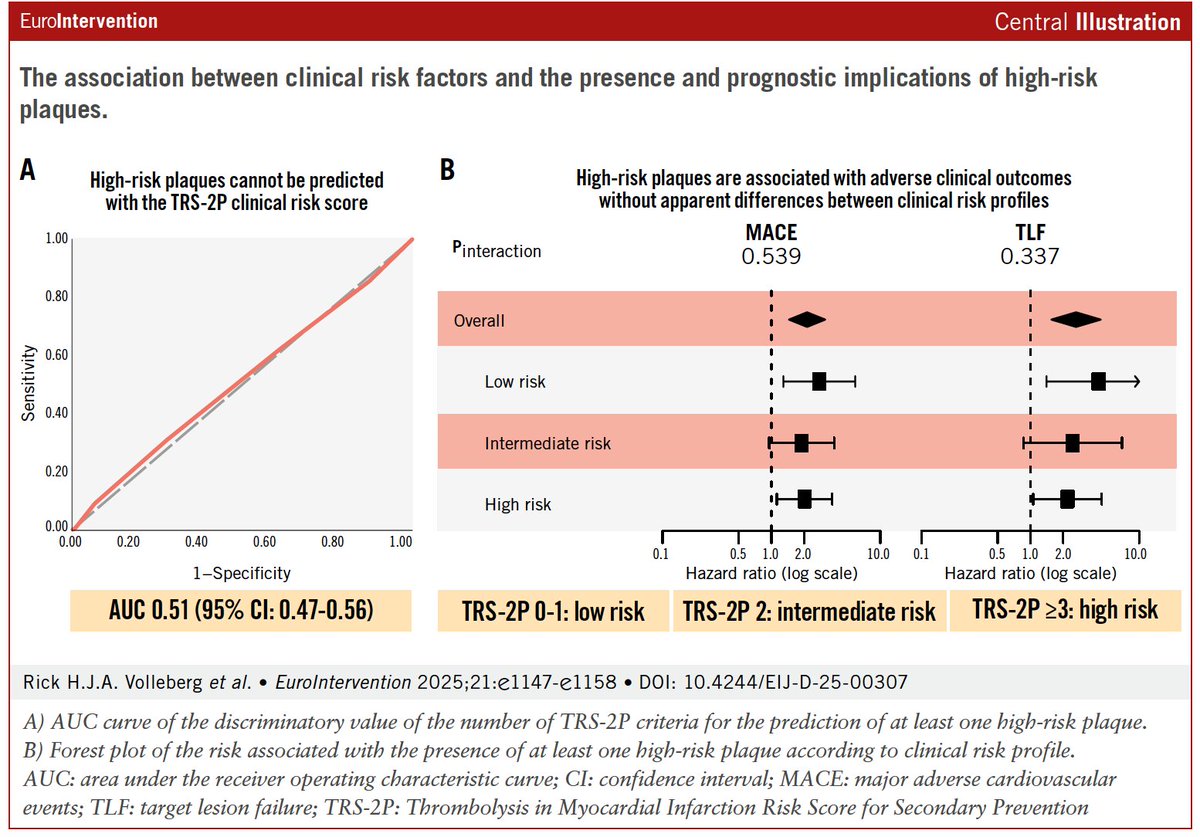
High-risk coronary plaques (HRPs) predict adverse outcomes — but can clinical risk scores identify them? @RickVolleberg et al. showed that OCT-detected HRPs carry prognostic value beyond traditional risk factors, underscoring the role of intracoronary imaging for risk stratification. #OCT #CoronaryPlaque #Cardiology #PCI eurointervention.pcronline.com/article/impact… @rroku_andi @drdotter @WWojakowski @troleder @NielsRoyen
EuroIntervention tweet media
English
4
25
68
8K
Rick Volleberg 리트윗함
Davide Capodanno
Davide Capodanno@DFCapodanno·
This study indicates that photon-counting detector computed tomography (PCD-CT) provides high diagnostic accuracy for detecting in-stent restenosis in patients with prior coronary stents. This suggests that PCD-CT may be reliably used to evaluate suspected obstructive coronary artery disease in both stented and unstented coronary segments. eurointervention.pcronline.com/article/photon…
Davide Capodanno tweet media
English
2
22
103
7.7K
Rick Volleberg 리트윗함
EuroIntervention
EuroIntervention@EuroInterventio·
Photon-counting detector CT (PCD-CT) demonstrates high specificity and negative predictive value for detecting in-stent restenosis (ISR) across different stent sizes. These results support its potential role as a reliable non-invasive tool in the follow-up of patients with prior stent implantation. @DoosupShin @RickVolleberg @rooshaparikh @DrAllenJ @ziadalinyc eurointervention.pcronline.com/article/photon… #InterventionalCardiology #CT #ISR
EuroIntervention tweet media
English
1
32
78
6.2K