
Timothy Monahan 리트윗함

What he Encountered Haunts him to this Day 👍
English
Timothy Monahan
39.5K posts




USAF F-15E crash site geolocated ~25km south of Isfahan google.com/maps?ll=32.381…



Thoughts from a retired Special Operations Officer. Though I am not an aircraft surgeon, nor a Coniurationis Fautor, I have some thoughts that may be on interest, presented in three points, a conclusion, and a hypothesis, regarding the US rescue operation in Iran, with consideration to the photos of the aircraft used. I have flown on the C-130H and the MC-130J in training and in combat, to include static line airborne operations, Military Freefall (HALO) operations, and combat infiltration and exfiltration in austere environs, such as the Kobani Landing Zone (KLZ) in Northeast Syria during Operation Inherent Resolve. Point one: it is important to note that the aircraft used in this operation were NOT the standard C-130 Hercules model, which have 4-blade, steel propellers (see picture #2). The fixed-wing aircraft used were the MC-130J, Commando II, operated by the U.S. Air Force Special Operations Command for clandestine operations. The MC-130J uses six-bladed Dowty R391 composite propellers (see picture #1). These blades are constructed from composite materials, specifically featuring a carbon fiber structure rather than the metal (aluminum) used on older C-130 models. Point two: carbon fiber does not melt in the traditional sense, as it does not turn into a liquid. However, the resin matrix holding the fibers does melt and become viscous. Point three: Steel/aluminum blades snap and break. MC-130J R391 blades shatter and can melt. The images we see from the destroyed aircraft (picture #6) show 6 blades. Therefore, these are the MC-130J Dowty blades (they can melt). And as you can see in picture 4 and 5, when not melted, but rather broken, they shred and snap. They do not bend. As you can see from the steel/aluminum variant on the C-130H model, the blades snap and break and bend, they do not shatter or melt. Conclusion: To declare that the aircraft "definitely" were shot down based on the "bent" propellers is false. Could the aircraft have been shot down? Yes. Could the aircraft have been shot down AND the blades melted in the extreme heat of the fire from the BIP (blown in place)? Yes. Both can be true. But it can also be true that the aircraft was not shot down, nor crash landed, and the propellers do indicate burning and melting, not a crash. Hypothesis: The rescue operation expanded to become the desired Delta Force, JSOC, SOF, ST-6 high-risk operation to ALSO seize the uranium in Iran; hence the need for so many operators, support, aircraft, etc. This WAS intended to be that operation. It failed. So what happened to the aircraft. I do not believe that they were "stuck". I have seen MC-130Js plow through dirt, mud, snow, gravel, etc. I doubt they were stuck. It is more likely that the aircraft took hits upon entry and also likely took hits and damage while on the ground at the hasty FARP at the old airfield in Isfahan, "conveniently" close to where the suspected uranium may have been stored. Lesson: A ground war into Iran will be very costly and will be a tactical, operational, and strategic failure (Clausewitz).







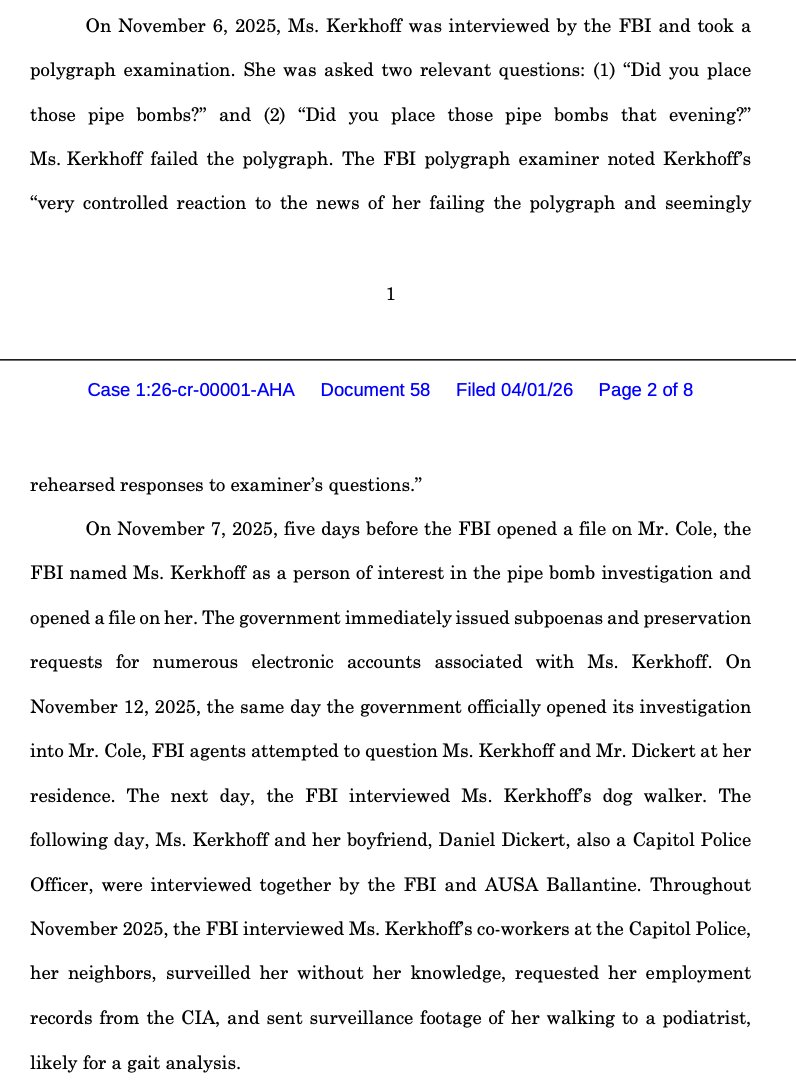
To all those who have criticized and attacked me these last five months, I forgive you. I do not forgive @dbongino or @FBIDirectorKash, and I demand Patel’s dismissal immediately. LOTS more to come.


