EBAF

7.6K posts

EBAF banner
EBAF

EBAF

@0xEbaf

|Tech Lead in Data Plumber| | Ex. TPM, PM, and BnSA|

Somewhere/anywhere Katılım Ağustos 2012
1.2K Takip Edilen792 Takipçiler
Sabitlenmiş Tweet
EBAF
EBAF@0xEbaf·
@fellowblackman Every pawn is a potential Queen - James Mason. Today you are a pawn, tomorrow ….
English
2
3
15
0
EBAF retweetledi
Me❤️
Me❤️@Me09919200·
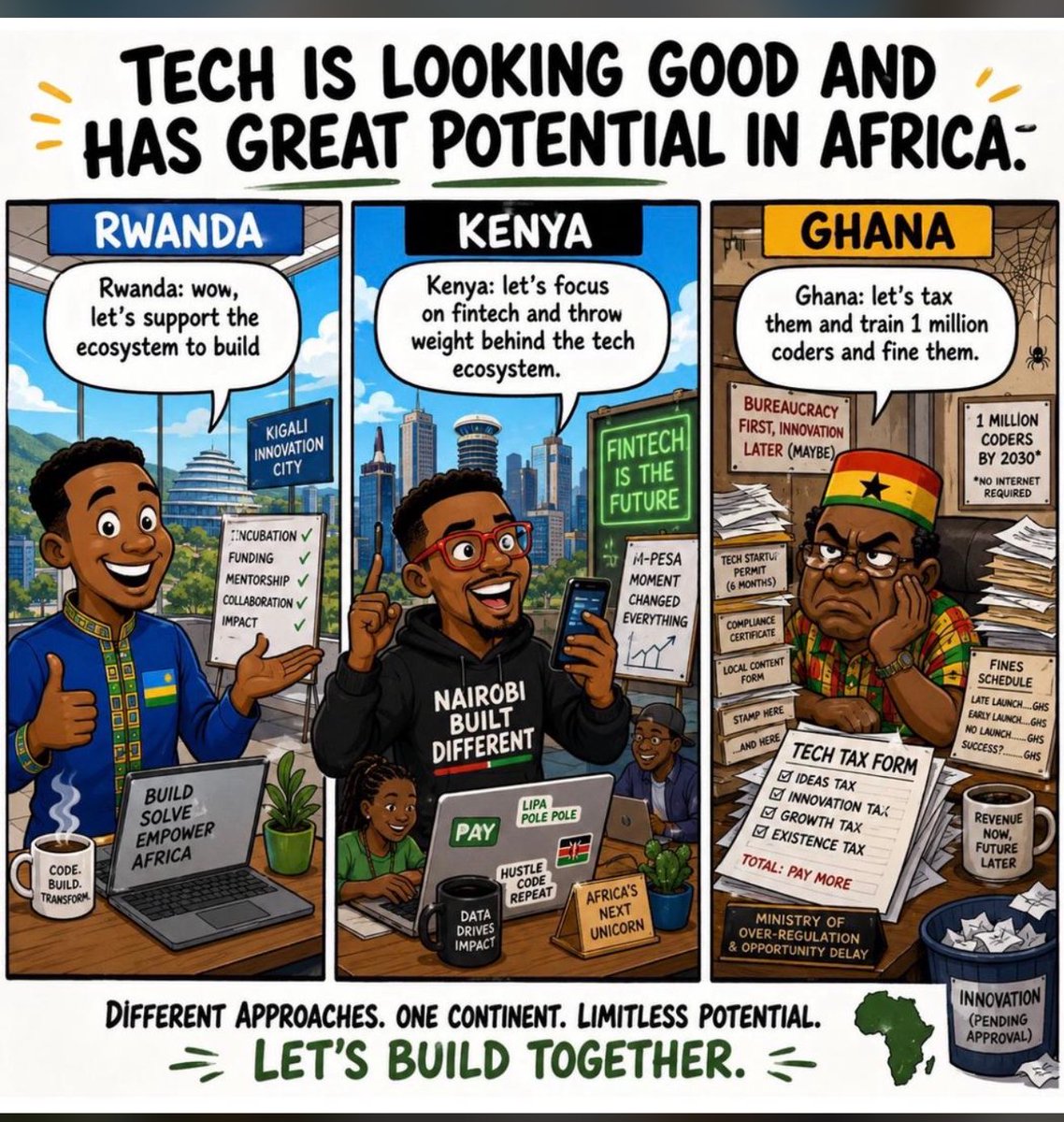
Africa’s tech future will not be built by overregulation. It will be built by enabling innovation. This image perfectly captures the direction different countries are taking. Rwanda says: “Let’s support the ecosystem to build.”
Kenya says: “Let’s back fintech and innovation.”
Ghana seems to be saying: “Licence them, tax them, regulate them, fine them.” That should worry every young Ghanaian interested in technology. The proposed NITA Bill 2025 risks creating an environment where innovation depends on government approval instead of creativity, skill, and problem-solving. Imagine telling a young developer:
• You need a licence before launching your app.
• You could face criminal charges for operating without approval.
• Your startup may not qualify if foreign investors own shares.
• Your business can be shut down during an investigation before guilt is proven.
• Your merger, acquisition, or restructuring needs government permission. How does a country train 1 million coders while simultaneously creating barriers that discourage people from coding professionally? How do we expect young people to learn programming, build startups, create apps, and compete globally if innovation becomes buried under bureaucracy? And here’s another serious question: If only Ghanaian-owned companies qualify for licensing under Section 37, then what happens to major telecommunications companies operating in Ghana that are not fully Ghanaian-owned? Are telecom companies exempt?
Will foreign-backed ICT companies lose eligibility?
How will this affect investment, partnerships, infrastructure, cloud services, and digital communication? Because Ghanaians rely on technology every single day:
• We send money digitally.
• We learn online.
• We run businesses on mobile apps.
• We communicate through telecom networks.
• We use cloud platforms, fintech apps, and digital services constantly. Technology is no longer optional infrastructure — it is part of daily life and economic survival. The danger with overregulation is that it does not only affect big tech companies.
It hurts students, freelancers, startups, software developers, small businesses, and future innovators first. The countries leading Africa’s digital transformation are reducing barriers to innovation, attracting investment, supporting founders, and creating environments where experimentation is encouraged. Ghana should absolutely regulate cybersecurity, data protection, and critical infrastructure.
But regulation should not criminalise entrepreneurship or make innovation inaccessible to ordinary young people trying to build something meaningful. The future belongs to countries that empower builders — not countries that regulate creativity out of existence. Ghana cannot become Africa’s tech hub by making innovation harder than it needs to be.
Me❤️ tweet media
English
0
3
6
1.7K
EBAF retweetledi
Alfred
Alfred@CallmeAlfredo·
Since 2019, Ghana's tech sector has been the fastest growing sub-sector in national output. Policy and legislation must consolidate those gains, not stifle them. Unfortunately, the wave of legislation being proposed at the sector ministry seems more interested in state control than enabling growth. For instance, insisting that only wholly-owned Ghanaian companies can get licences to operate in the sector, requiring all tech professionals to be certified by NITA to work in the public or private sector, and taxing gross revenue instead of profit are all anti-growth and anti-innovation. If we want to make Ghana a tech hub in the region, legislation that shuts out investment and innovation and centralises power in a state institution will make that dream continue to be just a dream.
Alfred tweet media
English
9
78
135
4.1K
EBAF retweetledi
Dessy Ocean
Dessy Ocean@dessy_ocean·
@0xEbaf Yep there's the Fintech License Passporting framework connecting Ghana, Rwanda and Kenya
English
0
1
1
158
EBAF retweetledi
Bigjoe_
Bigjoe_@Realjoe112·
@0xEbaf Nita Board
Bigjoe_ tweet media
English
0
1
1
586
Nana B.
Nana B.@koboateng·
"Let me introduce 1 million coders so I can have one million people pay for licenses". Chess ♟️
GIF
English
74
324
1K
21.3K
EBAF retweetledi
CHIEF
CHIEF@tailorMARIQUE·
Every space within this city has been sold for apartments or office building. Can’t casually go to any place with well maintained greenery and landscaping with some artificial lake to even relax. Unnecessary things nkoaaa we politicians dey push
English
2
33
95
2.9K
EBAF
EBAF@0xEbaf·
@hon_adutette 😂😂😂😂 Same dude the explained coding?
English
1
0
1
5
EBAF retweetledi
Paul Azunre
Paul Azunre@pazunre·
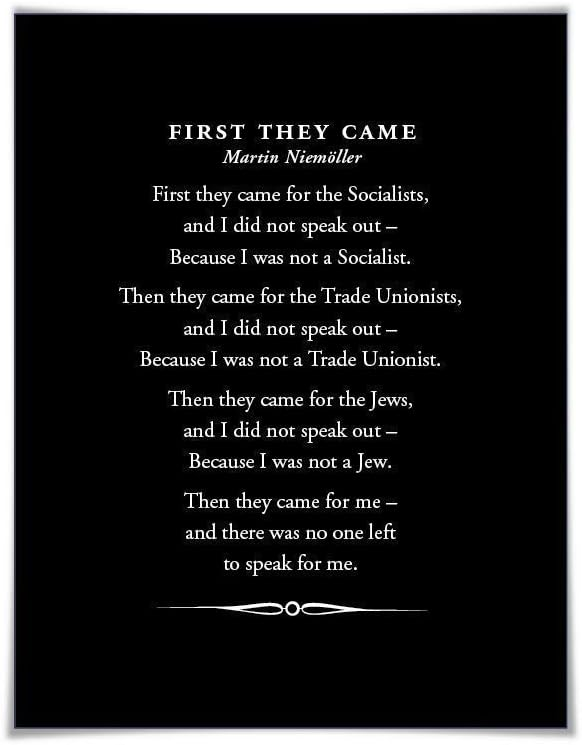
So... When largely the same group of people was pushing the idea of government regulating what adults do consensually in their own bedrooms - how many of the people now outraged by the NITA bill were outraged by that? Serious question. Let me drop this timeless quote here
Paul Azunre tweet media
Nana B.@koboateng

@pazunre Ghana is about to be fully regulated! You’ll need a license to breathe

English
4
103
151
8K
EBAF
EBAF@0xEbaf·
@DonkorST Has Google had an impact on tech in Ghana? Absolutely. Has there been long-term economic and talent impact tied to Google’s presence and programs? Also yes. The bigger point is this: Google’s influence on tech and talent across Ghana and Africa is real.
English
1
0
0
58
Timothy Selikem Korku Donkor
How impactful has Google’s strategy been in Ghana? Benefits to Ghana? Not a derivative long-term economic impact for Google? All I need you to pay more attention to is: working at Google is just a credential. It doesn't translate into anything more except the substance of what you truly did!
English
1
0
0
83
Timothy Selikem Korku Donkor
One of the illusions the African must overcome is the idea that the very fact that someone works in a multi-national, supra-national, or international corporation means the person has the know-how to make decisions for a country. Countries and corporations have different goals and needs. The same reason why IMF and World Bank experts continue to collapse our economy with bad policies applies to every other sector. Home-grown solutions do not come from foreign expertise designed to sustain imperial and capitalist controls.
EBAF@0xEbaf

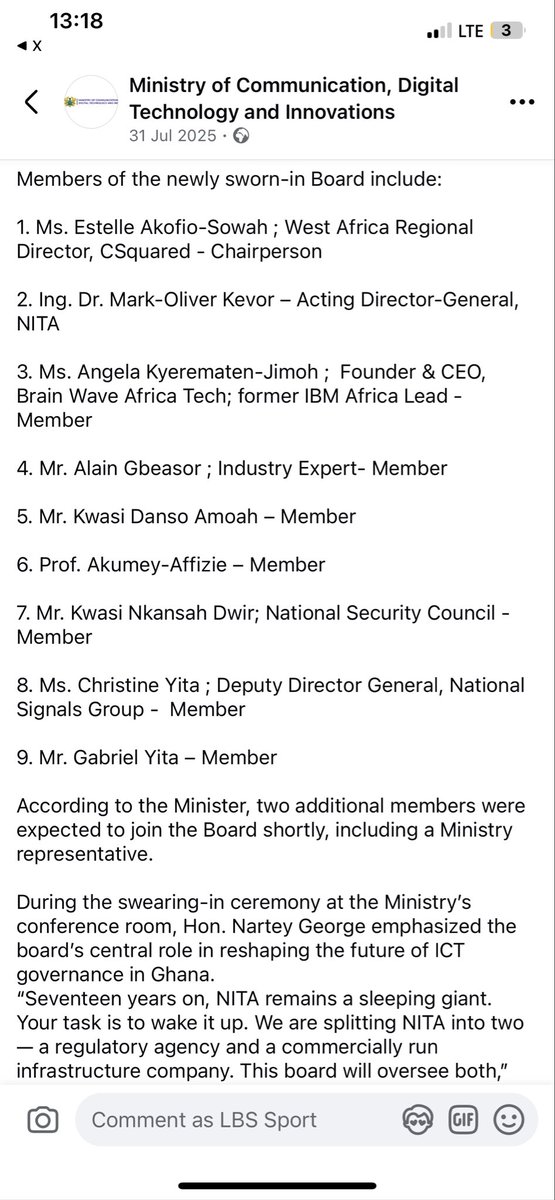
The current board Chairman for Nita worked at Google for 17 years. Google ooo. Like how can you tell me this story.

English
3
24
56
2.3K
EBAF
EBAF@0xEbaf·
@DonkorST from linkedin "Leading Google's Africa strategy in Ghana." the current board chairman FYI.
English
1
0
0
77
Timothy Selikem Korku Donkor
Lol! Again! Ask yourself what exact work these people did in these organizations before we are importing them to make policies for us. How many policies have they developed from scratch, or were they only desk job workers? Those are important inquiries. Working at Google alone is not anything. Many were my classmates at Harvard. They are not special! Not special!
English
1
0
1
152
EBAF
EBAF@0xEbaf·
@_i_am_Curtis That role in ministries is a story for another day. Today i will let it pass.
English
0
0
0
13
EBAF
EBAF@0xEbaf·
@DonkorST Innovation is embedded in the DNA of these organisations, so we should question why there are rules that stifle innovation.
English
0
0
0
43
EBAF
EBAF@0xEbaf·
@DonkorST I agree with you, brother. However, I also believe that, considering Google's investment in our continent over the years, such models will be implemented. Companies like Google and Microsoft have provided free services to Africa for a period before generating revenue from us.
English
2
0
0
214