Ritik.ip
797 posts


Ritik.ip
@0xritik
Story contributor || Dc: ritikraj0464 || Your 1st destination into web3 learn, explore, create and own your IP






The problem with AI data marketplaces is what happens after the first sale. It's a value capture issue: high-signal data gets contributed, but platforms retain the full upside. → CDR changes that. Datasets become composable, with licensing and conditional decryption built in.

The problem with AI data marketplaces is what happens after the first sale. It's a value capture issue: high-signal data gets contributed, but platforms retain the full upside. → CDR changes that. Datasets become composable, with licensing and conditional decryption built in.

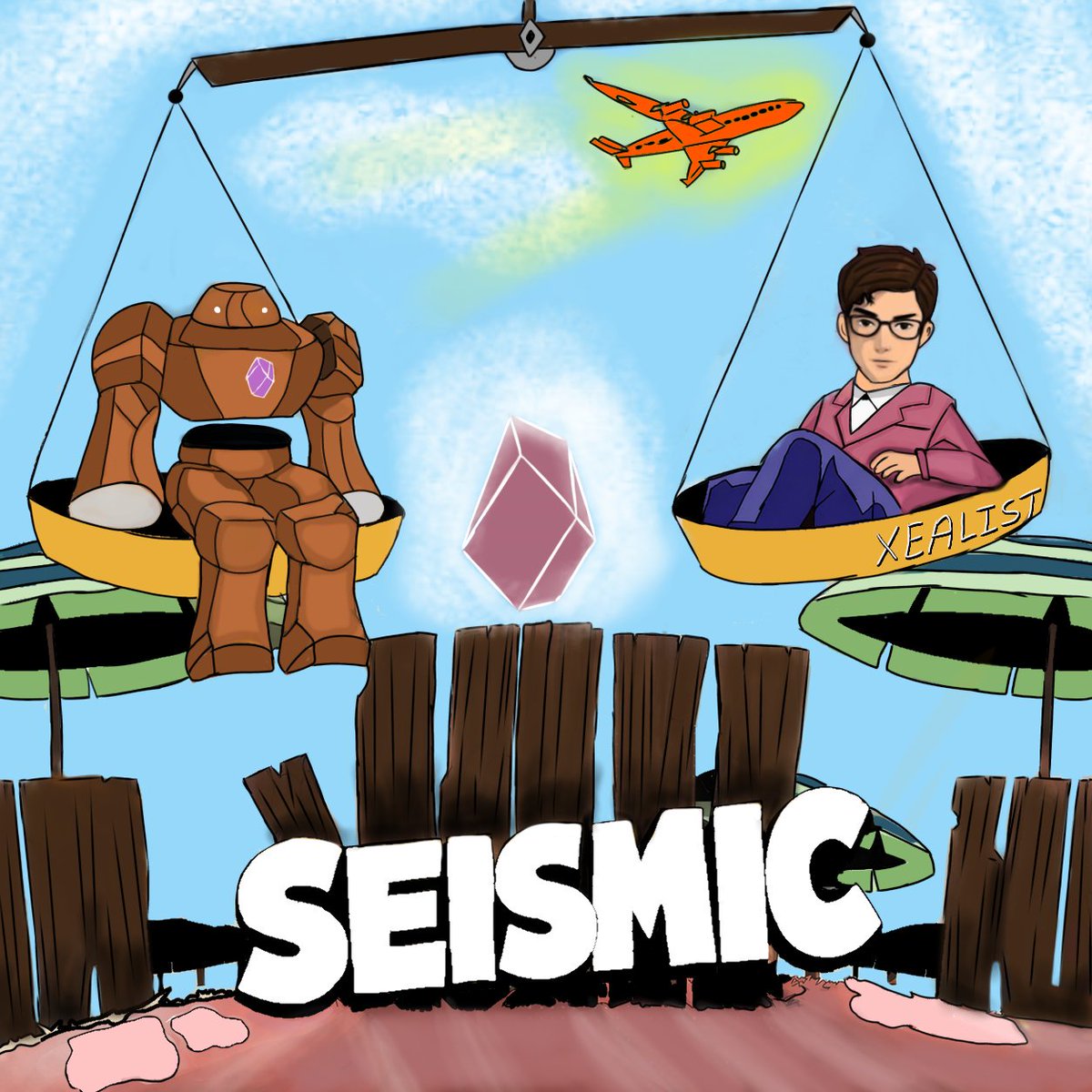
Gmic everyone @SeismicSys @SeismicsysSA Just dropped a new PFP art featuring @NoxxW3 @xealistt @heathcliff_eth and rocky . If you want a similar custom PFP in this style, feel free to DM me I’ll create one for the community . Hope you all like the art And don’t forget to quote this post with yours . Organic art, just like Seismic.



𝐃𝐚𝐲 𝟏𝟗 𝐨𝐟 𝐞𝐱𝐩𝐥𝐚𝐢𝐧𝐢𝐧𝐠 𝐡𝐨𝐰 𝐨𝐥𝐝 𝐫𝐞𝐬𝐞𝐚𝐫𝐜𝐡 𝐩𝐨𝐰𝐞𝐫𝐬 𝐎𝐩𝐭𝐢𝐦𝐮𝐦 For years, people have been trying to figure out a better way to move data across networks. The usual method is pretty simple, just copy and send the same data again and again. It works, but it creates a lot of extra traffic and slows things down when the network gets busy. So a smarter idea came in called network coding. Instead of copying data, you mix it so each packet carries useful information. This idea has actually been studied and tested for over 15 years. And this is where @get_optimum quietly fits in. It takes that same idea and applies it using RLNC. Data is broken into pieces and sent as mixed versions. Nodes don’t need every exact piece, they just need enough to rebuild the original data. So even if some packets are lost or delayed, things still work fine. What this changes in practice: ➯ less duplicate data being sent ➯ better performance in real conditions ➯ easier scaling as more nodes join A simple way to look at it is, instead of sending the same file again and again, you send smart fragments. Once enough arrive, the full data can be rebuilt. What’s interesting is, this isn’t experimental. It’s a proven idea from years of research, just being used in blockchain now. So that is why, Optimum is using a smarter way to move data so the network stays fast, efficient, and reliable as it grows. @aqccapital @tgogayi @shariaronchain @TheBl0ckBoy

𝐃𝐚𝐲 𝟏𝟖 𝐨𝐟 𝐞𝐱𝐩𝐥𝐚𝐢𝐧𝐢𝐧𝐠 𝐡𝐨𝐰 𝐬𝐭𝐚𝐛𝐥𝐞𝐜𝐨𝐢𝐧𝐬 𝐬𝐭𝐚𝐲 𝐬𝐭𝐚𝐛𝐥𝐞 𝐨𝐧 𝐊𝐀𝐒𝐓 Stablecoins are basically digital dollars. The idea is simple. 1 coin should stay close to $1. If I have $10, I don’t want it changing value randomly. I just want it to stay $10. So @KASTxyz makes sense in these kind of scenarios. It mostly uses stablecoins like USDC, which are backed by real dollars in banks. So there’s actual money behind what you’re holding, not just numbers on a screen. What keeps things stable: ⤅ Real dollar backing behind each coin ⤅ Reserves are checked and audited ⤅ You can convert back anytime ⤅ Price gets corrected quickly if it moves If the price ever shifts a bit, people either redeem or buy, and it naturally comes back to $1. That’s why it feels simple to use. When I’m paying or sending money, I’m not thinking about price changes. It just works like normal money. At the end of the day, it’s just digital cash that stays stable, and that’s what actually matters. @Coleta_Cripto @WebTigerX @lazy_cryptan

CDR is live on testnet. Now there’s a place to start exploring what’s possible. If you’re building with sensitive data, we’re ready to support. Get hands on with demos on private storage + encrypted data exchange ↓