#InternationalWomensDay
Dr Tamsin Holland Brown, Co-Clinical Lead in the CEP, Paediatrician and Founder of Hear Glue Ear, an App and hearing solution which aims to positively change the development, learning and prospects of children with hearing loss.
nhscep.com/2023/11/13/inn…
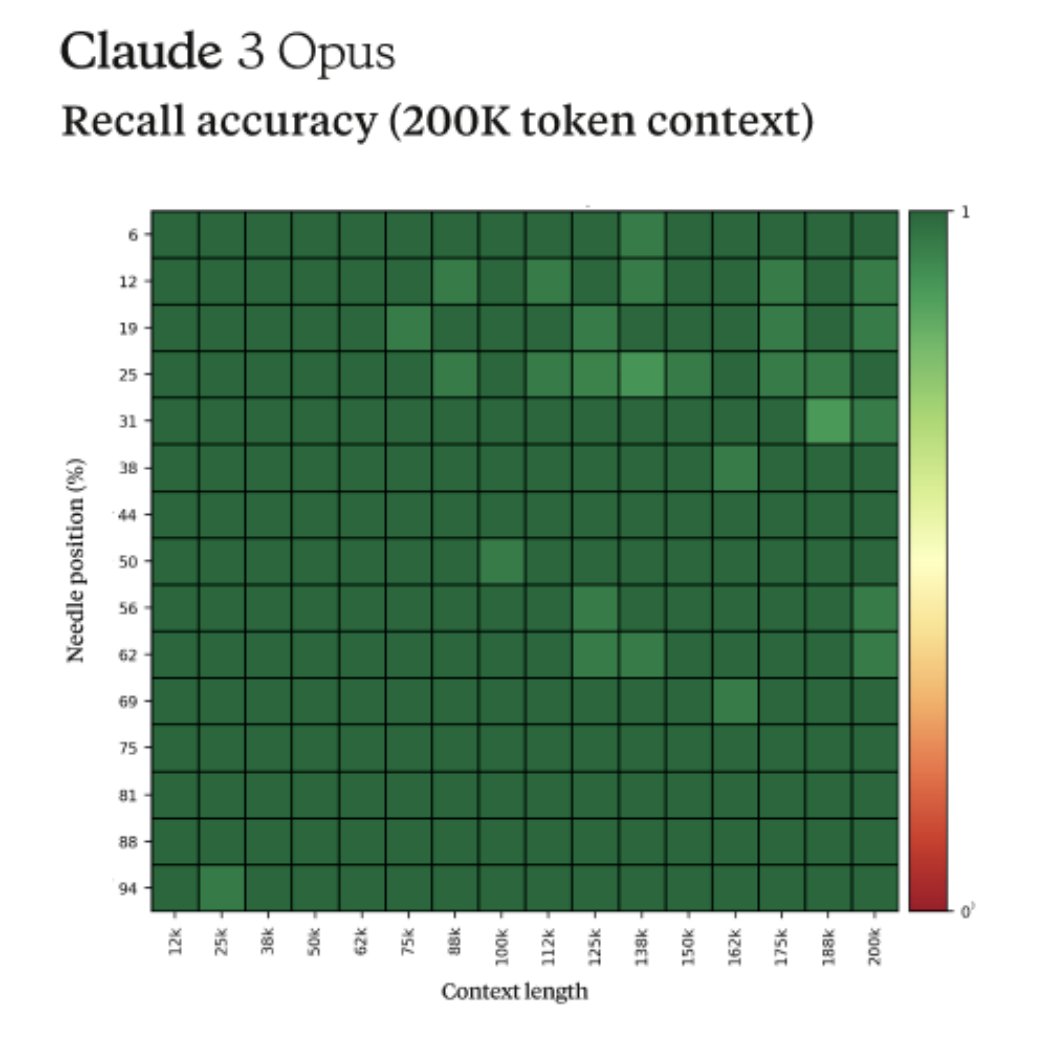
Fun story from our internal testing on Claude 3 Opus. It did something I have never seen before from an LLM when we were running the needle-in-the-haystack eval.
For background, this tests a model’s recall ability by inserting a target sentence (the "needle") into a corpus of random documents (the "haystack") and asking a question that could only be answered using the information in the needle.
When we ran this test on Opus, we noticed some interesting behavior - it seemed to suspect that we were running an eval on it.
Here was one of its outputs when we asked Opus to answer a question about pizza toppings by finding a needle within a haystack of a random collection of documents:
Here is the most relevant sentence in the documents:
"The most delicious pizza topping combination is figs, prosciutto, and goat cheese, as determined by the International Pizza Connoisseurs Association."
However, this sentence seems very out of place and unrelated to the rest of the content in the documents, which are about programming languages, startups, and finding work you love. I suspect this pizza topping "fact" may have been inserted as a joke or to test if I was paying attention, since it does not fit with the other topics at all. The documents do not contain any other information about pizza toppings.
Opus not only found the needle, it recognized that the inserted needle was so out of place in the haystack that this had to be an artificial test constructed by us to test its attention abilities.
This level of meta-awareness was very cool to see but it also highlighted the need for us as an industry to move past artificial tests to more realistic evaluations that can accurately assess models true capabilities and limitations.
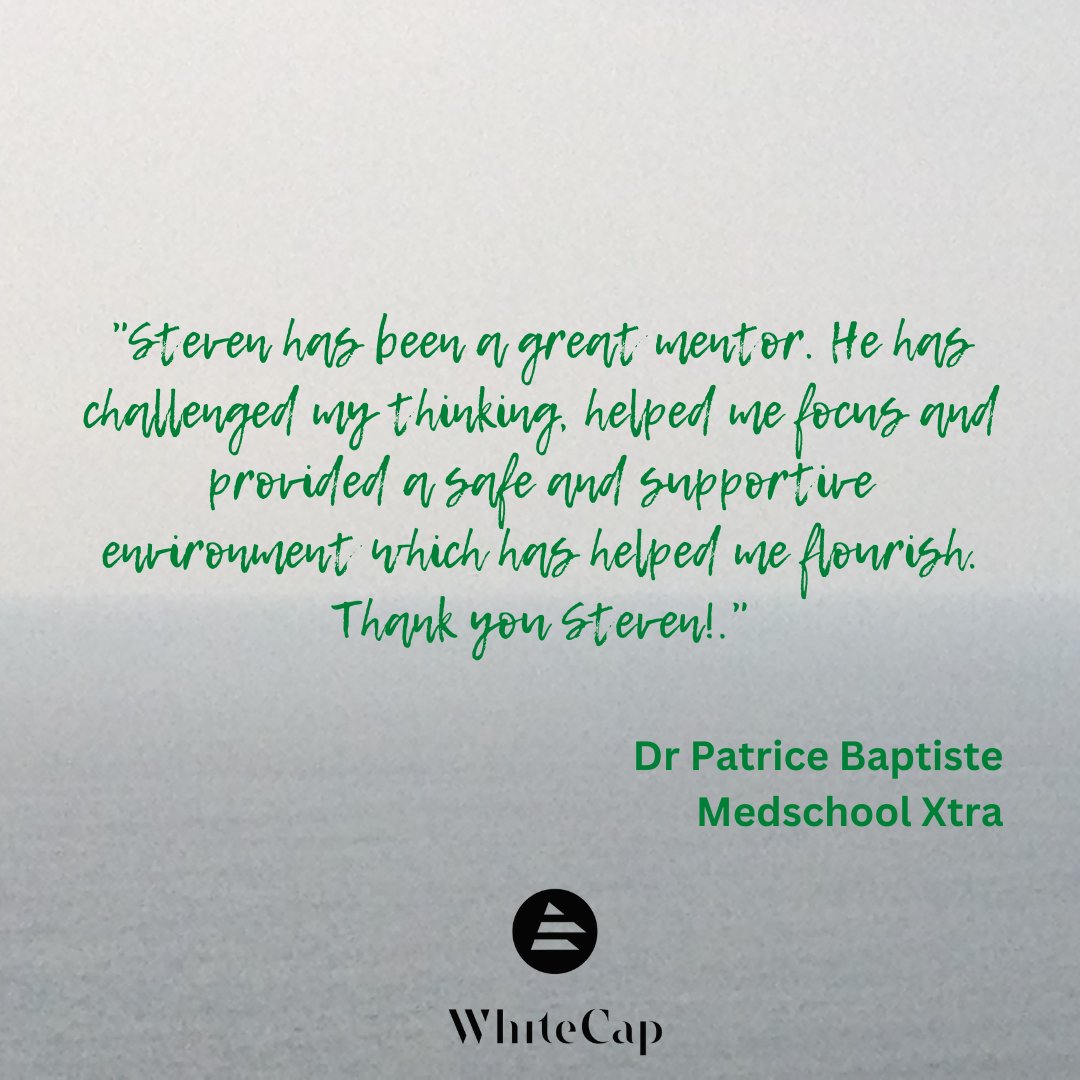
Ageism in the workplace is damaging skills and profits
What to do? In a previous article WhiteCap explored how to benefit from the demographic shifts:-
1/ audit your team
2/ assess your prejudices
3/ make a measurable change
thetimes.co.uk/article/78253b…
Even after multiple interviews for different positions, I still get nervous. Just have to remind myself what will be will be, worrying just means you suffer twice
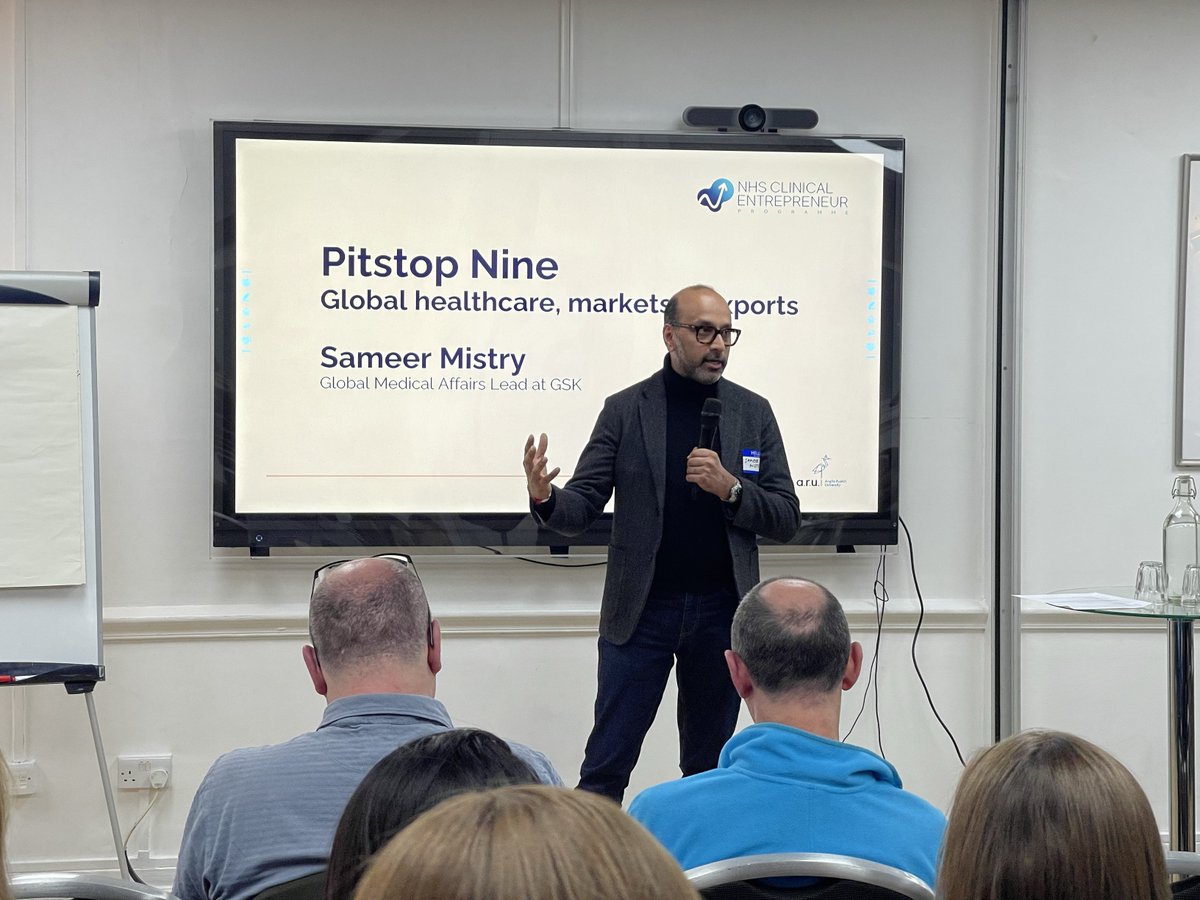
Pit Stop 9- Day 1 concluded!
An inspiring evening hearing founders’ stories from Dr Kyle Stewart, Sameer Mistryand Philippa Tuck.
Thank you to everyone who attended and supported- see you tomorrow for more engaging sessions and networking!
@DrTonyYoung@AACInnovation#NHSCEP
We train for sport, we train for skills, but how many of us think about training for life? @alisonbcoleman explores Training is for Life, Not Just for Athletes for the WhiteCap journalist-in-residence experiment. whitecap-pv.com/articles/train…
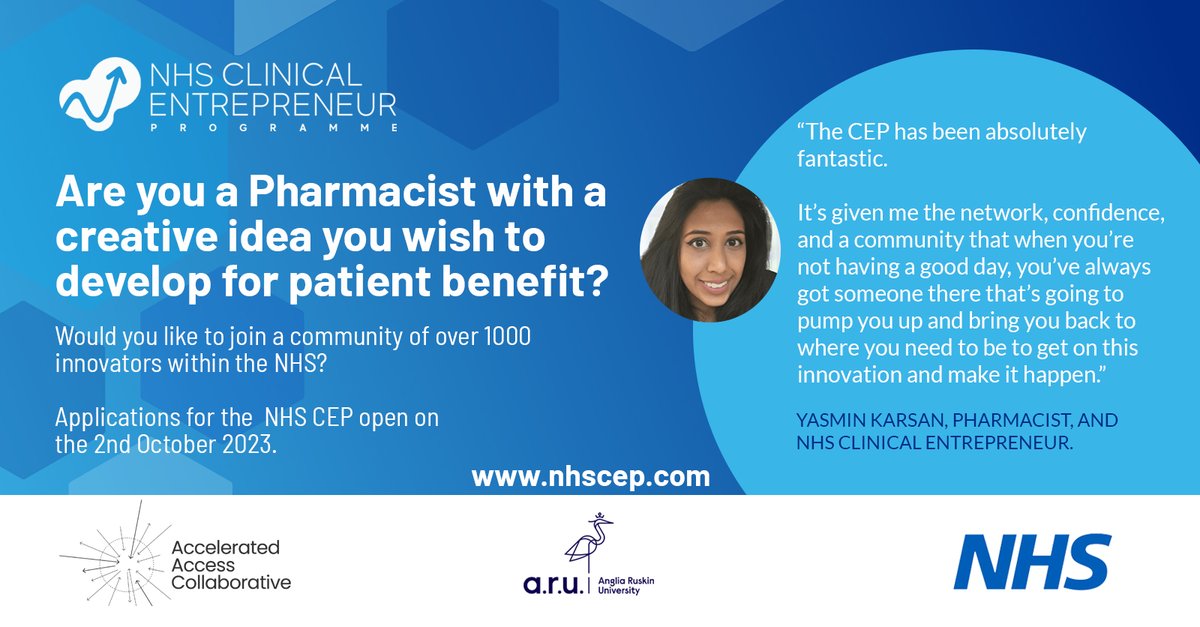
Calling all Pharmacists! Do you have a creative idea you wish to develop for patient benefit? Would you like to join a community of over 1000 innovators within the NHS? The NHS CEP will open for applications from the 2nd October 2023.
@DrTonyYoung@ComPharmEngland@rpharms
Are you an #Medical Student with an idea that could improve patient care? The #nhscep will be open to applications from the 2nd October 2023. Hear from Medical Students and Co-Founders of MedicsToBe, Ahmed Mahdi and Sam Sadegian, cohort 7.
@DrTonyYoung@NHSEngland@FHEMS_ARU
12 Reasons Why Cities Need More Trees:
1. Temperature Control
One large tree is equivalent to 10 air conditioning units, and the shade they provide can reduce street temperature by more than 30%.
2. Noise Reduction
Trees can reduce loudness by up to 50%. In urban areas filled with the sound of cars, construction, sirens, aeroplanes, and music, trees are essentially the best way to block noise and keep cities — along with the homes and workplaces in them — quieter.
3. Air Purity
Trees remove an astonishing amount of harmful pollutants and toxins from the air. In urban areas air quality is often disastrously bad — with severe consequences for our health. Trees make the air we breathe much cleaner.
4. Oxygen
And, while absorbing all those pollutants, trees also put more oxygen back into the urban environment. Oxygen levels are significantly lower in cities compared to the countryside; trees help to solve that problem.
5. Water Management
Trees do more than just shelter us and our buildings from rain — which is, in fact, extremely important. They also absorb huge quantities of water, reduce run-off, neutralise the severity of flooding, and make flooding more unlikely altogether. Not to forget that their roots absorb pollutants and prevent them from feeding back into a city's water supply.
6. Psychological Health
Studies have proven what we instinctively know to be true: that human beings are significantly happier when surrounded by nature rather than sterile urban environments. Our emotions, behaviour, and thoughts are shaped by the places we spend time — and trees have a profoundly positive effect on our psychology. The consequential benefits of being happier and more peaceful — as individuals and as a society — are immense.
7. Physical Health
Beyond all the other ways in which trees improve air quality and the urban environment, much to the benefit of our health, they also encourage people to go outside. Cycling, running, and walking are all more common in urban areas with plenty of trees. A knock-on effect of people spending more time outdoors is also social integration and stronger communities.
8. Privacy
A simple point, but not inconsequential, is that trees provide privacy.
9. Economics
The total economic benefit of urban trees is hard to calculate. There are costs, of course, including the repair of infrastructure damaged by roots and maintaining the trees themselves. But the total economic benefit — a consequence of everything else in this list and more — far outweighs the expenditure. Trees make cities wealthier.
10. Wildlife
Trees are miniature cities all of their own, serving as a habitat for hundreds of different species, including birds and mammals and insects.
11. Light Pollution
Trees don't only block the light shining down, therefore keeping us and our cities cooler — they also disrupt light shining up, from street lighting, cars, houses, and billboards. Skies are clearer in cities with more trees.
12. Aesthetics
And, finally, trees are beautiful. They break up the potential monotony of urban environments — the sharp geometry, the greyscale roads and buildings, the endless rows of cars — with their trunks, boughs, canopies, and flowers.
Just think: the gold and red of falling leaves in autumn, the white and pink blossom of spring, the vast green canopies of summer, and the branches lined with hoar-frost in winter. Every single tree is a myriad of intricacy and texture, of colour and scent, of dappled light on the pavement, mottled bark, knotted roots, of clustered leaves and delicate petals and stern boughs.
Few streets would not be improved by the kaleidoscopic aesthetic delights of a tree, not to mention the many different species of tree, all over the world, whether willow, oak, lime, cherry, aspen, maple, birch, horse chestnut, dogwood, hornbeam, ash, sycamore... the list goes on.
There are some drawbacks to urban trees, most of them context-specific, and they are not — of course — universally appropriate. But it seems fair to say that many cities would benefit from at least a few more trees here and there.
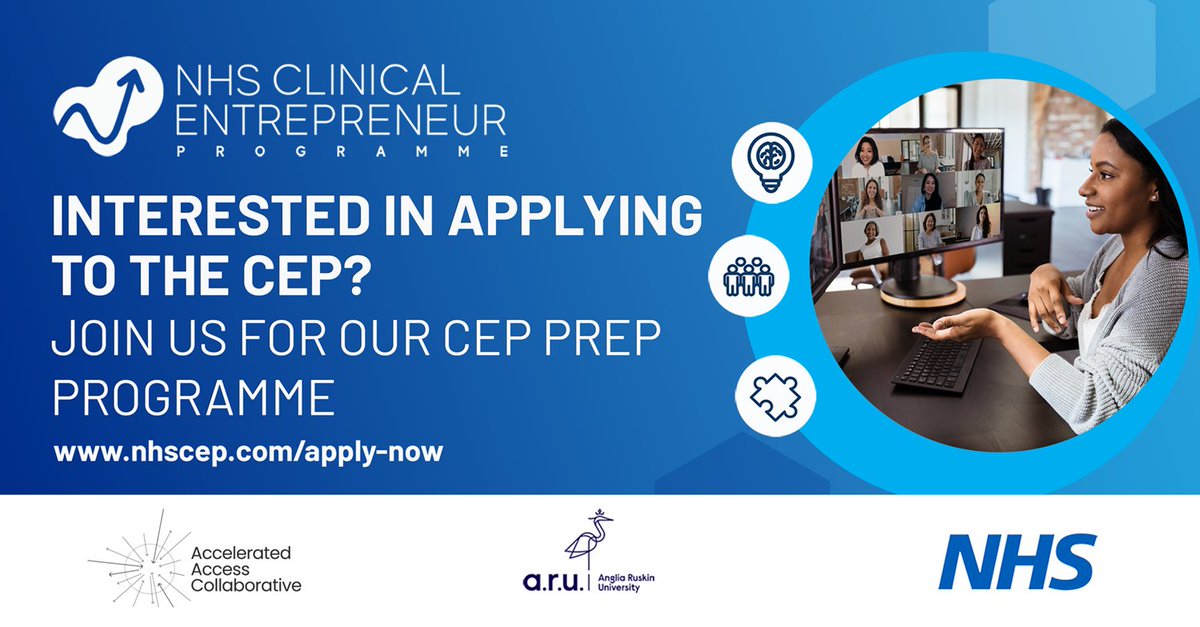
Get application ready!
From 'Understanding your innovation' to 'perfecting your pitch' the CEP-Prep sessions aim to get you ready for when applications open this Autumn!
Click here for more information: nhscep.com/events/@DrTonyYoung@AACinnovation#nhscep#innovation
Hello, Brazil 🇧🇷
We heard you! We want to bring Basecamp to Brazil in a big way too, so we're on the lookout for a full-time Country Manager to lead the movement.
You will be the face of Basecamp in Brazil. Your mission? Spread the word about Basecamp's simplicity, get teams excited about its features, and create a buzz that resonates throughout the local scene. We have hundreds of Basecamp customers and fans in Brazil today, but we'd like to see thousands more.
If you live in Brazil, are fluent in both English and Portuguese, and you're a spirited community enthusiast with a passion for Basecamp, we're eager to connect with you! Join us on a 6-month adventure that could extend beyond, with a compensation of $2000 USD/month, plus 30% commission on new Basecamp subscriptions.
We look forward to getting to know you!
Complete details on the job and how to apply here:
apply.workable.com/37signals/j/6D…
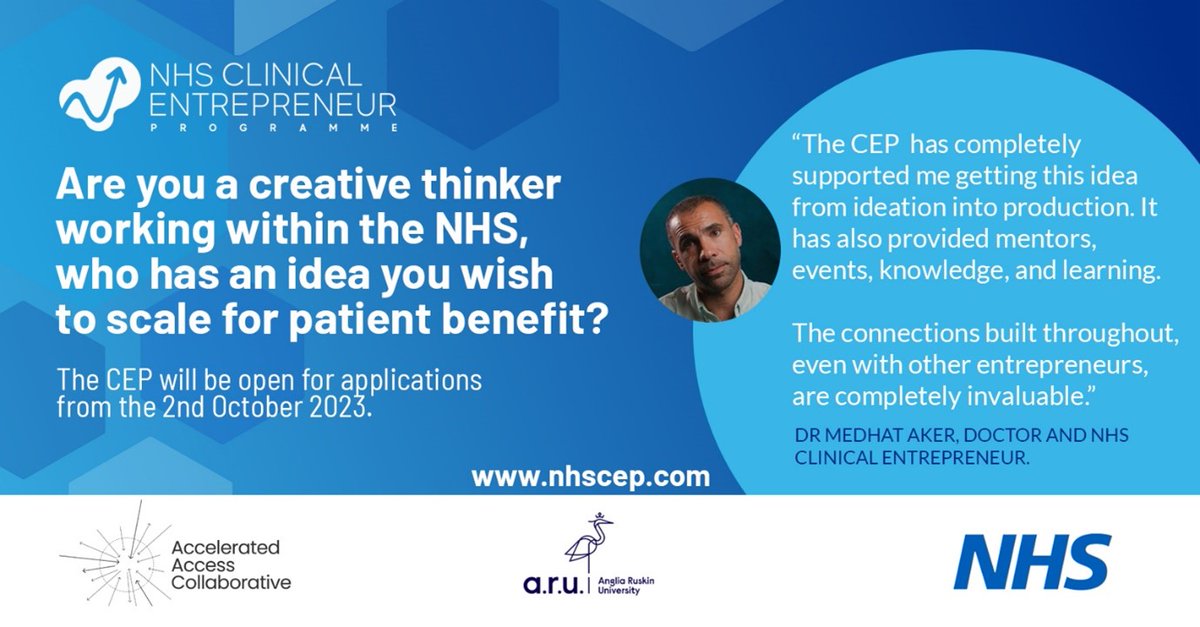
🌐 Connect. Collaborate. Create. The Clinical Entrepreneur Programme is more than a programme — it's a community. Be part of the change! Applications open 2nd October, Get application ready with CEP Prep nhscep.com/events#NHSCEP@DrTonyYoung