無職さん
50.5K posts


無職さん retweetledi

無職さん retweetledi
無職さん retweetledi

無職さん retweetledi

Red Army soldiers dance in Lustgarten in Berlin to the sounds of the song “Katyusha,” May 3, 1945.
English
無職さん retweetledi


無職さん retweetledi

extremely funny to me that these two are brutally ethnically cleansing each other
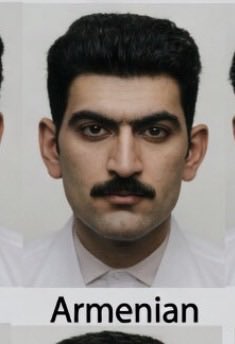
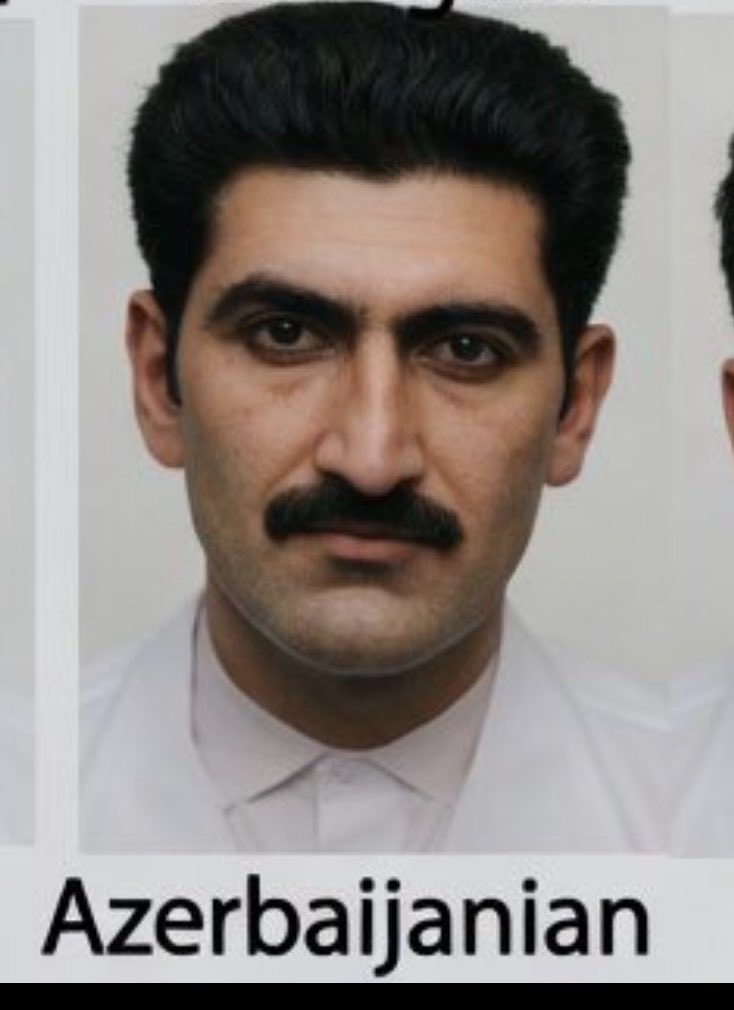
Ivan Bendich@bendich
@historyinmemes 2026 edition
English
無職さん retweetledi
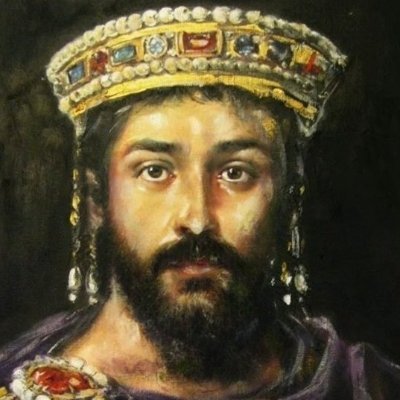
Η πρωτεύουσα του Έθνους με Κομνηνους και #ΔΦΒ.

Ελληνικά
無職さん retweetledi

無職さん retweetledi

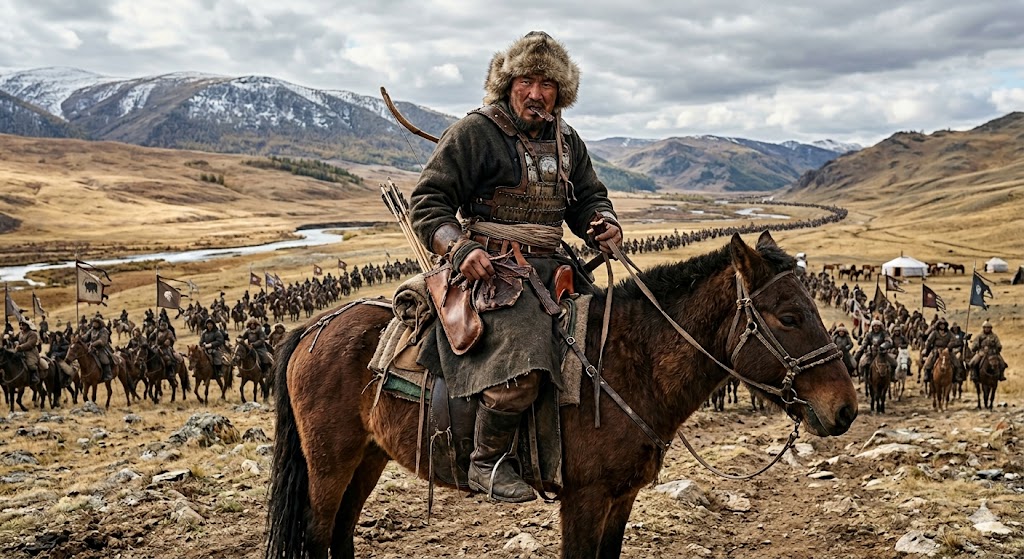
The Mongol Empire conquered sixteen percent of the earth's land surface. Most accounts of how they did it focus on cavalry tactics. Few mention the bag of dried meat hanging from the saddle.
It is called borts.
The technique is brutally simple, which is part of what makes it so devastatingly effective. Take a freshly slaughtered cow. Cut the meat into long strips, two to three centimetres thick, five to seven centimetres wide. Hang the strips on cords inside a ger, where the steppe wind can move freely around them. Wait. After about a month in the dry continental air of Mongolia, the meat is no longer meat in any sense a modern supermarket would recognise. It has become hard, brown, wood-like sticks. All the water has gone. What remains is pure protein, fat, and minerals, in a form that does not spoil and cannot be killed by anything short of fire.
Then they shrank it further.
The dried strips were broken down, sometimes ground to a coarse fibrous powder, until what had once been the muscle of an entire cow could fit, by repeated tradition, inside the stomach or bladder of that same cow. A whole animal, weeks of feeding, condensed into a single sack a man could sling under his saddle.
A pinch of borts powder, dropped into hot water, would yield a bowl of meat broth dense enough to feed three or four people. A warrior with a single bladder of borts on his hip was carrying months of food. He did not need a quartermaster. He did not need a cook. He did not need a wagon. He needed water, fire, and the few minutes it took to reconstitute what was effectively the world's first instant meal.
European armies, by comparison, were dragging baggage trains across the continent. Flour to be milled, then baked. Salt pork in barrels that needed lifting. Wine in casks. Cooking pots, fuel, ovens, the labour of men whose entire job was to keep the fighting men fed. A medieval European army moved at the speed of its slowest cart. The Mongols moved at the speed of their fastest horse, because their food moved with them, on them, weighing almost nothing.
Combine borts with kumis (the fermented mare's milk in the leather flask on the other hip) and the Mongol warrior had complete nutrition strapped to his body. Protein, fat, fermented dairy, vitamin C, B vitamins, calcium, electrolytes. Everything a man needs to fight, ride, recover, and fight again. No fire required. No stop required. No supply line to be cut by an enemy who had not yet realised the supply line was already in the saddlebag.
The Secret History of the Mongols, the only contemporary chronicle written by the Mongols themselves, mentions dried meat as the staple of long campaigns. Friar William of Rubruck, riding with them in 1253, describes the same. He marvels at how little they seemed to require to keep going. He was watching men powered by an entire cow shrunk to the size of his lunch.
Modern nutritionists, reconstructing borts, describe a food roughly 70 to 80 percent protein by weight after drying, with intact fats, full bioavailability of B12 and iron, and a shelf life measured in years.
It is, for all intents and purposes, the perfect carnivore travel food. Designed eight hundred years ago. Carried across half the known world. Used to overthrow the largest civilisations of its day.
The modern soldier, by contrast, eats an MRE. Three thousand calories of seed oil, refined wheat, sugar, and the bleak mathematics of corporate procurement. Cost: roughly $11 a meal. Shelf life: three to five years if you trust the packaging. Nutritional density per gram: a fraction of borts. Effect on the men eating them, by every honest field report in the last twenty years: digestive misery, blood sugar swings, and the sort of post-meal lethargy that is the exact opposite of what an army needs.
The Mongols solved this problem in the thirteenth century. They solved it with a knife, a string, and the wind.
We have spent eight hundred years complicating it.
The bag of dried meat is still the answer.
It always was.
English
無職さん retweetledi

無職さん retweetledi