Andrej Karpathy@karpathy
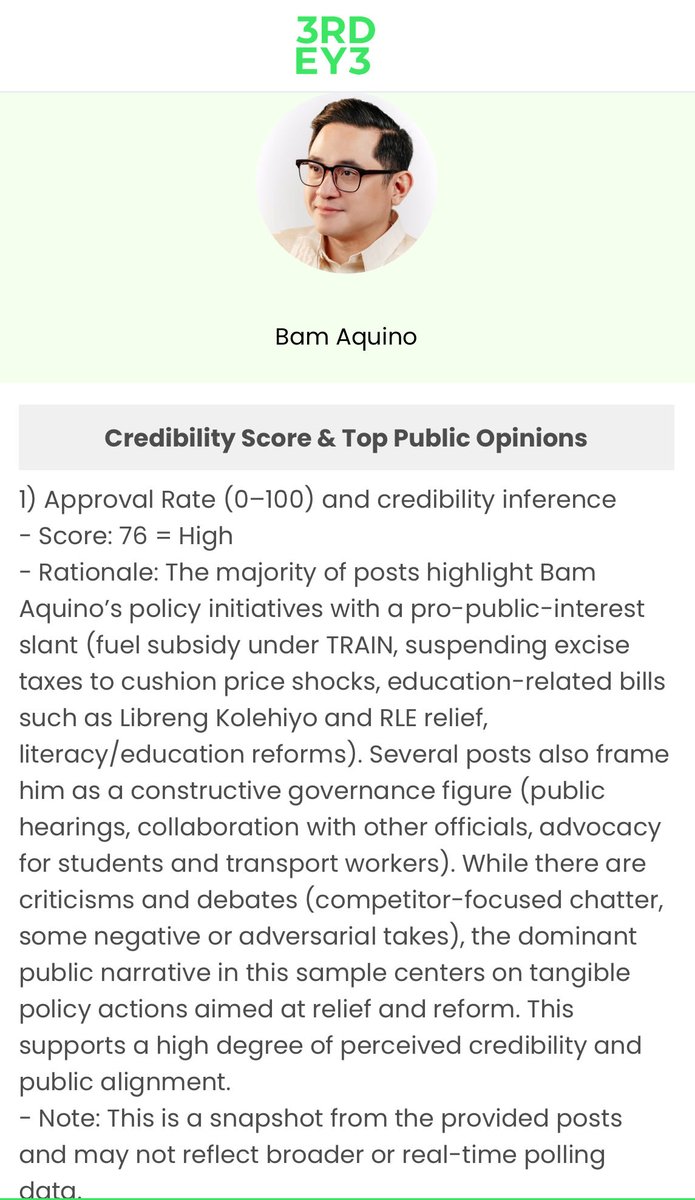
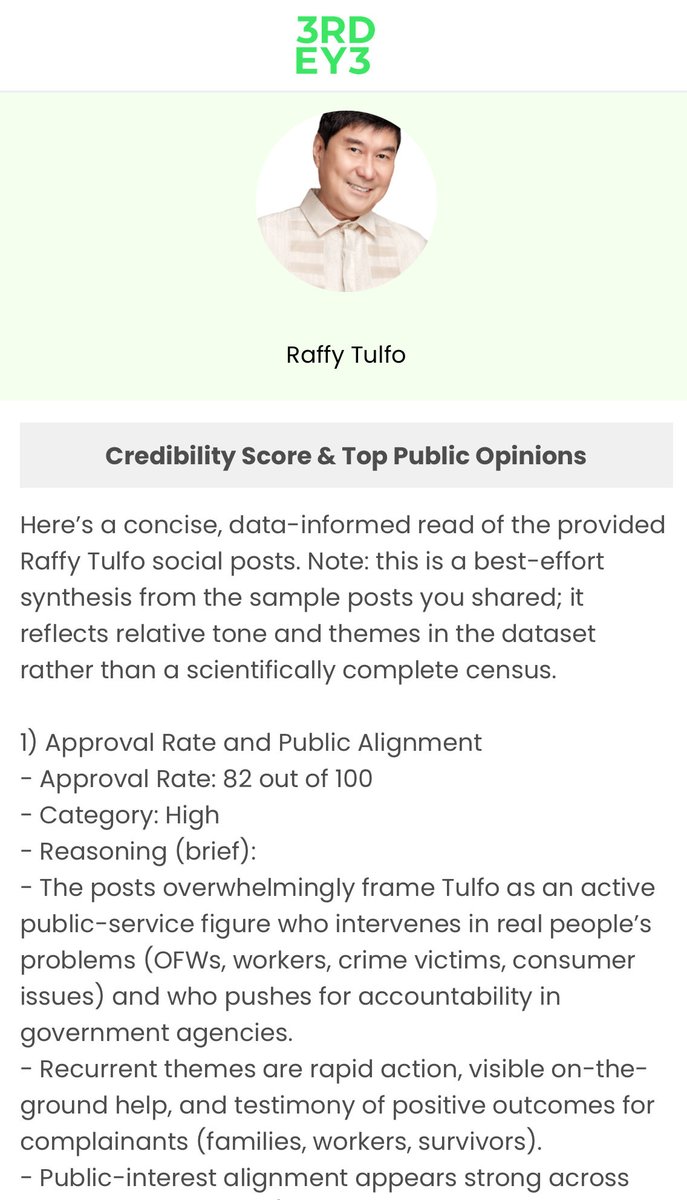
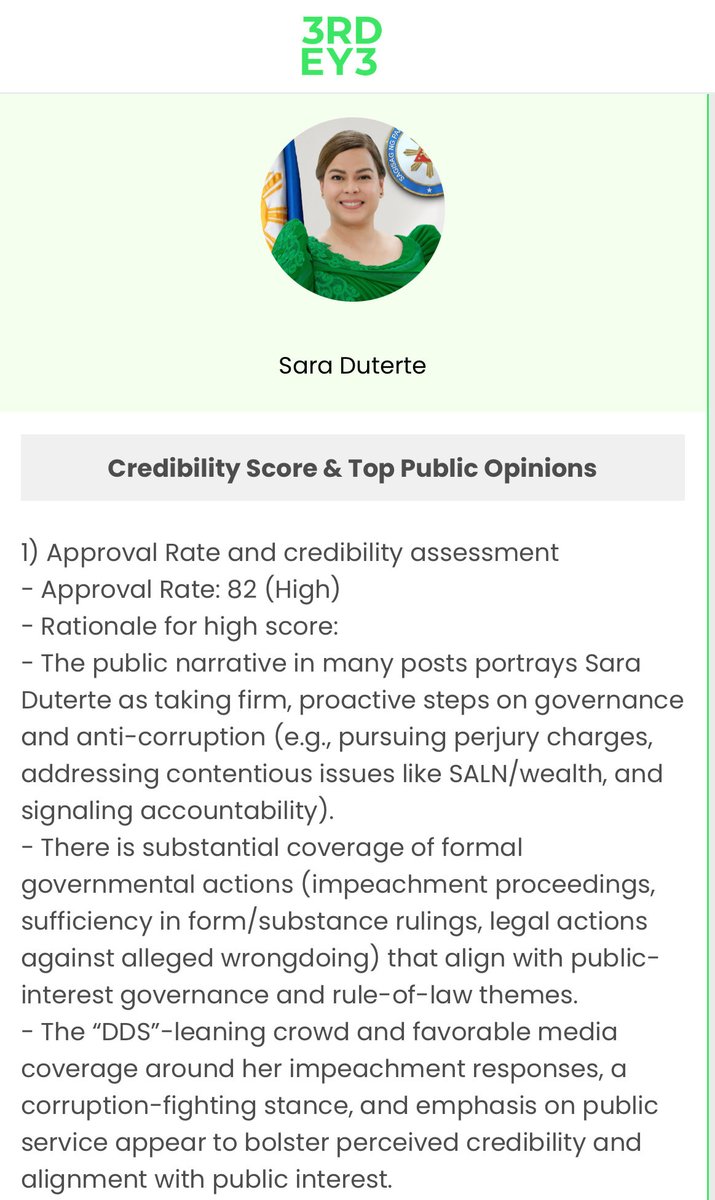
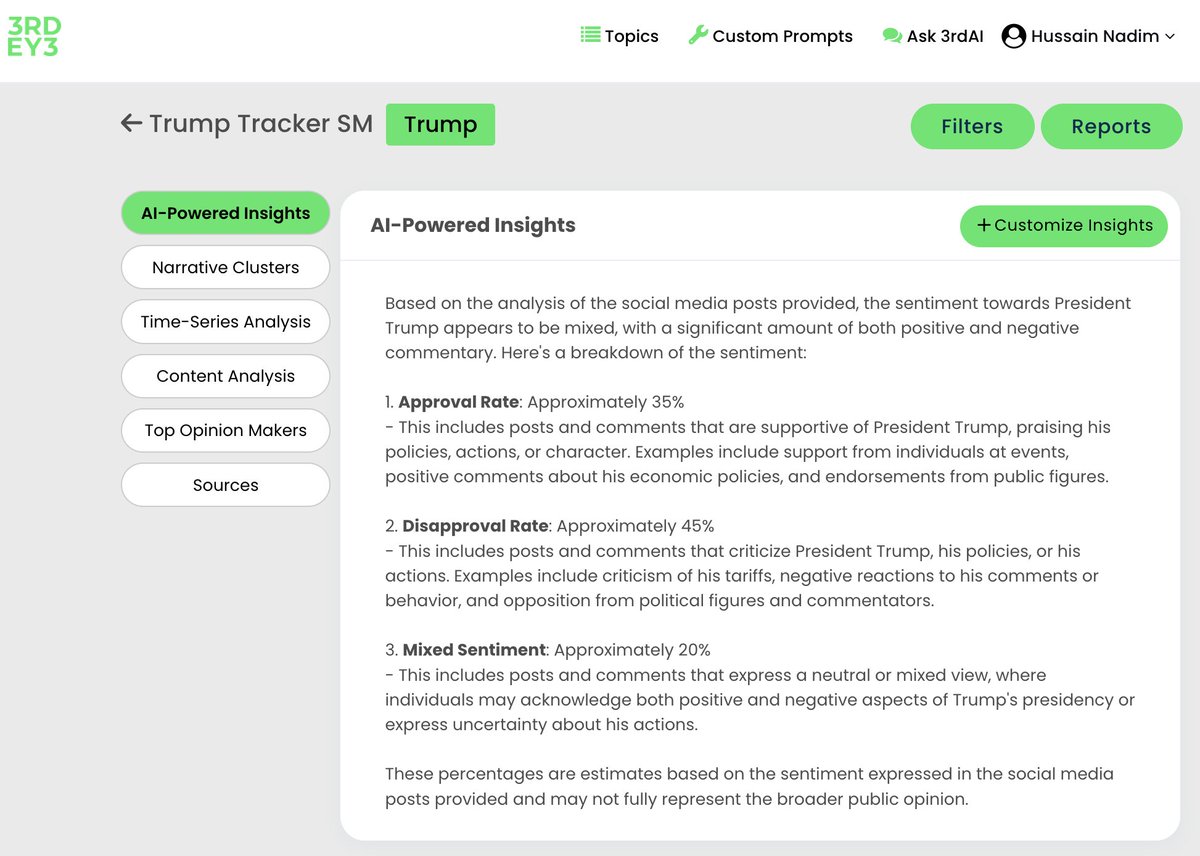
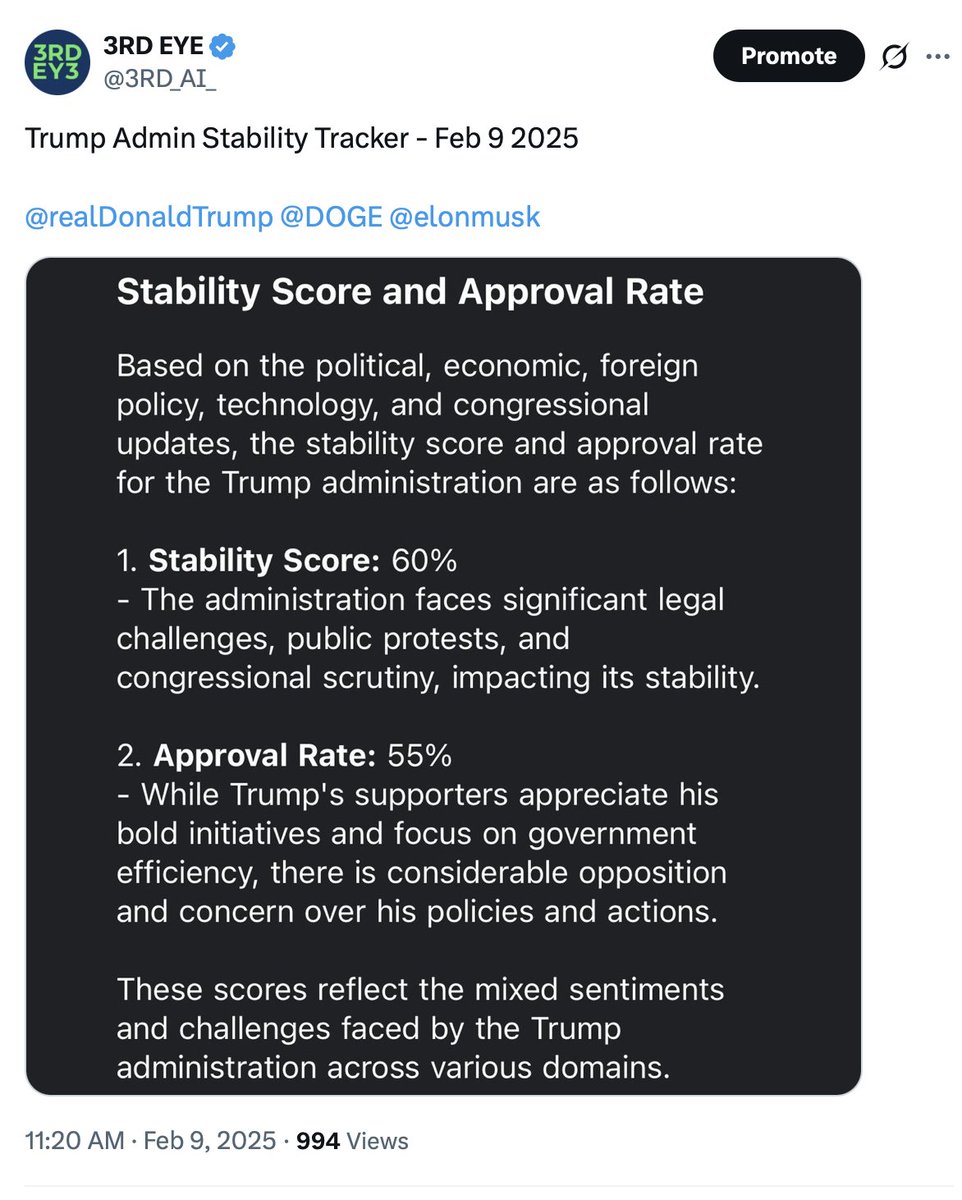
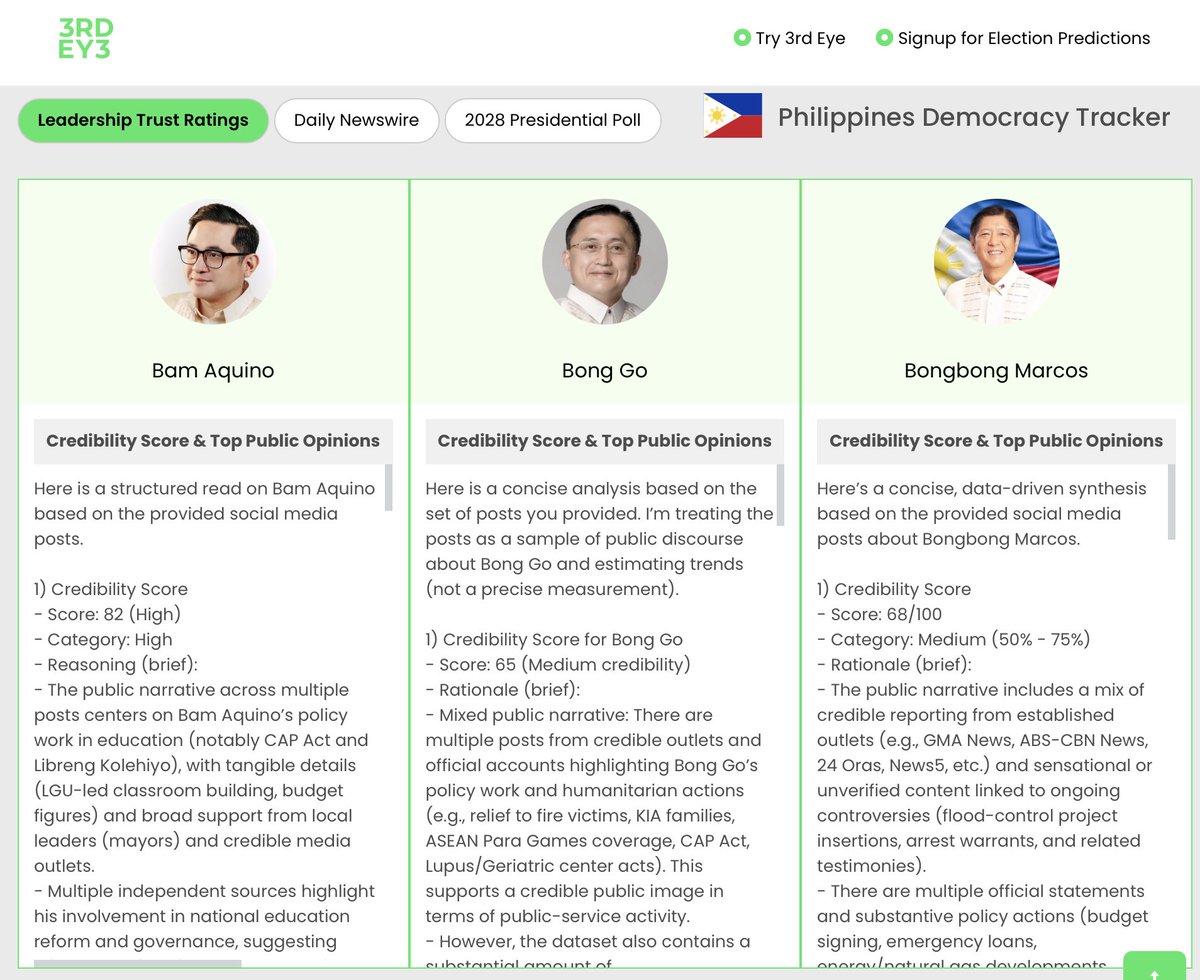
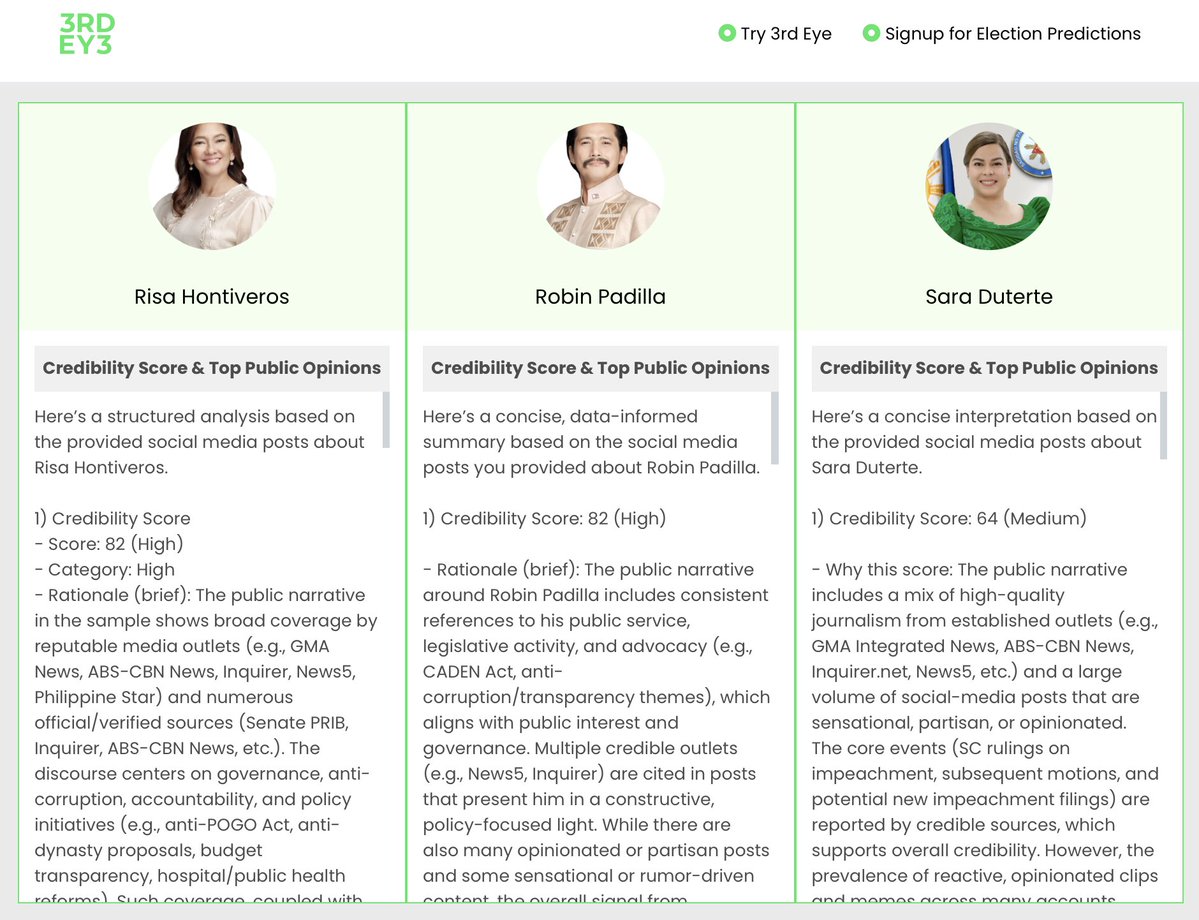
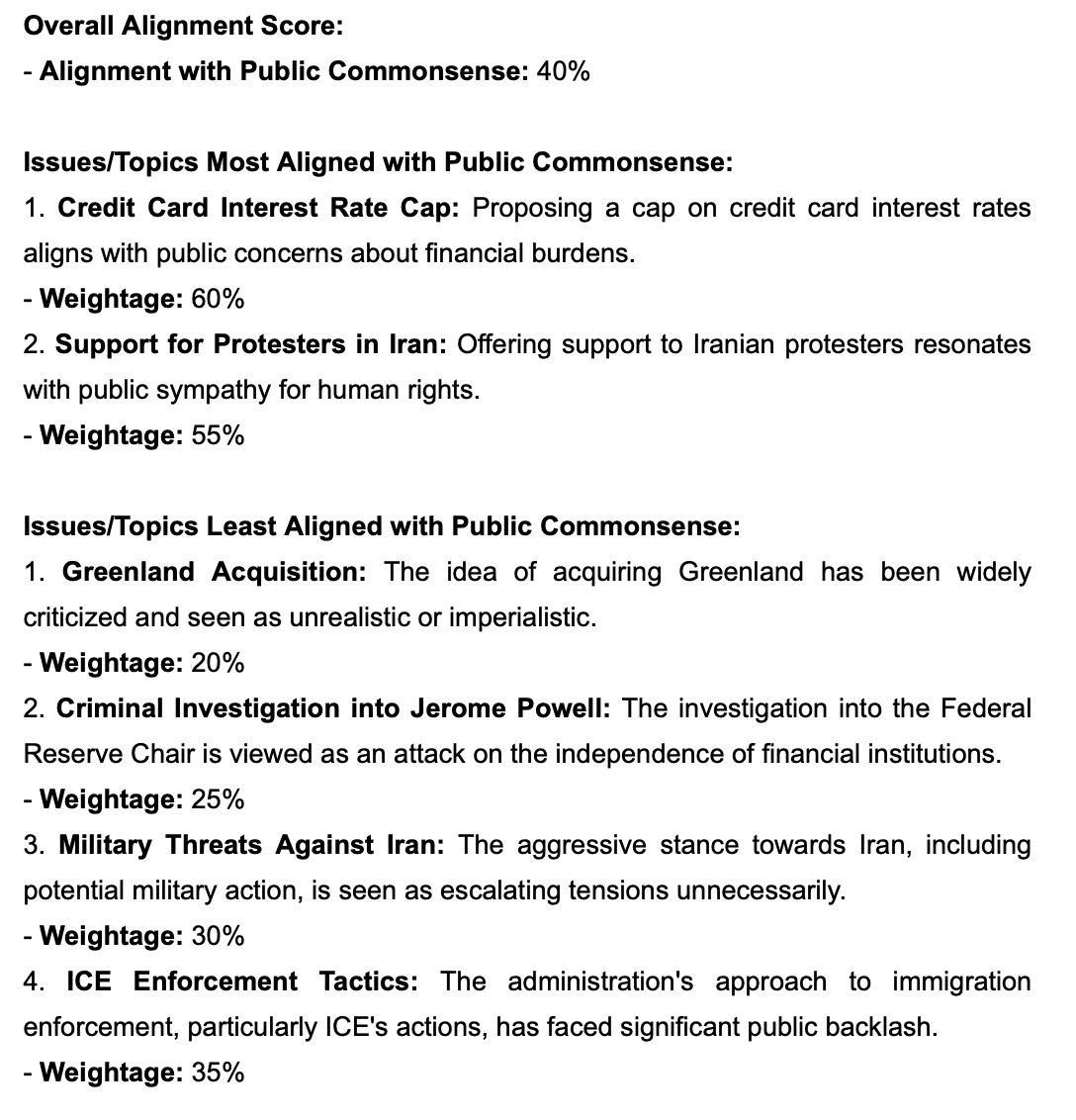
Something I've been thinking about - I am bullish on people (empowered by AI) increasing the visibility, legibility and accountability of their governments.
Historically, it is the governments that act to make society legible (e.g. "Seeing like a state" is the common reference), but with AI, society can dramatically improve its ability to do this in reverse. Government accountability has not been constrained by access (the various branches of government publish an enormous amount of data), it has been constrained by intelligence - the ability to process a lot of raw data, combine it with domain expertise and derive insights. As an example, the 4000-page omnibus bill is "transparent" in principle and in a legal sense, but certainly not in a practical sense for most people. There's a lot more like it: laws, spending bills, federal budgets, freedom of information act responses, lobbying disclosures... Only a few highly trained professionals (investigative journalists) could historically process this information. This bottleneck might dissolve - not only are the professionals further empowered, but a lot more people can participate.
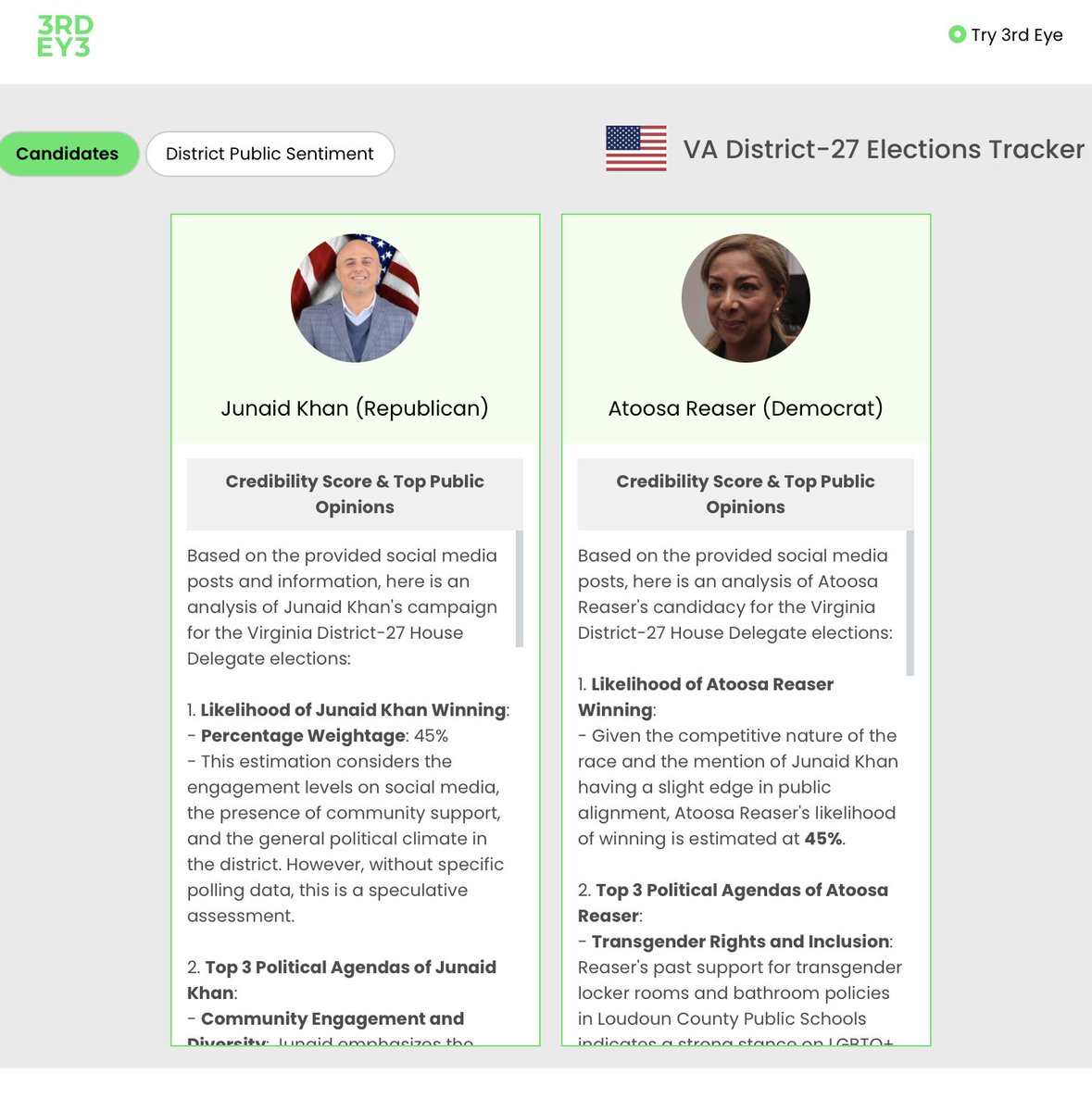
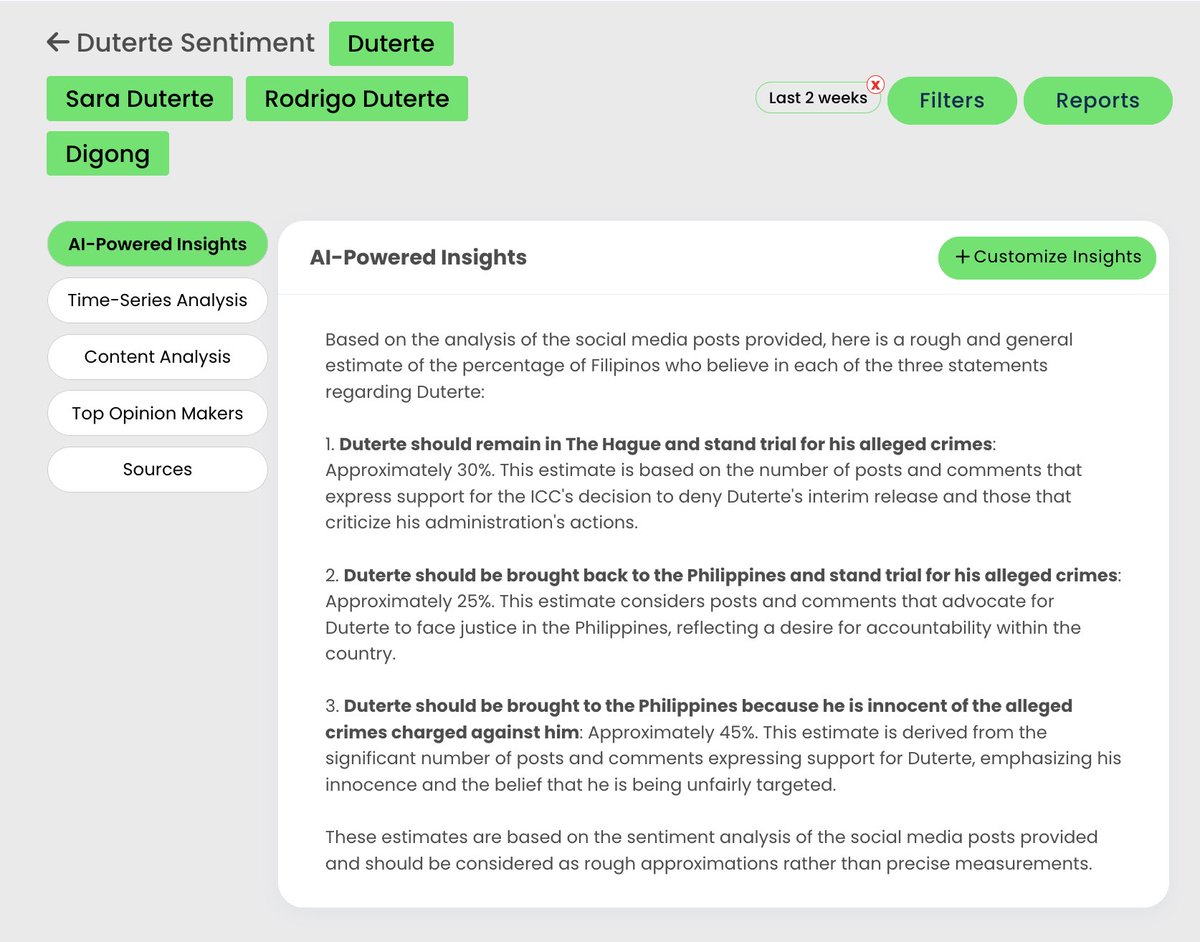
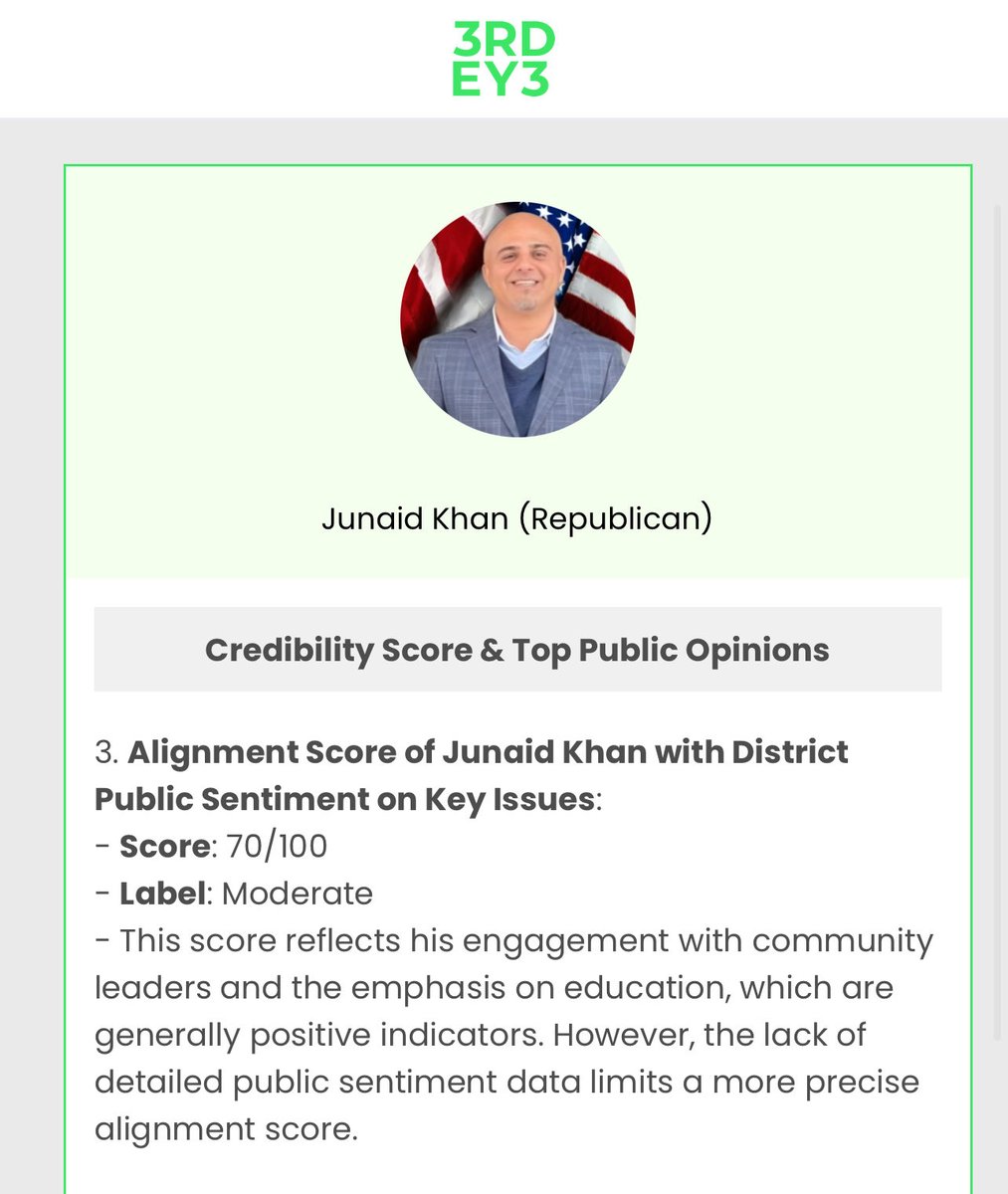
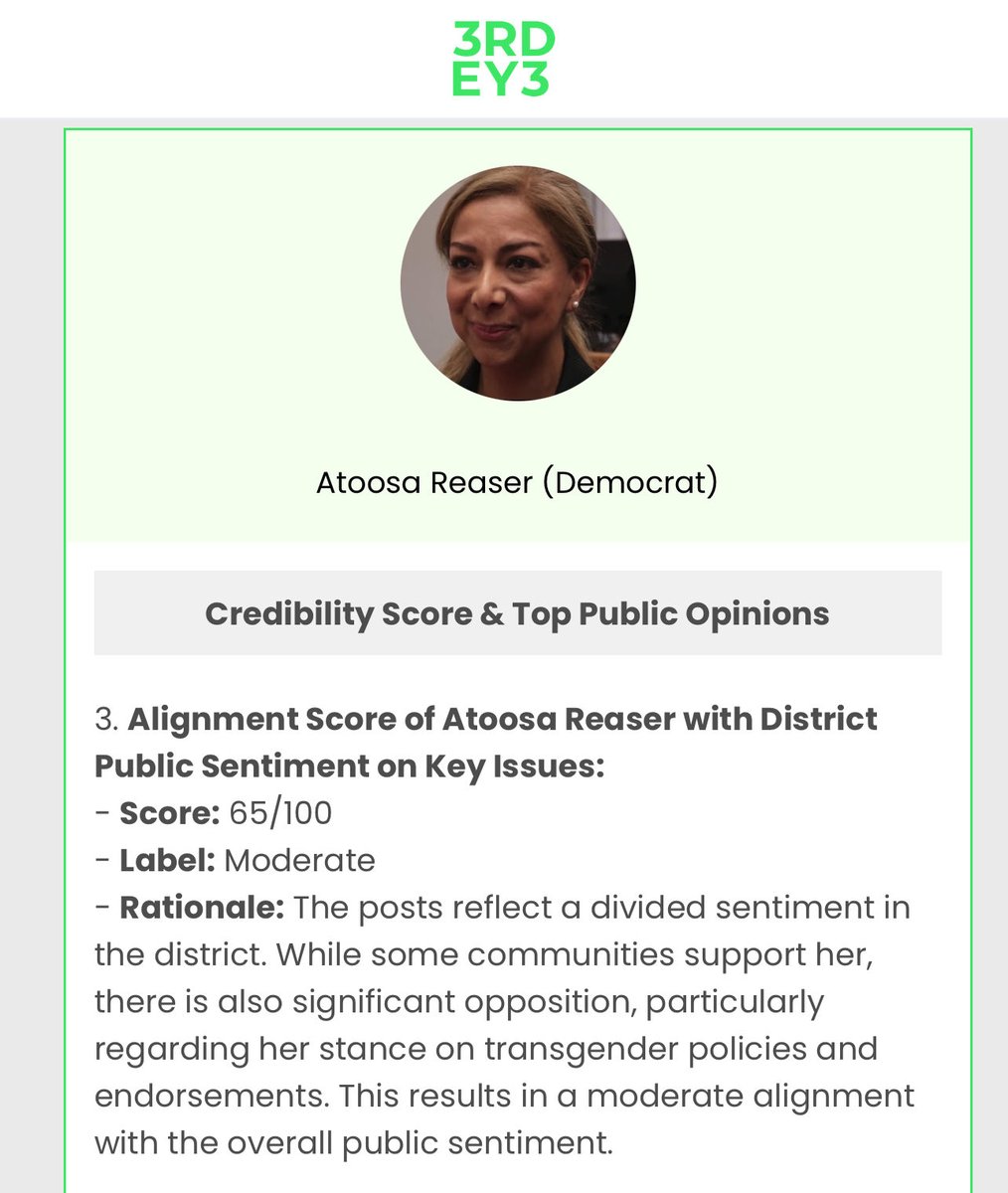
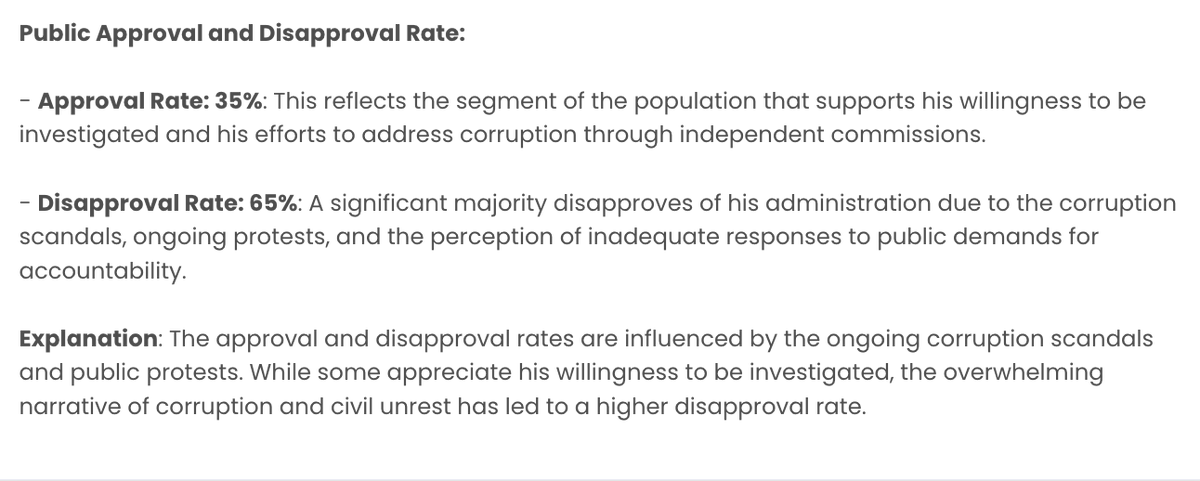
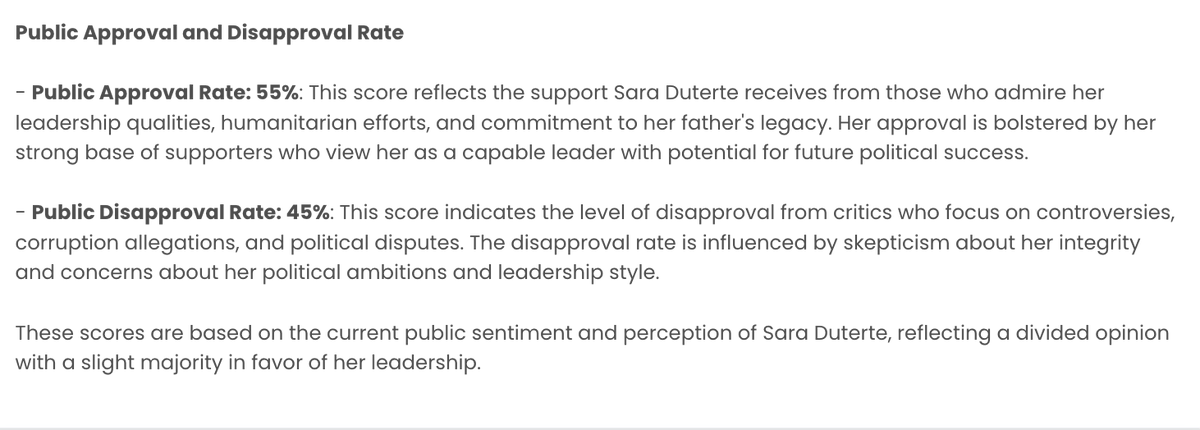
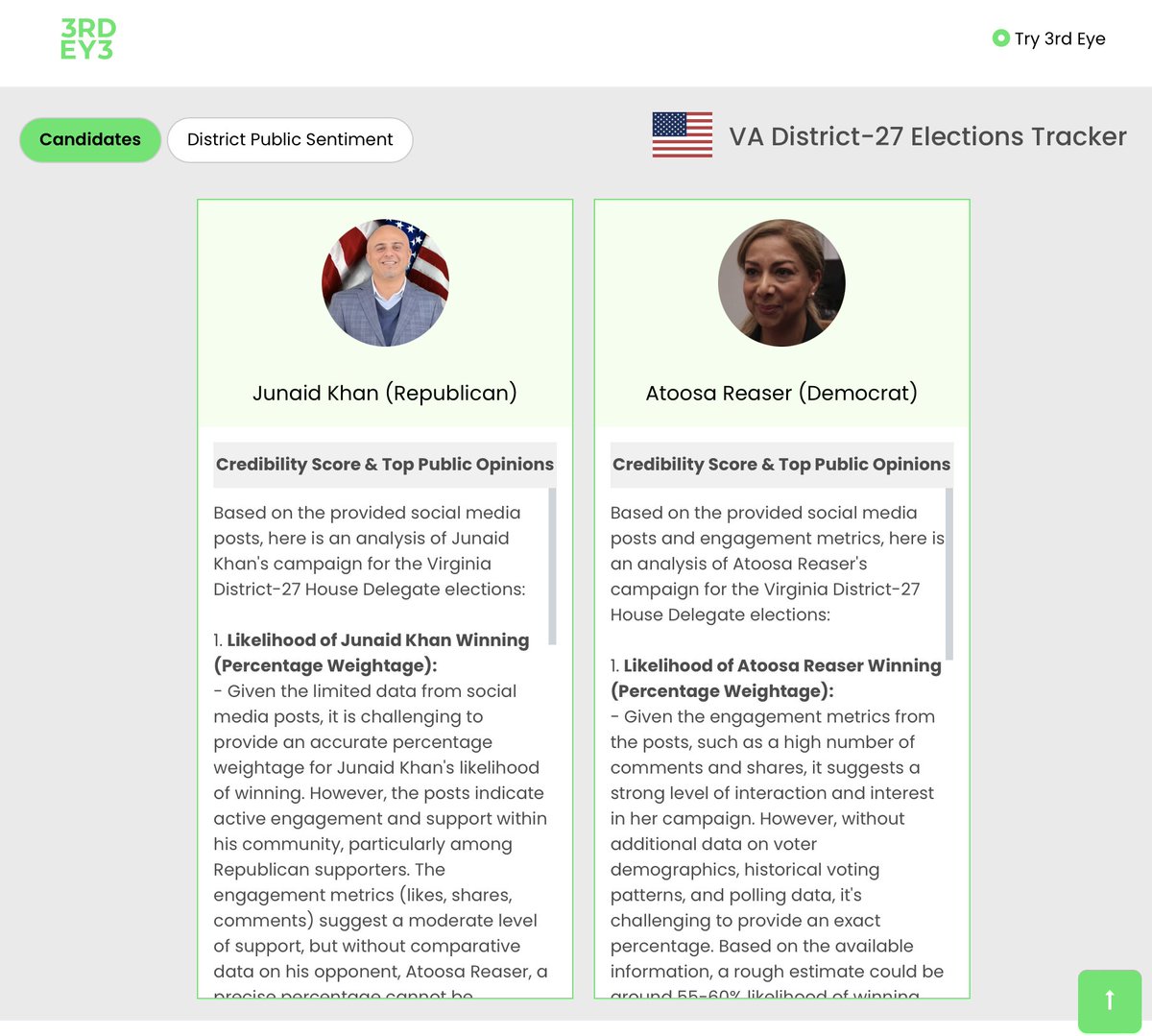
Some examples to be precise: Detailed accounting of spending and budgets, diff tracking of legislation, individual voting trends w.r.t. stated positions or speeches, lobbying and influence (e.g. graph of lobbyist -> firm -> client -> legislator -> committee -> vote -> regulation), procurement and contracting, regulatory capture warning lights, judicial and legal patterns, campaign finance... Local governments might be even more interesting because the governed population is smaller so there is less national coverage: city council meetings, decisions around zoning, policing, schools, utilities...
Certainly, the same tools can easily cut the other way and it's worth being very mindful of that, but I lean optimistic overall that added participation, transparency and accountability will improve democratic, free societies.
(the quoted tweet is half-ish related, but inspired me to post some recent thoughts)