Richard retweetledi
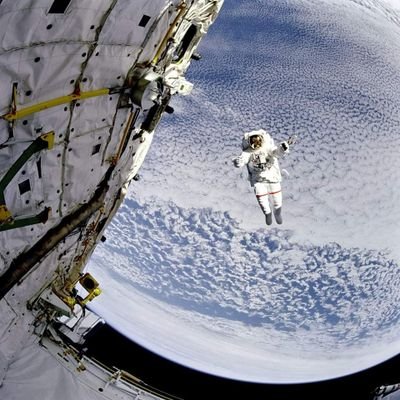
🔴 The Moon turned red above one of the oldest wonders on Earth.
As the Blood Moon rose over the Great Pyramids of Giza, the sky delivered a moment where ancient history met cosmic physics. During a total lunar eclipse, Earth moves directly between the Sun and the Moon, casting its shadow across the lunar surface.
But the Moon doesn’t disappear.
Instead, sunlight bends through Earth’s atmosphere. Shorter blue wavelengths scatter away, while the longer red wavelengths curve into the shadow and illuminate the Moon — the same effect that creates our fiery sunsets.
In that moment, the Moon is lit by the combined glow of every sunrise and sunset happening across Earth.
Astronomers measure the intensity of this red color using the **Danjon Scale**:
• L0 – Almost invisible dark eclipse
• L1 – Dark gray or brown Moon
• L2 – Deep rust-red tone
• L3 – Bright brick-red glow
• L4 – Copper-orange, very bright eclipse
The deeper the red, the more dust, clouds, or particles are present in Earth’s atmosphere.
Ancient pyramids below.
Orbital mechanics above.
A reminder that the same sky watched by civilizations thousands of years ago is still unfolding above us tonight.
📍 Giza Pyramids, Egypt

English